
Your cart is empty
31 Products
31 Products
Ford engines include old-school blocks and modern turbocharged EcoBoost units. The Ford PCV circuit may look small, but when it fails, it quickly makes itself known through oil leaks, odd idling, or boost problems, be it an old-school SBW or a turbocharged Dragon.
Modern and older engines use different ventilation strategies, and that changes what fails and how you fix it:
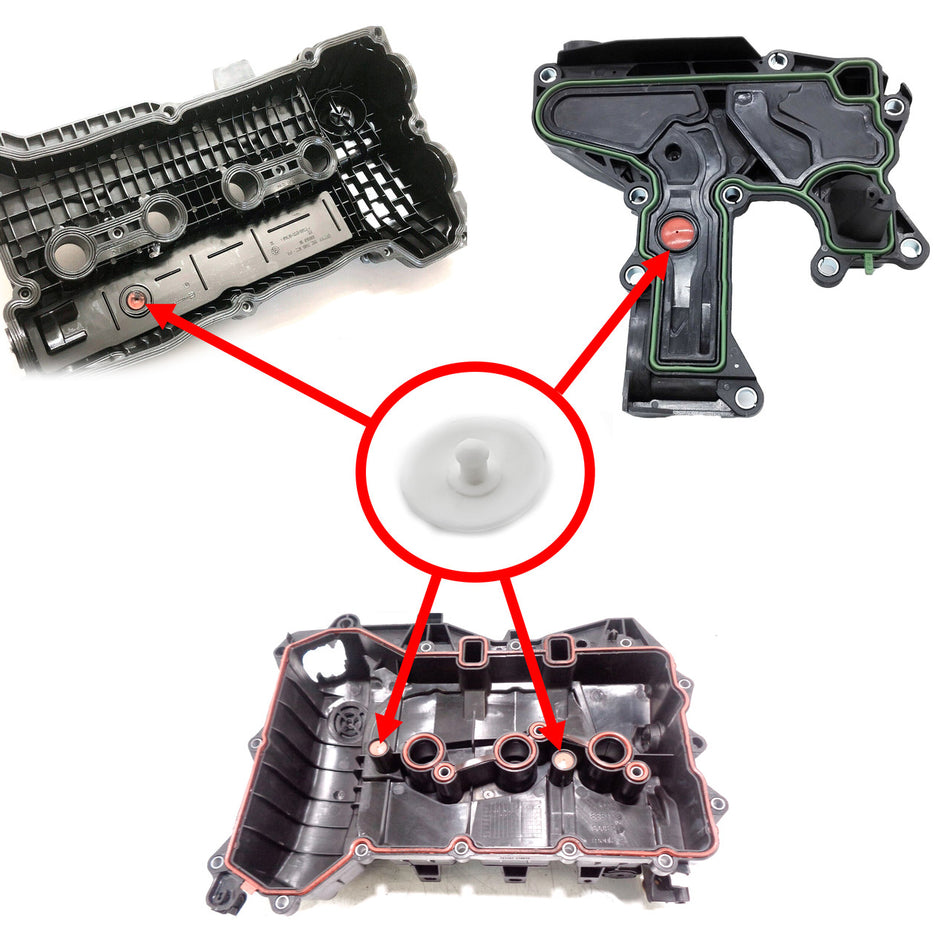
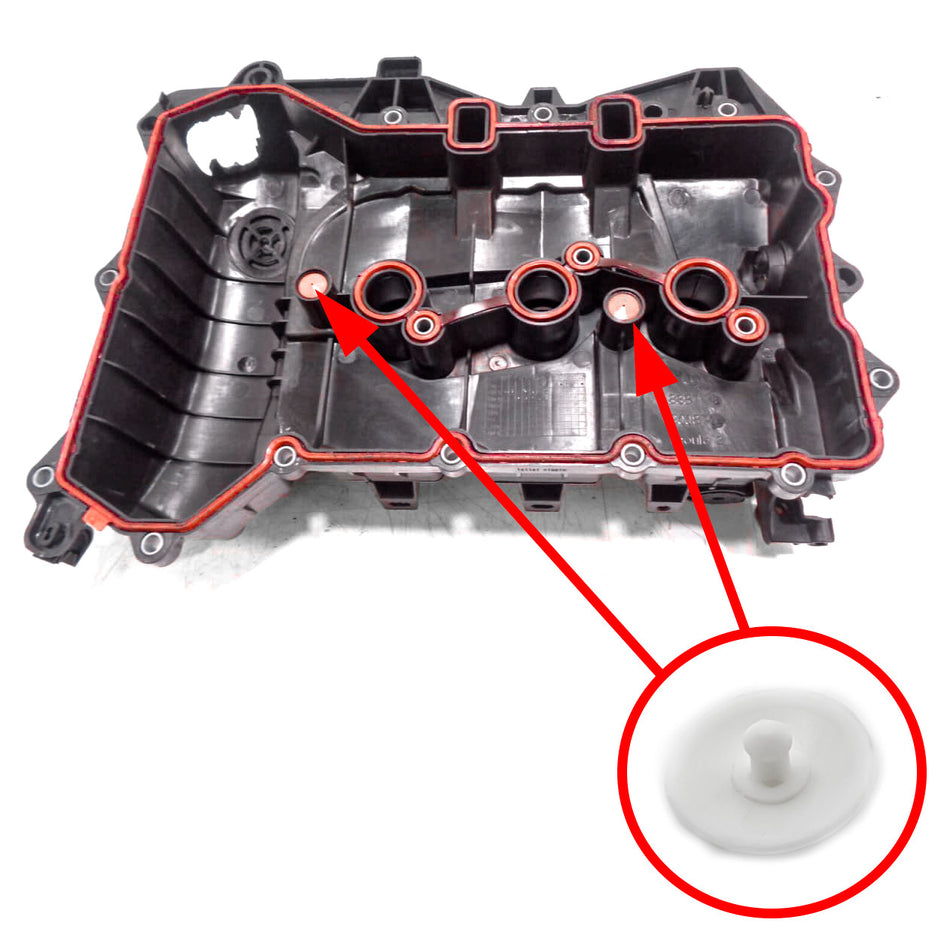
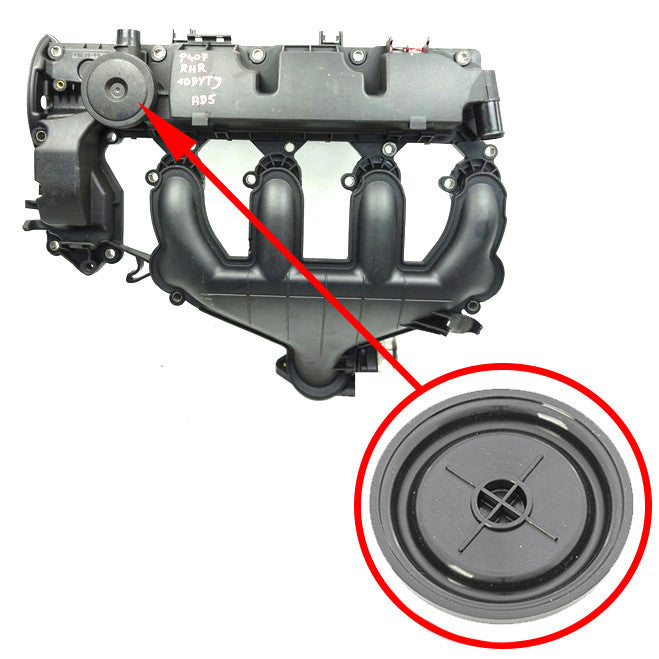
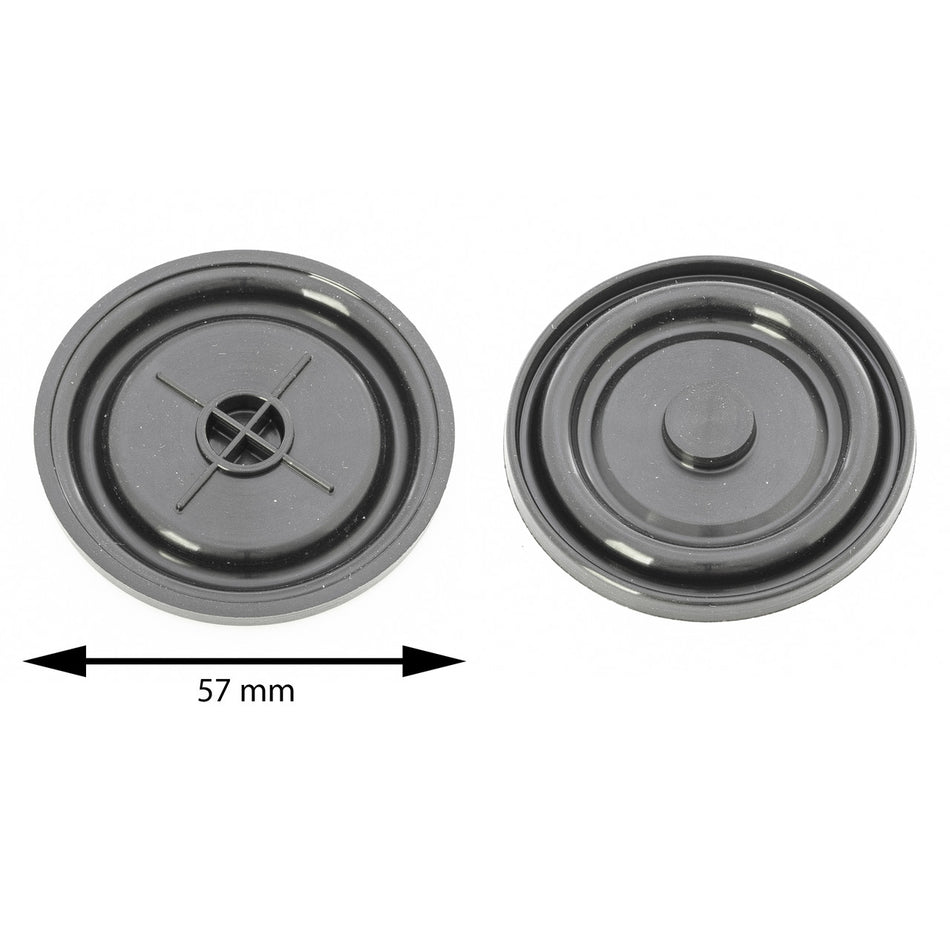
If you need the right replacement, make sure to match the part to the platform and not just the generic description.
Problems often start small and then compound. Excessive oil consumption can mean a saturated separator or a stuck valve. Oil leaks at the Ford valve cover often follow pressure spikes. Rough idle or stalling shows the metering is off, and collapsed or rotten hoses can allow sludge into the intake. For many of these symptoms, the first place to look is the PCV circuit.
Turbo engines run at different pressures and have more vapor to handle. A weak separator or a failing valve on a boosted engine can pull liquid oil into the intake or create crankcase pressure. That is why attention to the Ford crankcase ventilation layout matters more on turbo models.
Small signs save big bills later. Look for higher oil top-up rates, hesitation under acceleration, oil film in charge pipes, or intermittent idle dips. There are early clues that the ventilation circuit needs inspection around the PCV Ford area.
We stock matched components and repair kits for Ford fitments. Tell us the symptoms and your engine code, and we will recommend the exact part to solve the issue. For a quick start, send a photo of your Ford valve cover area and the fault details, and we’ll point you to the right PCV Ford solution.
Your cart