Air Suspension Components and Kits for Cars, SUVs, and Performance Builds
You park on a rough stretch of road after a long trip and notice two things. First, the rear end sits lower than it should. Second, the ride feels harsher than usual. Most people shrug and keep driving. The better move is to stop and listen. Air suspension systems do a lot of invisible work. When they fail, the symptoms are obvious. Fixing them early with a complete air ride suspension kit (with the right components) stops small issues from turning into expensive breakdowns.
How Air Suspension Systems Work
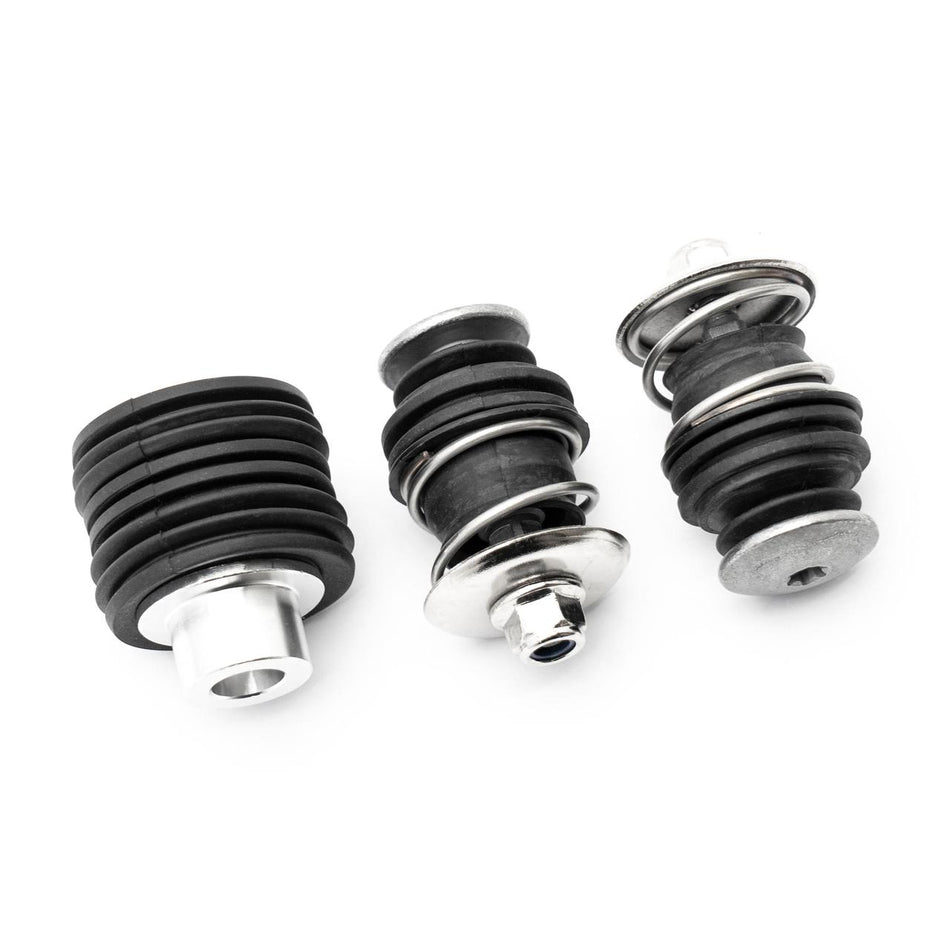
Think of an air ride system as a pressure control system with a mechanical heart and a set of lungs. The compressor is the heart. It pumps air into a tank. The valve block and solenoids are the lungs. The airbags or air struts are the bellows that lift and support the vehicle. The right parts restore balance and keep the vehicle sitting where it should.
Common components and what they do:
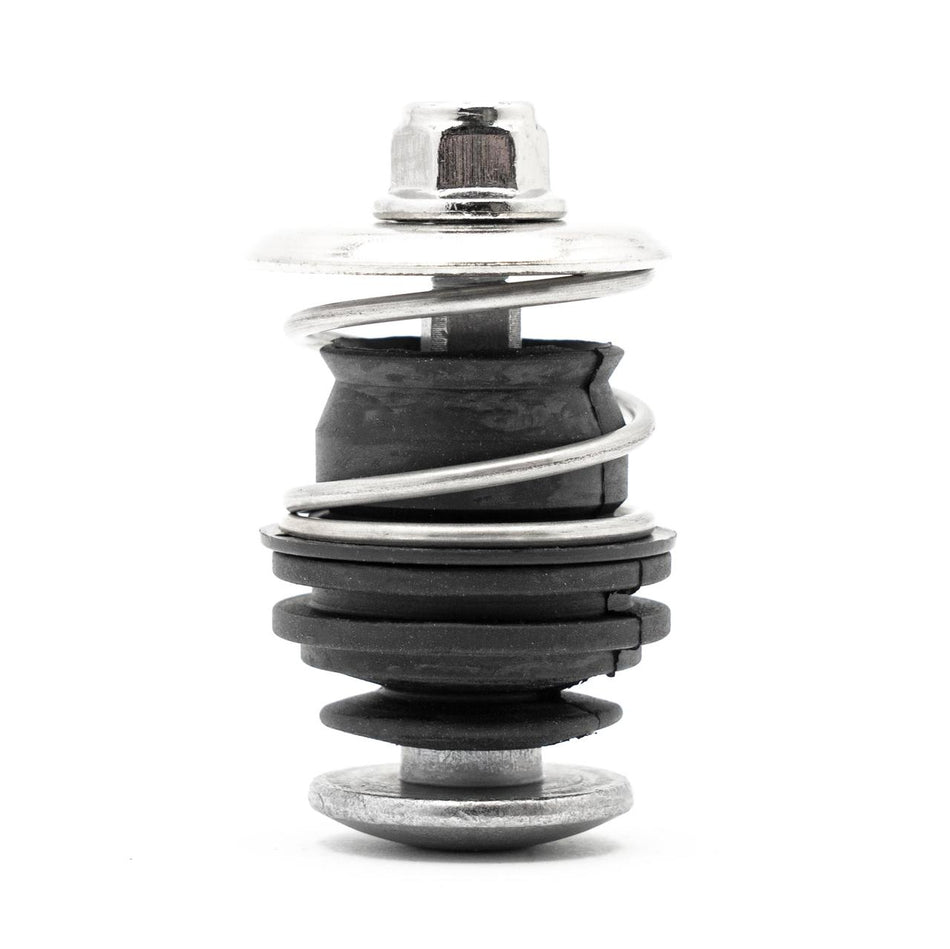
- Air spring or air strut. This is the load-carrying element. For a daily driver, the rubber and internal fabric must resist ozone and heat. When the bag cracks or the bellows splits, air leaks, and the corner sags.
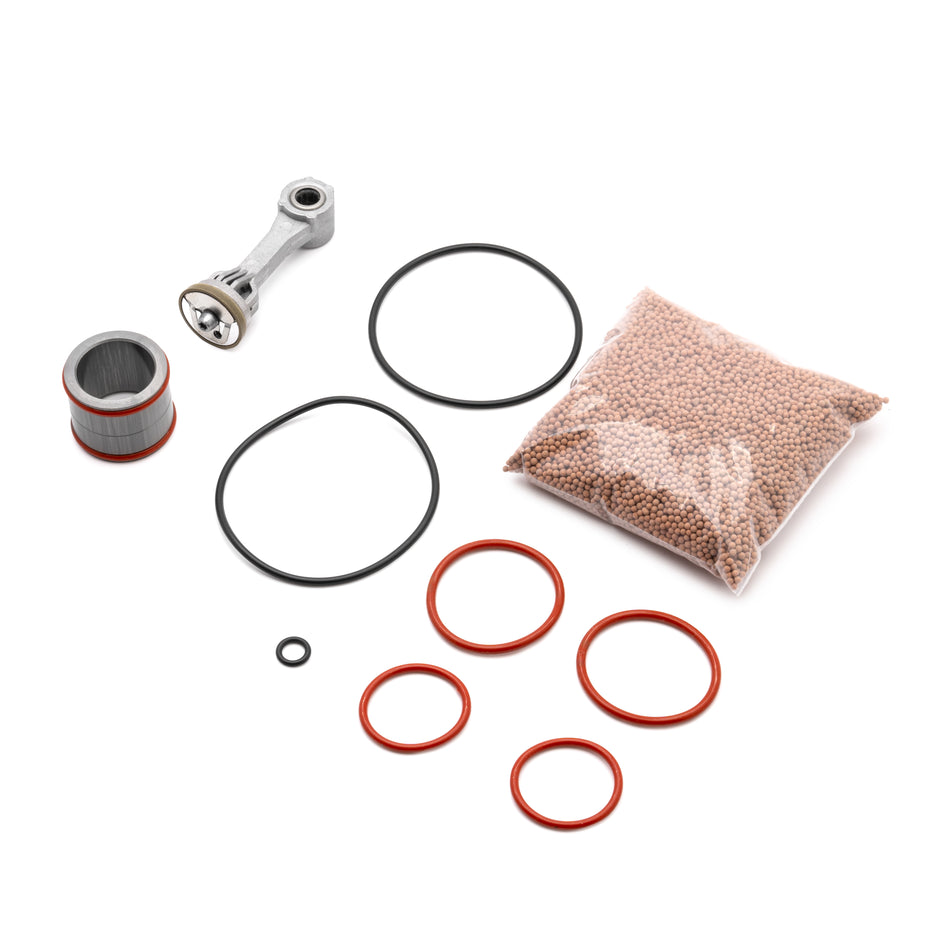
- Compressor and dryer. The compressor provides the flow. A dryer or desiccant trap removes moisture. Moisture is the enemy of solenoids and valves. A worn desiccant causes valves to stick and corrosion to accelerate.
- Air tank. The tank stores compressed air for quick adjustments. A small tank makes the compressor run frequently. A larger tank smooths out usage and increases component life.
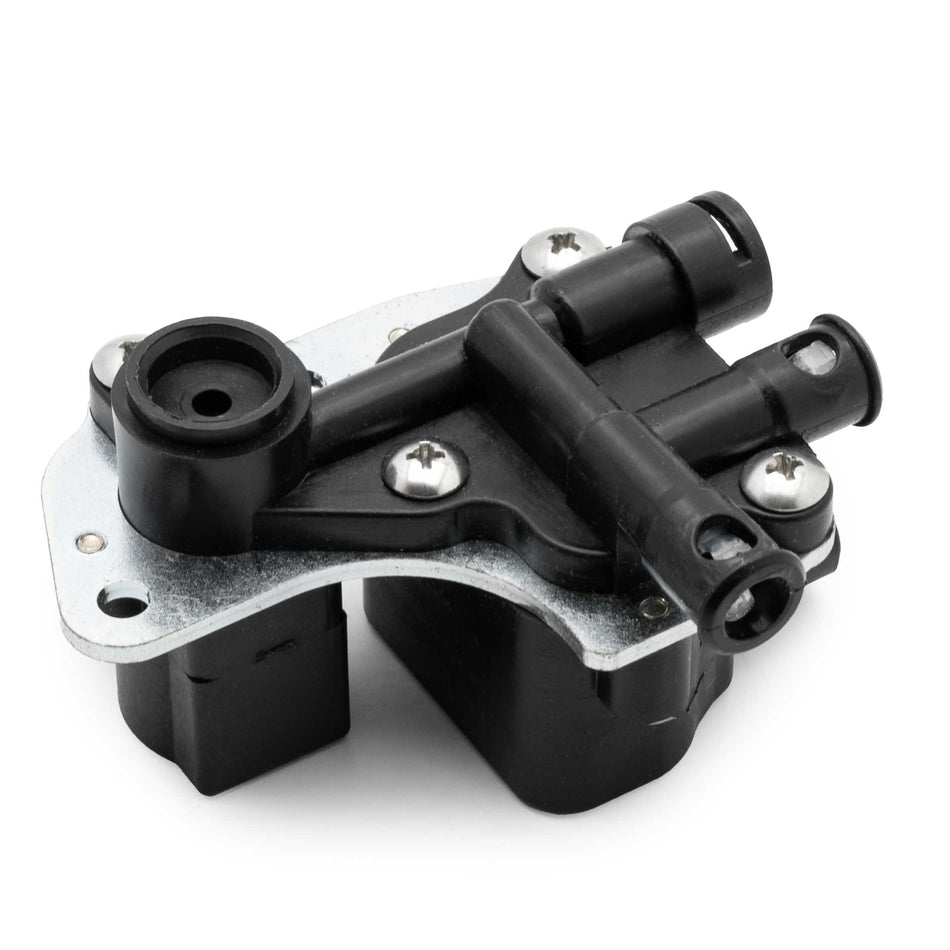
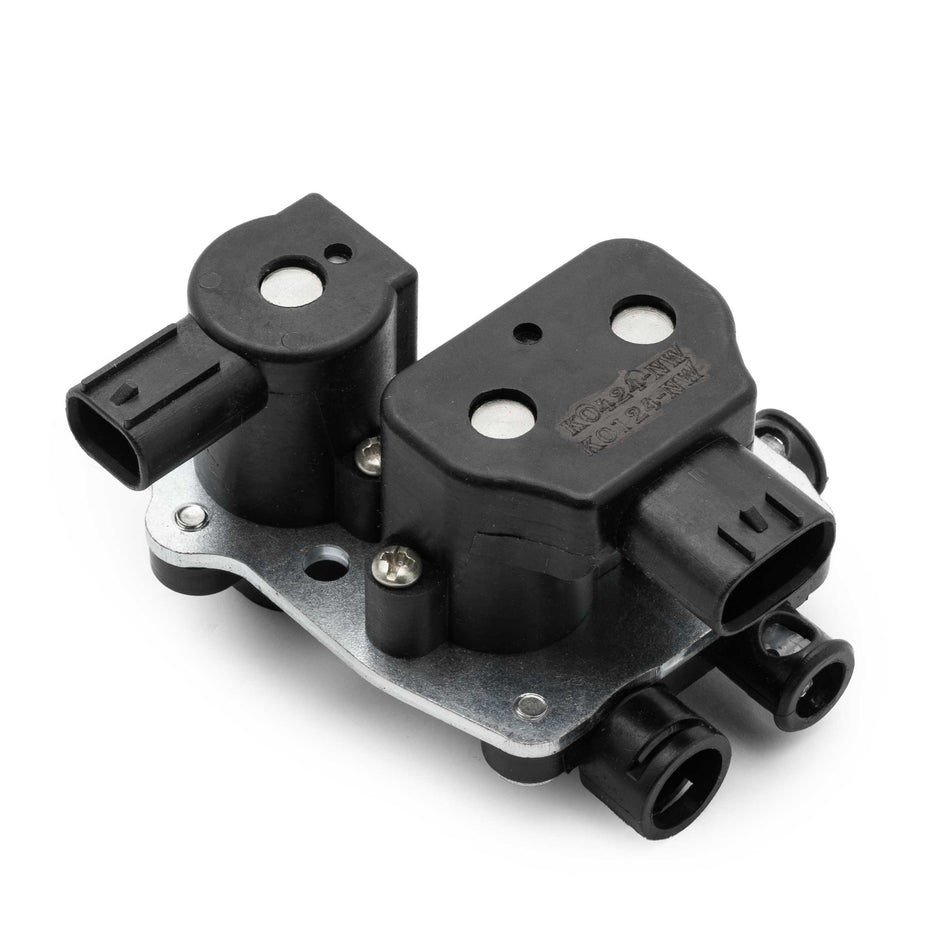
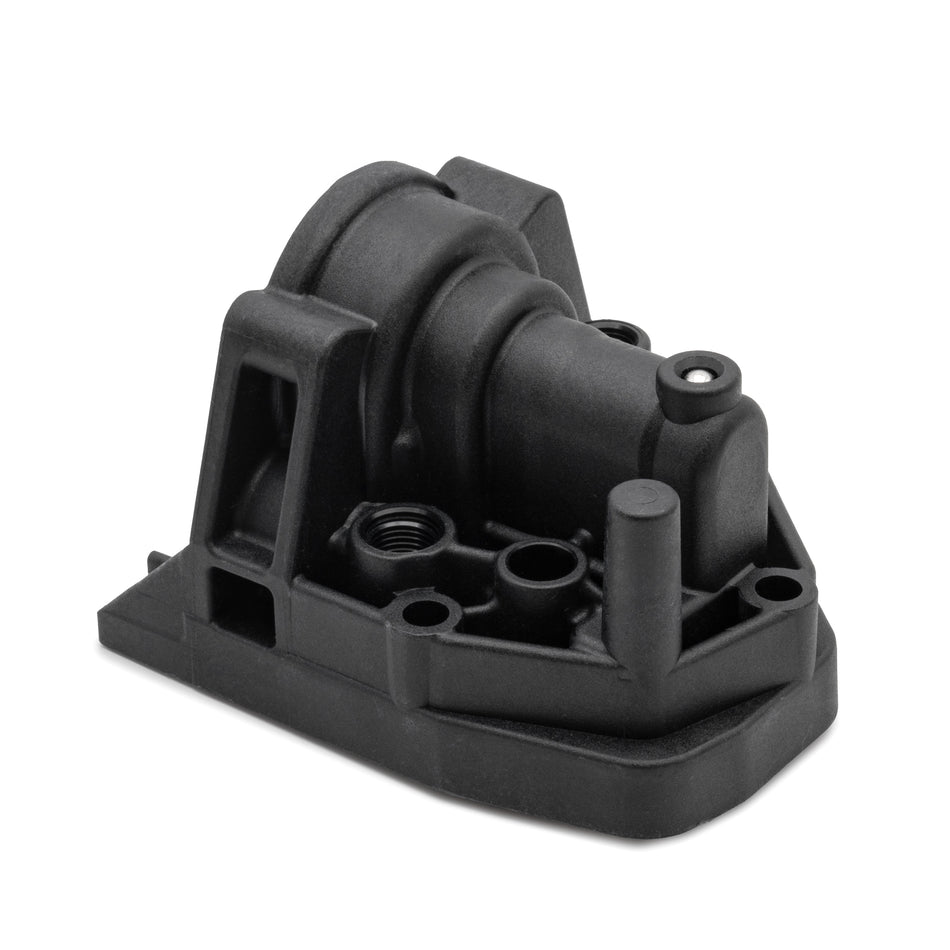
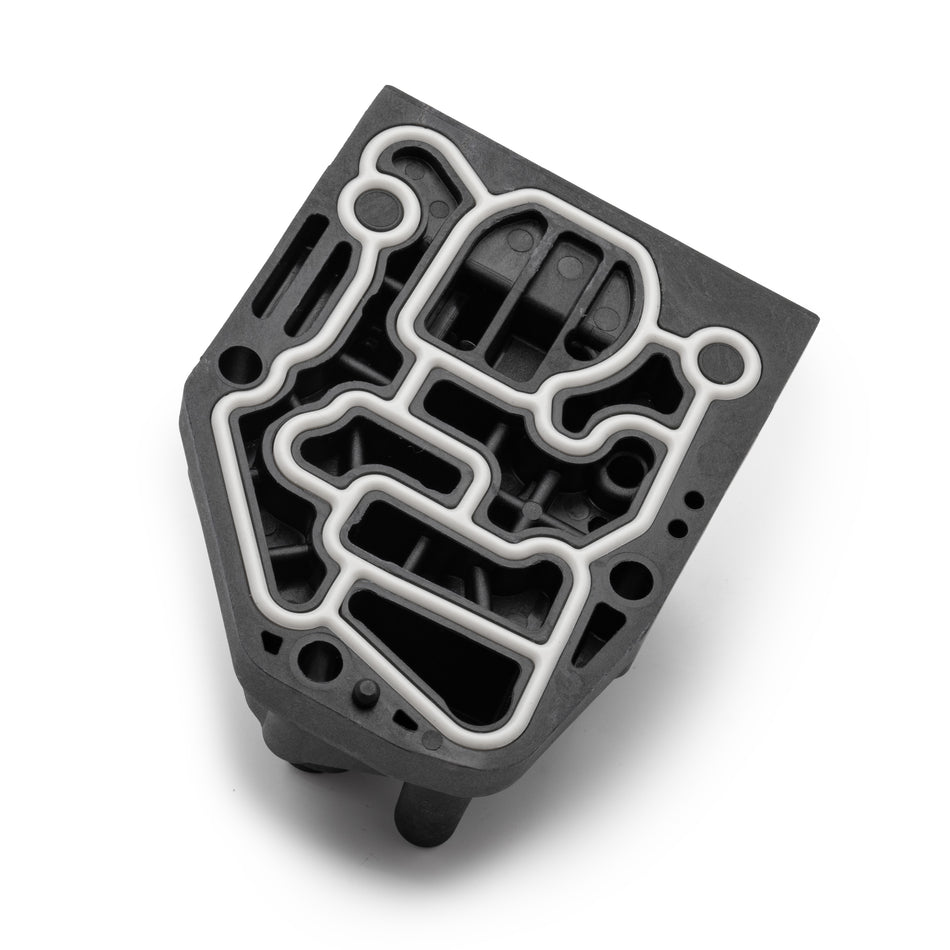
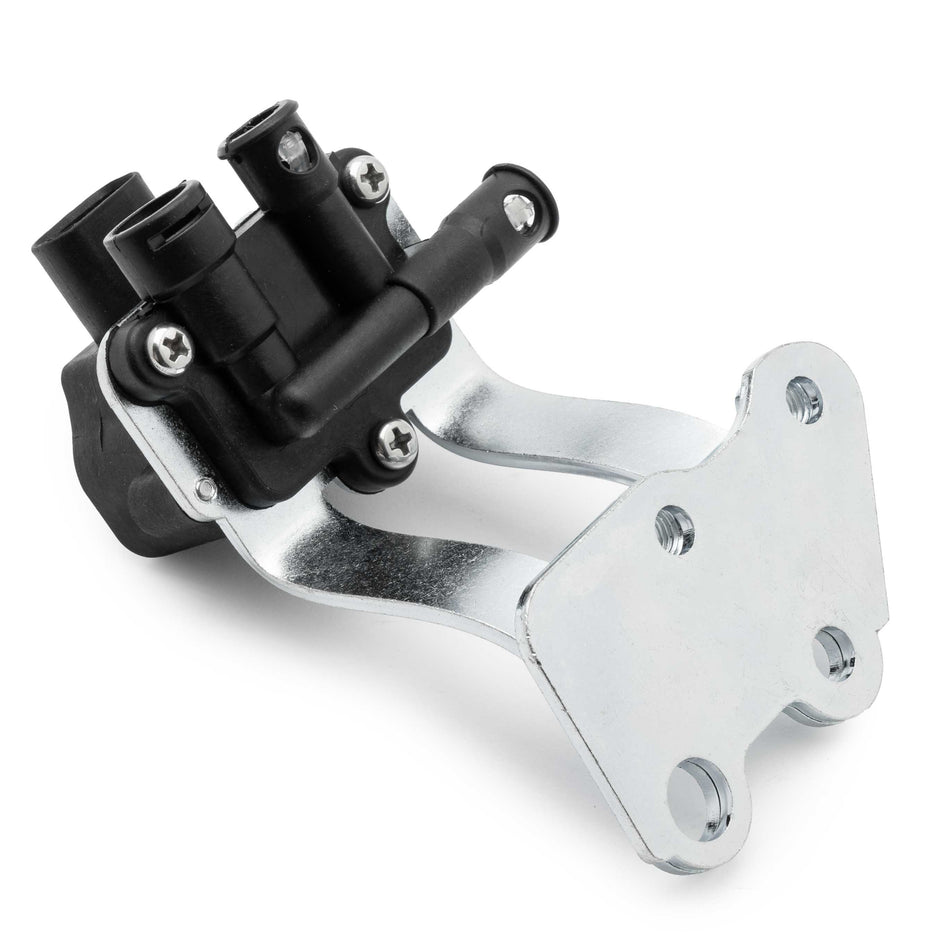
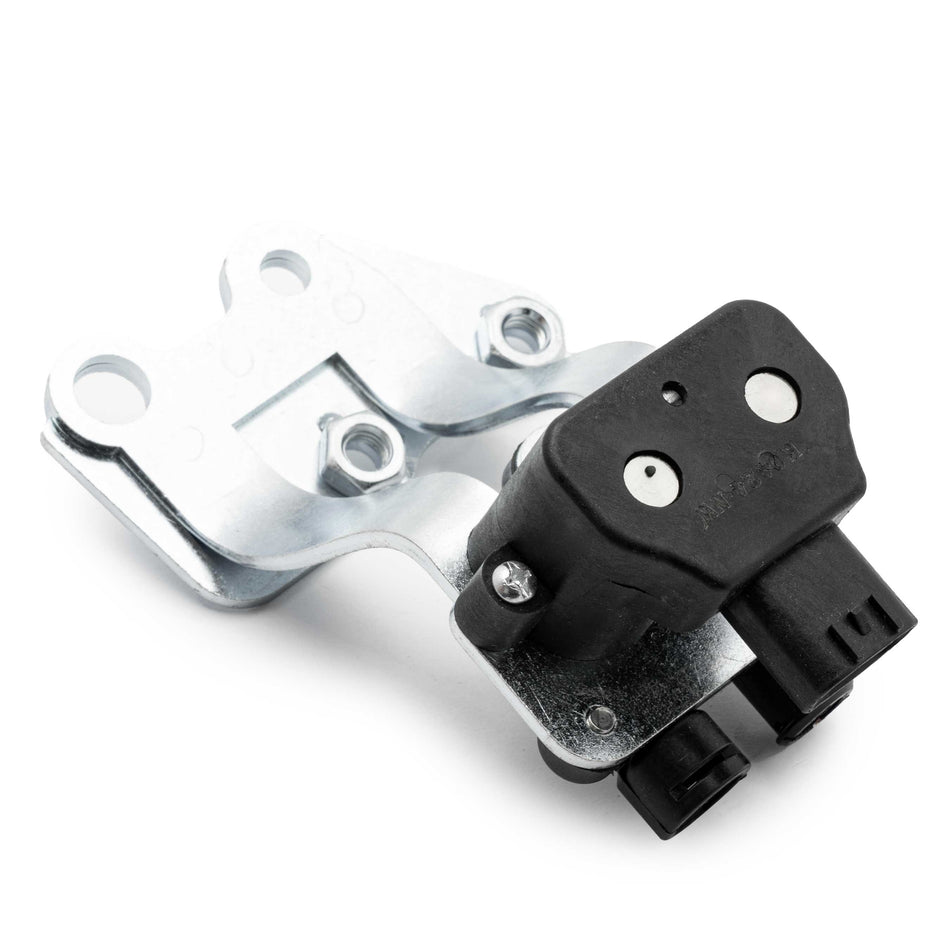
- Valve block and solenoids. This is the traffic controller. Solenoids route air to each corner and vent it to the atmosphere. Failing solenoids cause slow or uneven responses.
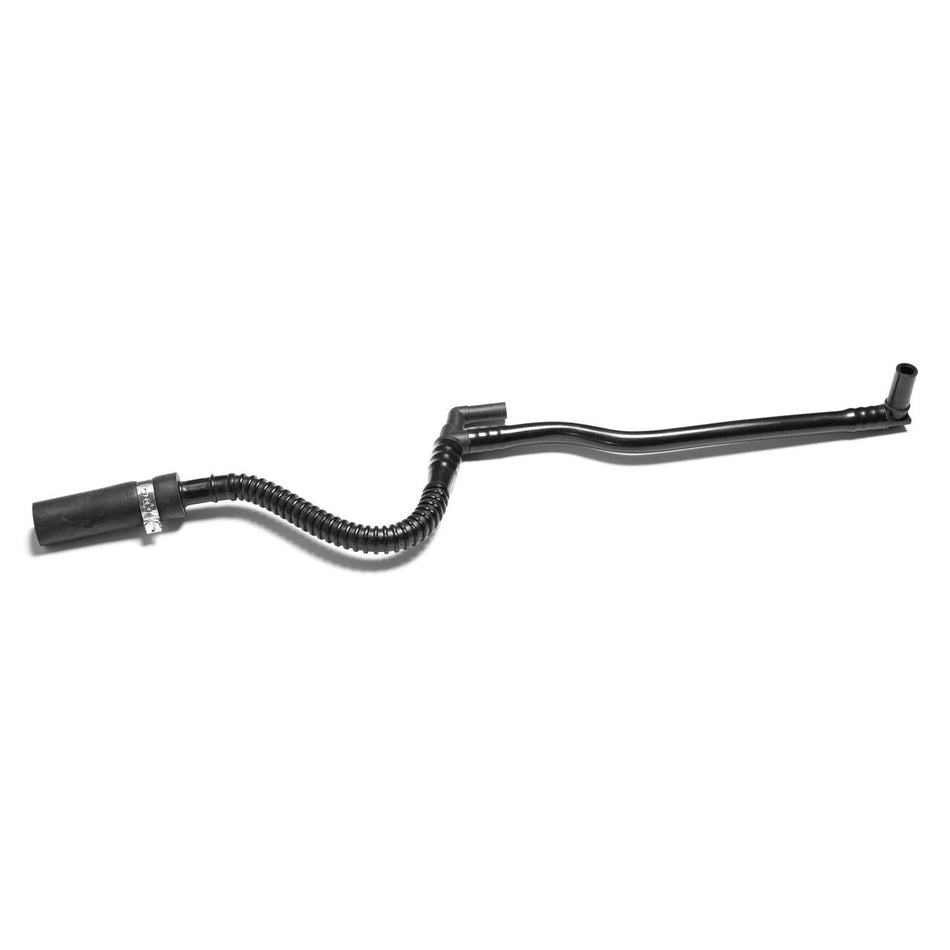
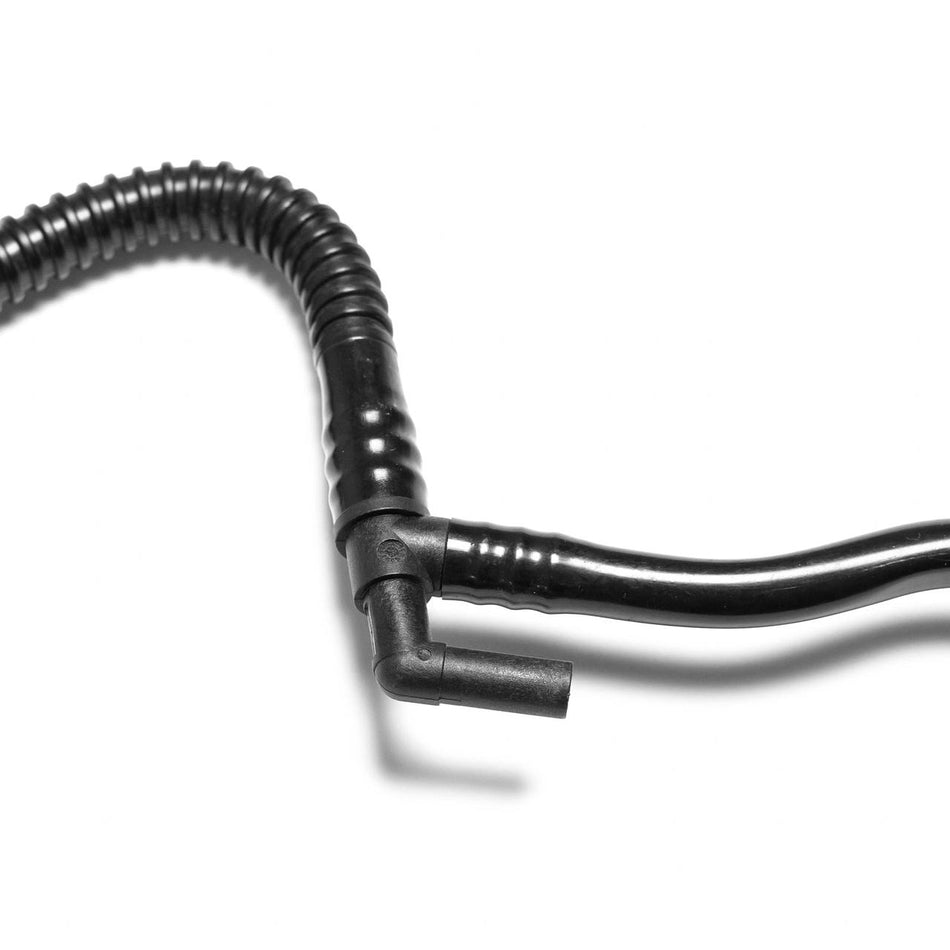
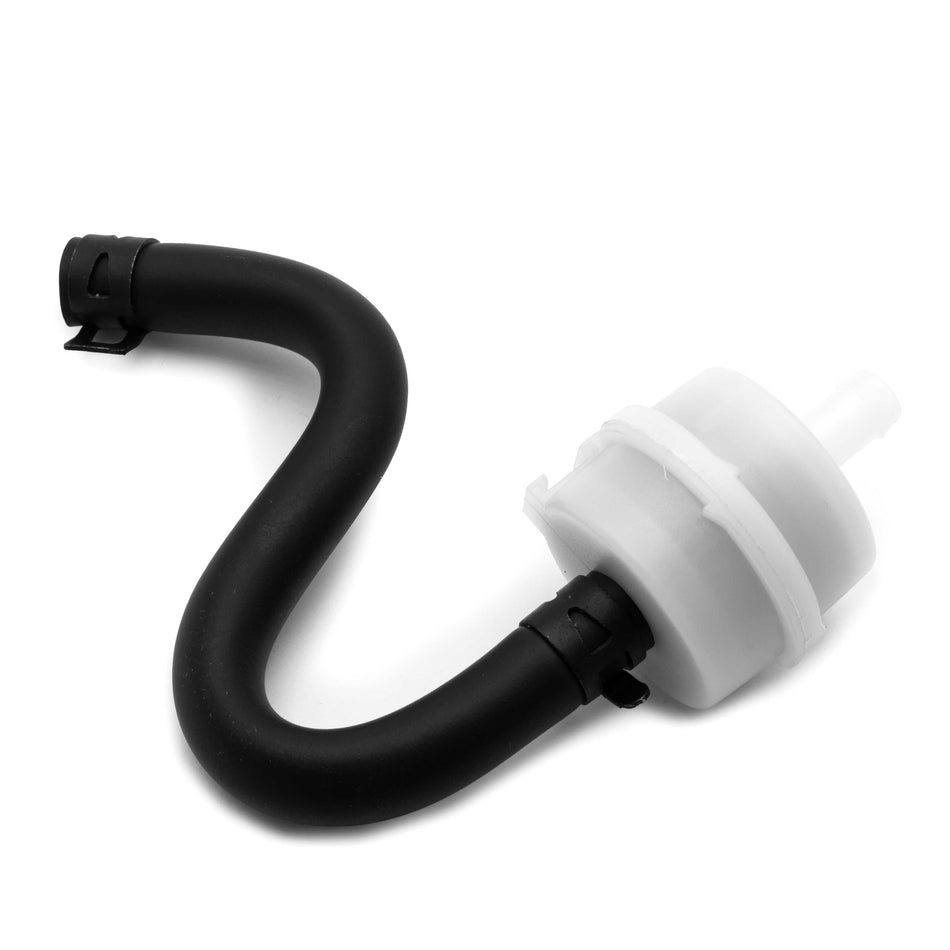
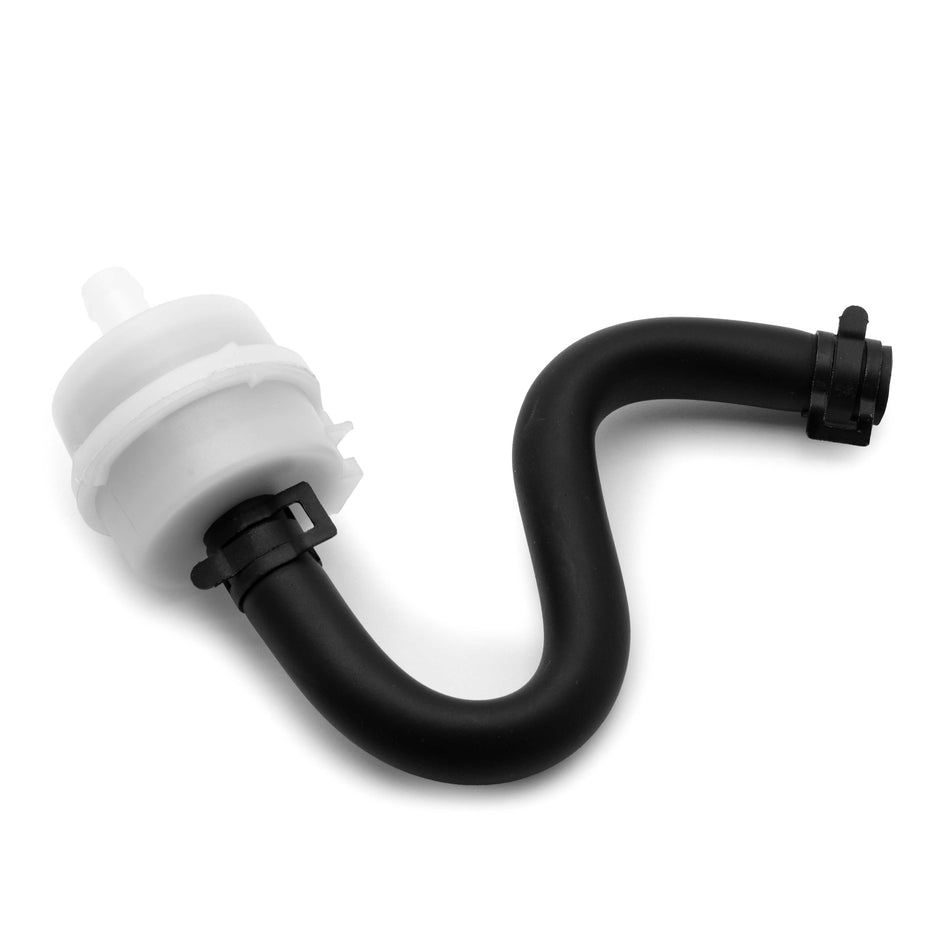
- Lines and fittings. Flexible reinforced lines carry air around the car. Poor routing or cheap fittings cause kinks, chafing, and leaks.
- Sensors and controller. Height sensors feed the controller. If a sensor is false or the controller misreads data, the system behaves unpredictably. Relearning height or replacing a sensor cures many issues.
Together, these components maintain pressure, height, and ride quality. When one element ages or leaks, the whole system shows it. Identifying the failed component, bag, compressor, valve, line, or sensor, directs a focused, reliable repair.
What Most Repairs Look Like in the Real World
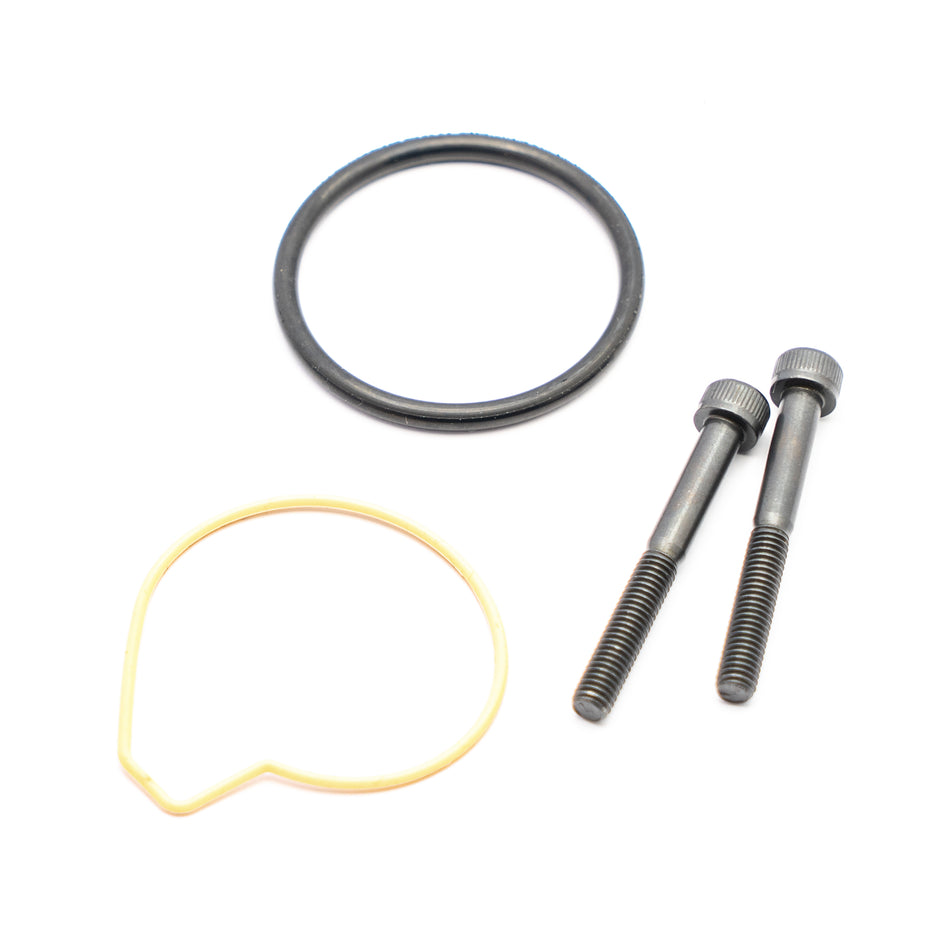
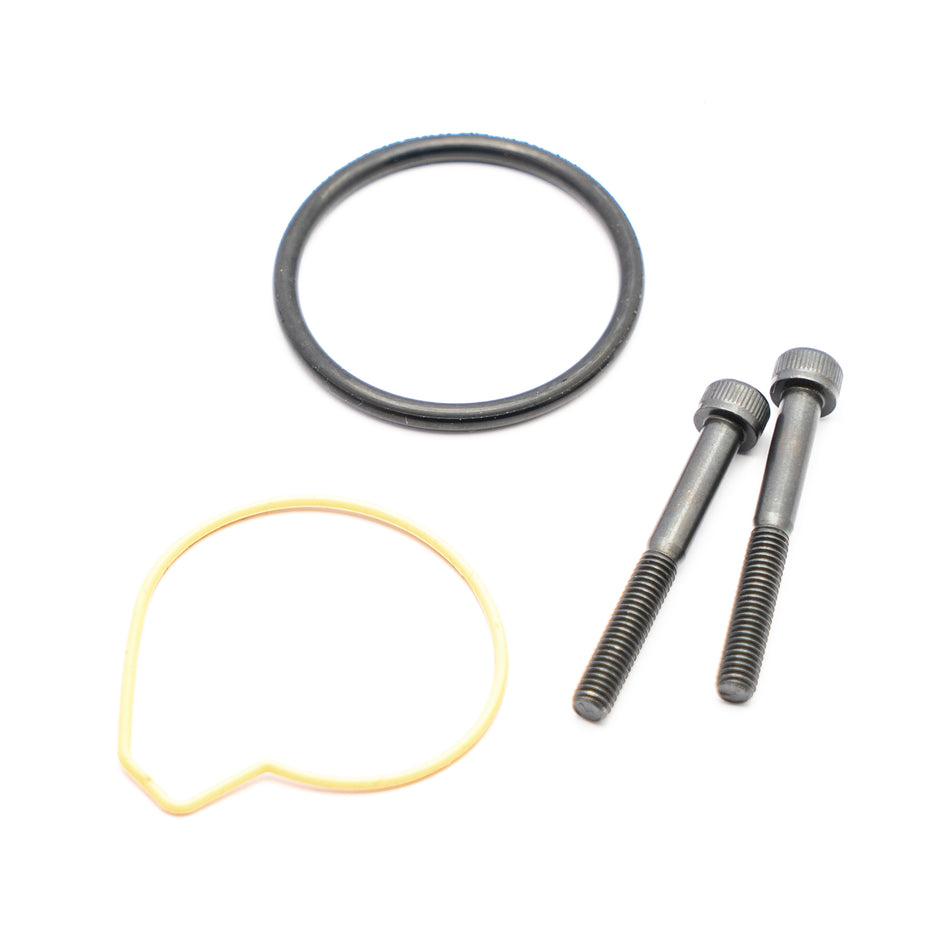
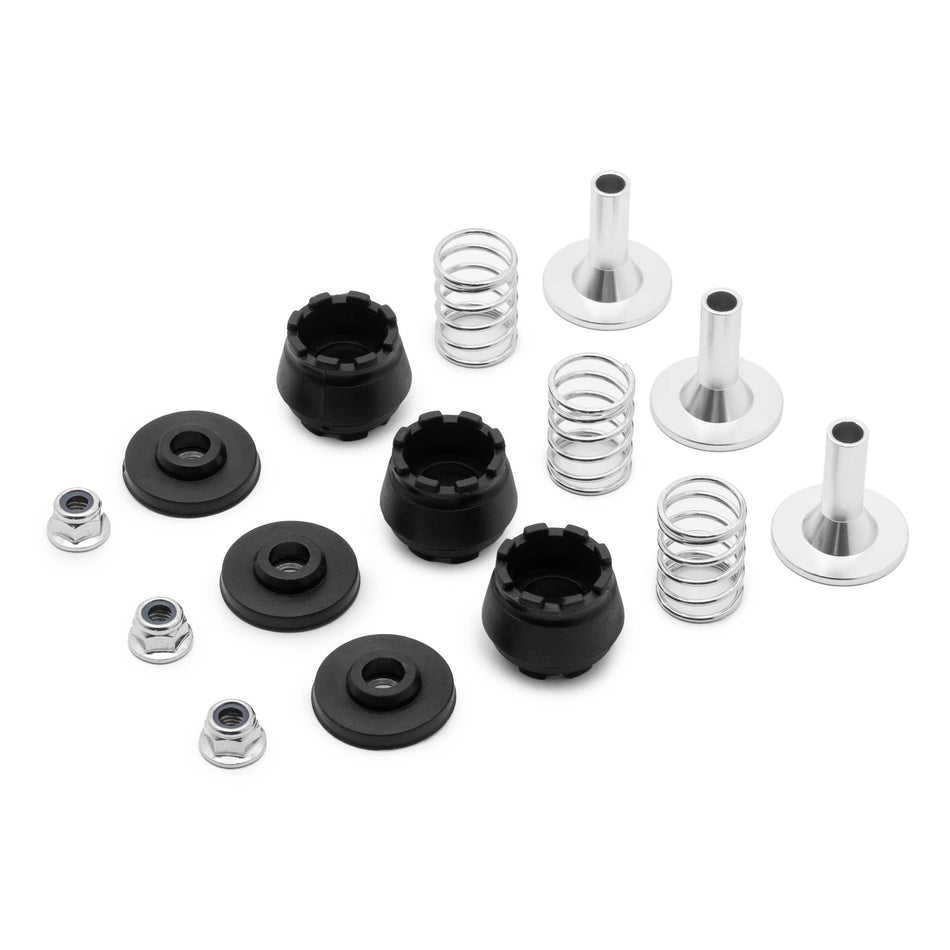
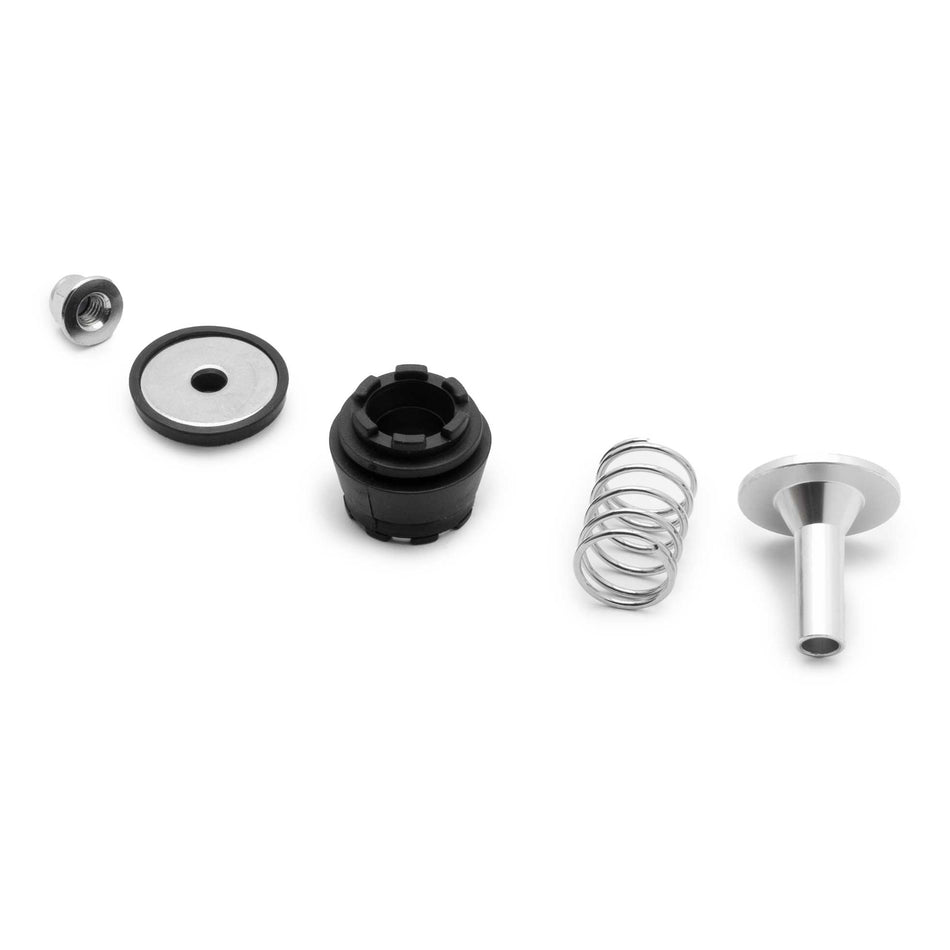
One routine repair is a leaking air spring. If the bag has a visible crack, a straightforward replacement of the air spring or air strut solves it. If the bag looks intact but the corner still sags, check the lines and fittings and test the valve block. Sometimes a single leaking fitting is the full problem, and a simple air suspension parts kit with O-rings and fittings is enough.
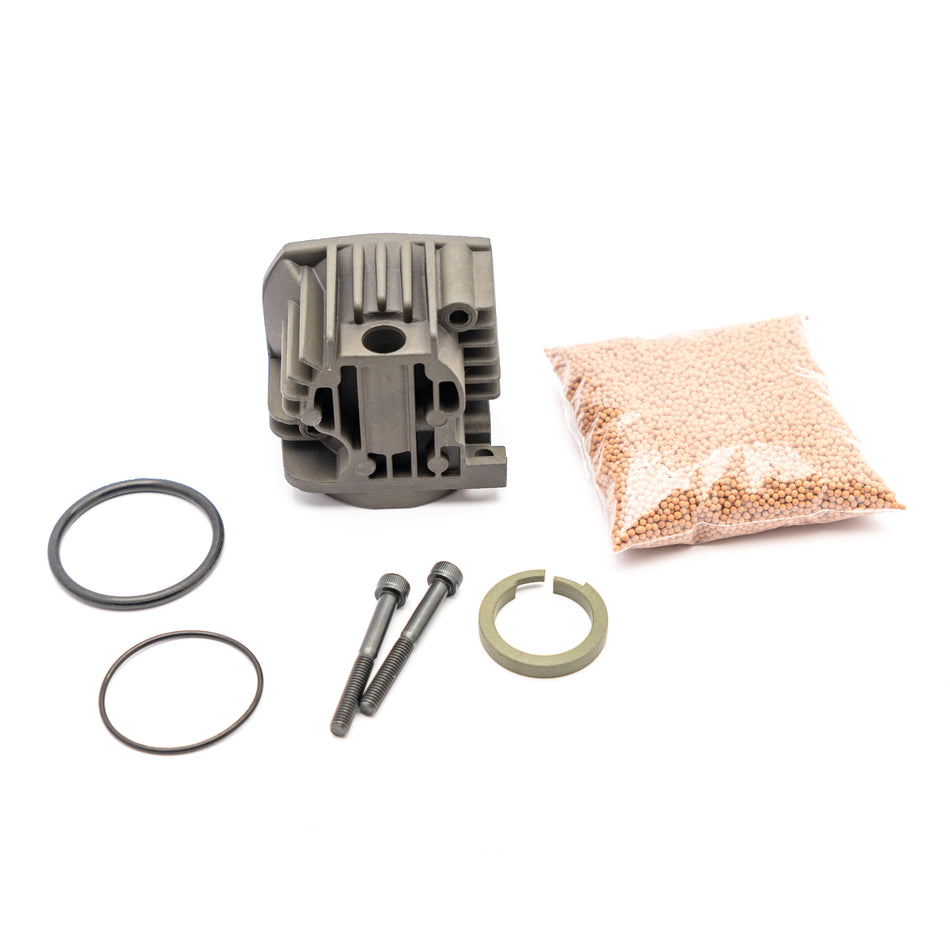
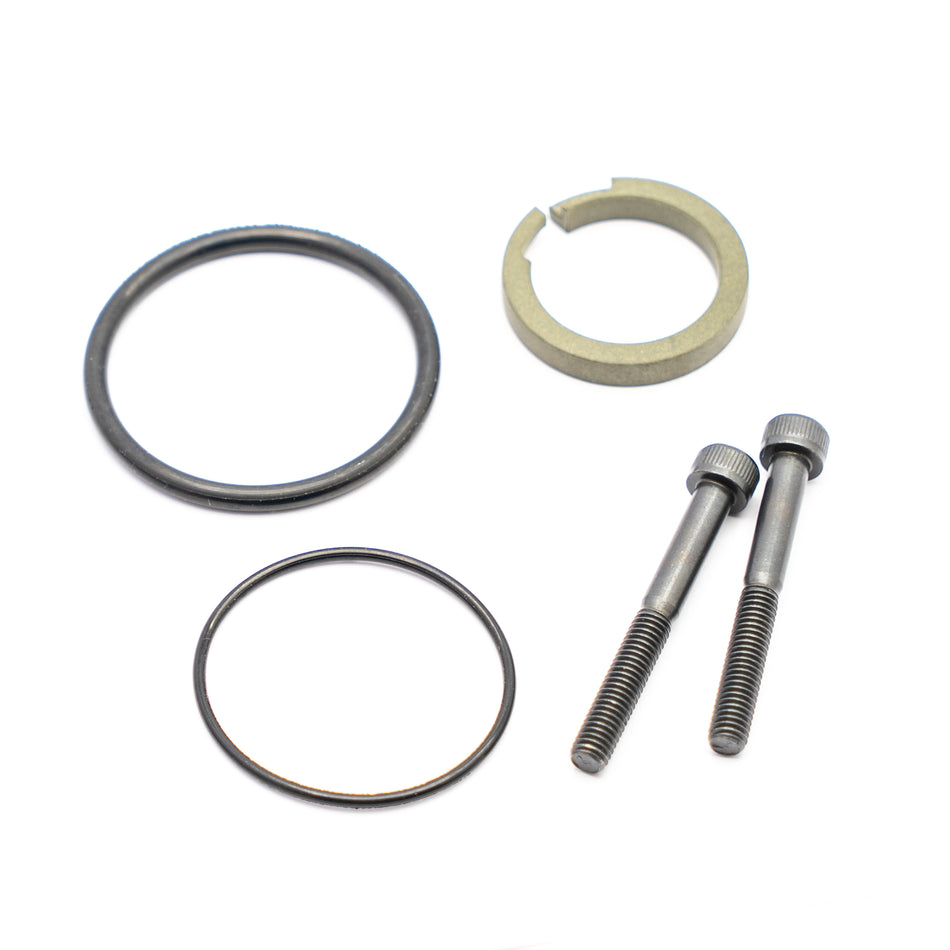
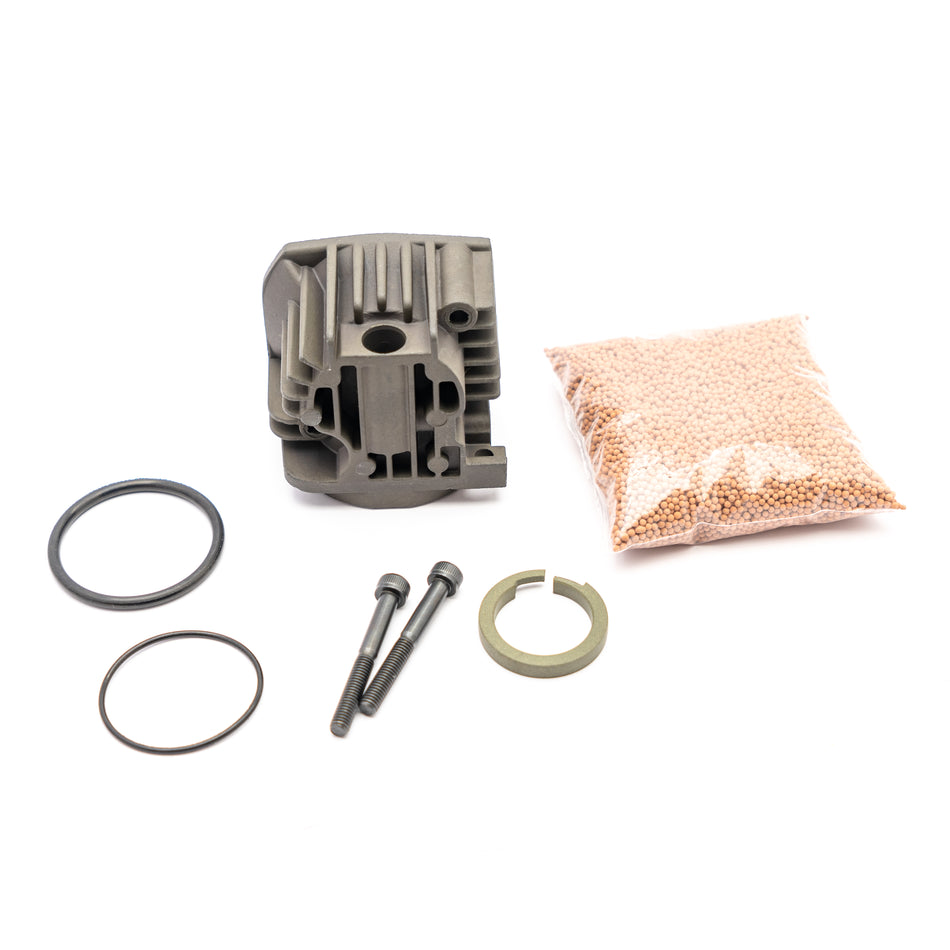
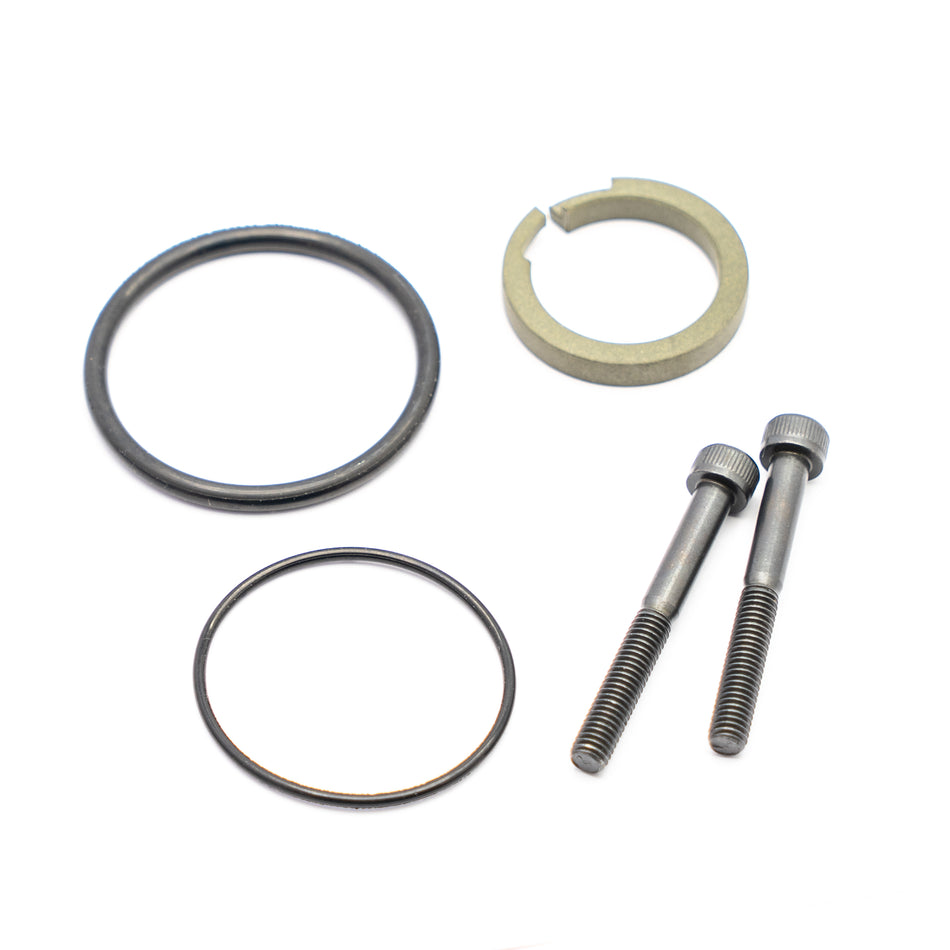
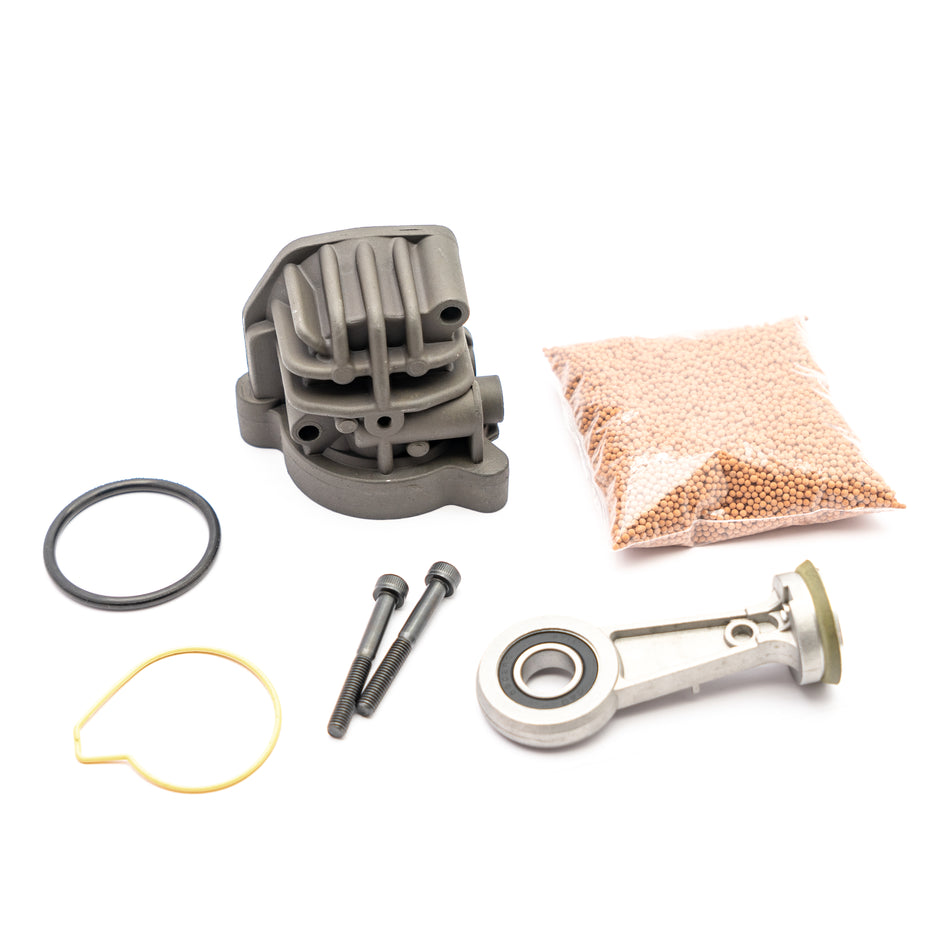
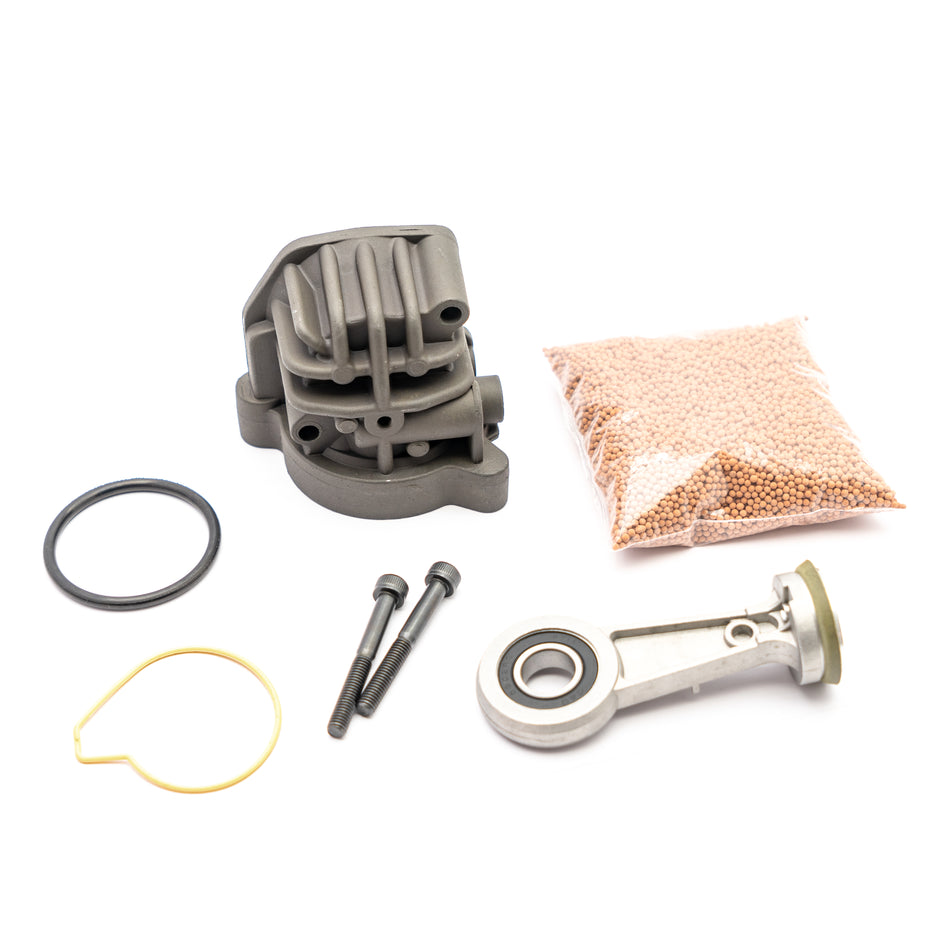
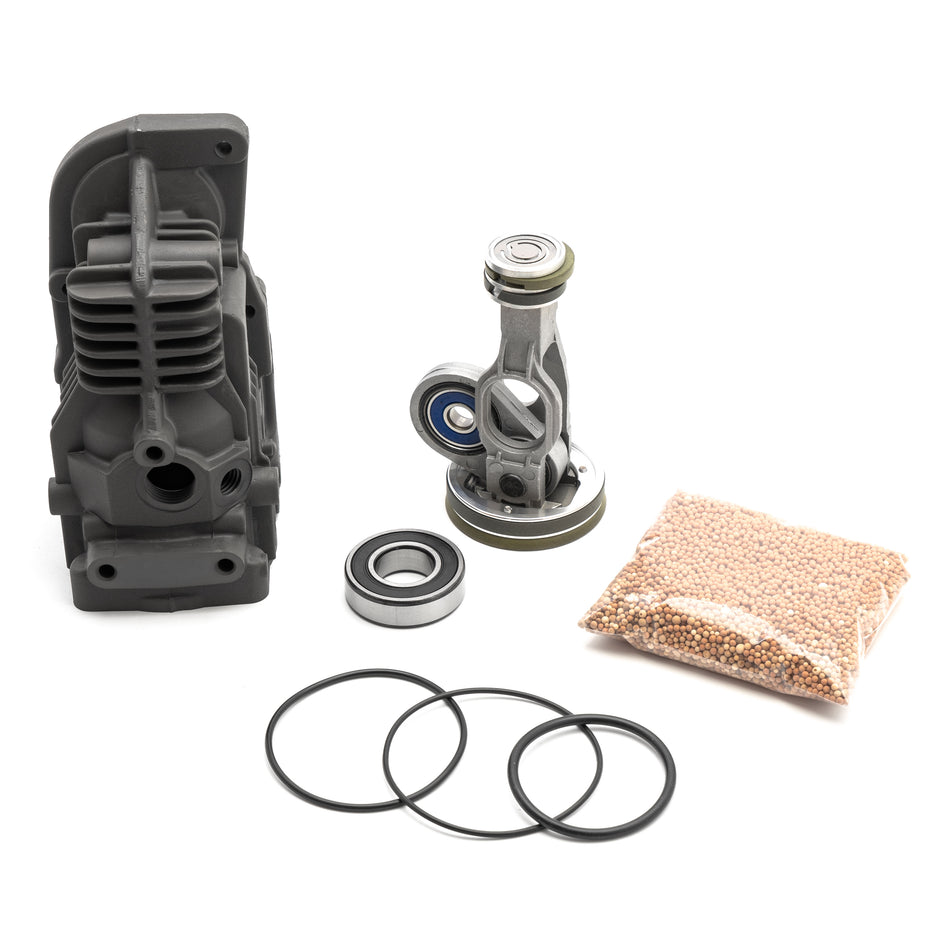
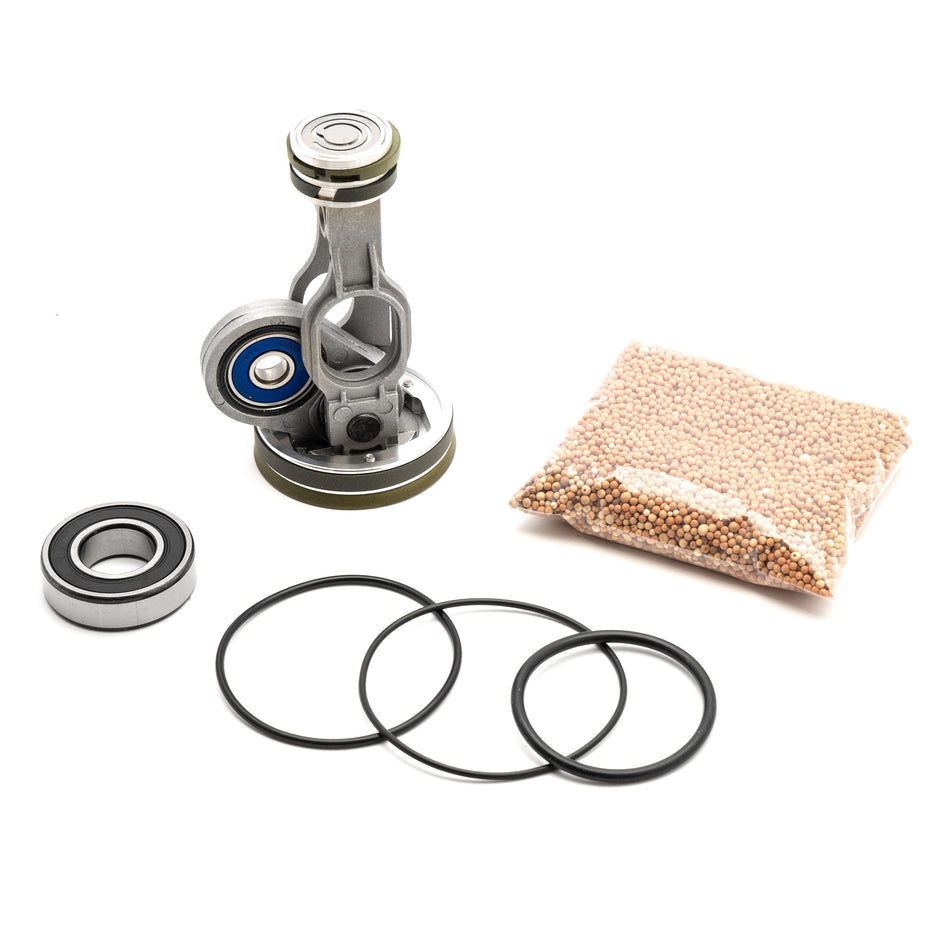
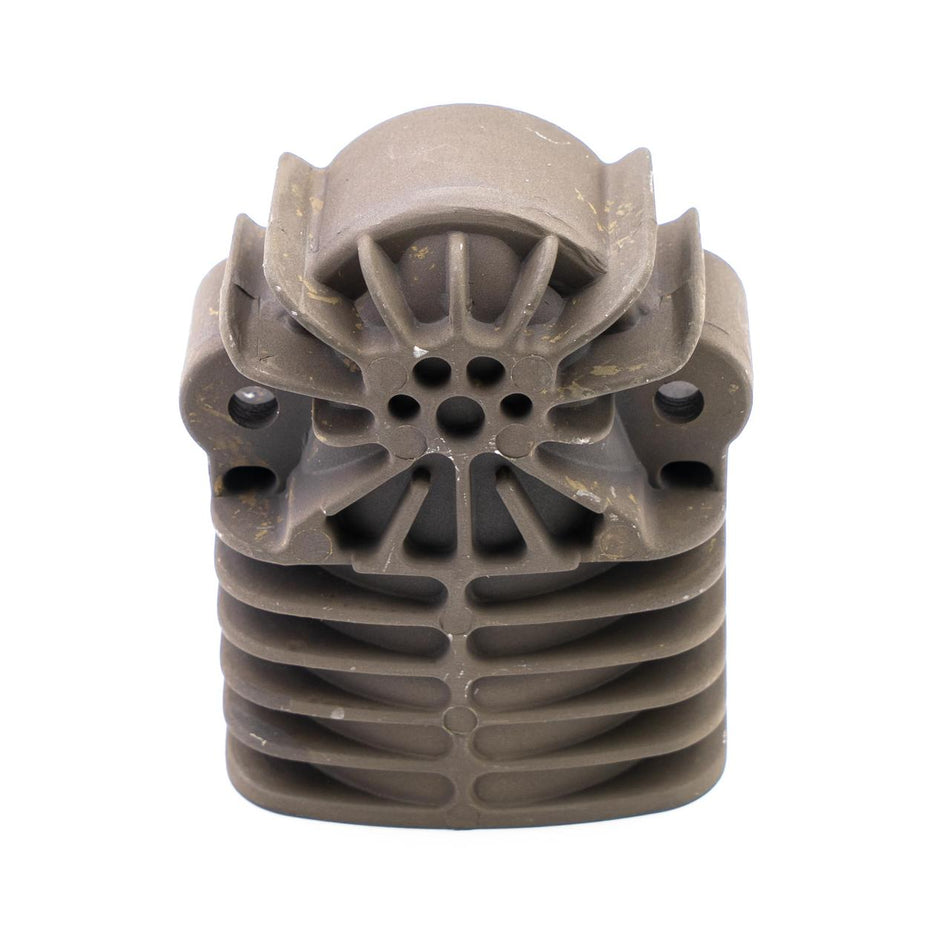
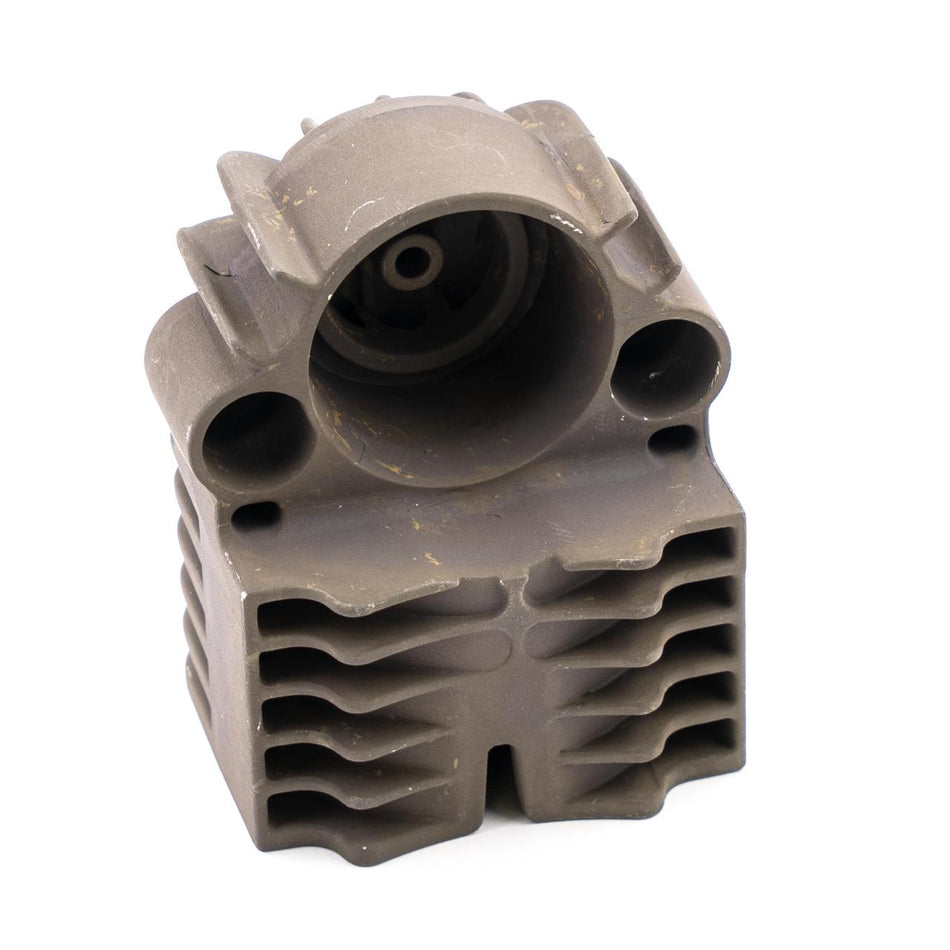
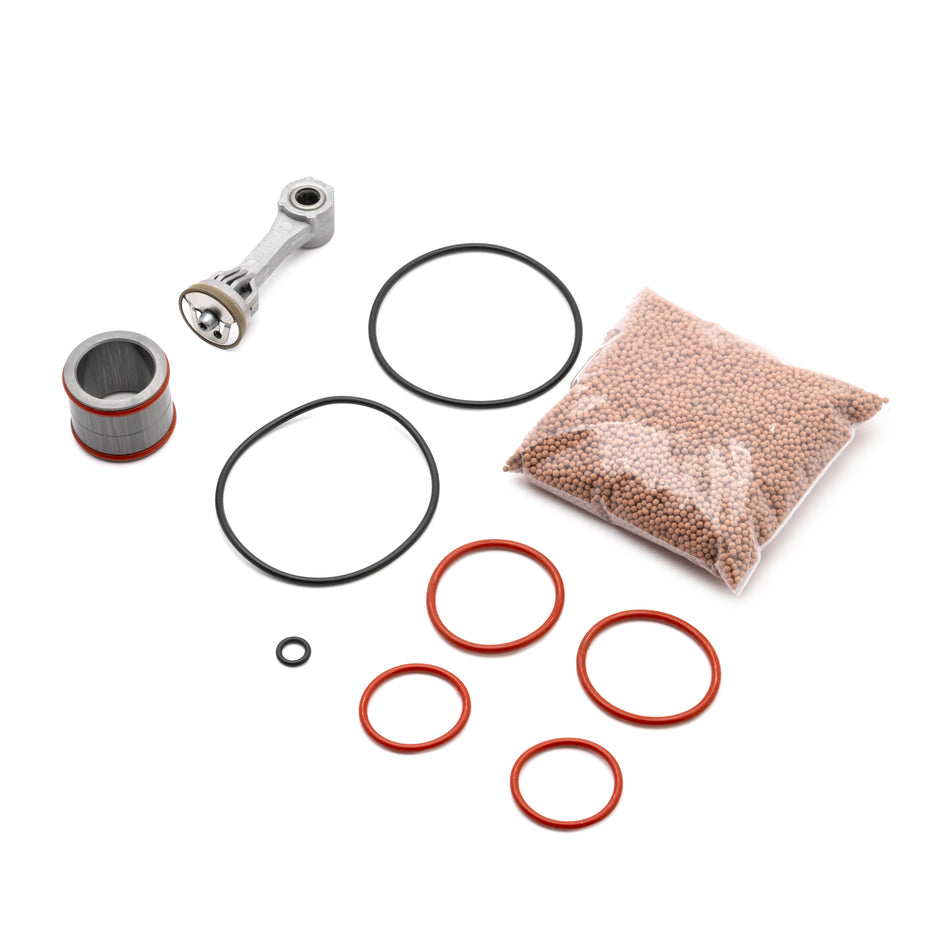
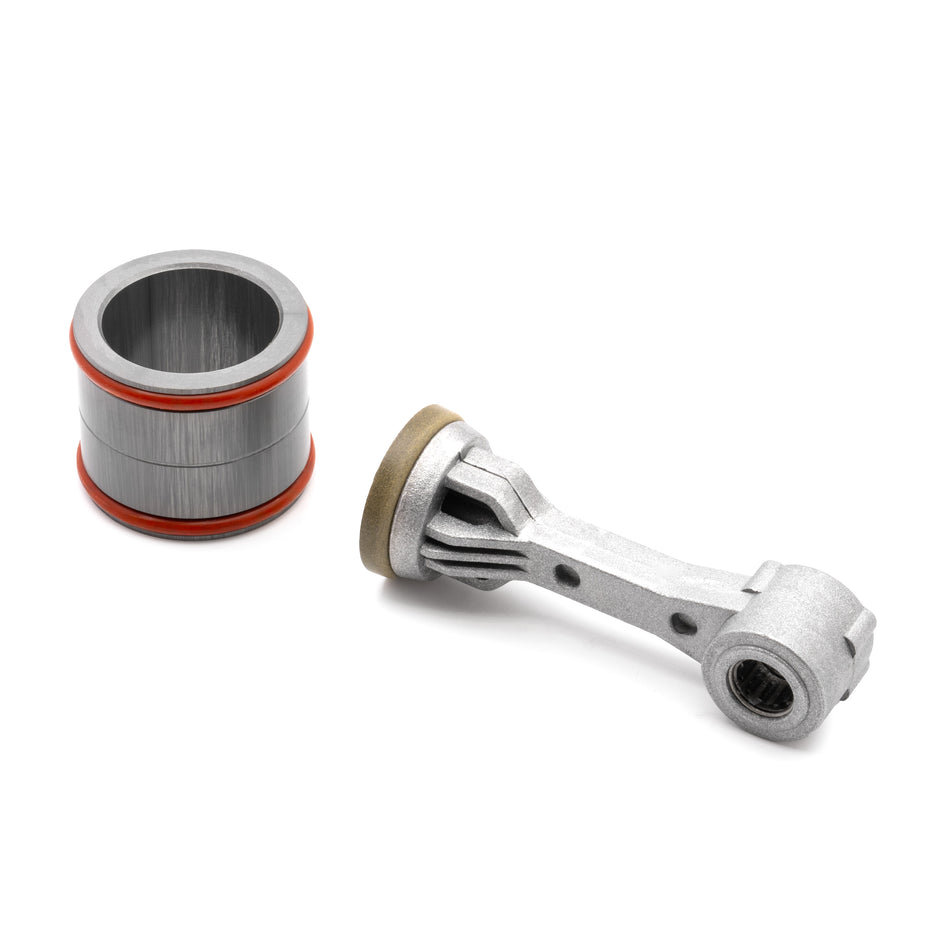
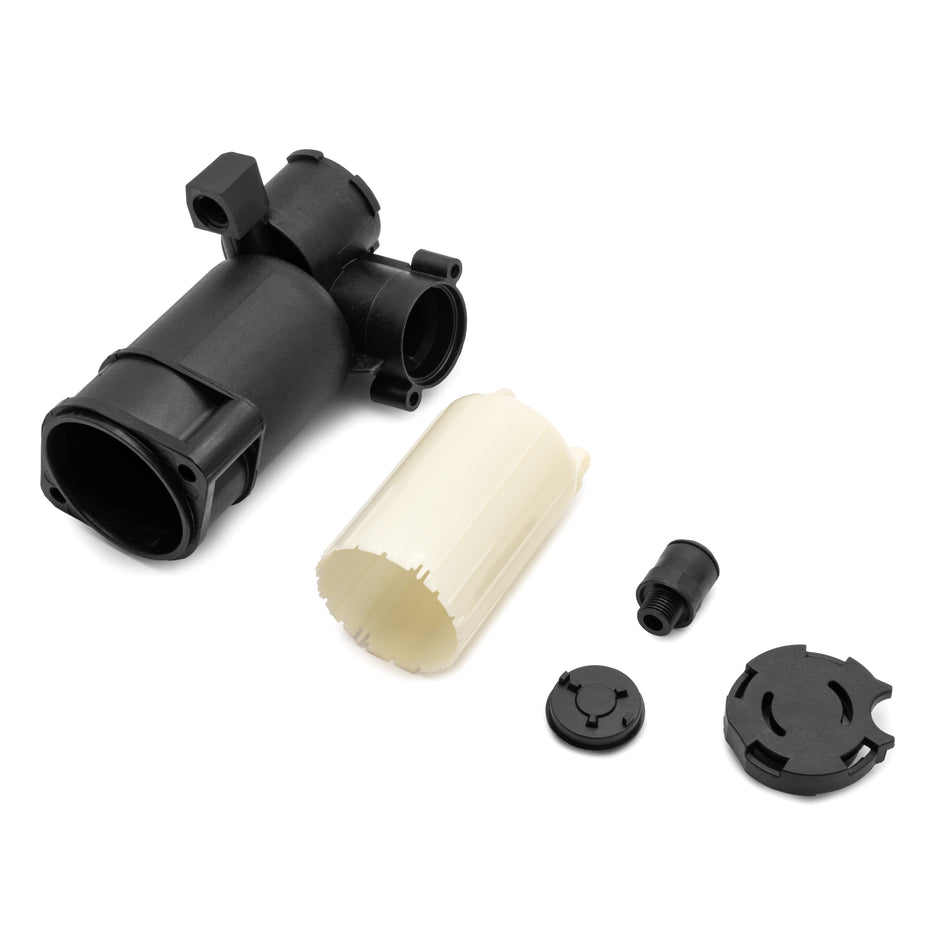
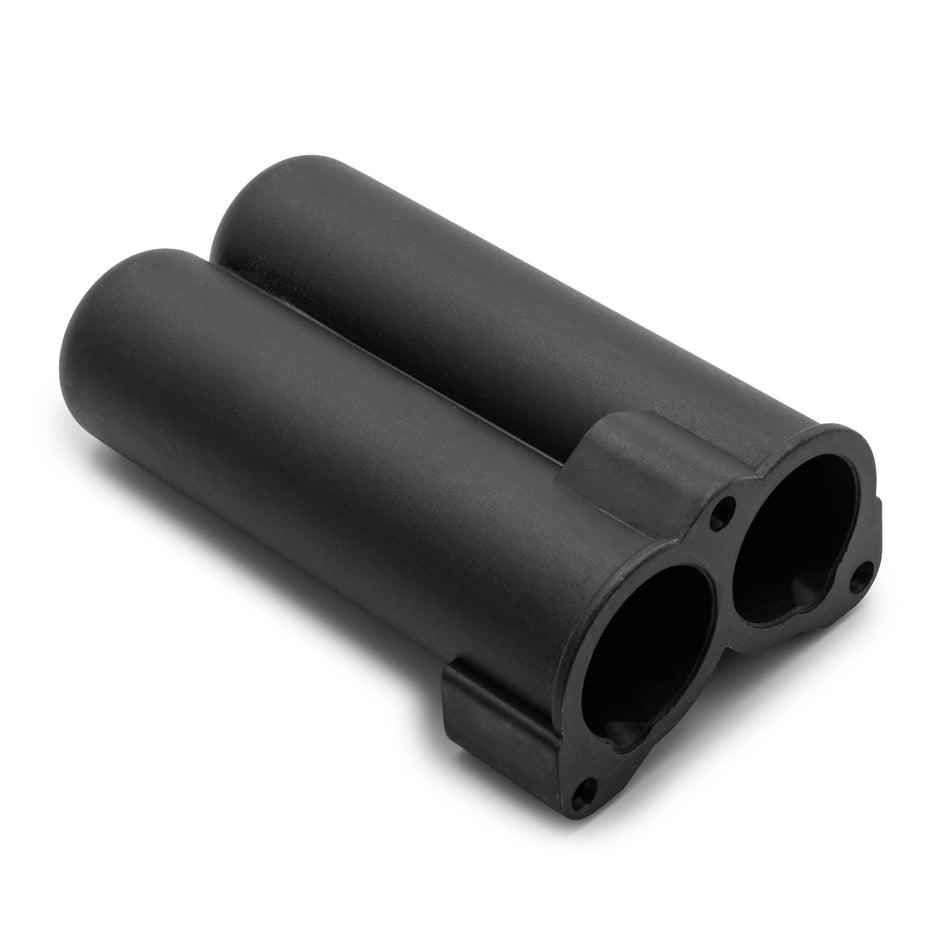
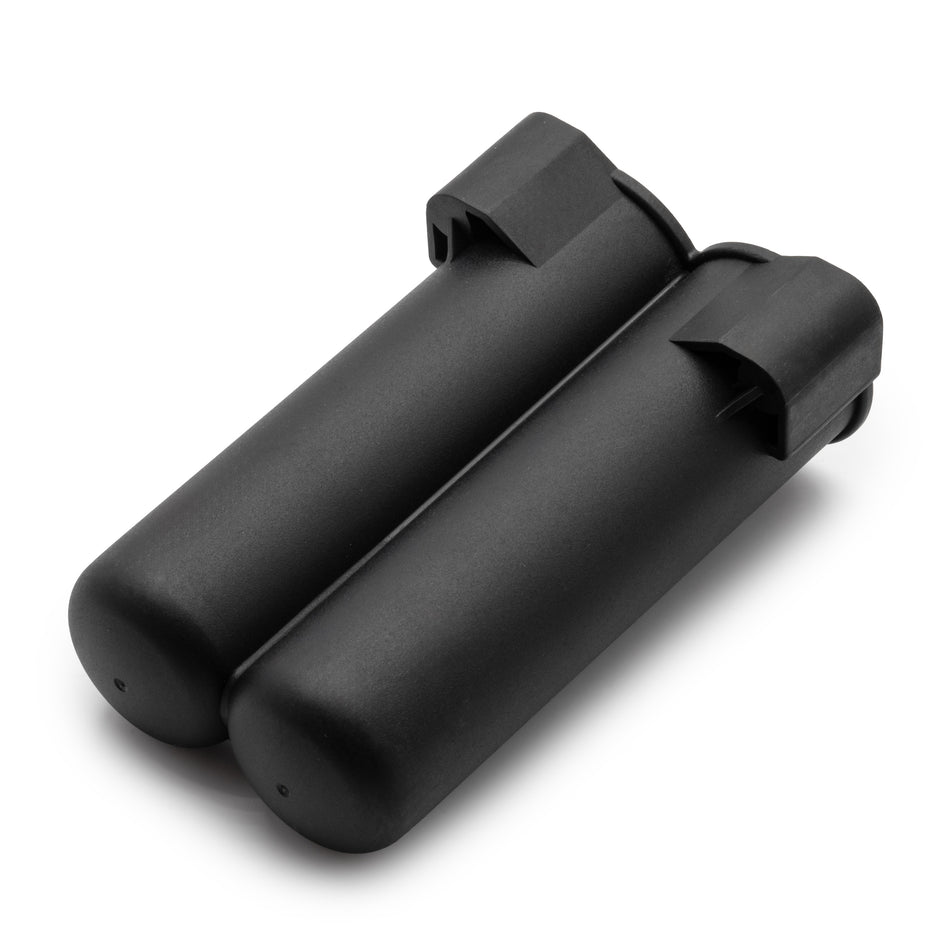
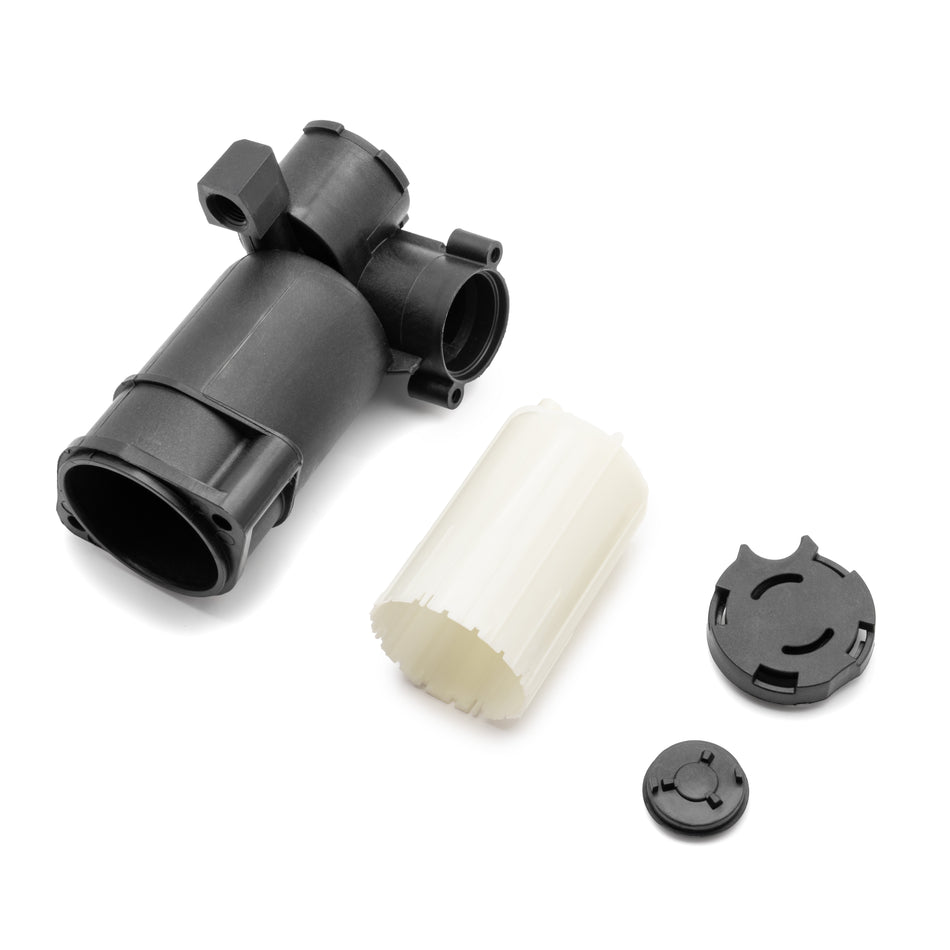
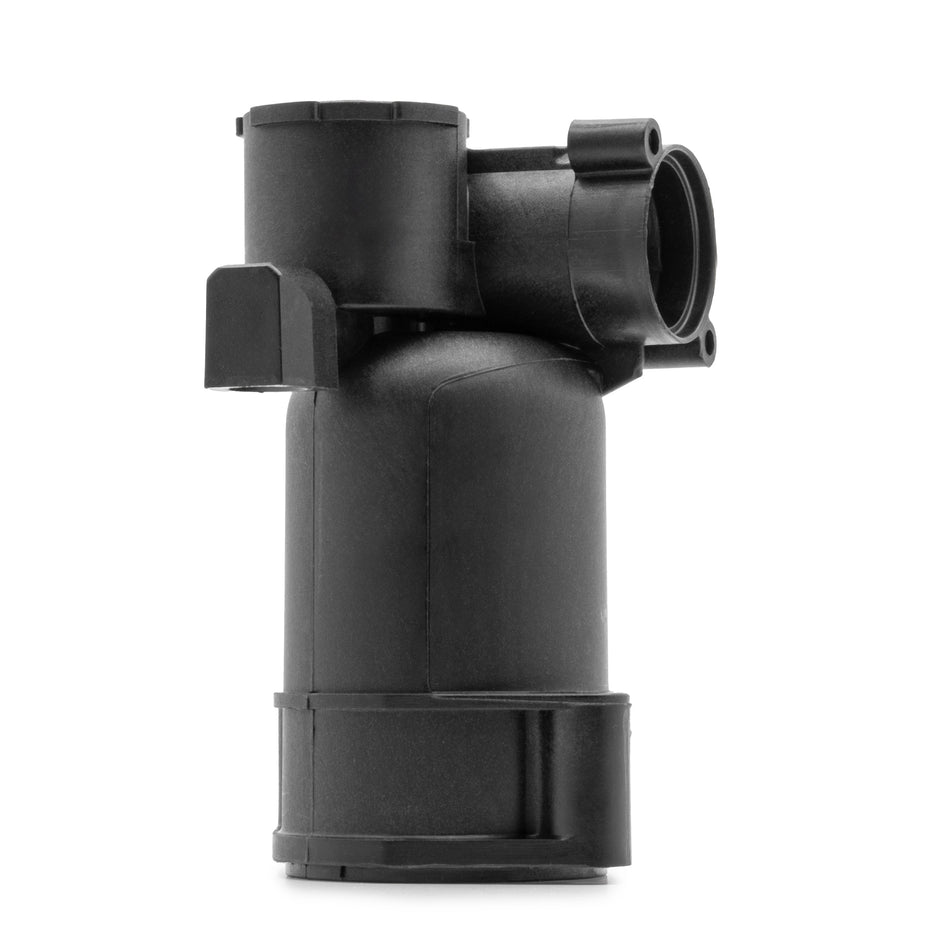
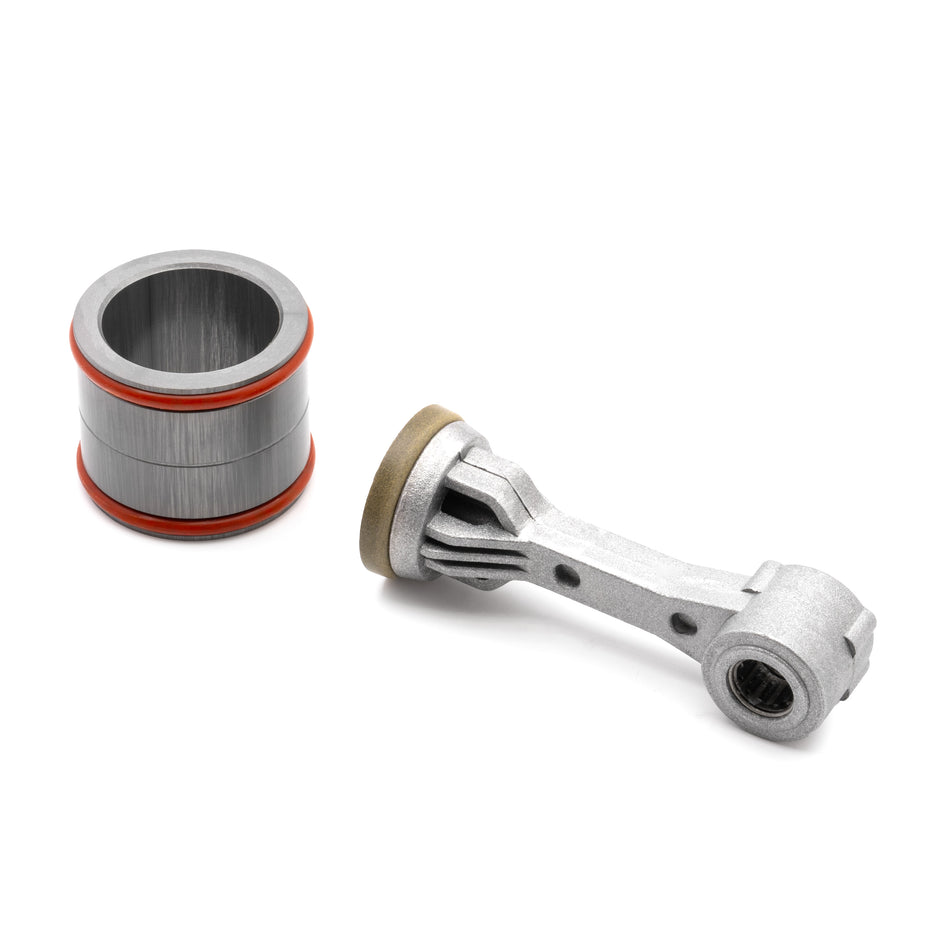
A second common repair is compressor failure. If the compressor pumps constantly and gets hot, the internal piston rings or bearings may have worn. An air suspension compressor kit or rebuild kit replaces wear items and often restores flow at a fraction of the cost of a new compressor. Rebuilding the compressor also tends to be faster for shops than sourcing a new OEM unit.
When to Consider a Full Kit or a Conversion
If your system shows multiple failing components, or if the car is older and original parts are fatigued, a full air suspension kit is a strong option. Full kits bundle airbags, a matching compressor and tank, a valve block, and the control module configuration needed to return to factory-style operation.
For custom builds or show cars, an air suspension conversion kit or a universal air suspension kit allows you to adapt air springs to nonstandard mounts. Conversions require thought about damping, alignment, and range of motion. If you are converting, plan for shock upgrades and proper mapping of the controller.
Performance and Towing Considerations
For towing and heavy loads, rear-specific kits perform well. A rear air suspension kit provides load leveling and keeps headlights and tow geometry in spec. For performance cars, consider a kit with tighter tolerances and faster fill times. Racing and aggressive street use benefit from components with reinforced vanes, improved valves, and a larger tank to cut compressor duty cycles.
Installation Realities
Air suspension installation is mechanical and electrical. Mounting brackets and top hats must match, lines must be routed away from heat and moving parts, and electrical connections to the controller must be secure. Leak testing with a soap solution or a dedicated leak detector is essential.
Prime the system by cycling the compressor and watching pressure readouts before you call the job complete. Calibrate height sensors and, where applicable, run a system learn using the vehicle’s diagnostic interface.
Maintenance That Extends Component Life
Change desiccant regularly and check the compressor inlet for dust and debris. Replace filters included in compressor kits. Inspect flex lines annually and watch for rubbing. Keep the tank drain valve functional if your system uses one. These small tasks cut moisture and contamination, which are the main causes of solenoid and valve block failures.
Choosing Components
Match the air spring diameter and stroke to the vehicle’s weight and travel. A poorly sized spring will bottom out or overextend. For compressors, select one with adequate flow for the vehicle and the tank volume. When evaluating kits, favor parts that list materials and test standards. Reinforced rubber with fabric cords, zinc-plated fittings, and valves rated for automotive duty are indicators of quality.
Cost Versus Value
A low price might be tempting, but think long-term. A cheap bag can fail quickly and allow water into the system, causing repeated repairs. A mid-range kit with proper seals, a decent compressor, and a good valve block often offers better value over time. For conversions, include shock replacements and alignment costs in your budget.
Safety and Legal Notes
Air systems change vehicle height and handling. In some regions, ride height limits or lighting aim regulations apply. After major changes, verify vehicle alignment, headlight aim, and local road rules. If the system interacts with braking or stability systems, confirm compatibility and test on a safe road.
Additionally, remember to retain a record of any modifications for inspections or resale. Some states require inspections after air suspension parts changes, so check local regulations before driving on public roads. Also consider insurance implications and disclose modifications where required to avoid claim problems.
Klifex Air Suspension Kits
Klifex supplies a broad selection of air suspension parts and complete air suspension kits tailored to U.S. workshops and DIYers. We stock compressor repair kits, valve blocks, desiccant cartridges, piston rings, and model-specific air springs for popular BMW platforms and other European makes.
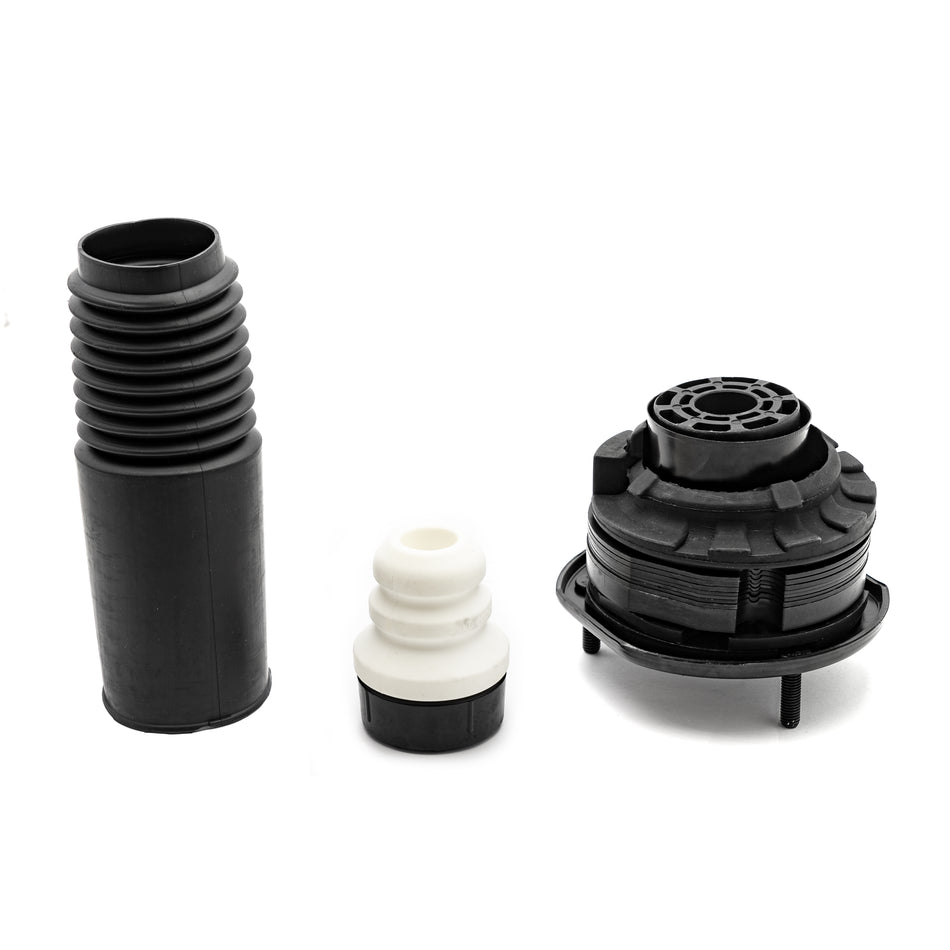
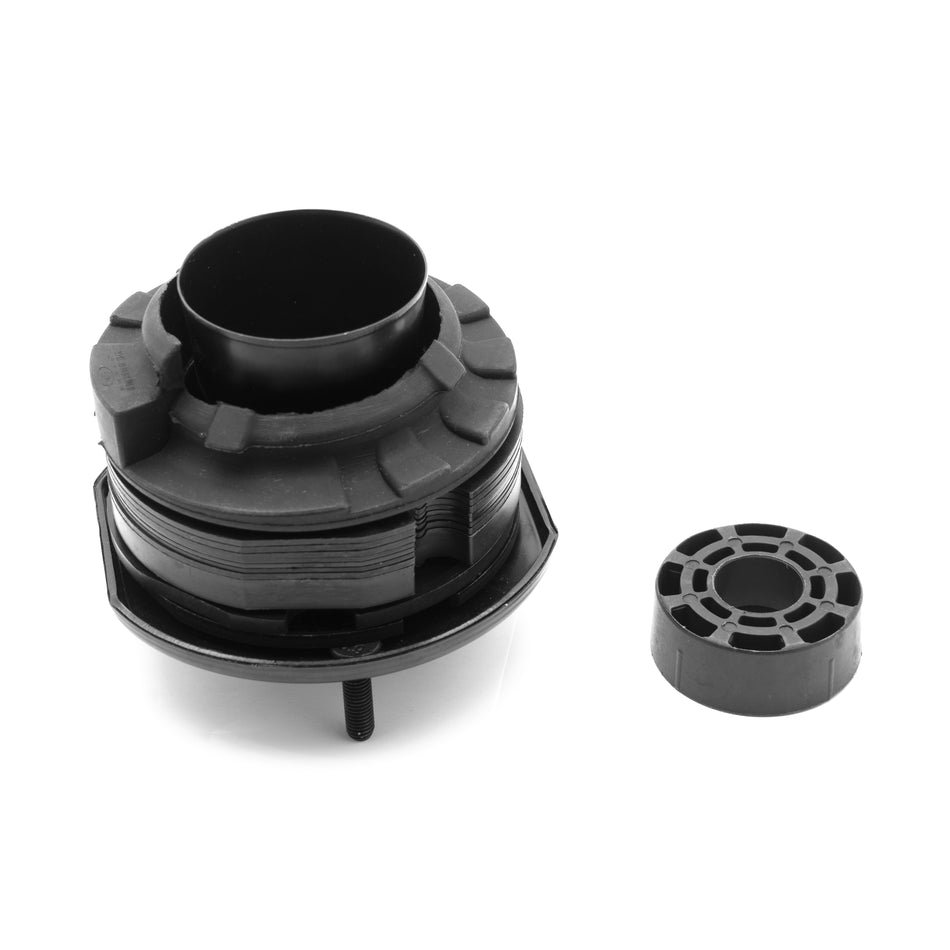
For BMW owners, the usual suspects are Wabco-style compressors, valve block modules, and the air spring mounts on 5- and 7-series cars. Klifex can also offer and recommend part combinations for BMW chassis, like E60, F11, G30, and so on. Our US-based inventory means faster turnaround.
Why Klifex Helps
Quality parts reduce callbacks and downtime. Klifex checks the kit contents to make sure seals, fittings, and valve components match vehicle requirements. When you buy a full air suspension kit or a targeted rebuild pack, you get a parts list that works together.
For custom jobs, Klifex offers universal air suspension kit options and the fittings and brackets needed for conversions, so you do not end up fabricating small parts on the fly. Every kit ships from U.S. distribution centers, which keeps lead times short for shops and owners across the country.
Order an air suspension conversion kit or a specific air suspension compressor kit directly from the Klifex catalog. Each product page lists compatible models and part cross-references.