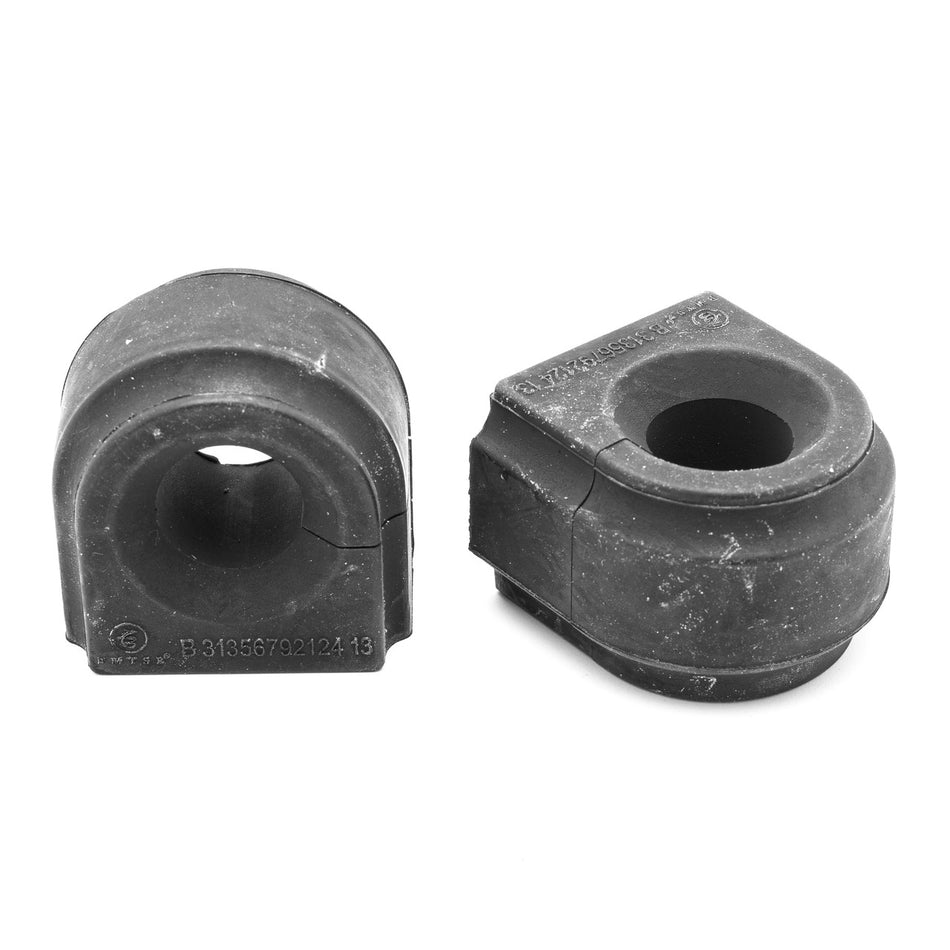
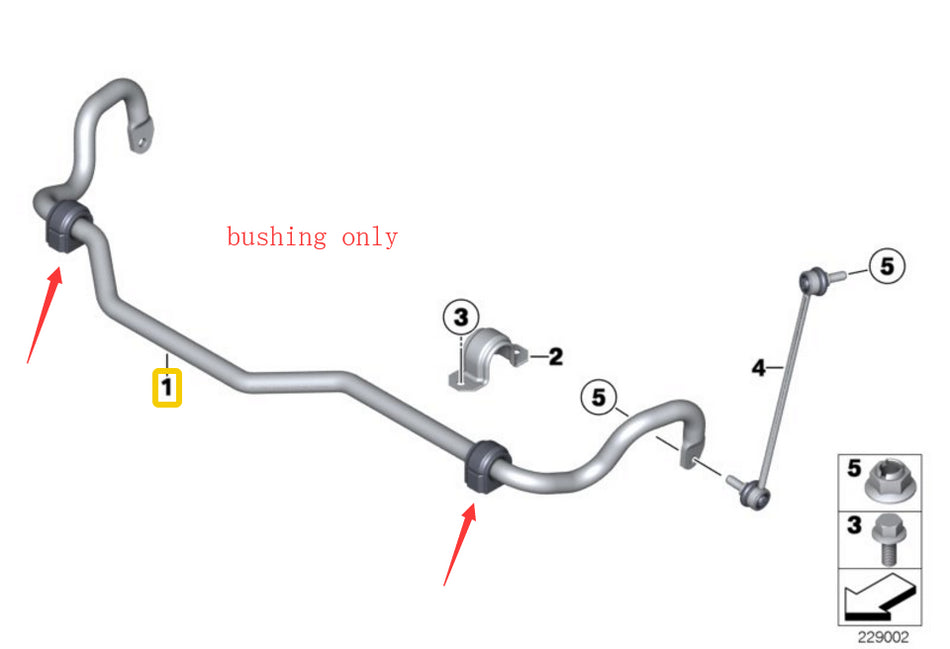
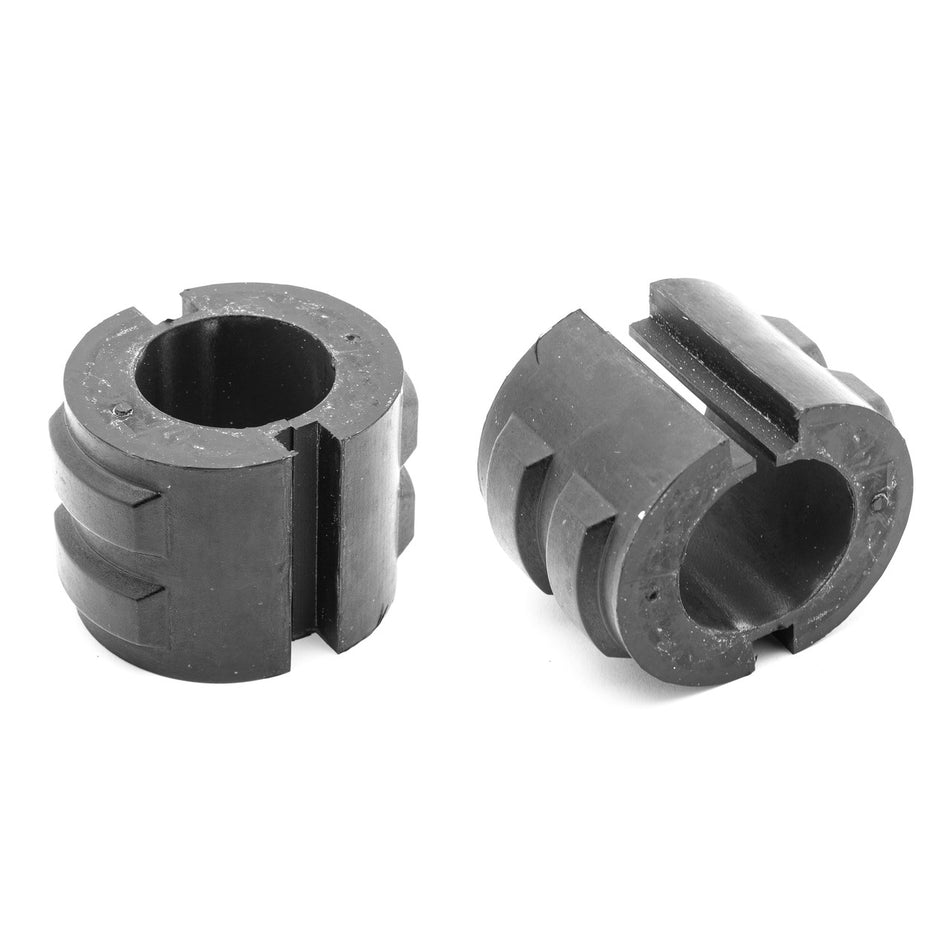
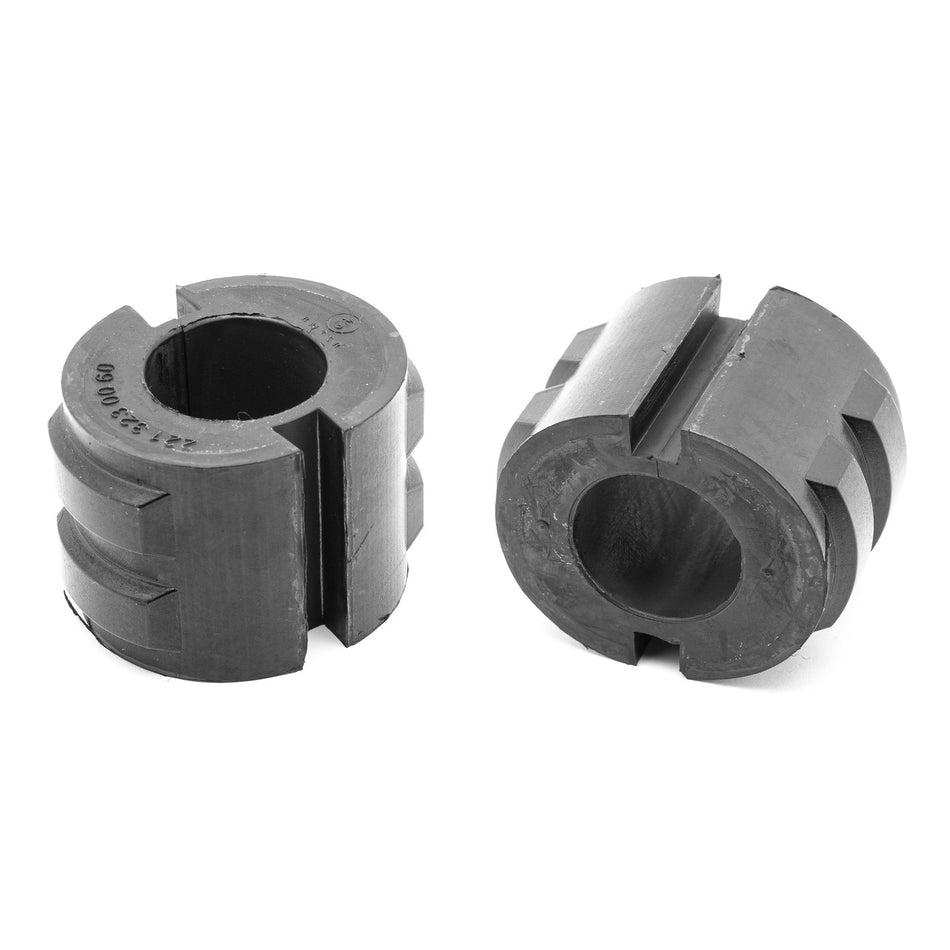
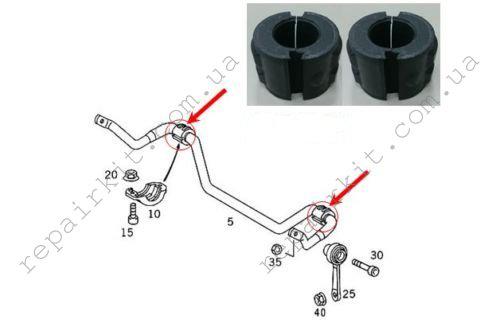
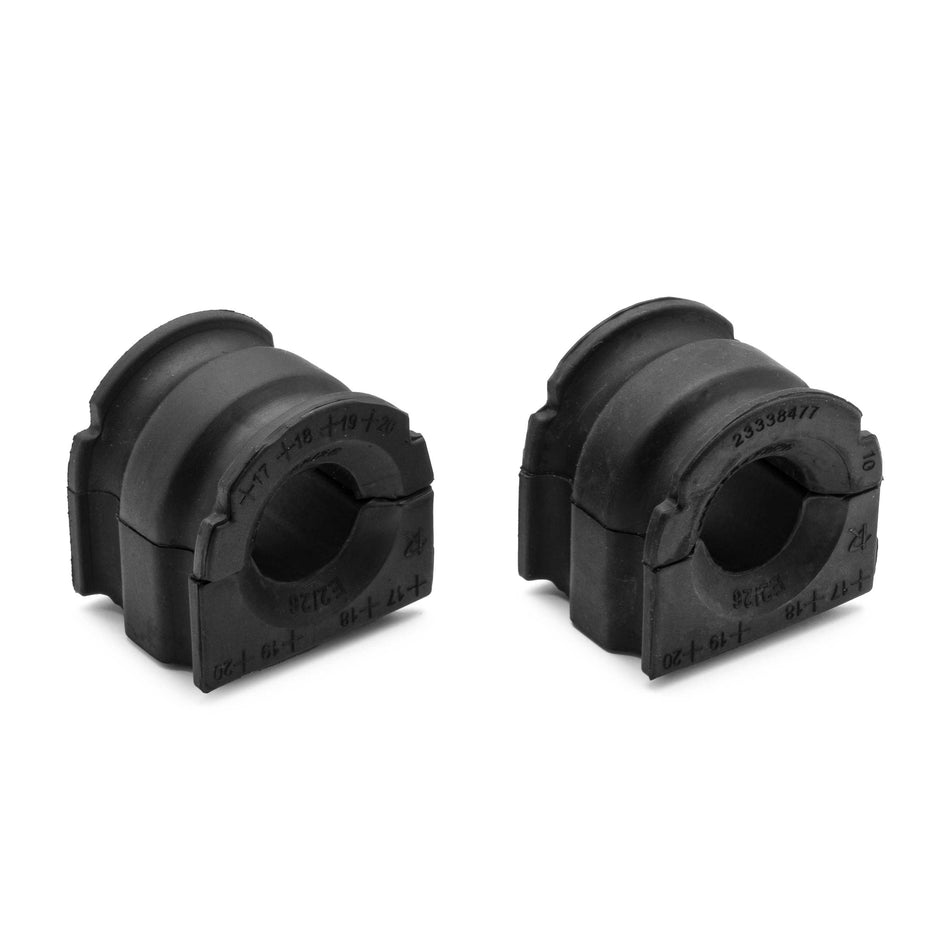
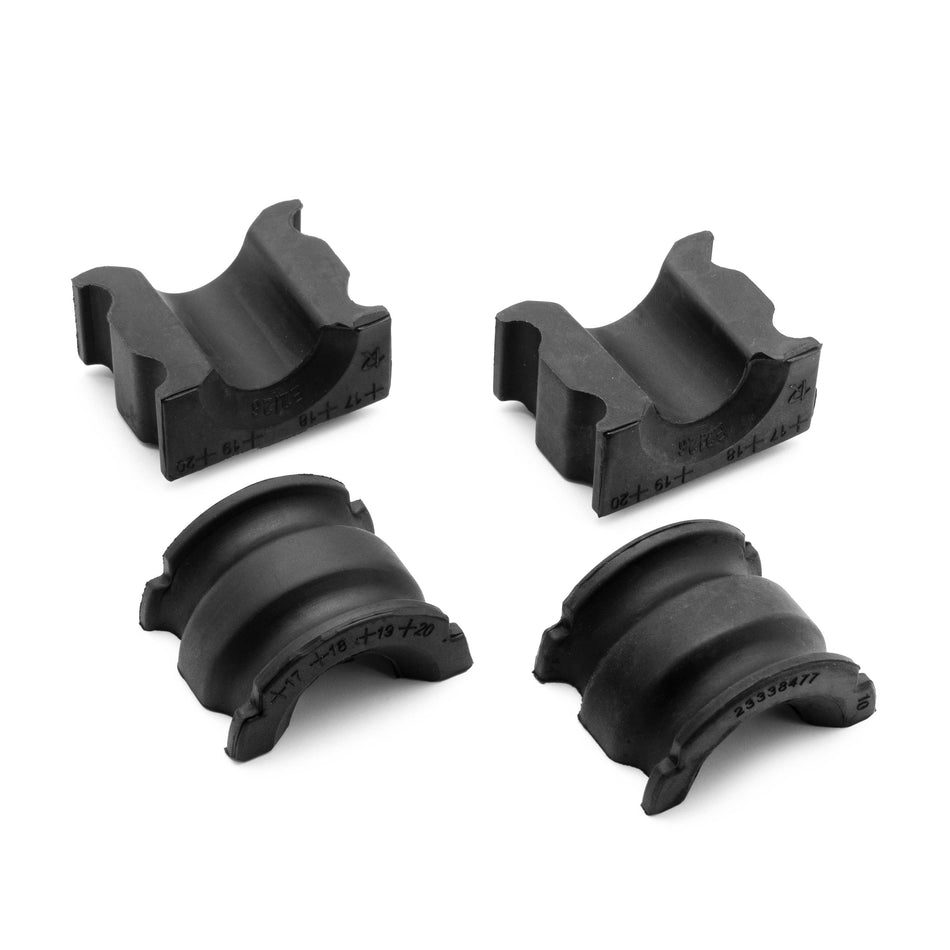
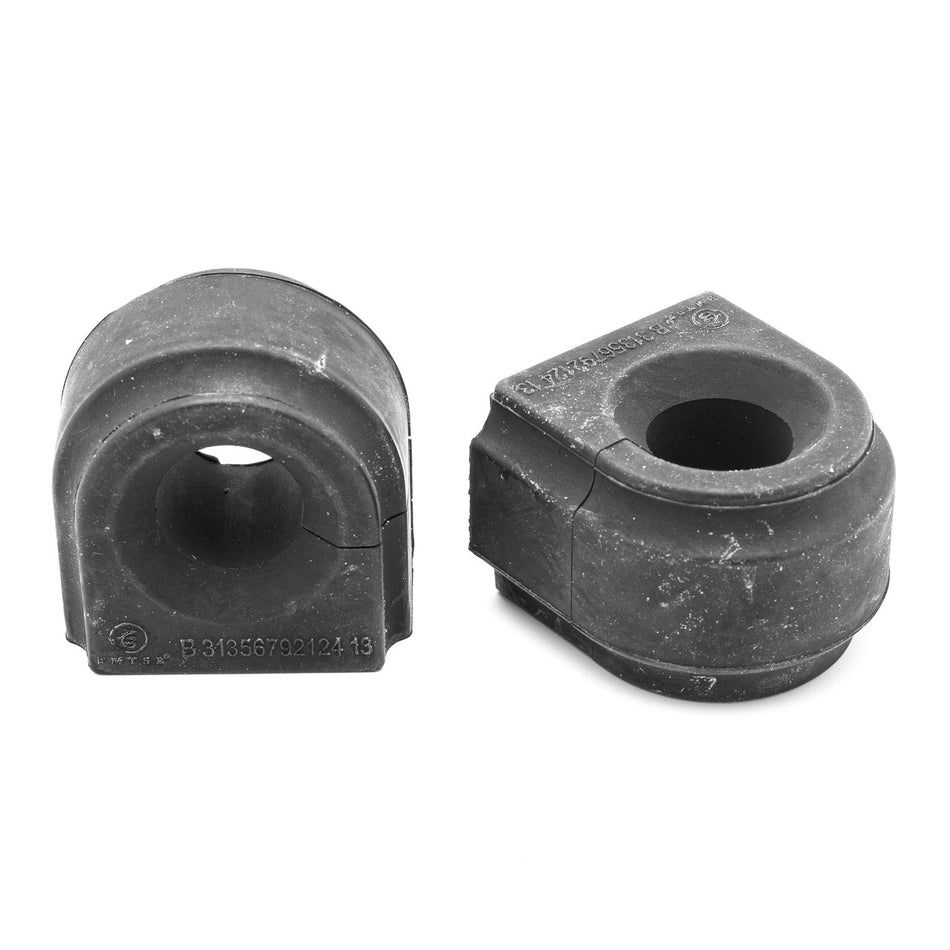
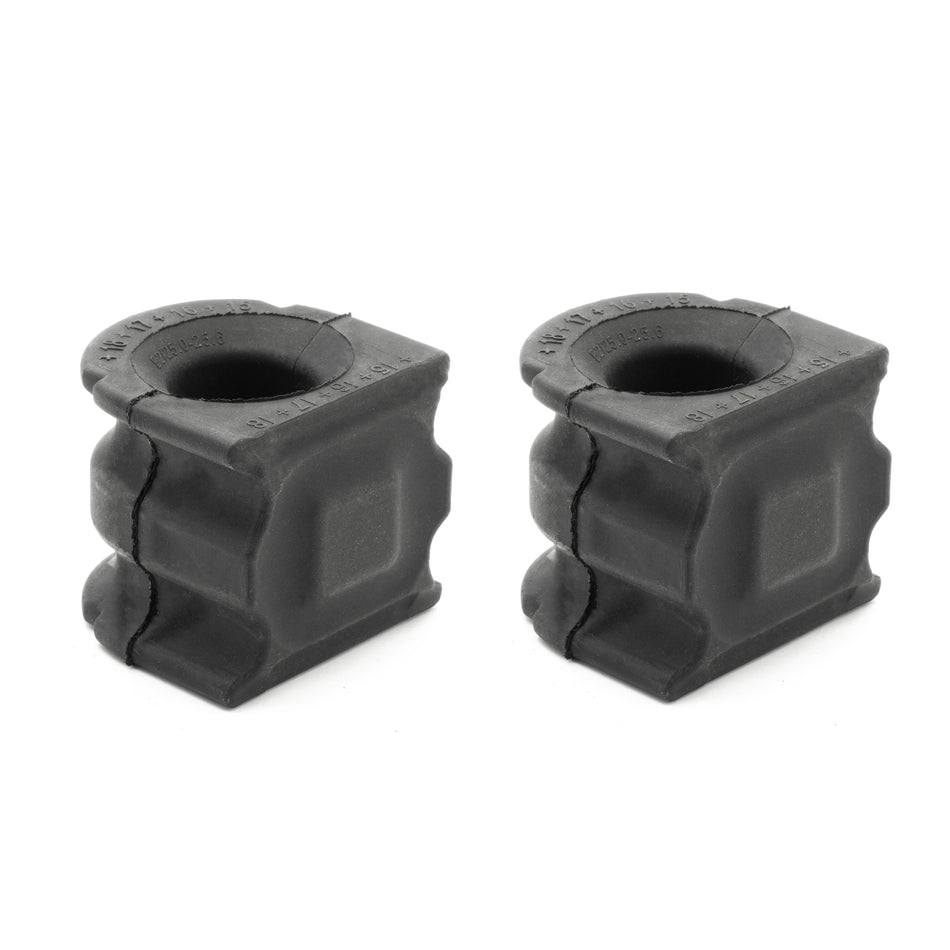
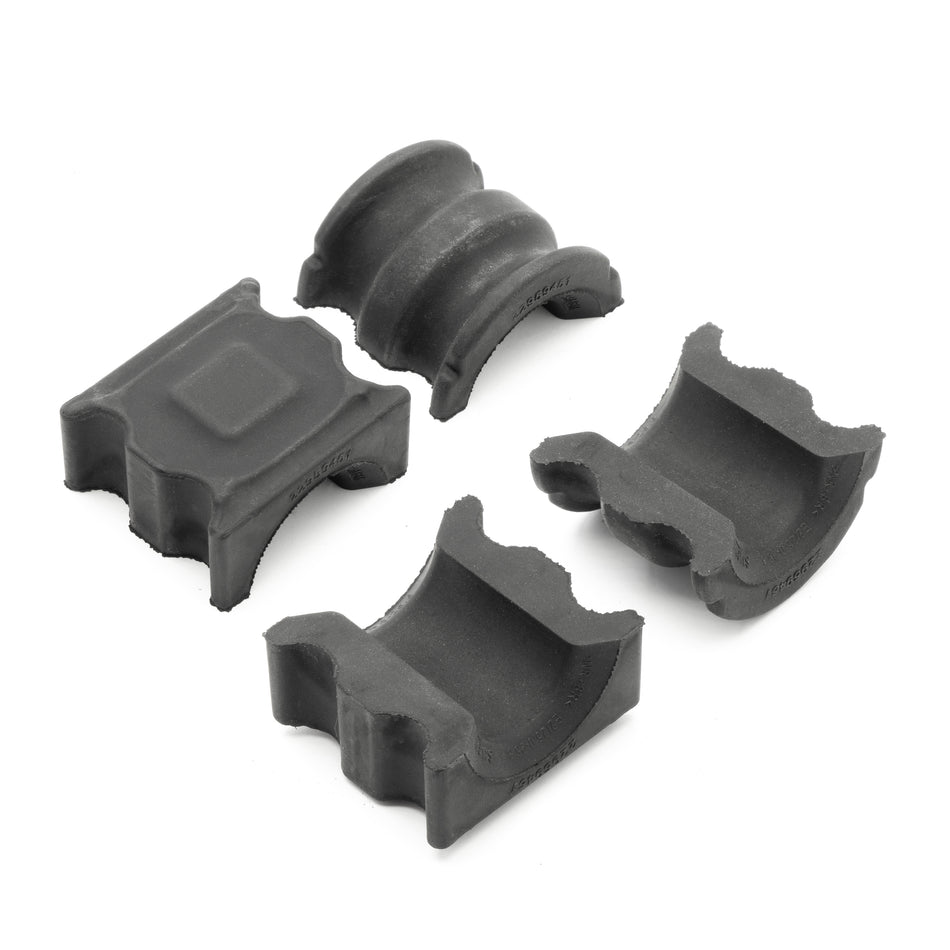
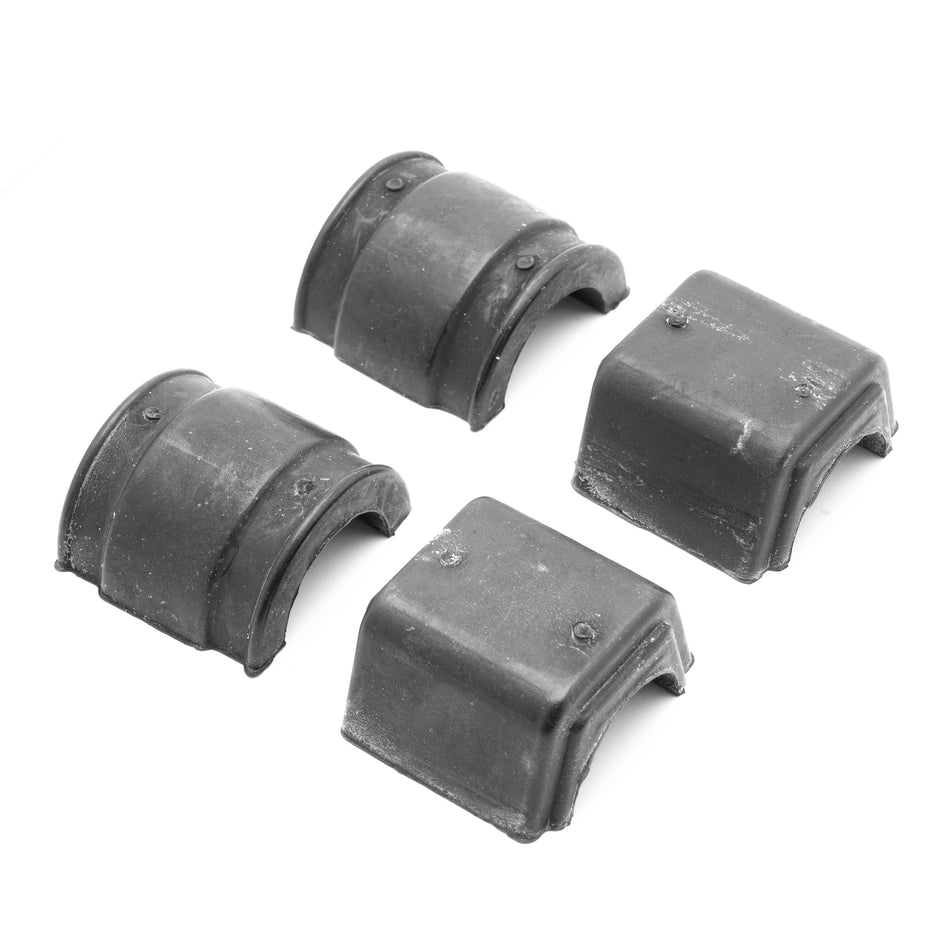
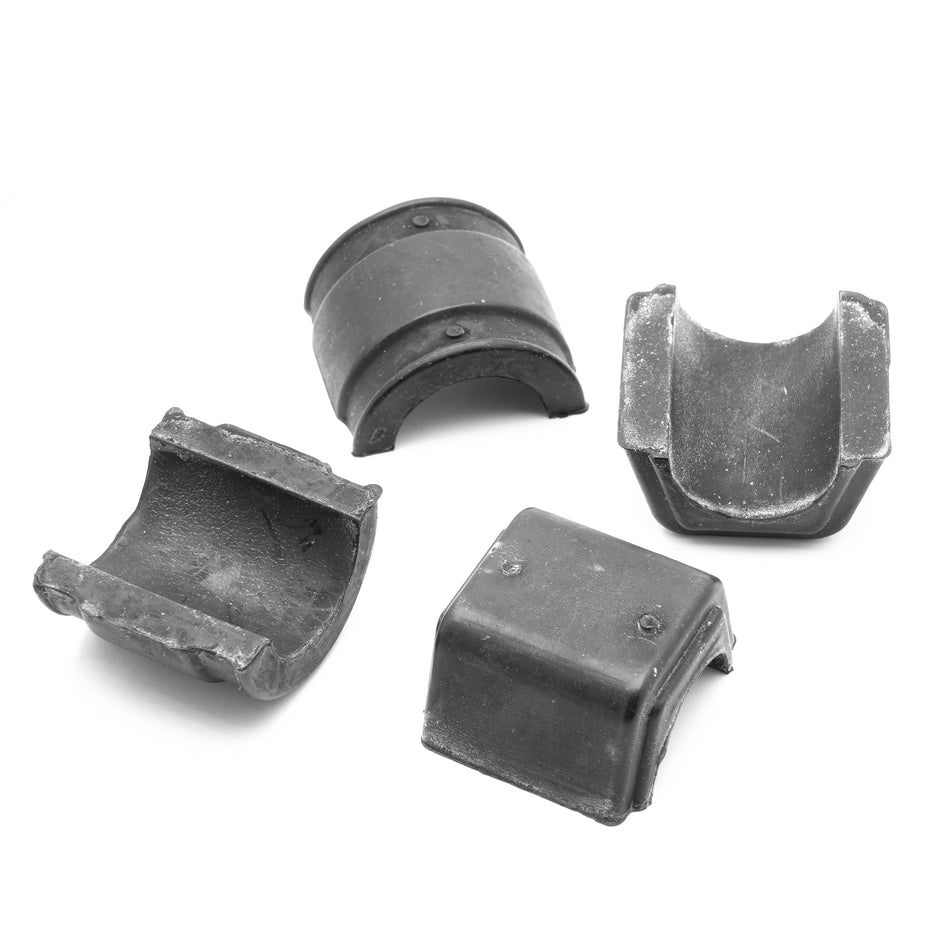
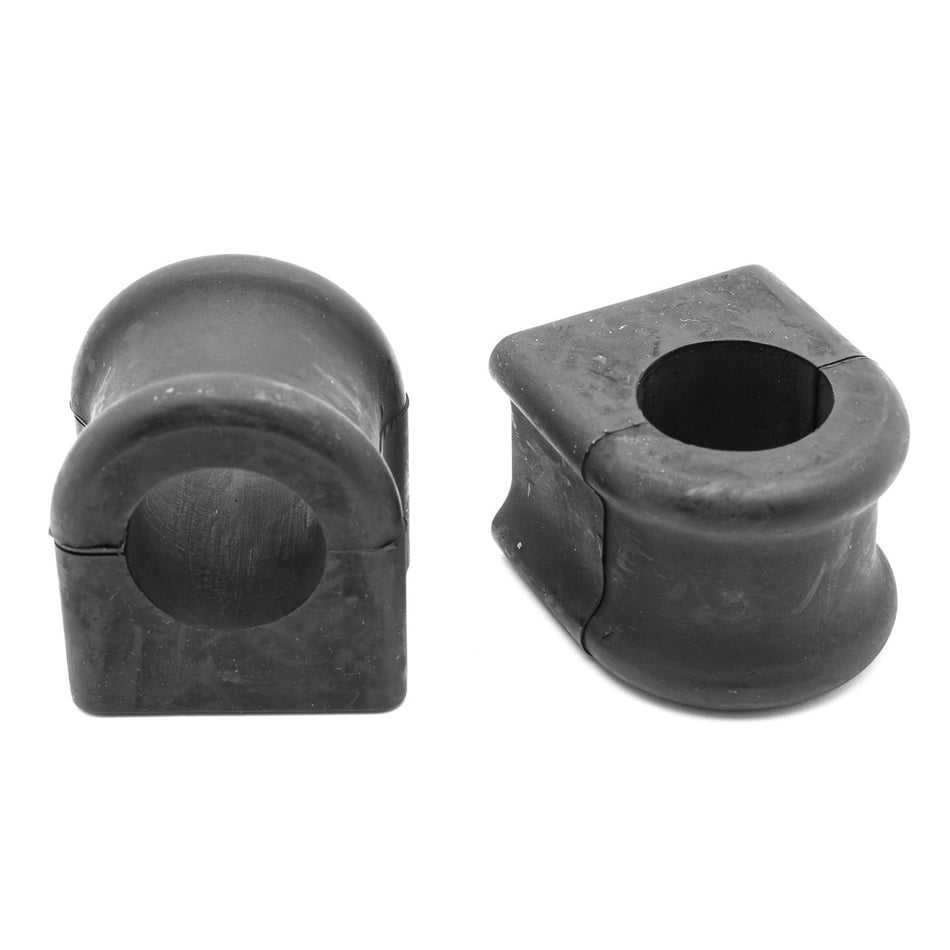
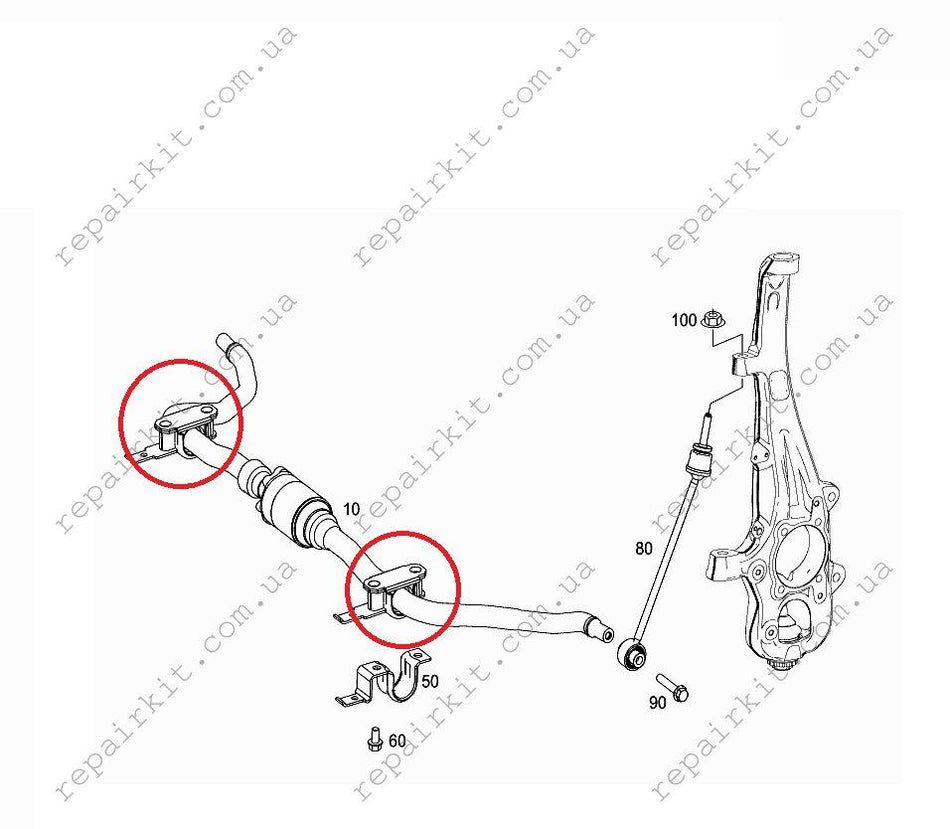
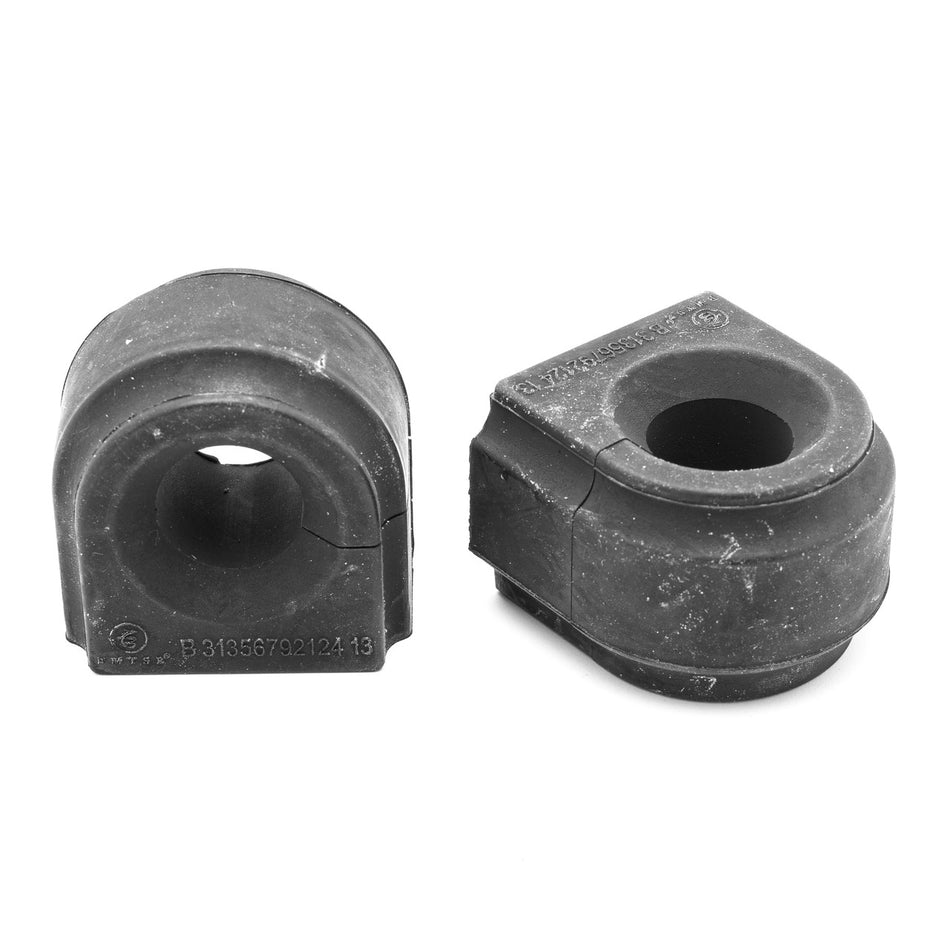
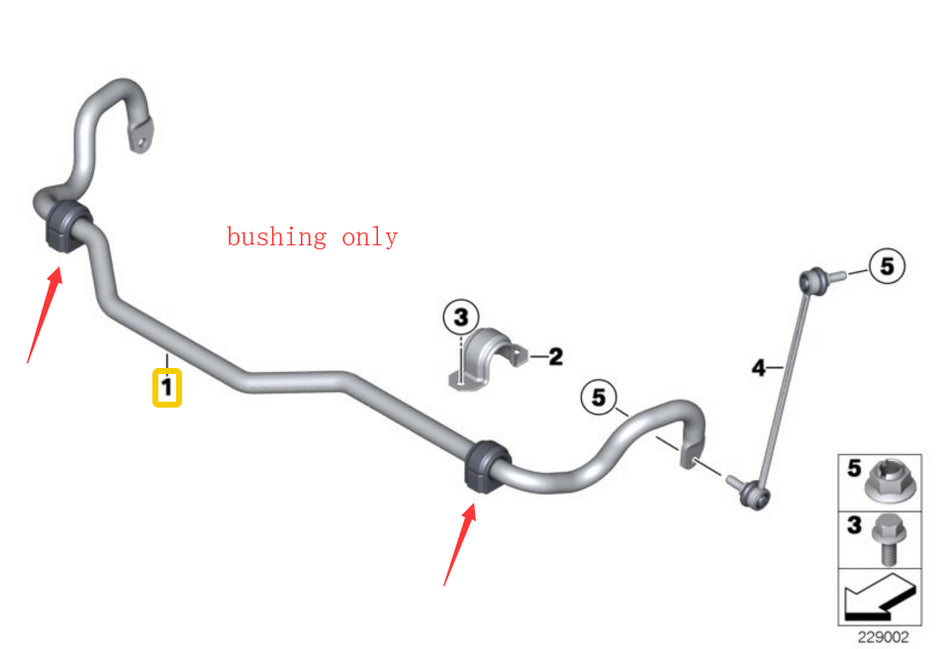
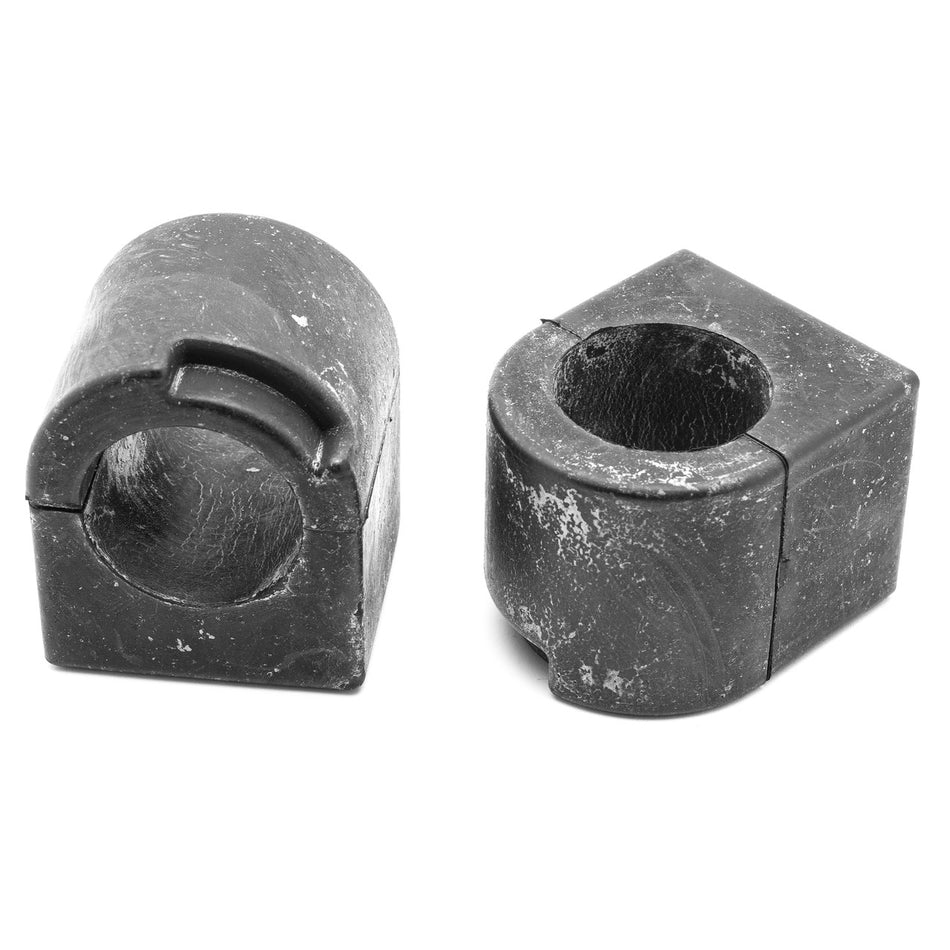
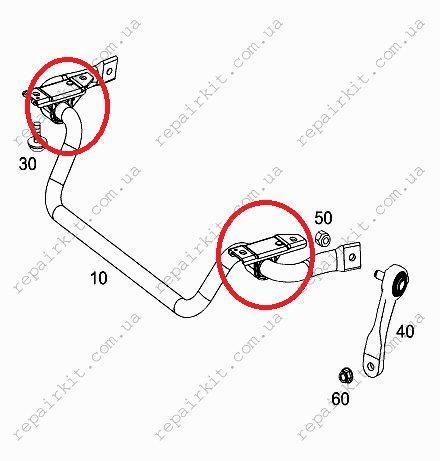
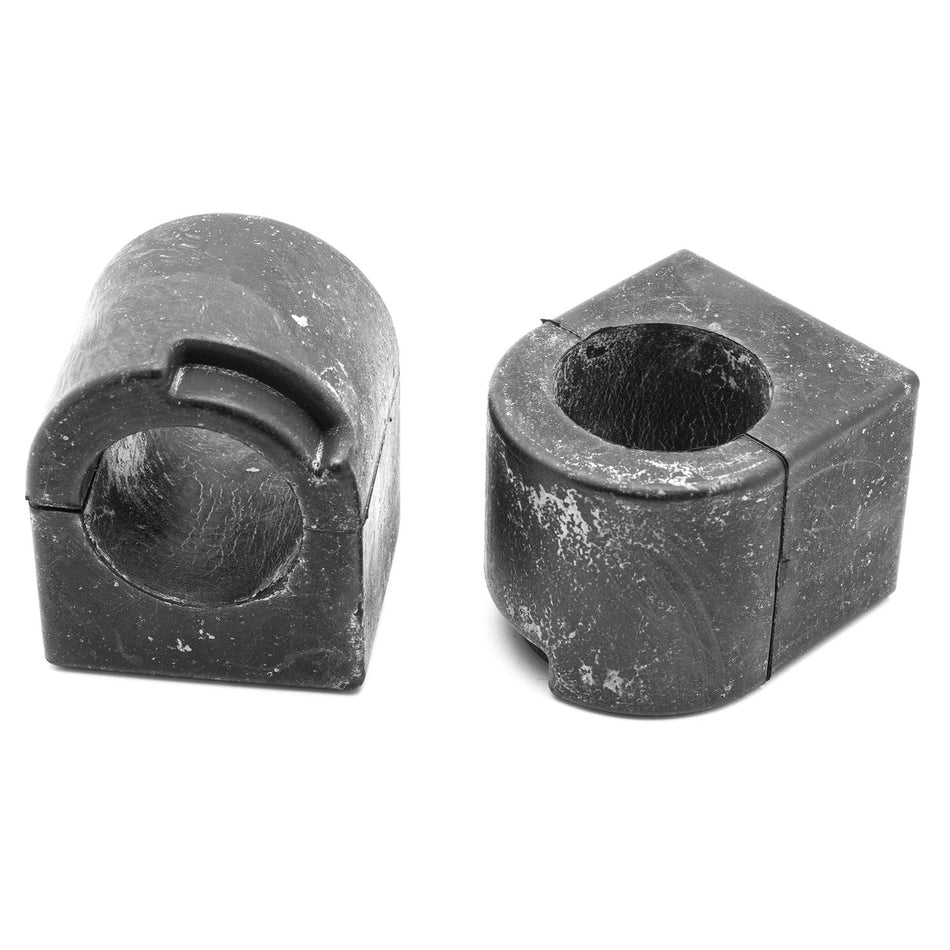
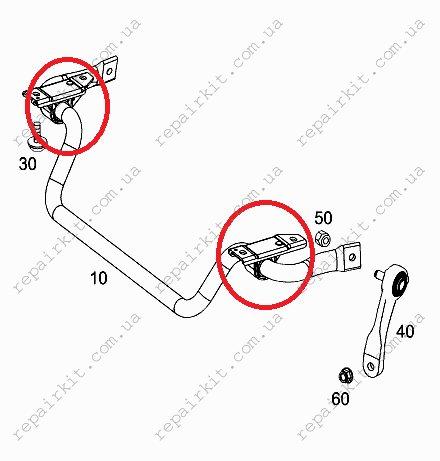
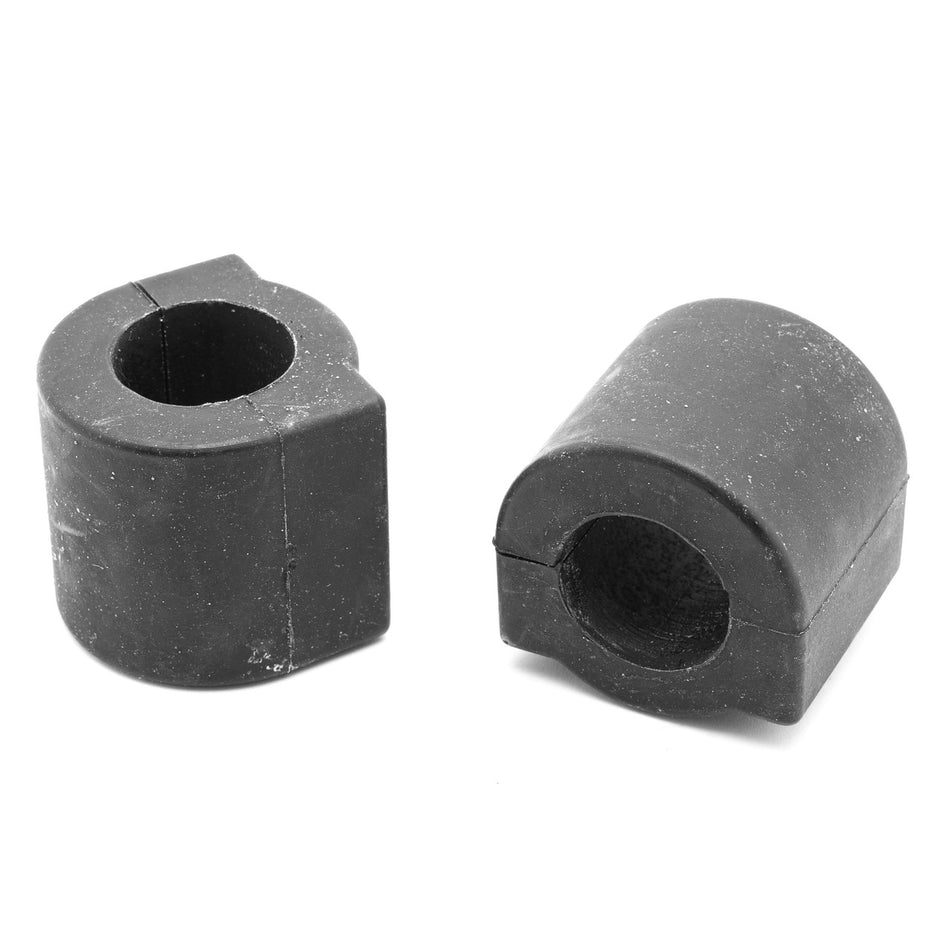
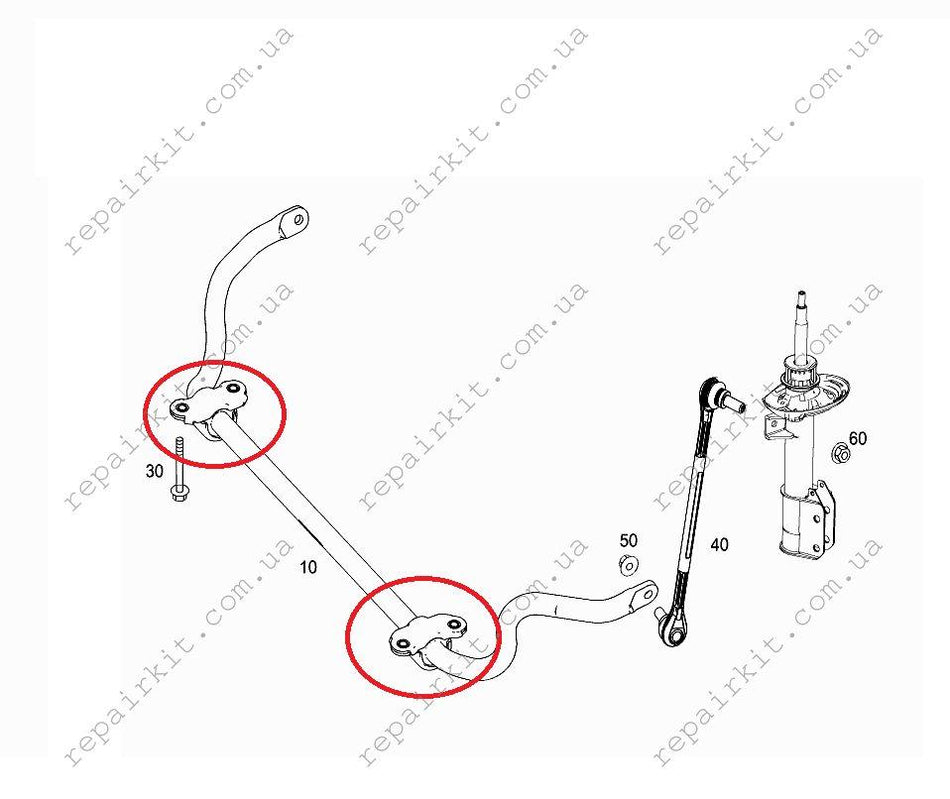
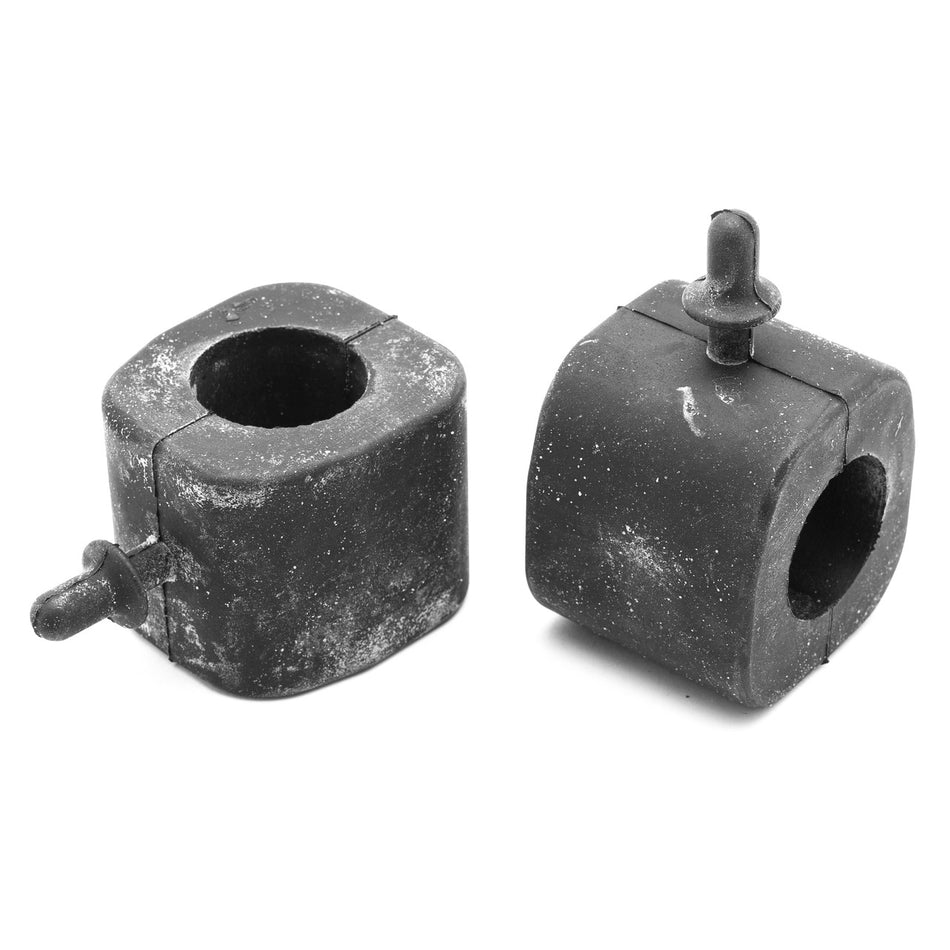
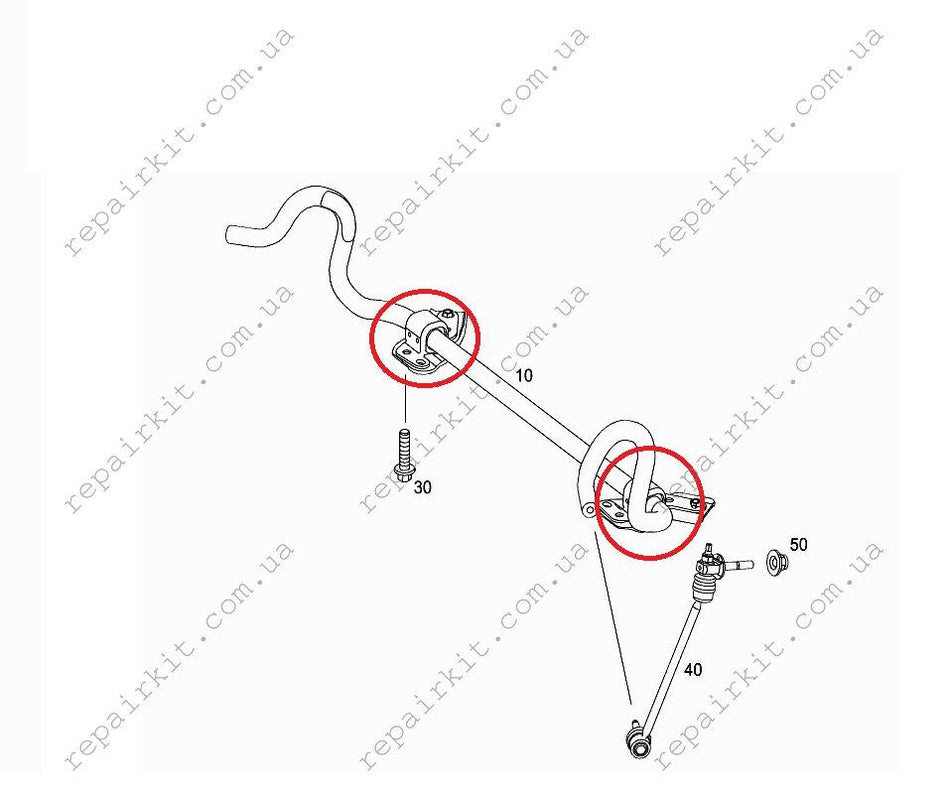
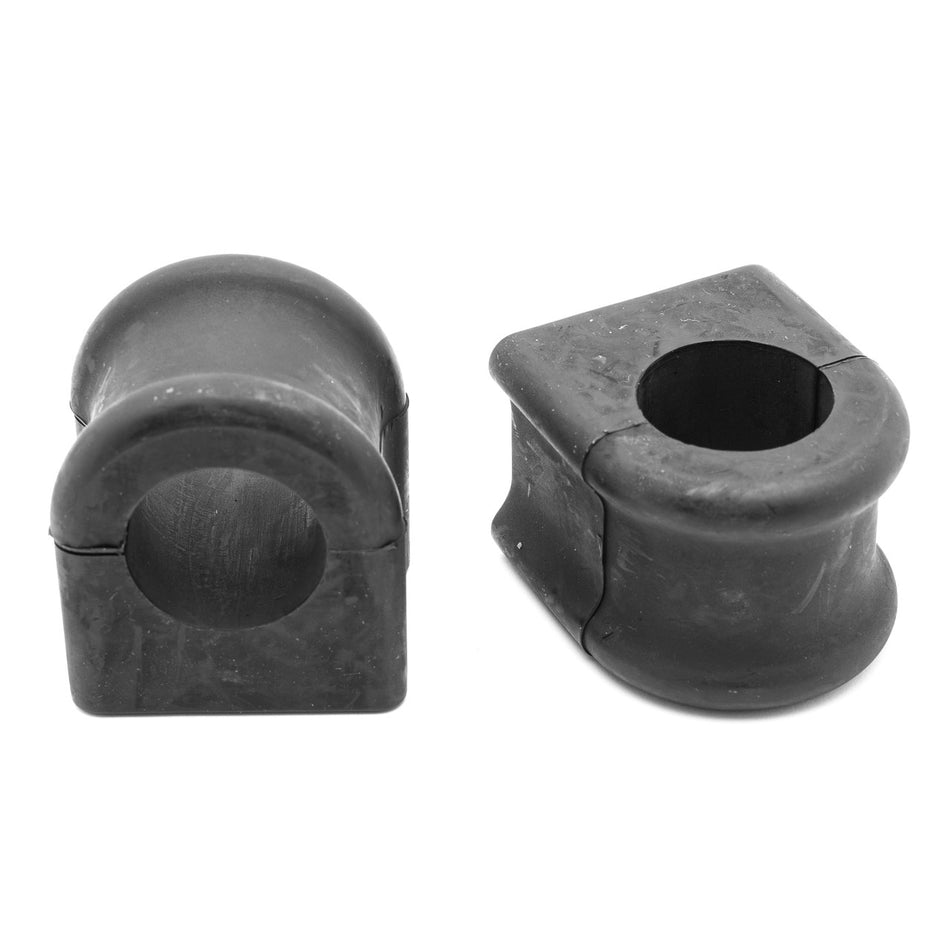
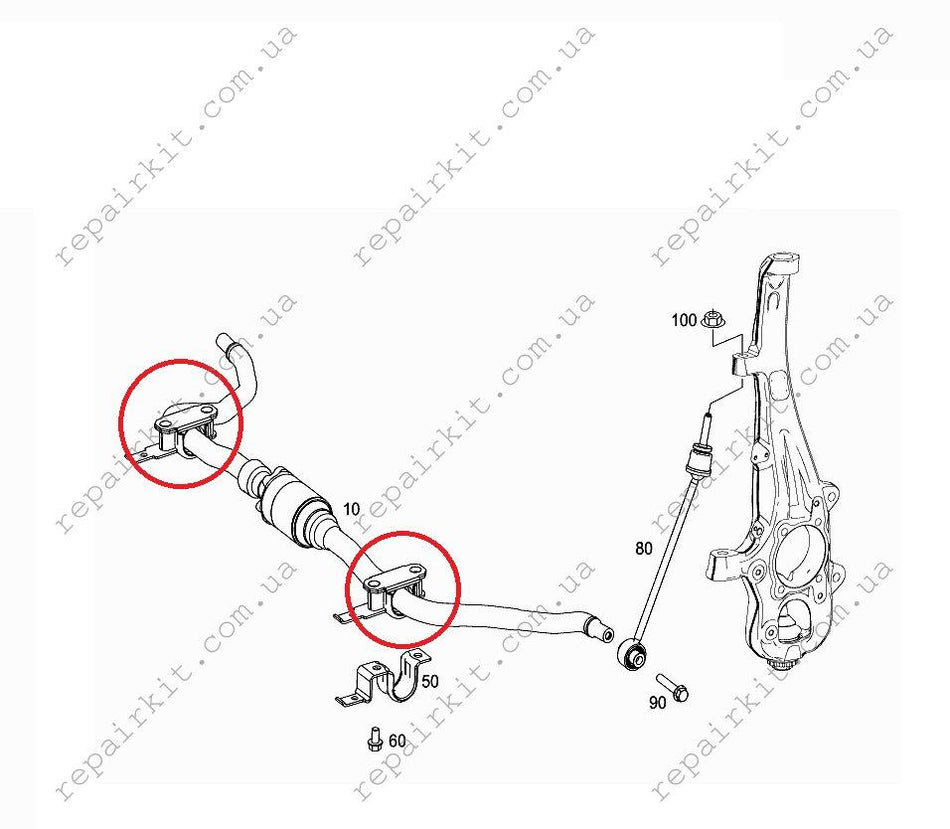
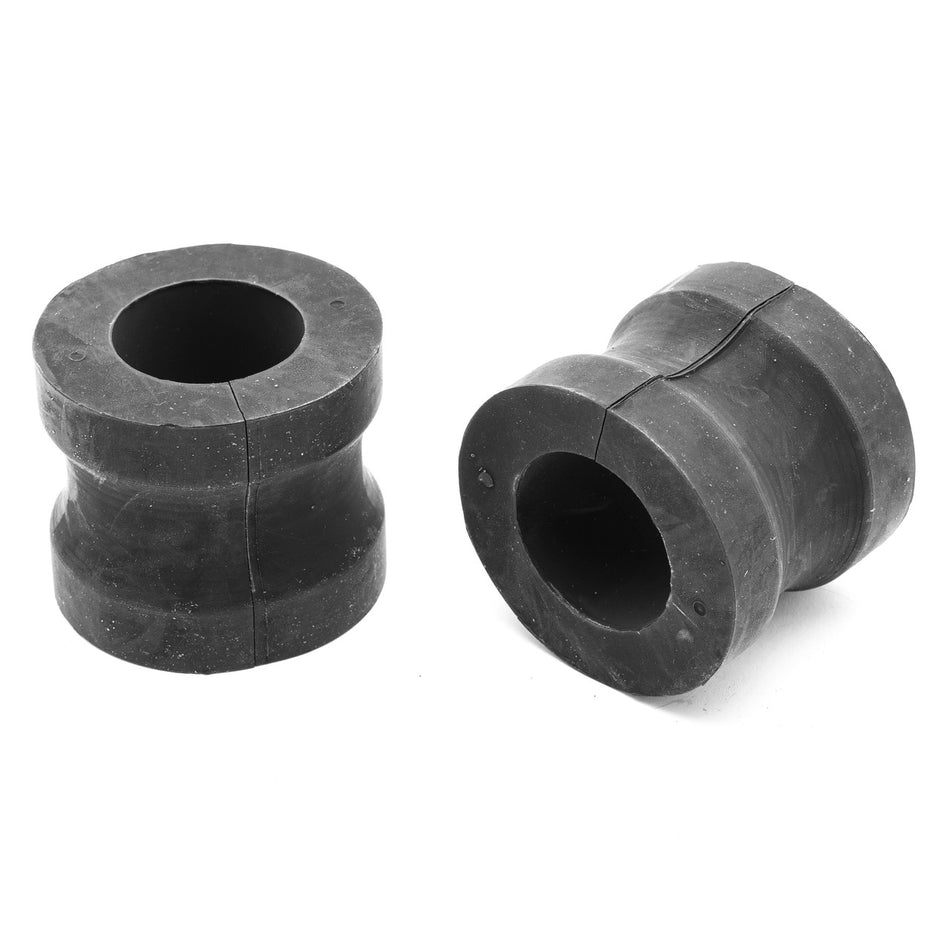
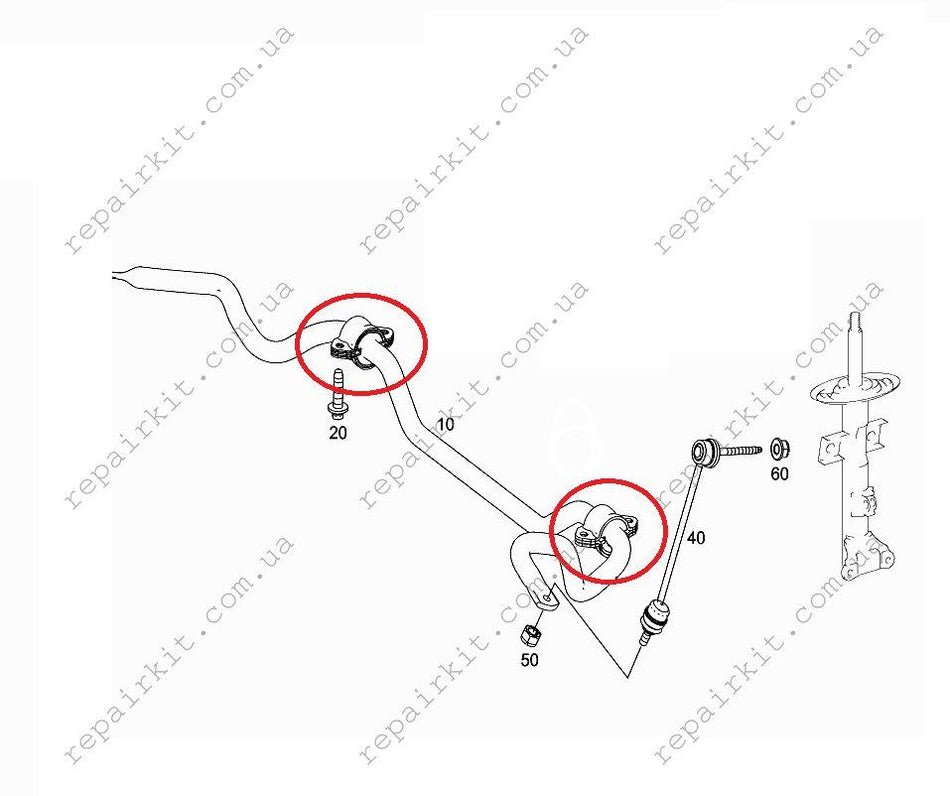
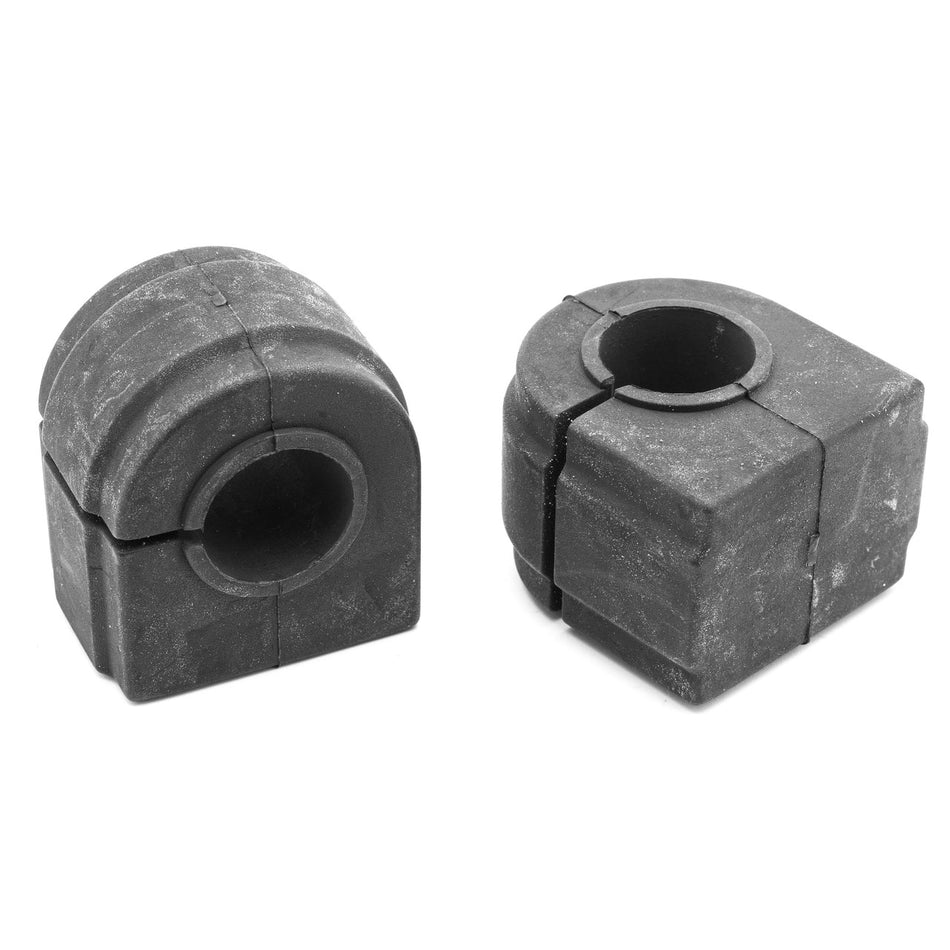
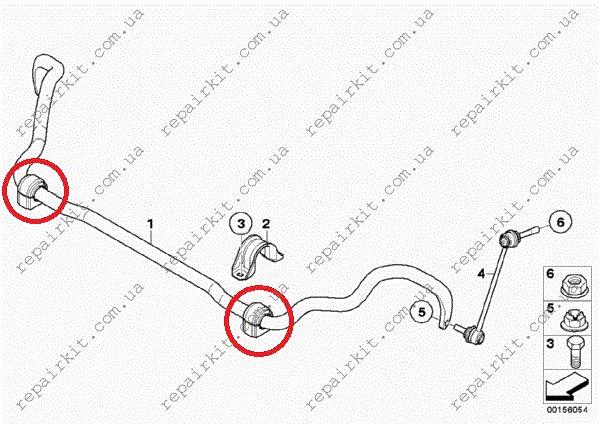
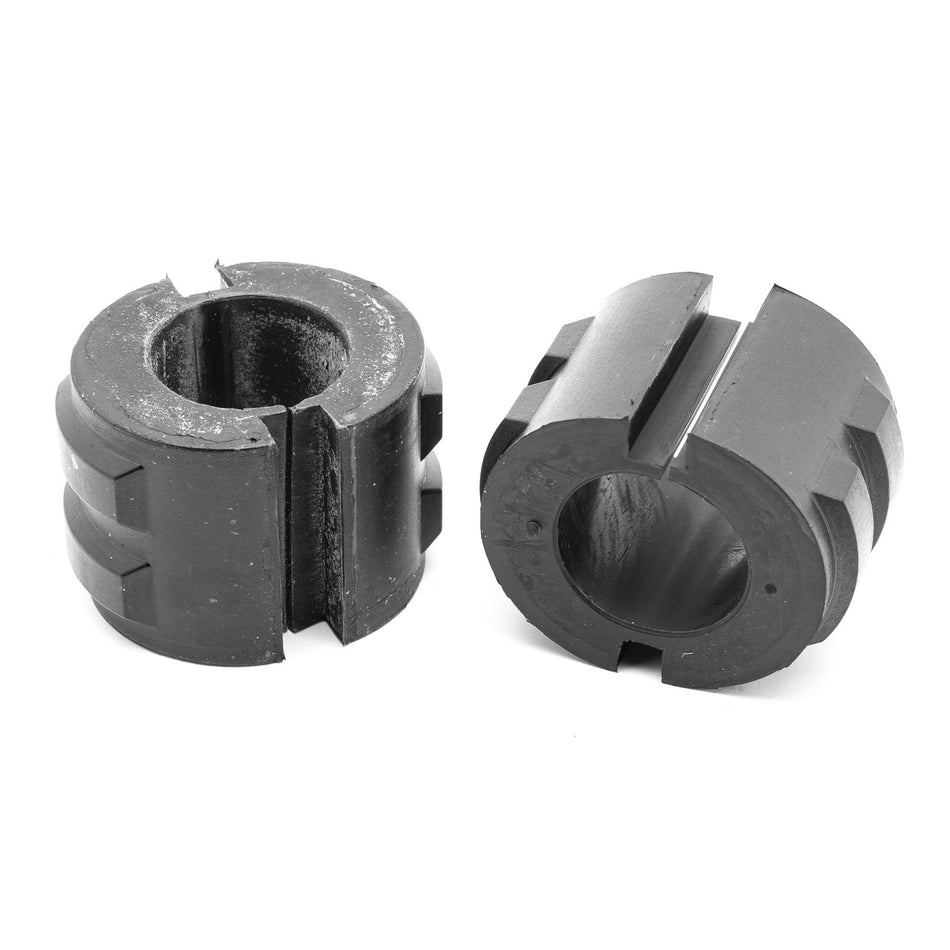
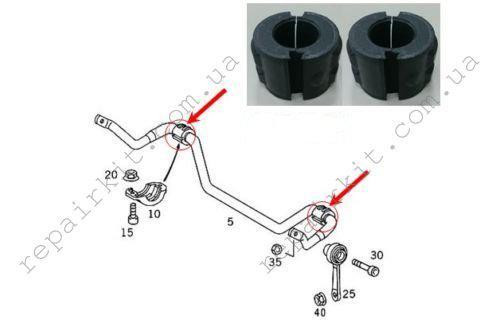
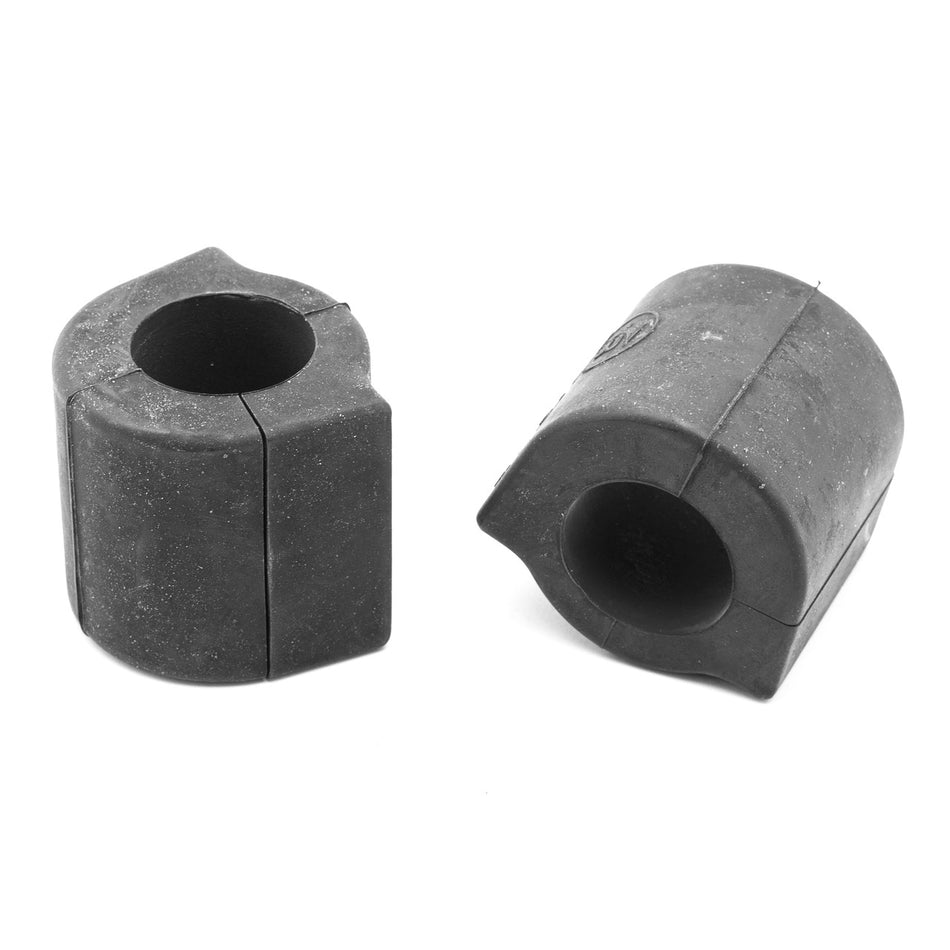
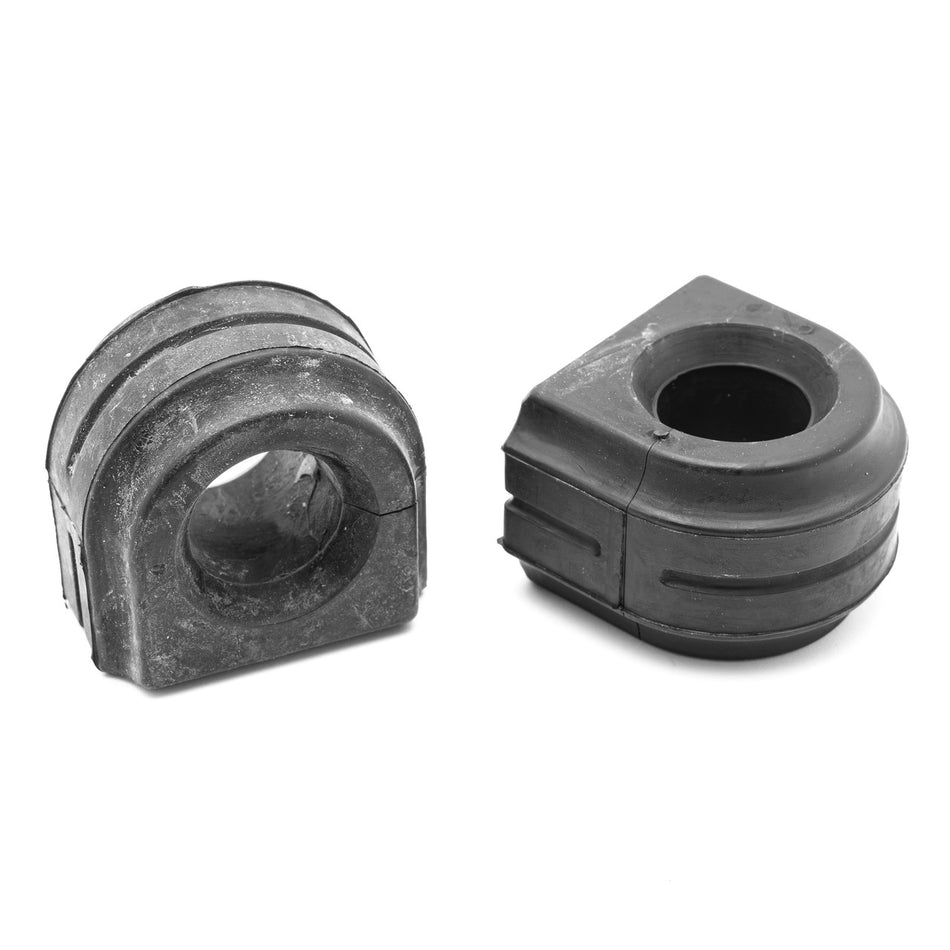
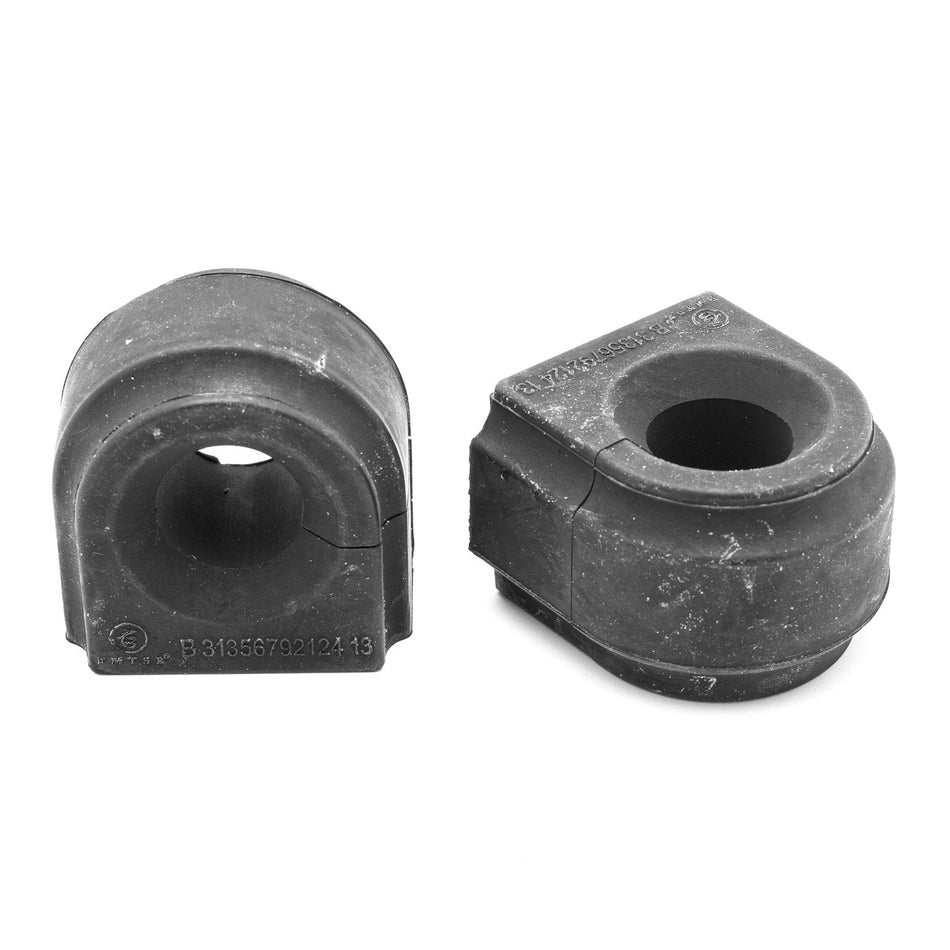
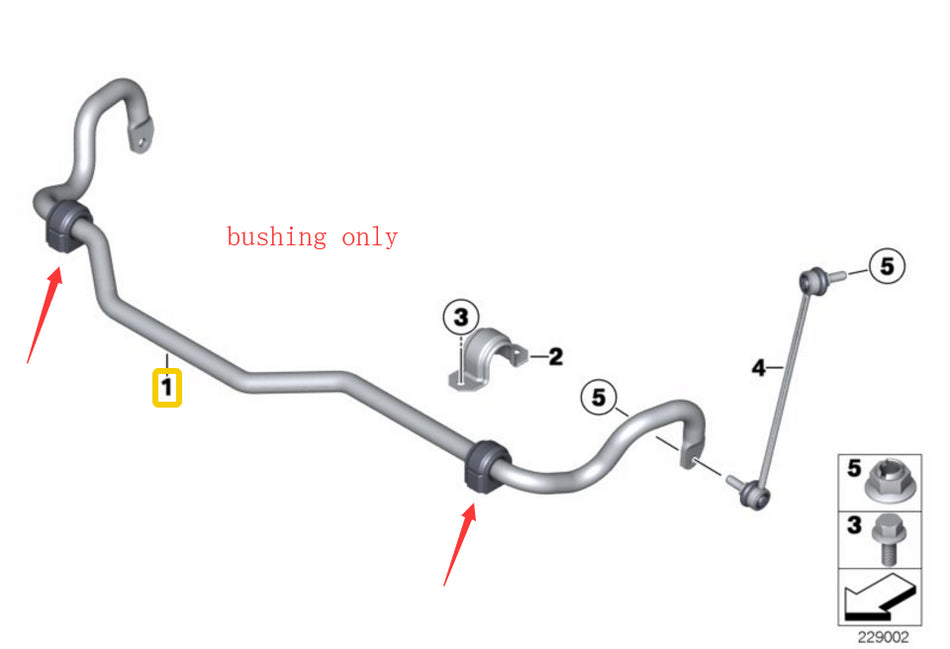
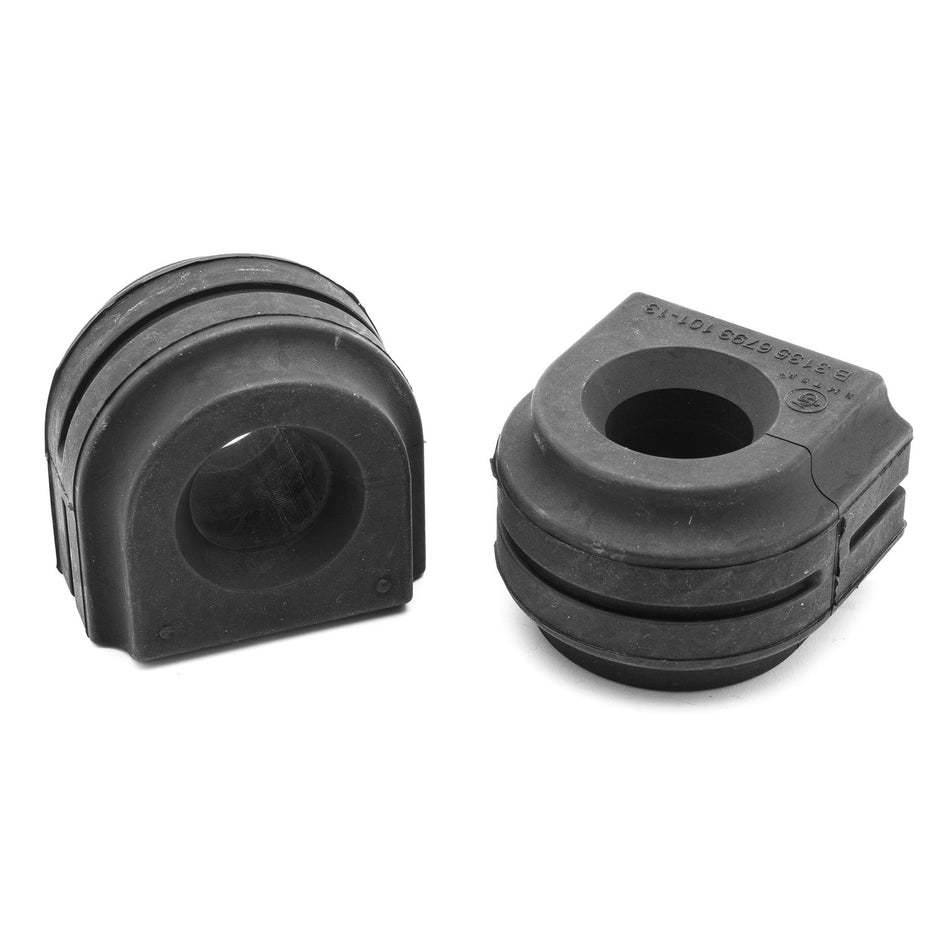
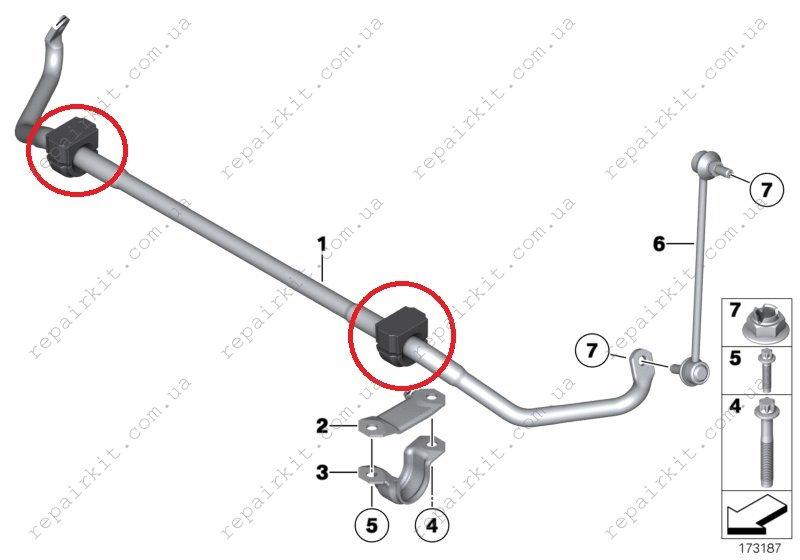
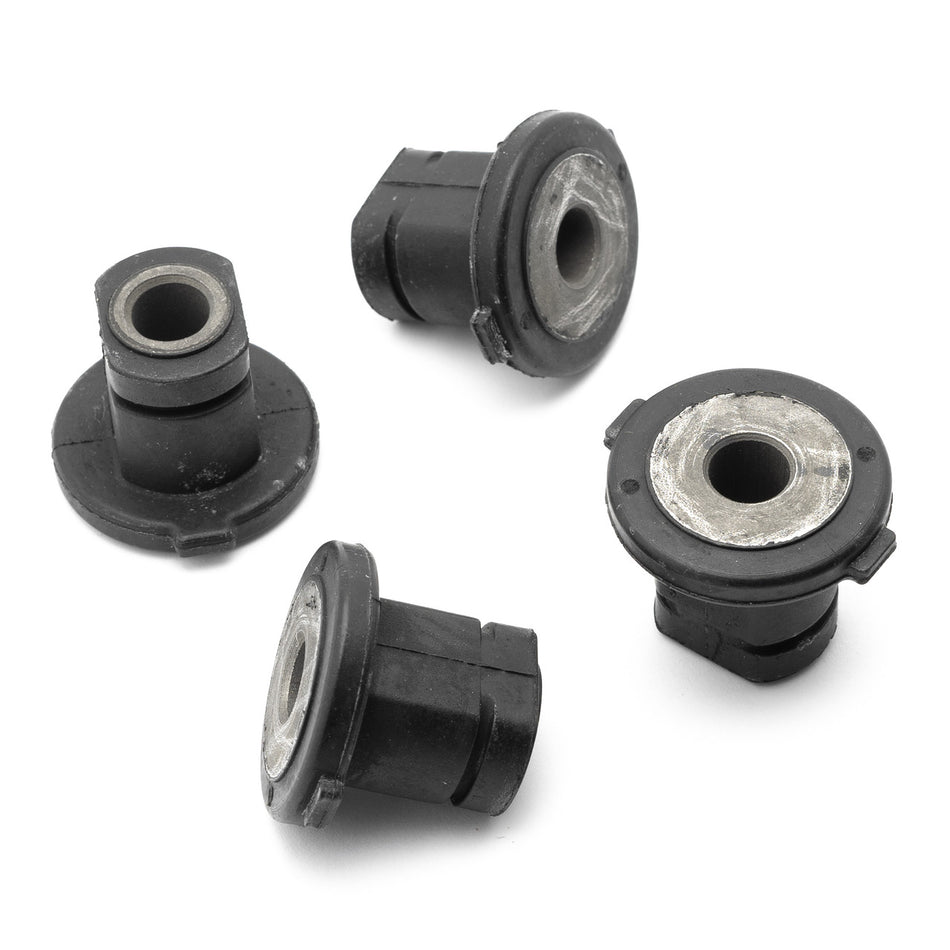
Stabilizer bushings hold the anti‑roll bar in place and help keep the car flat, quiet, and predictable in corners. At Klifex, we focus on practical front and rear sway bar bushings and matching silent blocks for the BMW and other car models. If your car clunks, squeaks, or feels loose in turns, replacing worn stabilizer bushings is often the quickest way to regain solid handling:
- Match parts by OE number or bar diameter for the right fit.
- Replace worn rubber to restore handling and reduce NVH.
- Inspect bushings and sway bar links together for a complete repair.
- Use the brand filters to narrow to BMW, Mercedes, and other brands.
Need help finding the correct part for your car? Send your VIN and symptoms, and we will point you to the right bushing.
Signs Your Bushings Are Worn
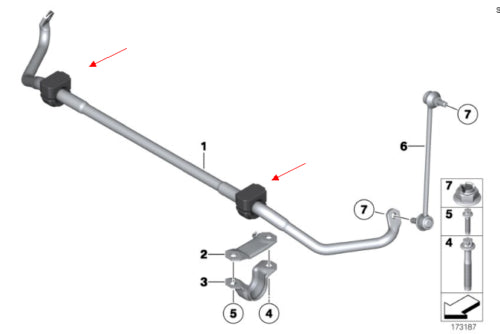
Stabilizer bushings are simple rubber sleeves that cradle the anti‑roll bar in its brackets. They allow the bar to twist under load while dampening vibration and preventing metal contact. When bushings are healthy, the bar stays centered, and cornering feels controlled. When they fail, the bar can shift, creating play, noise, and unpredictable handling. Start with what you hear and feel, then inspect the mounts:
- Clunking over bumps: bushing play or cracked rubber are the usual suspects. Check for movement of the bar in its brackets.
- Squeaks during suspension travel: aged rubber or dirt in the bracket often cause such problems. Try cleaning and light lubrication to confirm the condition.
- Increased body roll or vague steering: the bar moving in the bracket reduces roll control, commonly felt as sloppy cornering.
- Rear floating or instability at speed: worn rear sway bar bushings let the bar move and reduce stability.
- Accelerated wear on nearby parts: prolonged bushing play transfers stress to links and brackets.
Diagnose by lifting the car, feeling for bar movement, and visually checking for split or compressed rubber. A quick inspection prevents wrong part purchases.
Front Versus Rear Bushings, and Why It Matters
Front bushings have the most direct effect on steering response and turn-in. Replacing front stabilizer bar bushings typically tightens steering feel and reduces knocking over bumps. Rear bushings affect high-speed stability and balance; replacing them removes the floating sensation and improves corner confidence. For balanced handling, consider servicing both bushings on the same axle at the same time.
Sway Bar Bushings Versus Links
Bushings mount the bar to the chassis, and links connect the bar to suspension arms. If bushings wear out, links often take extra load and may fail sooner. Inspect links for torn boots, play, or broken ball joints. If both bushings and links show wear, replace both to prevent rapid re‑wear and to restore correct suspension geometry.
How to Choose the Right Bushing
Fitment comes first for successful sway bar bushing replacement. Use OE numbers or manufacturer part numbers when available. If not, measure the stabilizer bar diameter at the bracket and note the bracket style and clip type. Material choice matters less for street cars; OEM rubber provides the quietest ride, while firmer compounds change NVH and steering feedback. Avoid guessing by diameter because a 1 or 2 mm mismatch affects fit and function.
A quick fit checklist for ordering sway or stabilizer bar bushings:
- Vehicle make, model, and year.
- Front or rear location.
- OE or part number if known.
- Stabilizer bar diameter and bracket style if OE unknown.
If you want help, send the vehicle details and a photo of the old bushing, and we will confirm the correct item.
Cost Considerations and Labour
Parts are typically inexpensive. Labor varies with access and whether the subframe or control arms must be dropped. Corroded fasteners and seized brackets add time. Many shops replace both bushings on an axle to ensure even wear; this is slightly more expensive up front, but saves money in repeat labour.
Installation Overview
High-level steps: safely lift the vehicle, support it, remove bracket clamps, replace the worn bushings, clean seating surfaces, and refit clamps. Recheck the torque and perform a road test to confirm noise is gone and handling feels normal. If you find shaft play or damaged bars, consider a full inspection or professional service.
Buying Stabilizer Bushings Online in the USA
Pick the bushing by OE number or use the make filter to narrow options. Product titles often list compatible chassis codes and bar diameters. Klifex provides clear images and part notes to help confirm fitment. Need a hand? Send VIN and photos, and we will recommend the correct sway bar bushing replacement for your car.
Worn sway bar rubber bushings are a common, fixable cause of noise and sloppy handling. Match the bushing by fitment, check the links at the same time, and replace in pairs for the best result. Send us the details, and we will help you pick the right stabilizer bushings so you can finish the job efficiently and drive with confidence.