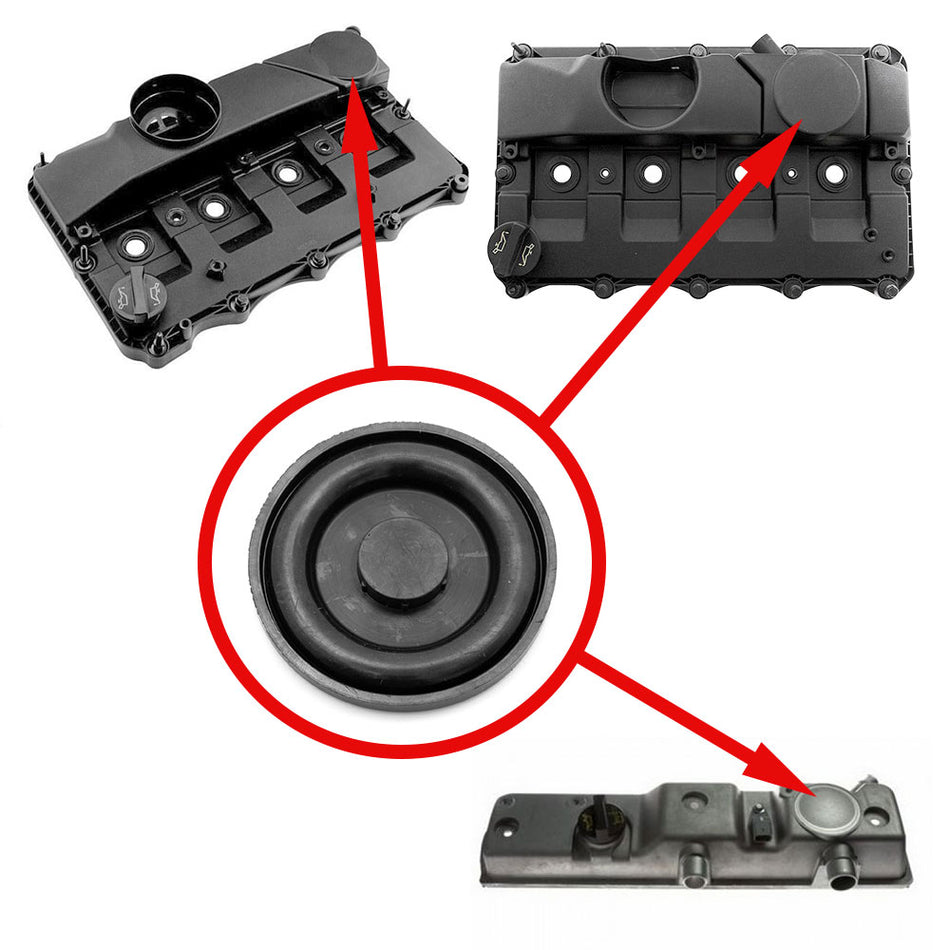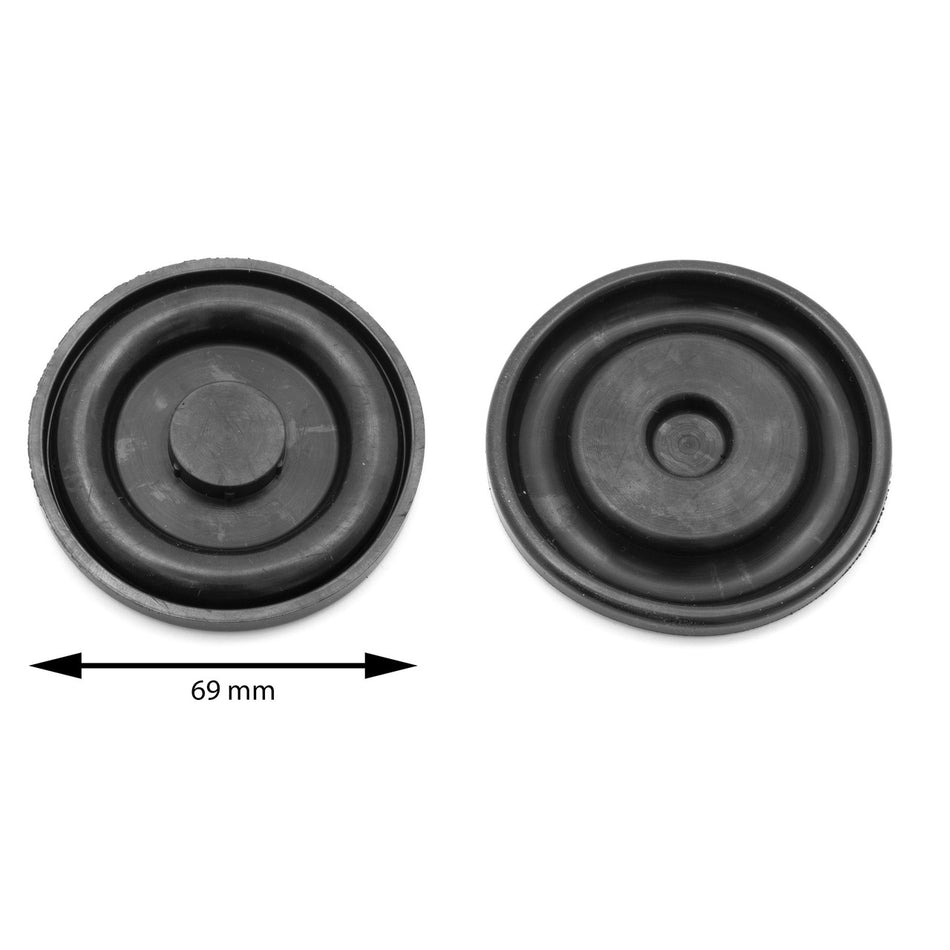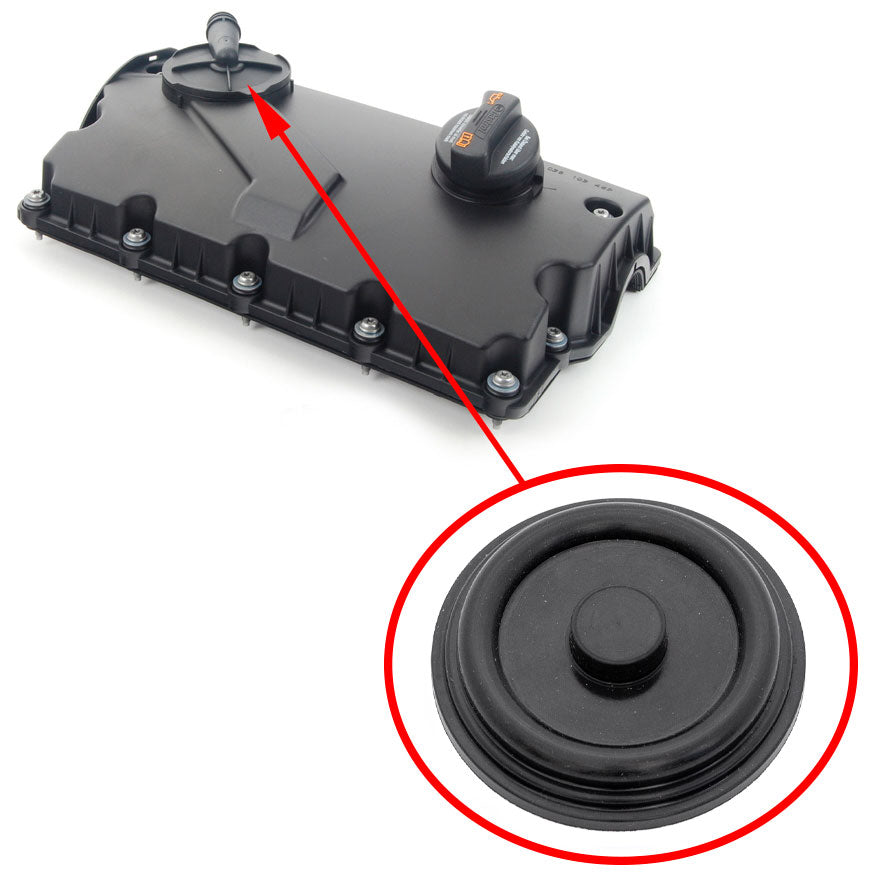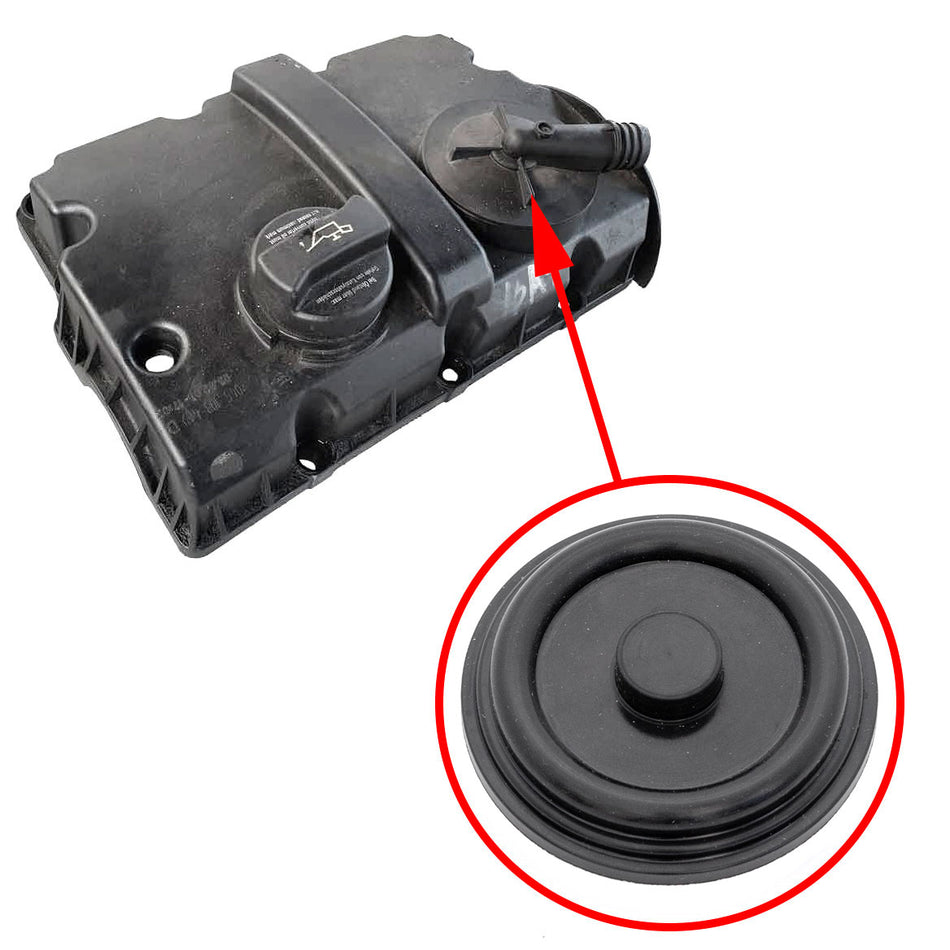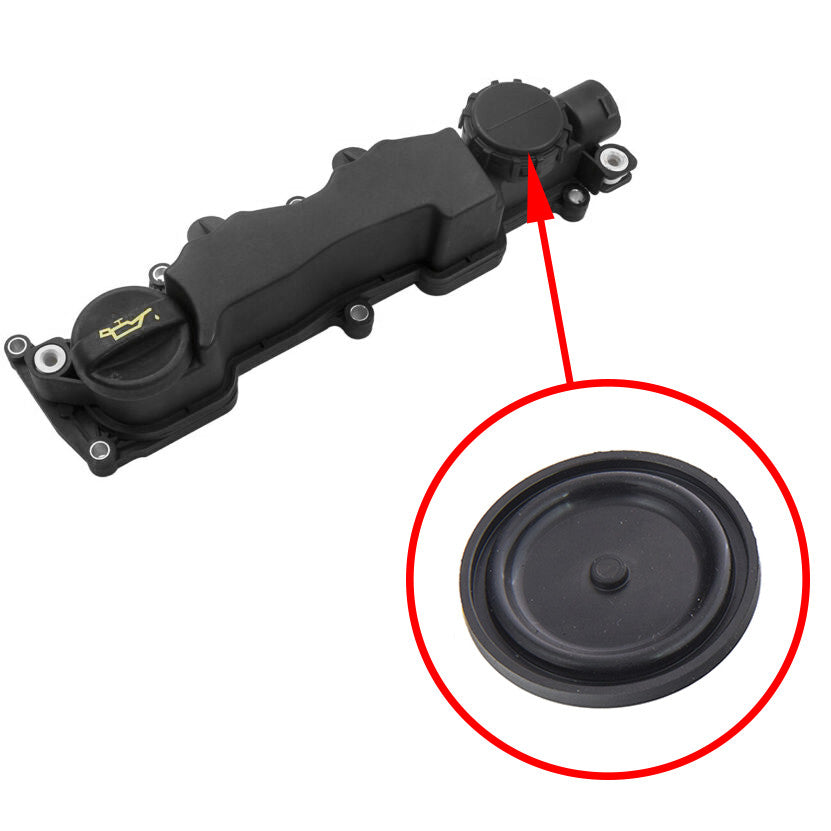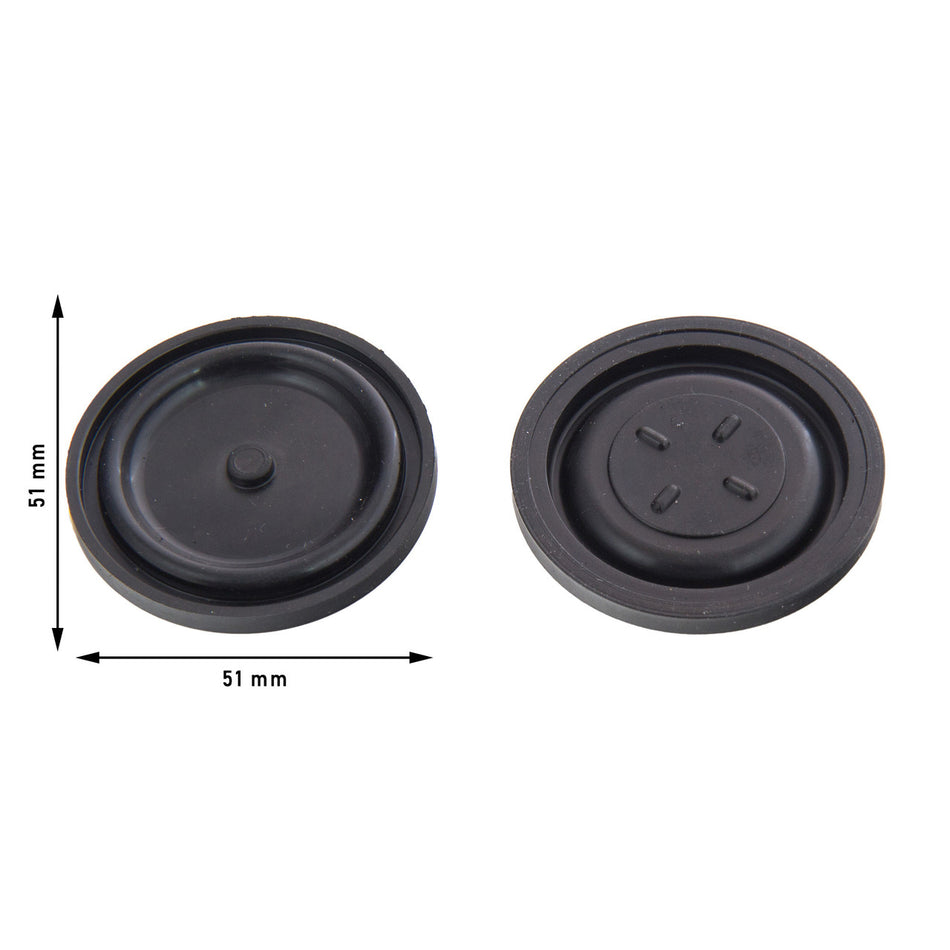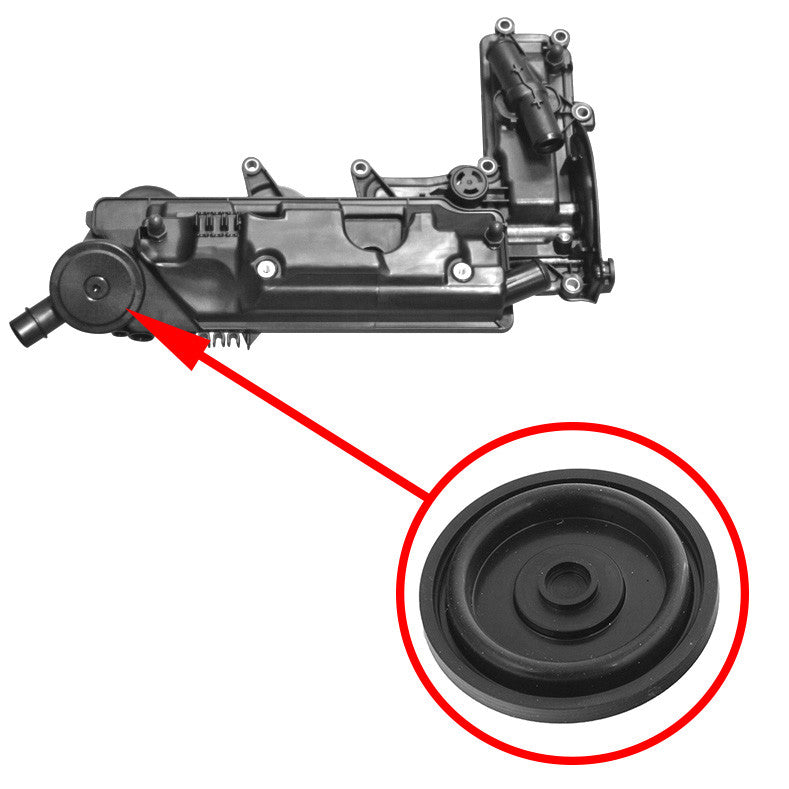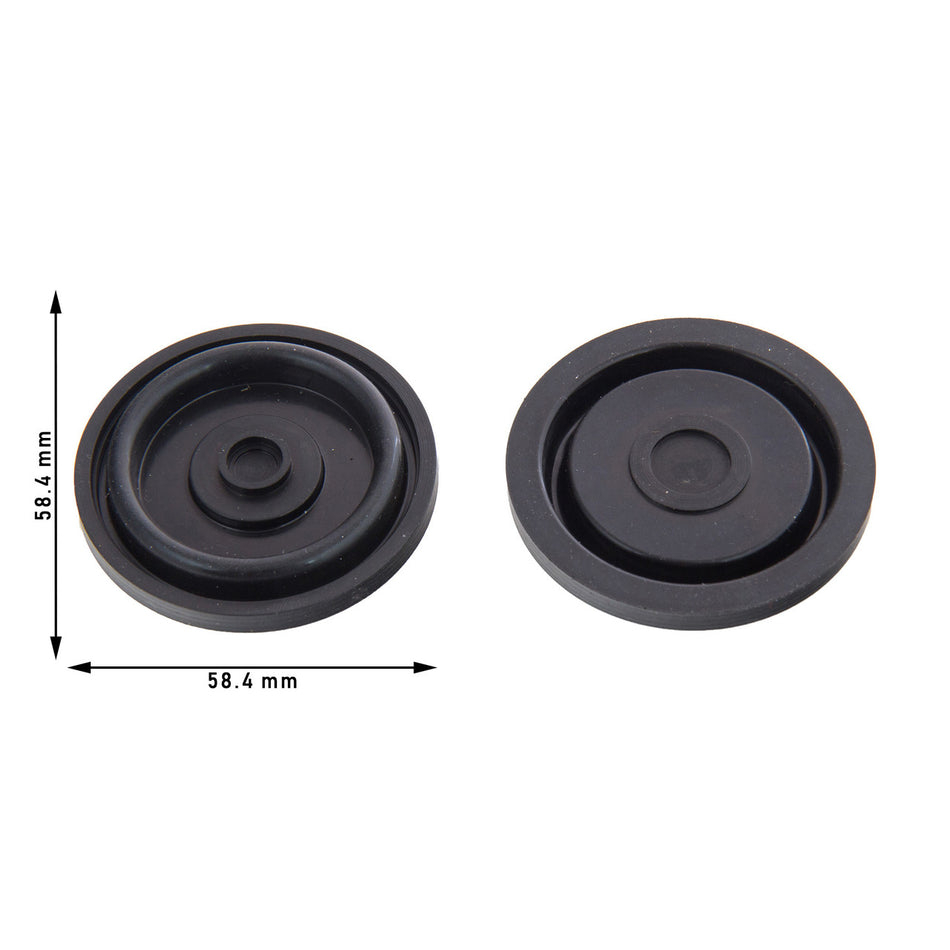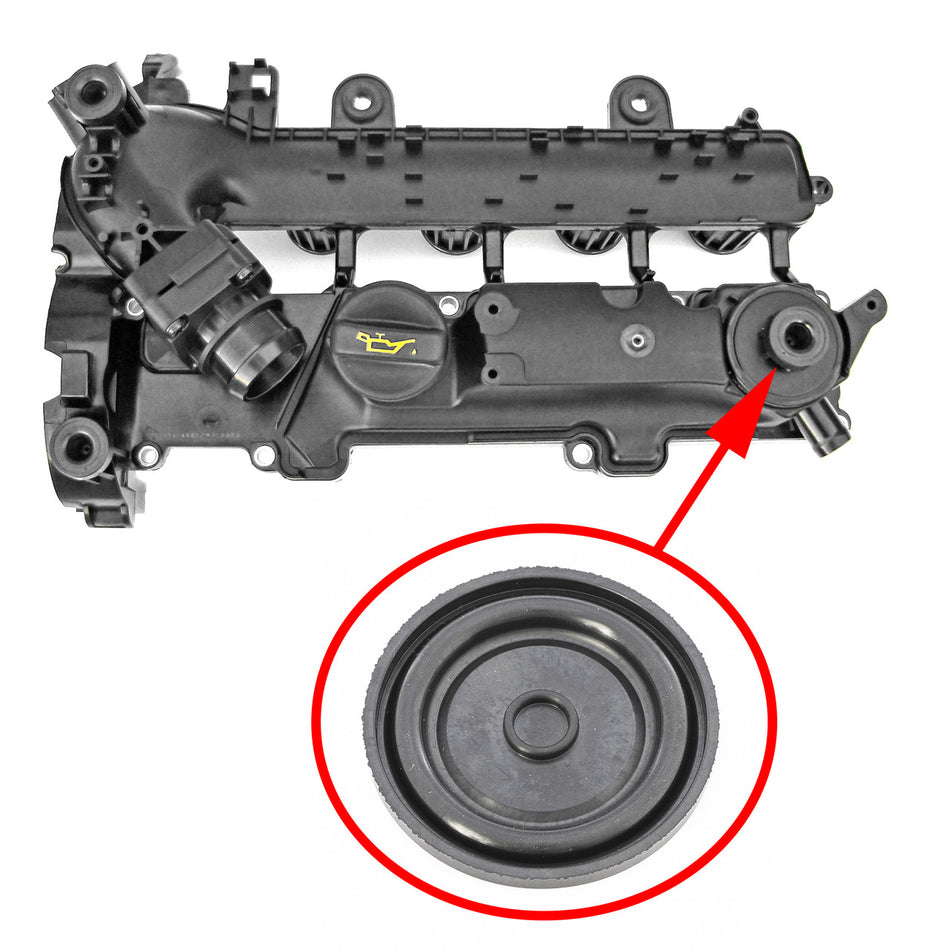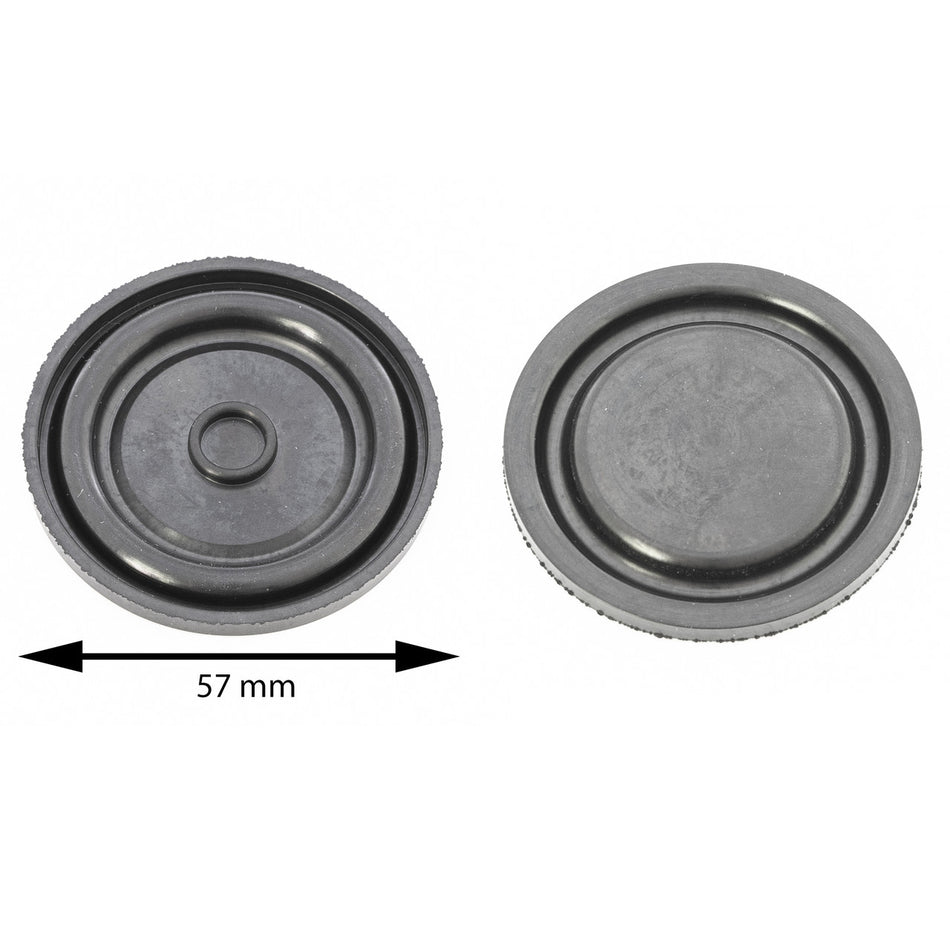
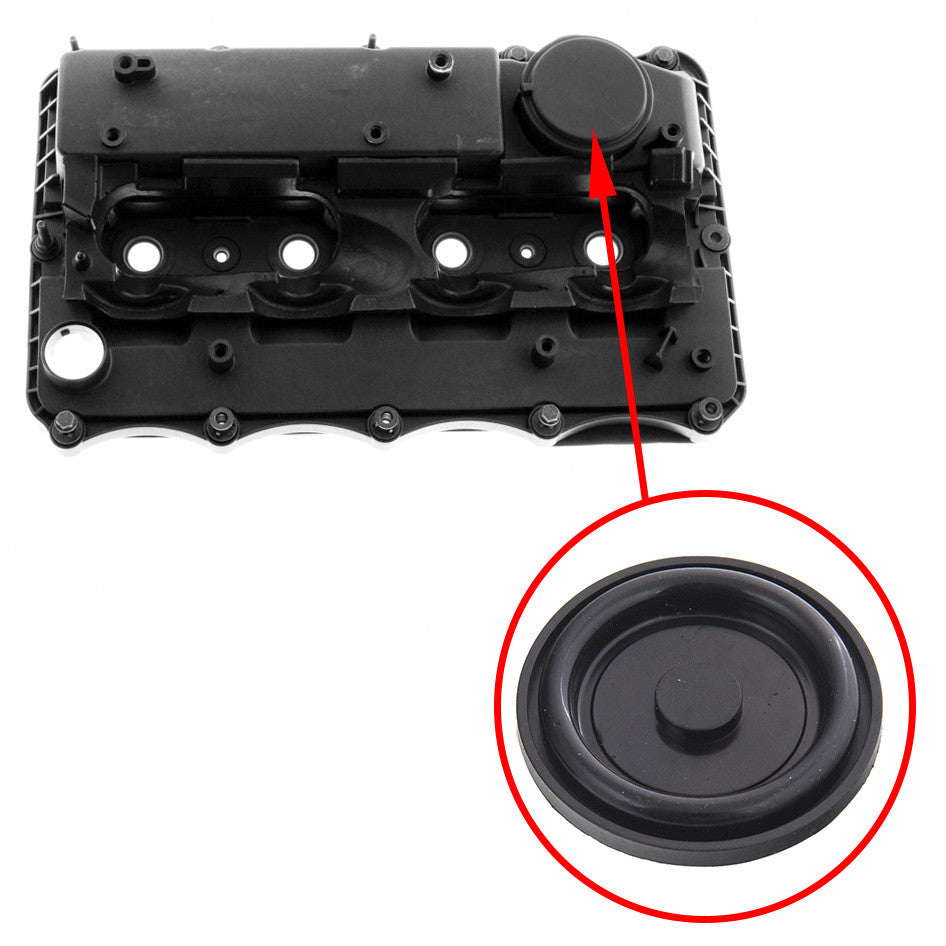
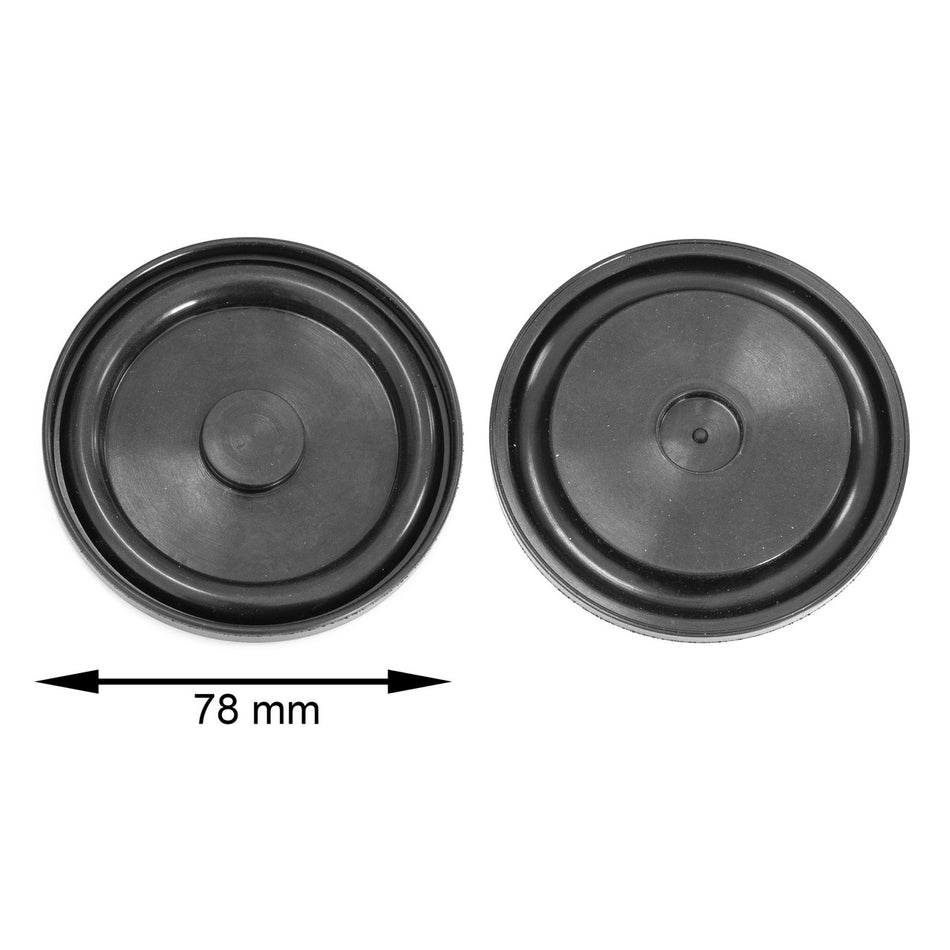
Because several Ford diesel engines share component architecture with PSA platforms. The classic example is 1.6 TDCi / 1.6 HDi-related hardware, where membrane and cover components can cross-reference between brands. That overlap is useful, but the final choice still has to be confirmed by OEM number and engine application.
Based on Klifex’s Ford PCV category and the visible cross-listed products, this section is focused on membrane-based crankcase ventilation repairs rather than generic hose-only replacements. That usually means valve cover membranes, oil separator membranes, and related service parts for specific Ford engine families.
Typical signs include rough idle, oil leaks, increased oil consumption, vacuum imbalance, and contamination of the intake tract with excess oil vapor. In many cases, the root cause is a failed diaphragm or membrane inside the ventilation system rather than a broader engine fault. The small part causes the big headache.
Use the engine code, the OEM reference, and the exact cover or separator design shown on the product page. Ford applications can vary significantly even within similar displacement ranges, and shared-platform engines add another layer of confusion. The correct method is technical verification, not brand-level guesswork.
Because the failed element is often a diaphragm or membrane that can be replaced separately at far lower cost than a full cover or module. That is the economic point of this category. It supports targeted repair where the housing is still serviceable and only the functional membrane has given up.