
Your cart is empty
24 Products
24 Products
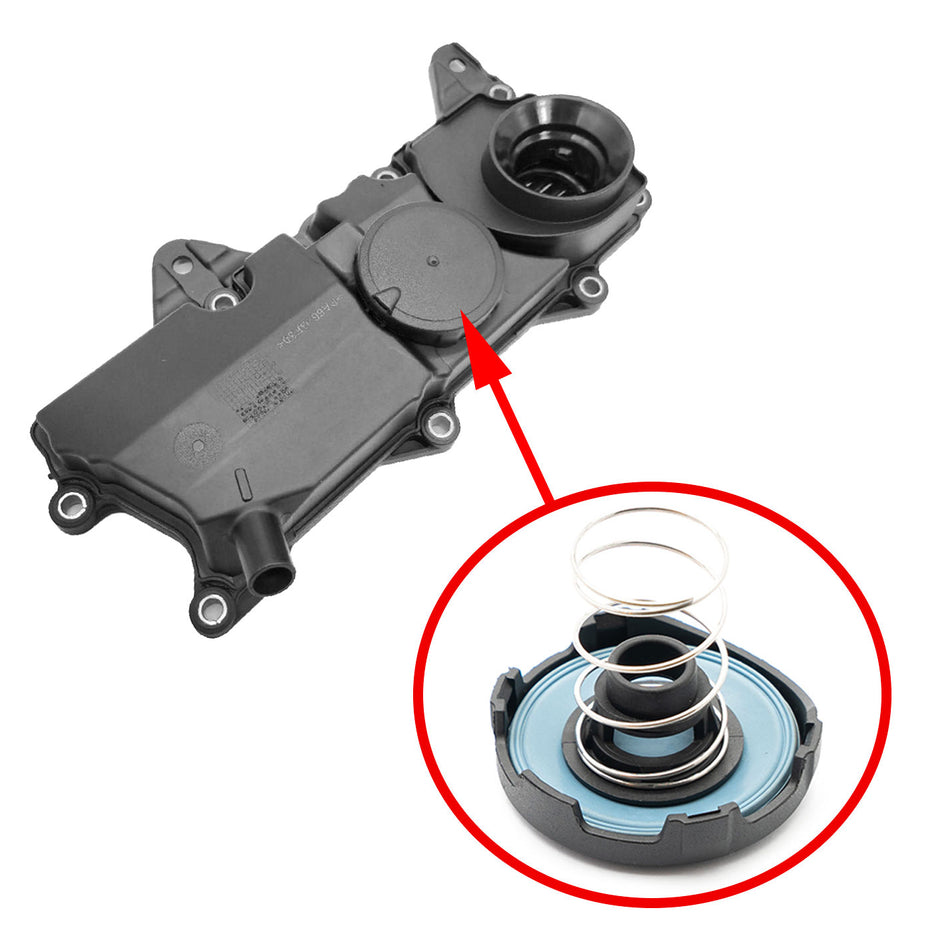
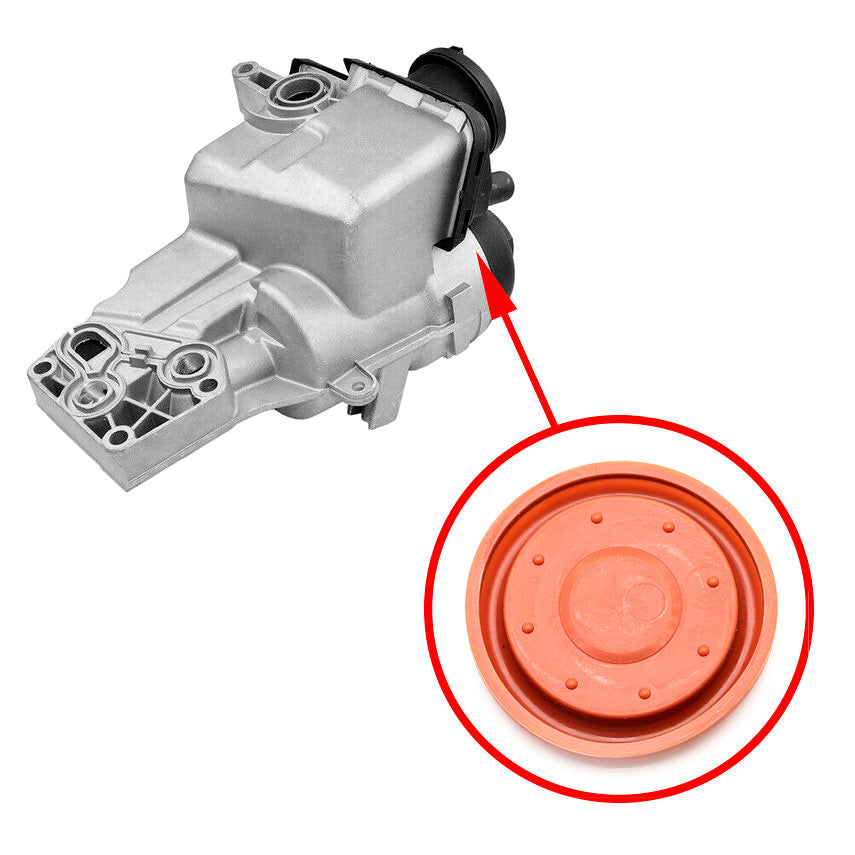
Volvo’s long-life philosophy starts with crankcase ventilation. A multi-point Volvo PCV network cleans oil mist and returns “fresh gas” to the intake. Knowing this layout helps diagnose rough idle or valve cover gasket leaks before a full replacement is needed or before even worse damage occurs.
Volvo’s multi‑point system uses large oil traps and spring‑loaded PCV valves to keep a slight vacuum under load and prevent boost seepage. By separating condensate and returning it to the sump, this design supports 100,000-mile service intervals while guarding the Volvo valve cover gasket against overpressure.
Over extended intervals, moisture and combustion by‑products form varnish in the oil trap and hoses. As sludge builds, passages narrow, crankcase pressure control drifts up, and seals begin to leak. Based on this, at some point (preferably when you are not on the go), you may notice a couple of problems:
Watch for dipstick smoke, oil seepage around the valve cover gasket and cold‑start idle instability. Spotting these signs early, before a few hundred miles of driving, helps avoid major Volvo PCV repairs and intake cleaning.
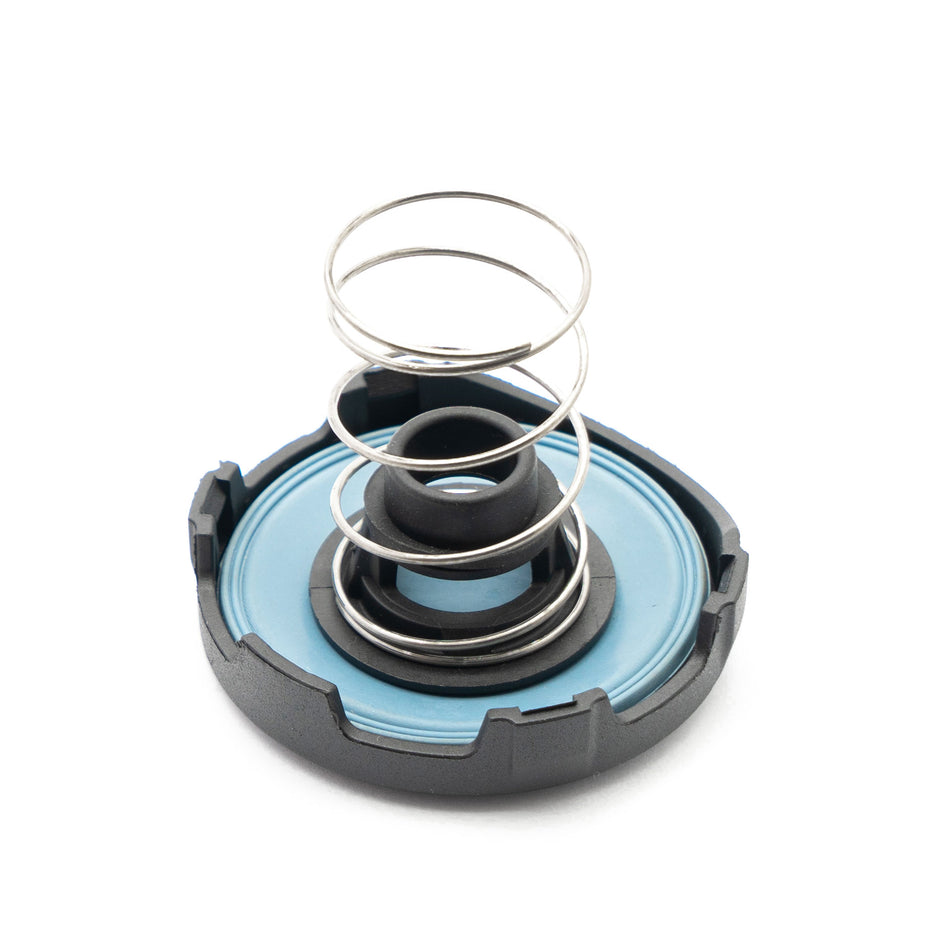
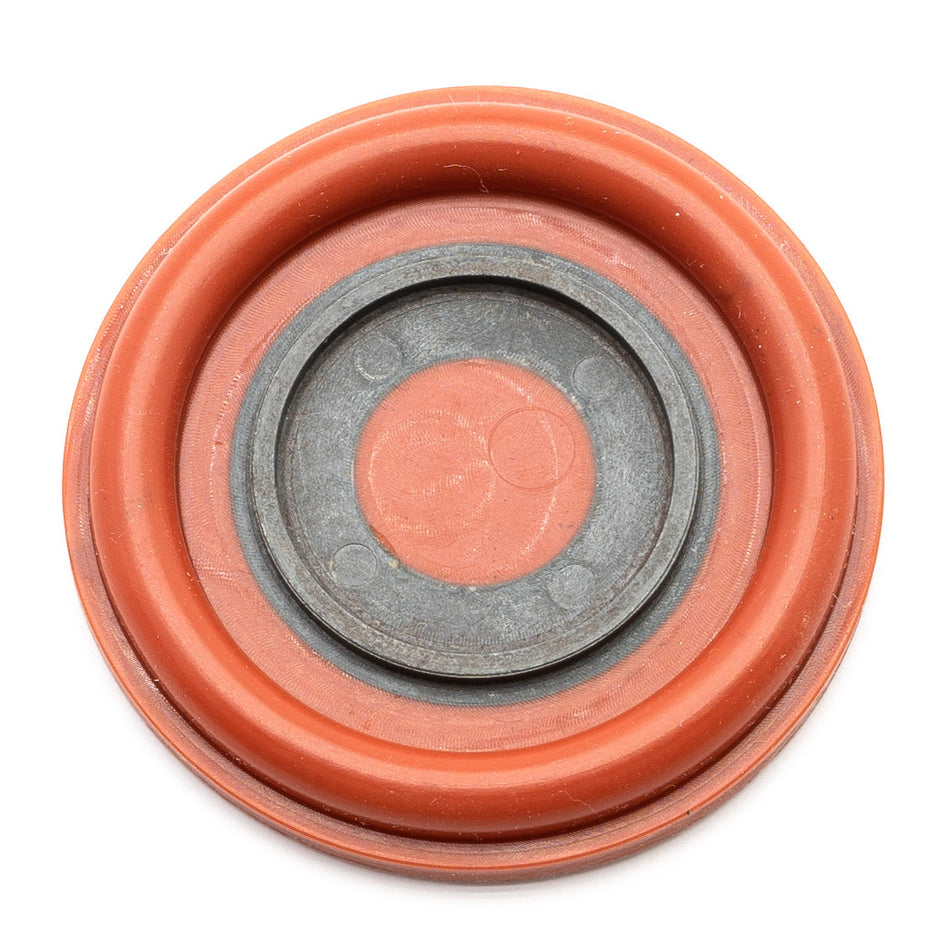
Single-hose swaps rarely cure the problem. True Volvo PCV replacement includes cleaning or renewing the oil trap, pressure-testing the crankcase circuit, swapping all breather hoses, and fitting a new valve with the correct spring rate.
Many late-’90s and new Volvo engines (2.0 L turbos, 2.4 L non-turbo units, etc.) use the oil-separator-based PCV layout. Hose routing and Volvo PCV valve location vary, but the core separation and pressure-control principles stay the same.
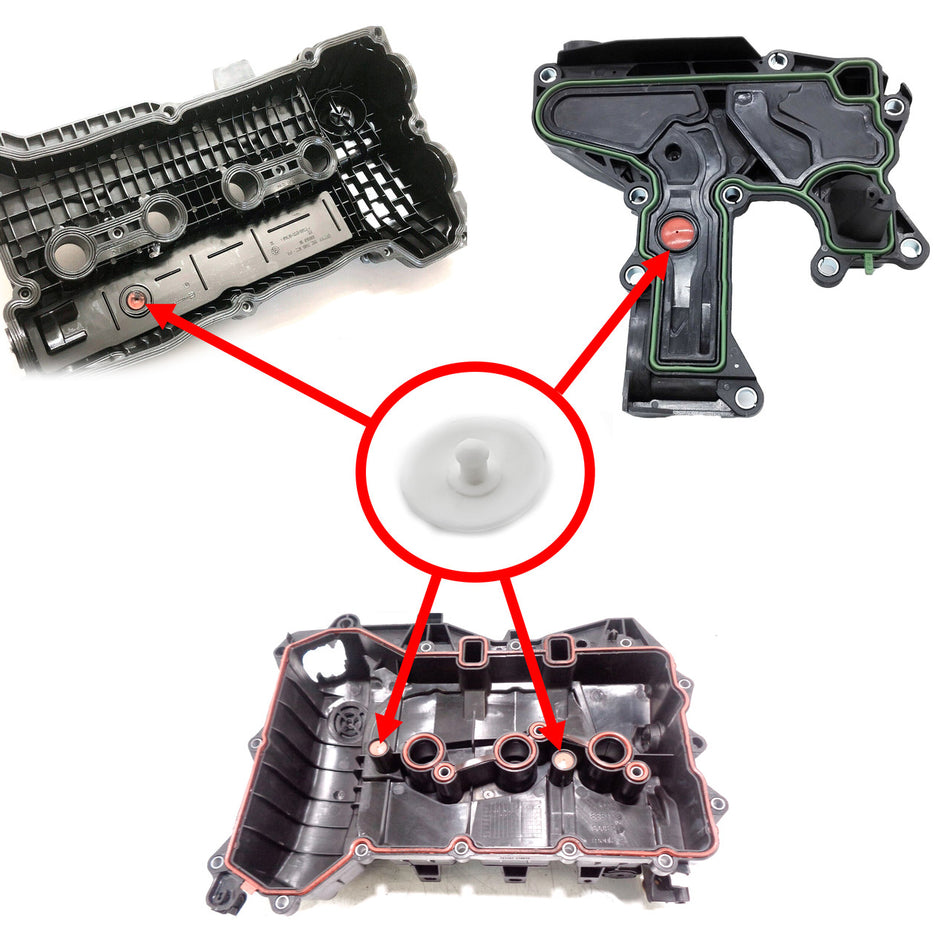
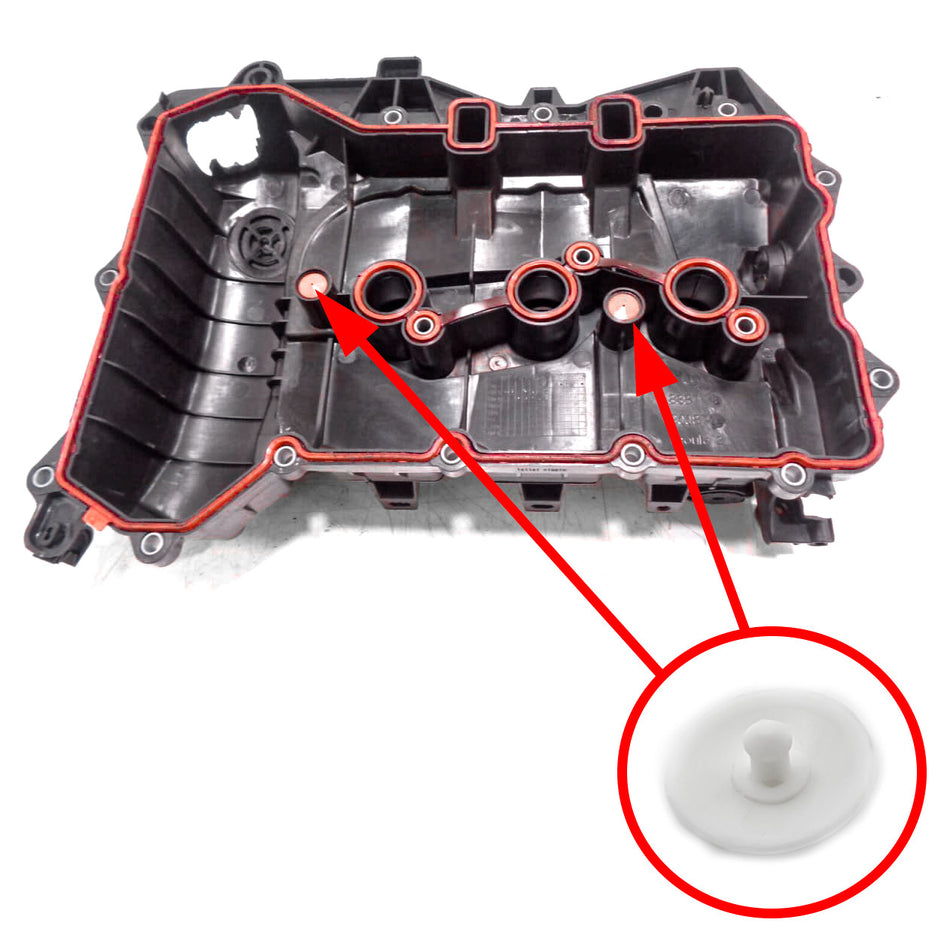
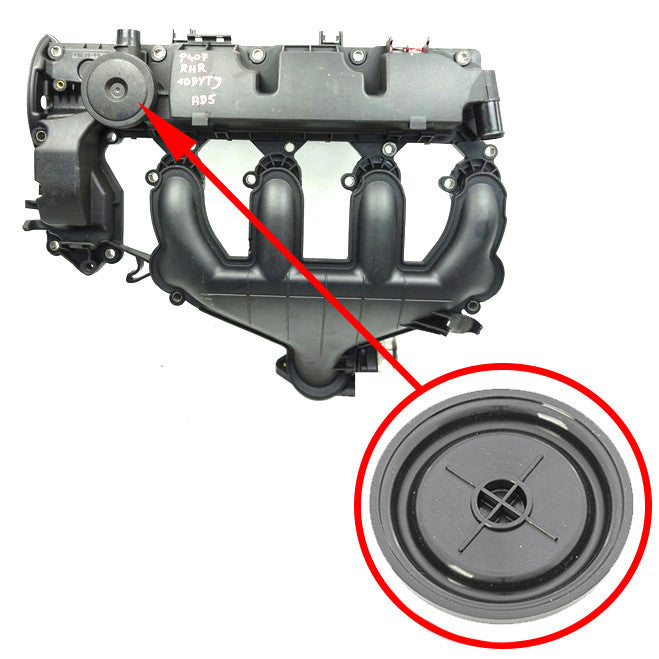
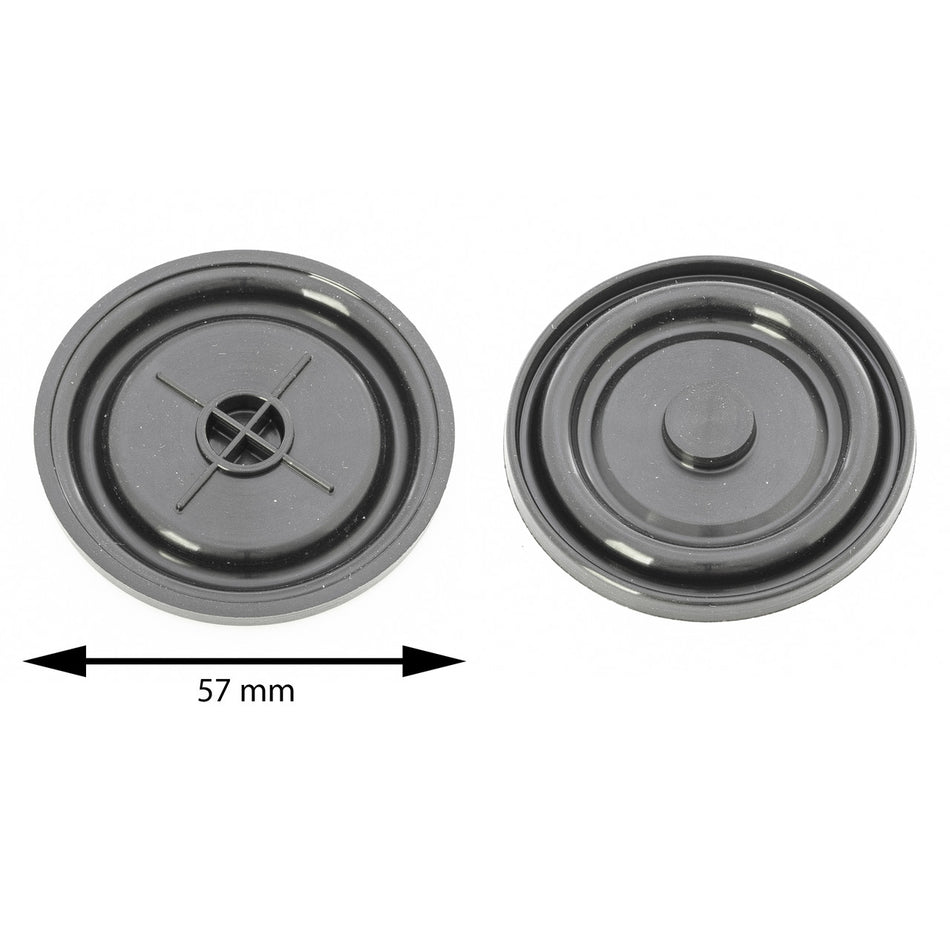
The Klifex kit provides direct-fit components: separator housing, durable breather hoses, and OEM-matched crankcase vent valves to restore correct Volvo PCV routing. They’re a practical option when matching spring rates and hose materials is important. Spot the signs early, fix the trap, and keep your Volvo purring happily.
Your cart