MINI Crankcase Ventilation (PCV) Systems and Components
MINI’s compact turbo engines demand reliable PCV operation. A small failure can escalate to oil leaks, turbo seal wear, and drivability faults unless diagnosed or the MINI PCV is repaired correctly.
PCV System Role in MINI Cooper Turbo Engines
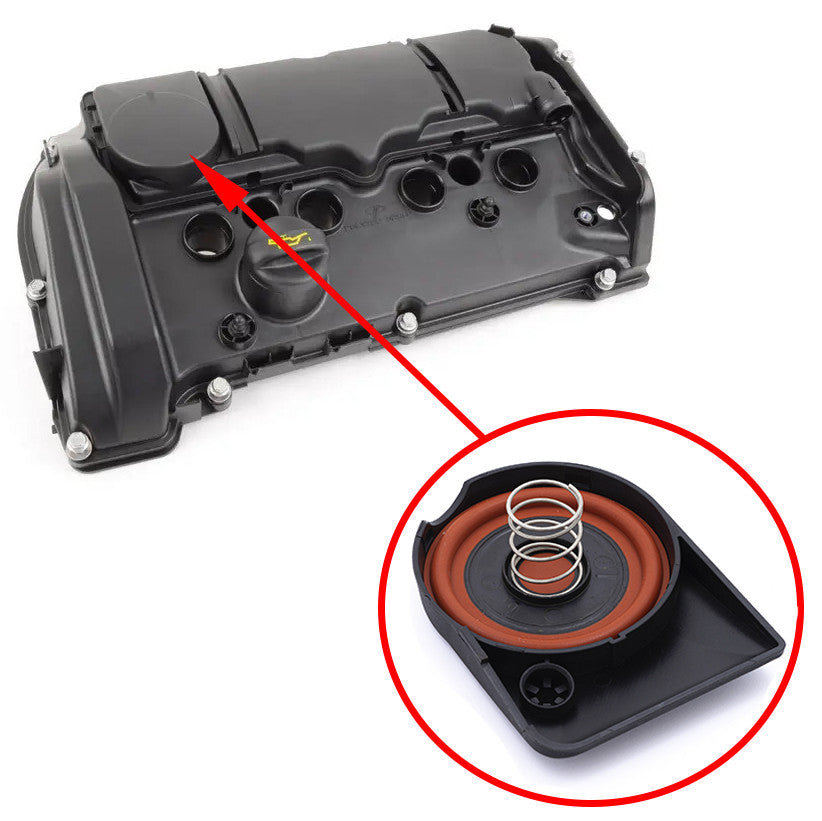
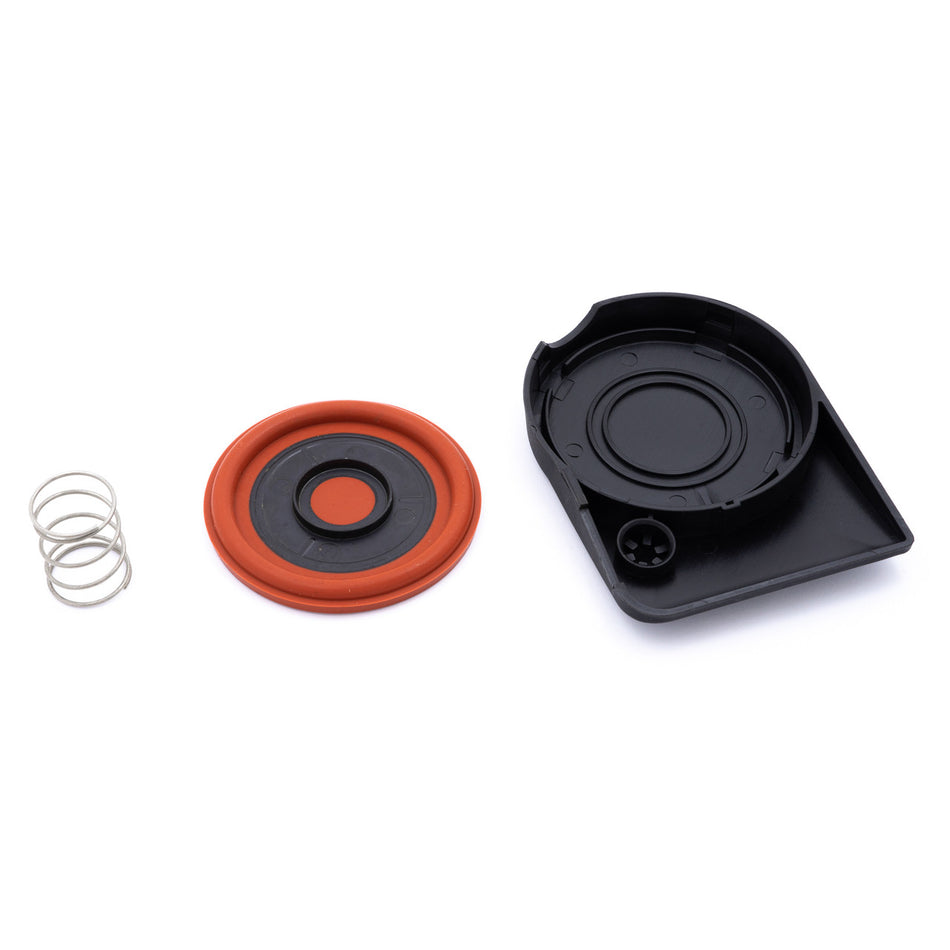
The default MINI PCV system uses an oil separator, a metering diaphragm, a valve, and routed hoses. Most engine designs integrate these elements into the valve cover or breather module to save space while requiring precise boost shutoff.
Typical PCV Failures in MINI Vehicles
A quick list of recurring faults and their effects:
-
Torn or leaking MINI PCV diaphragm. Uncontrolled flow and oil ingestion.
- Oil leaks from the gasket. Caused by sustained pressure.
- Excessive pressure under boost. Breather path that fails to close stress seals.
- Oil vapor in the intake system. Fouled charge pipers and throttle components.
Also, listen to a whistling noise. Audible evidence of leaks or collapsed hoses.
Early Warning Signs MINI Owners Often Miss
Knowing what can break is good, but it’s even better to rule out a major MINI PCV valve replacement. If you prefer both options, make sure to check for some main symptoms, such as oil residue in the charge pipes or intake, a gradual increase in oil consumption, idle fluctuation after warm-up, or mild hesitation during acceleration.
When MINI PCV Valve or Valve Cover Replacement Is Required
Start small: replace the valve/diaphragm and hoses if bench testing fails or oil appears in the charge pipes. Use a smoke test and crankcase pressure check. Replace the MINI valve cover gasket only for cracks, warped seals, broken bosses, or an unusable separator.
Benefits of Proper MINI-Specific PCV Components
Fresh components guarantee a return to solid engine performance. Plus, they:
- Restore correct crankcase pressure.
- Reduce oil leaks and vapor buildup.
- Improve idle stability and response.
- Protect turbocharger seals.
Overall, quality components maintain MINI engine performance.
Klifex PCV Solutions for MINI Cooper
Klifex offers targeted kits with heat-resistant diaphragms, reinforced housings, and matched hoses to avoid full-coverage replacements. Check MINI Cooper PCV valve symptoms and find the correct component.