69 Products
Page 3 | Volkswagen PCV System Repair Kits
FAQ
Klifex’s page notes that turbocharged VW engines face higher crankcase pressure, elevated under-hood temperatures, direct-injection soot buildup, and tight emissions calibration. Those factors accelerate diaphragm fatigue, oil separator clogging, and vacuum imbalance. In plain terms: boost makes the engine fun, but it also gives the PCV system a more hostile working environment.
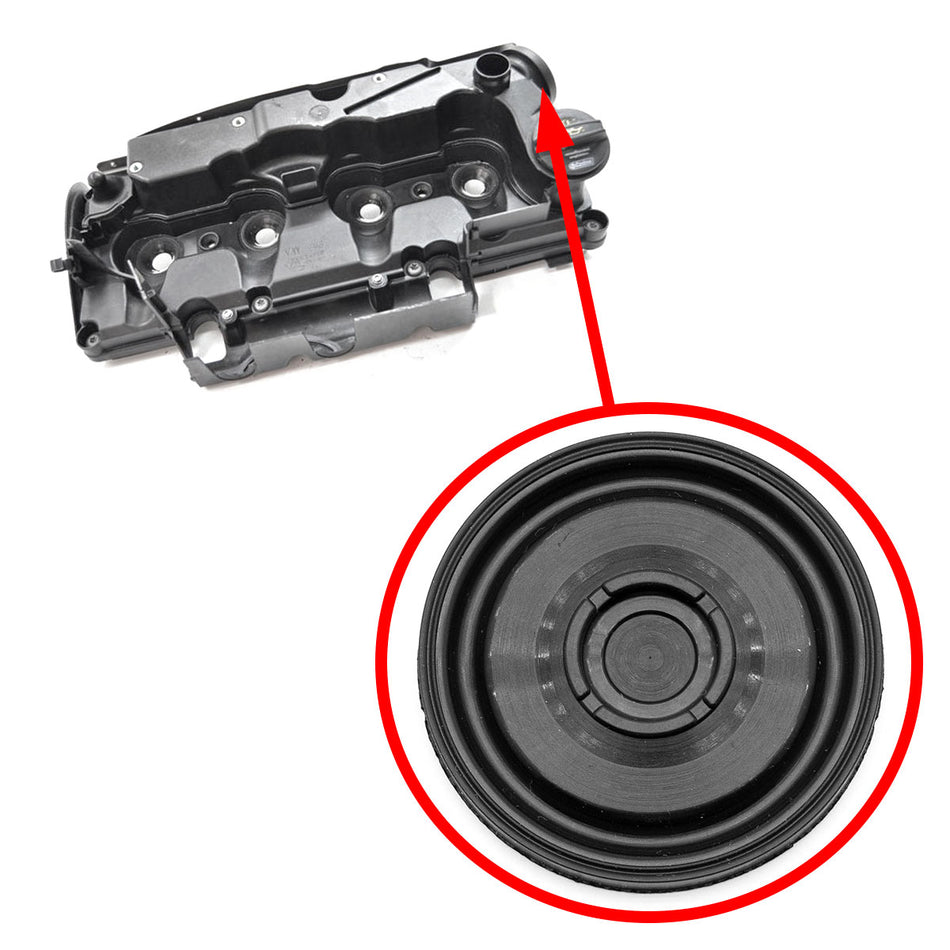
Common symptoms include oil leaks at the valve cover gasket, rough or unstable idle, excessive oil vapor in intake or charge pipes, whistling or suction noise, and vacuum imbalance on turbo engines. These issues often point to a leaking diaphragm, blocked separator, brittle hoses, or recurring pressure spikes. Klifex specifically recommends checking the PCV port and separator chamber before replacing parts blindly.
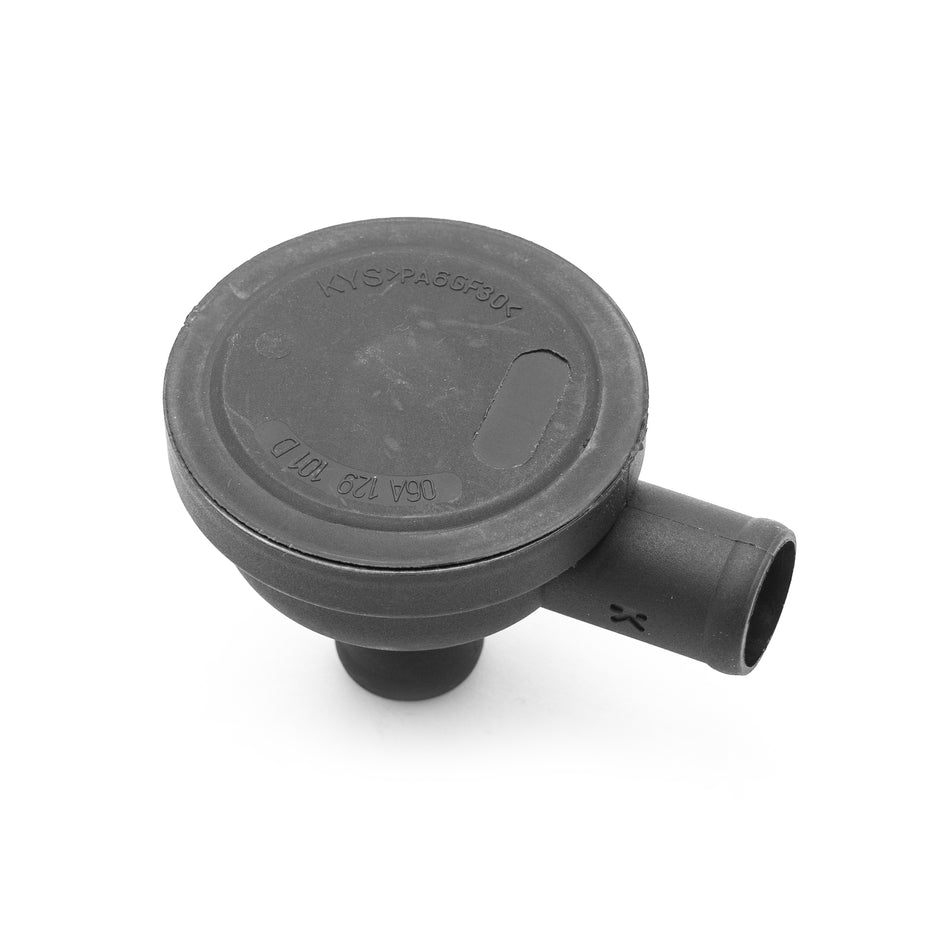
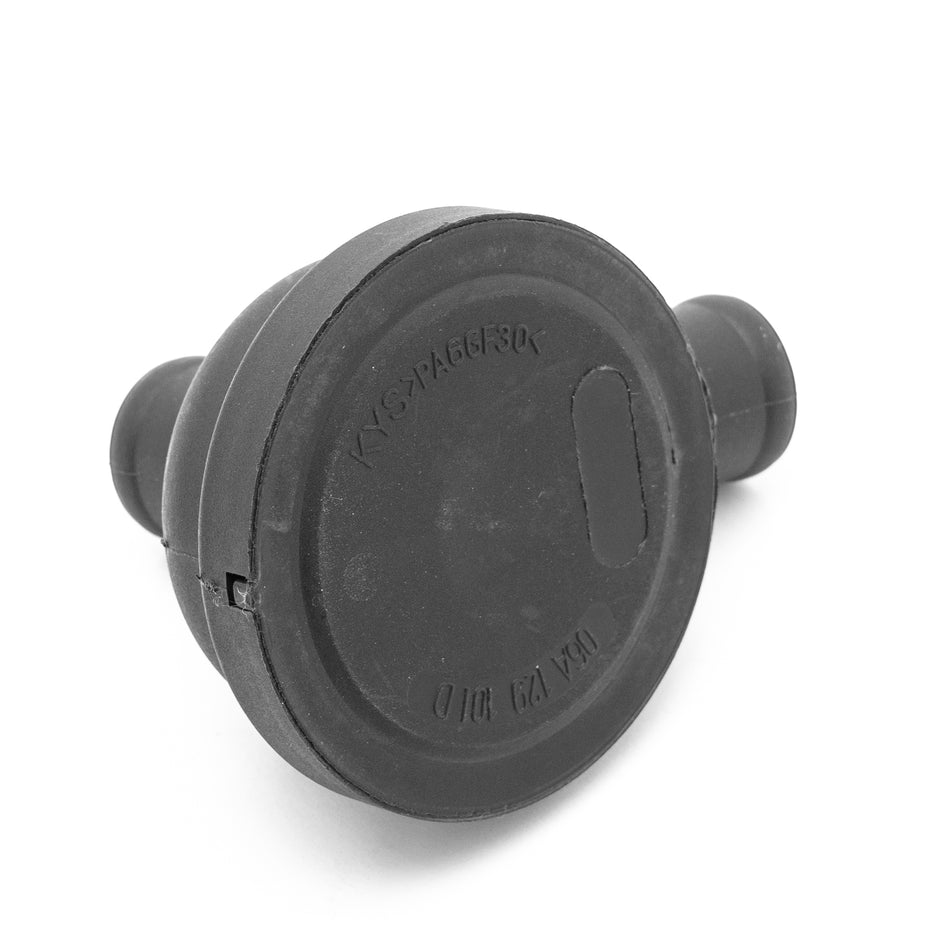
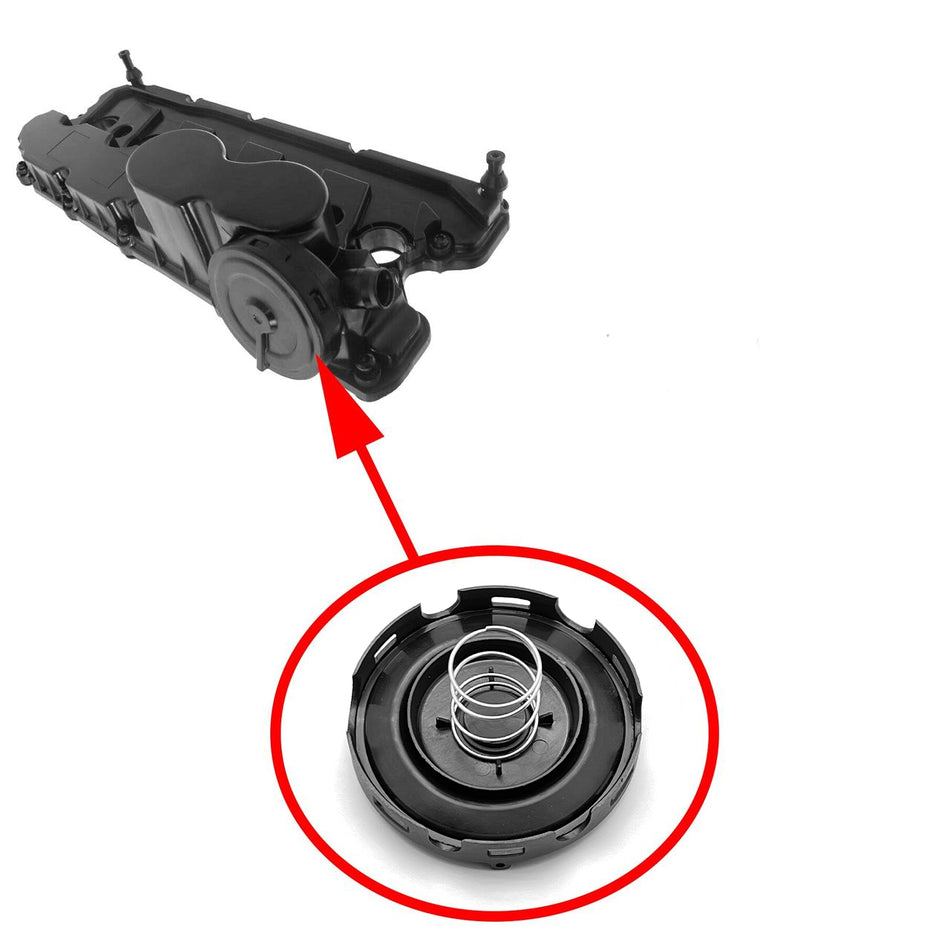
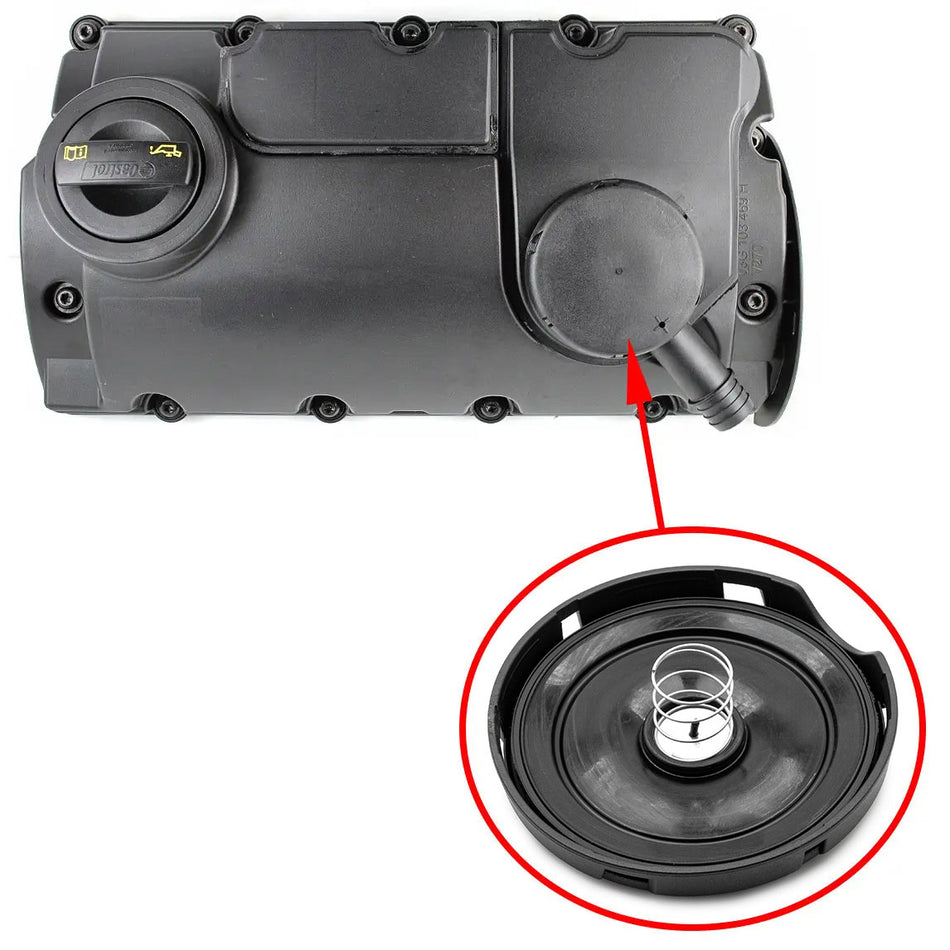
Match by OEM number, engine code, and exact system type. The category includes parts for 1.4L, 1.6 MPI, 1.8/2.0 TSI/TFSI, 2.0 FSI, 1.9/2.0 TDI, 3.0 TDI, 3.2 FSI, 3.6 FSI, Touareg/Q7-style 3.0 TDI, and other VAG variants. There is no safe shortcut here. VW PCV parts can look similar while behaving completely differently.
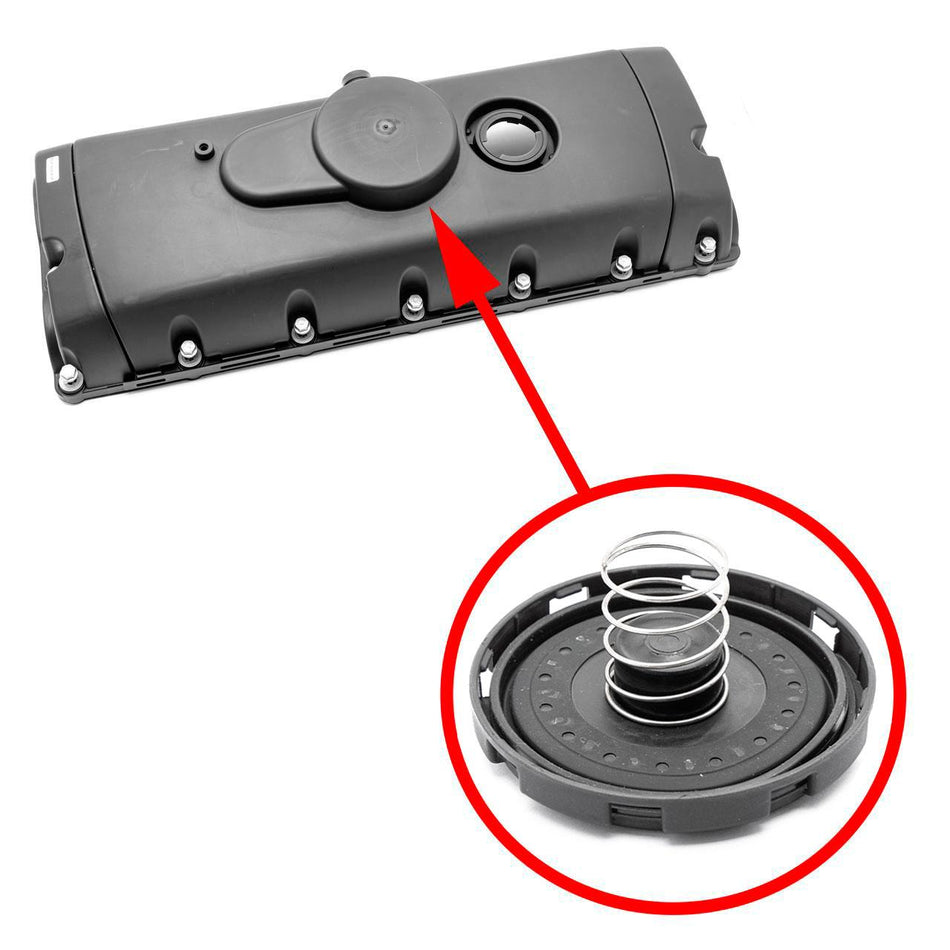
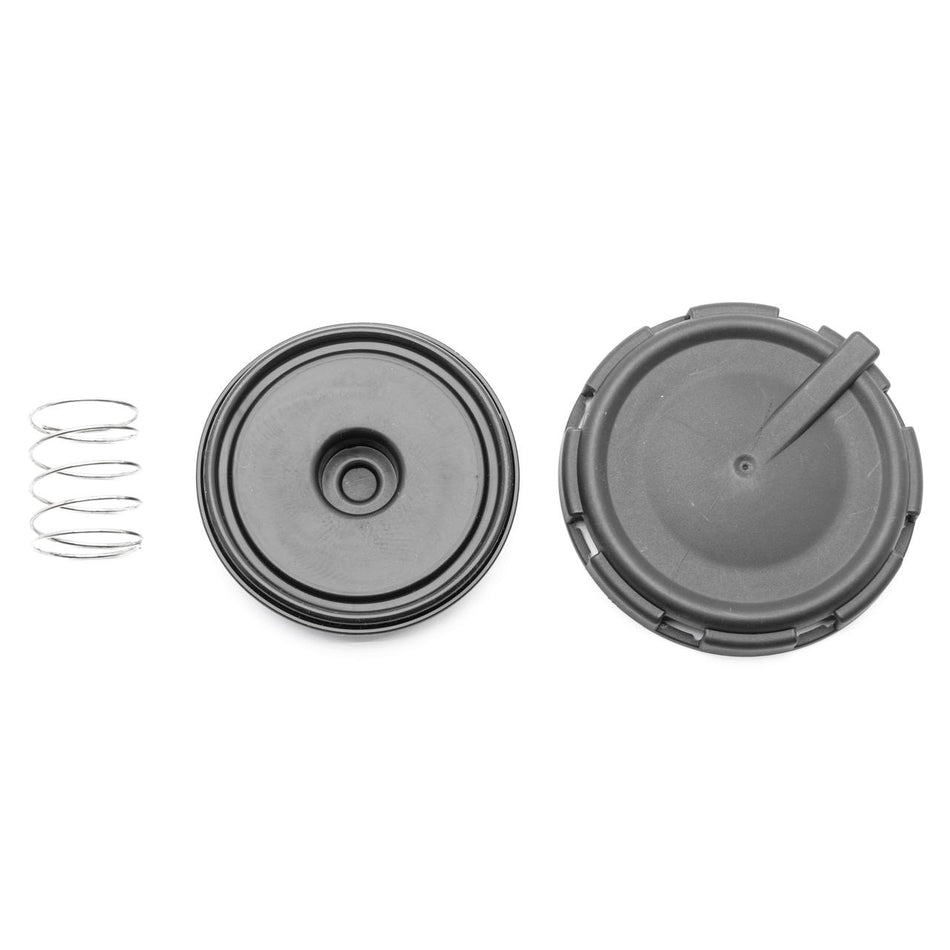
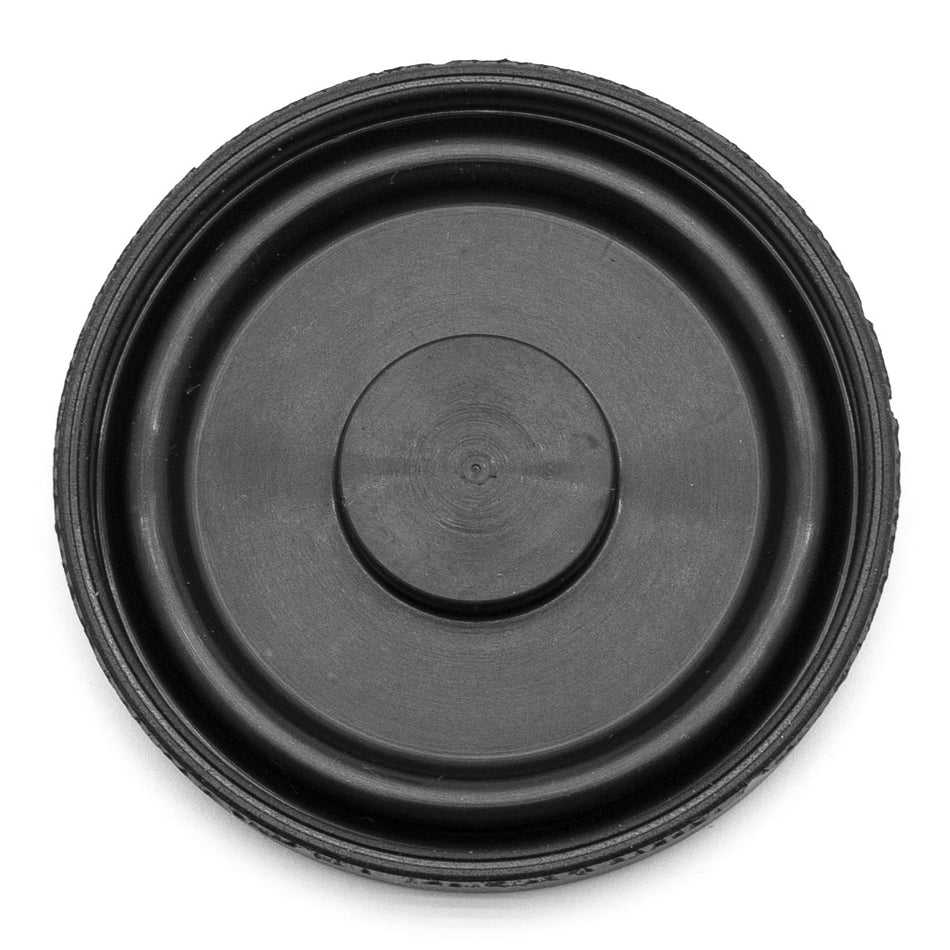
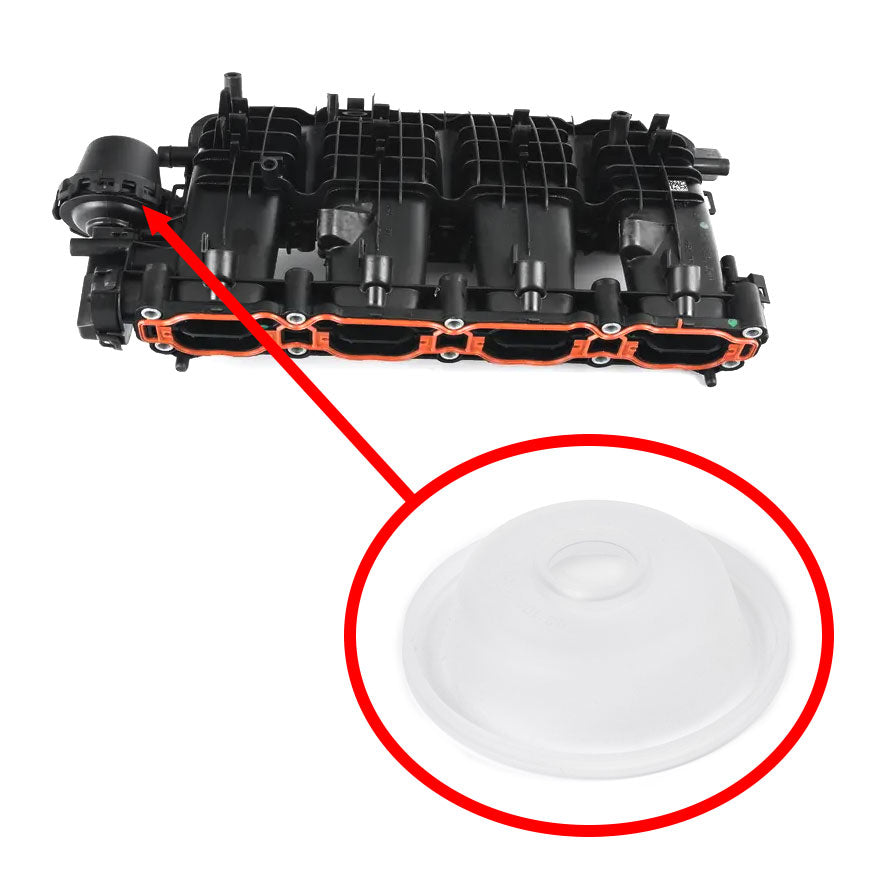
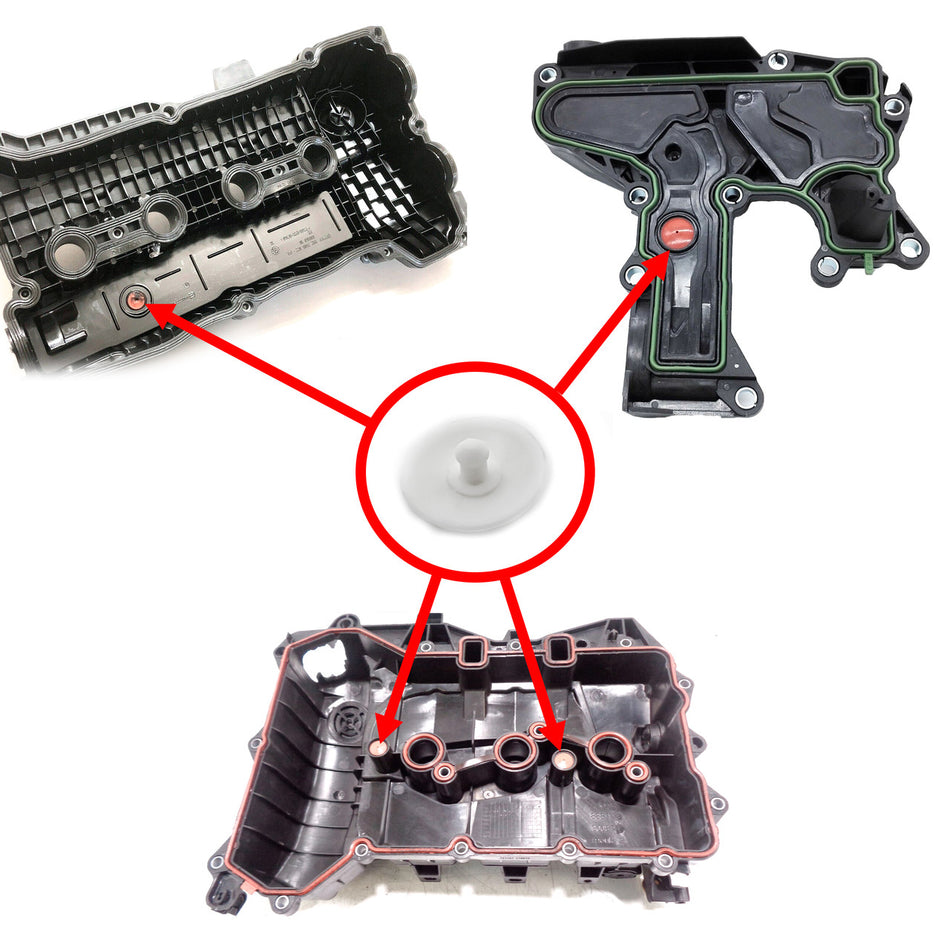
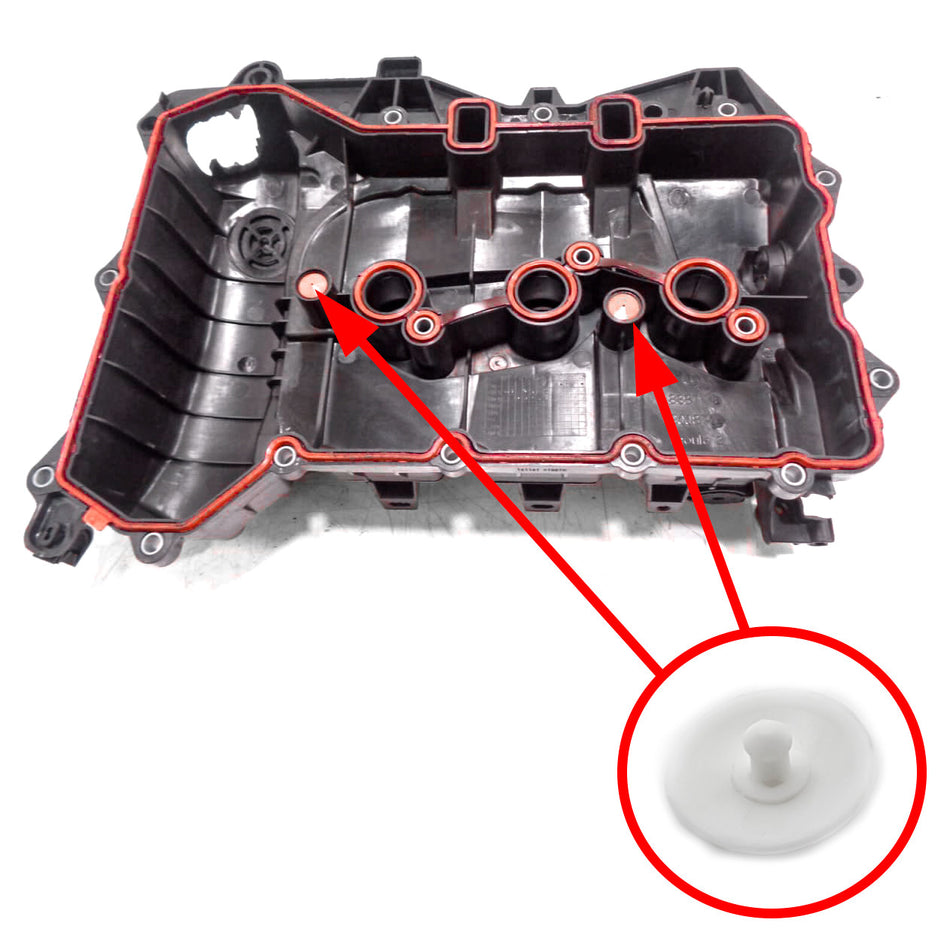
VW-specific PCV components restore proper crankcase pressure, reduce oil leaks, keep intake plumbing cleaner, stabilize idle, improve throttle response, and help protect turbo seals. Klifex positions these parts as precision-engineered valves and separator kits with reinforced diaphragms, high-flow oil traps, and OE-style mounting interfaces for VAG workshop and DIY use.