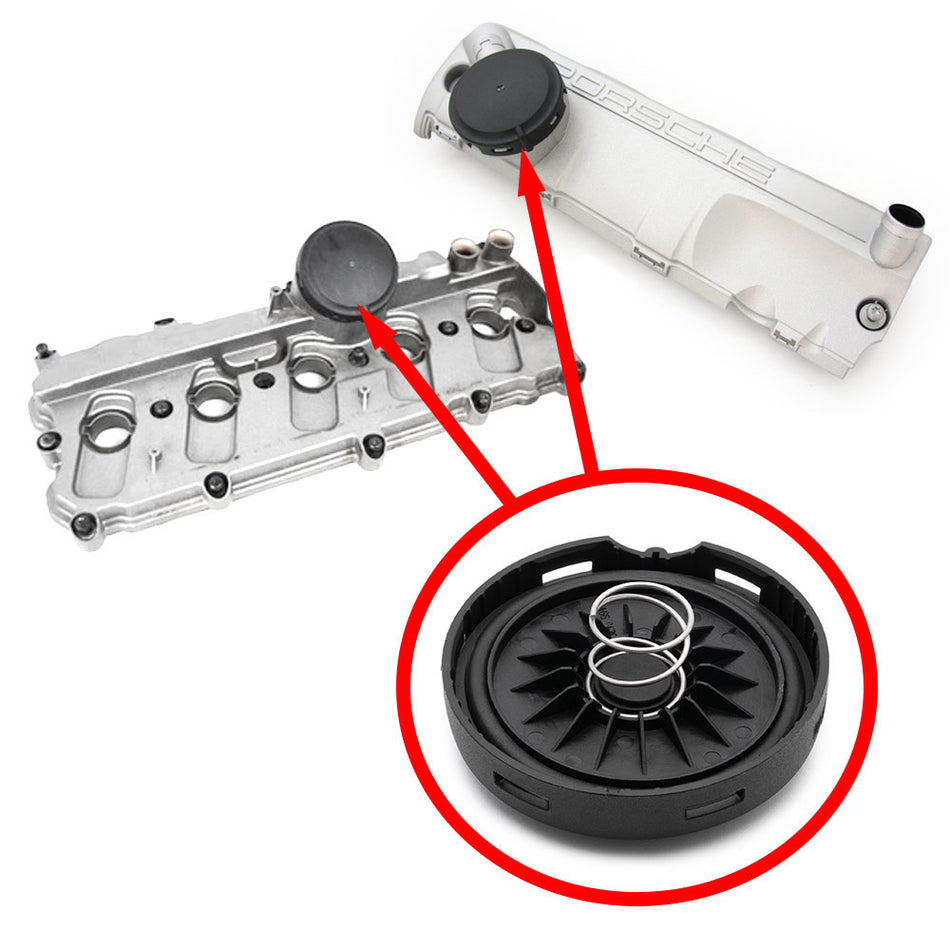
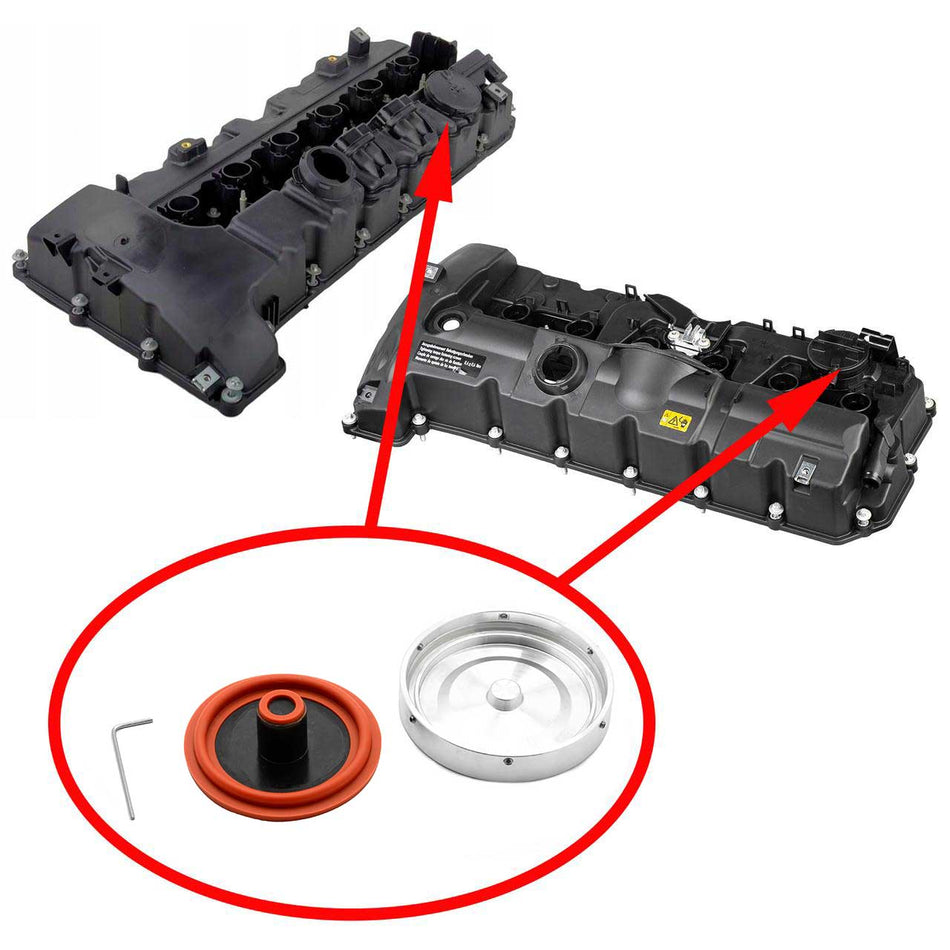
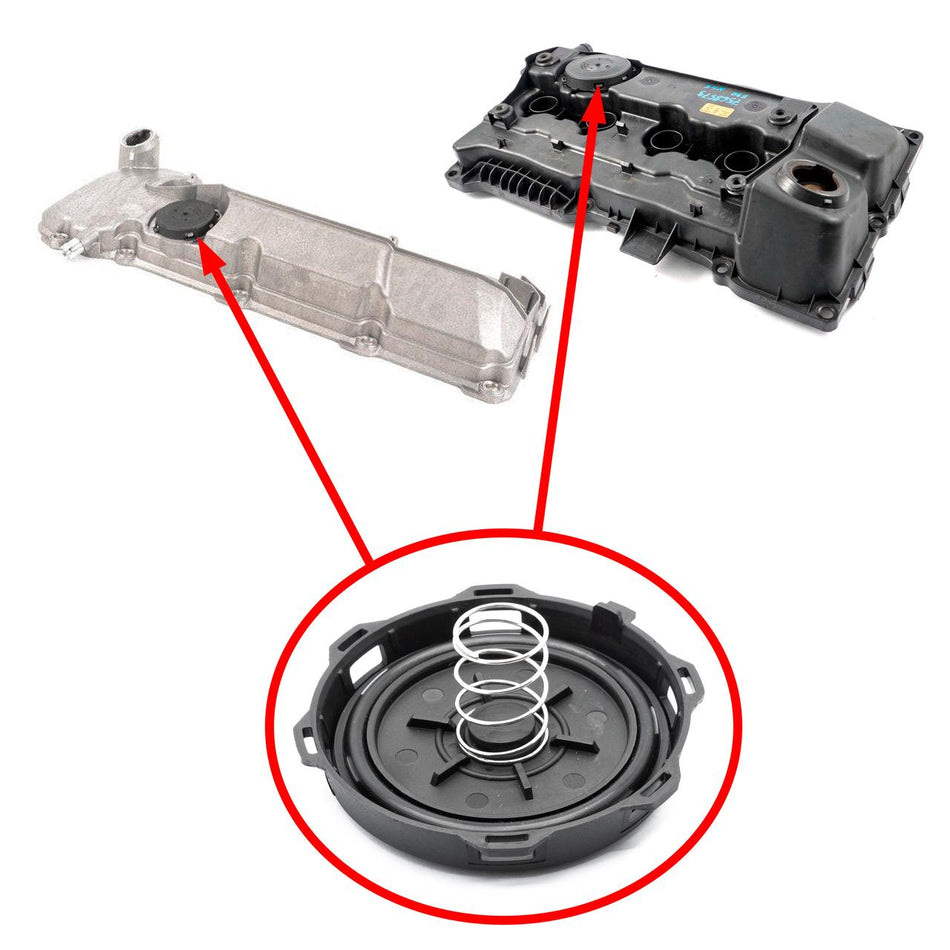
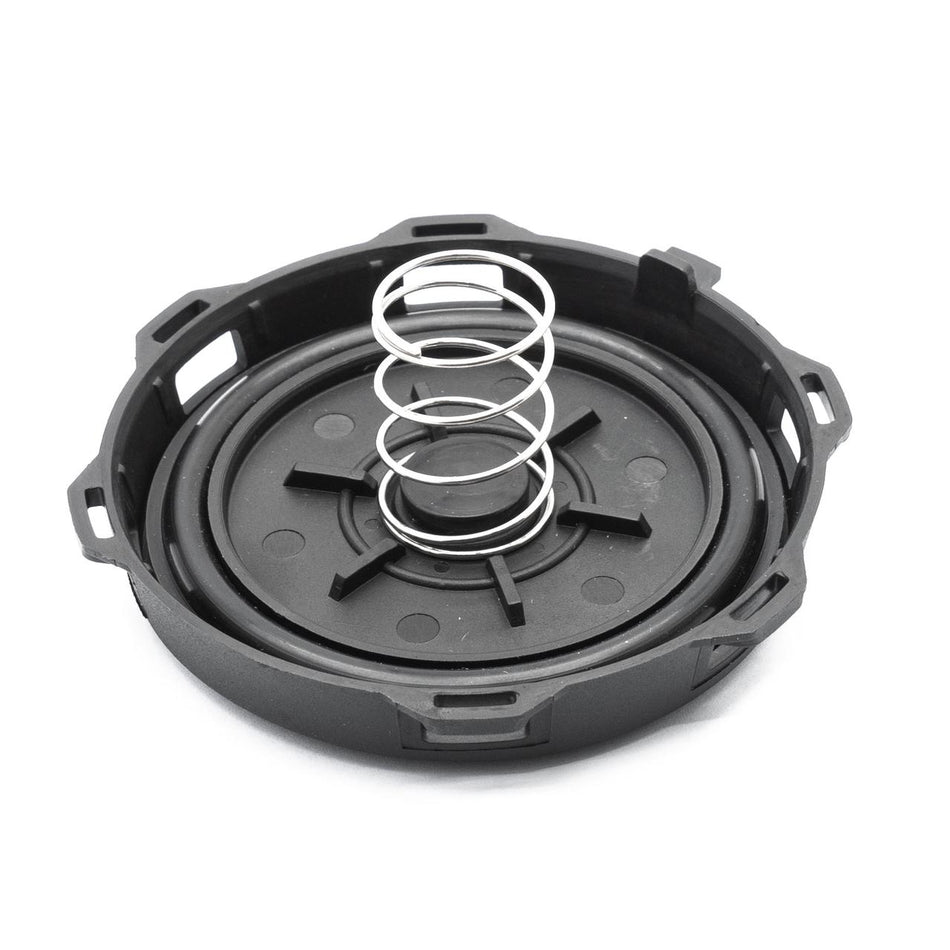
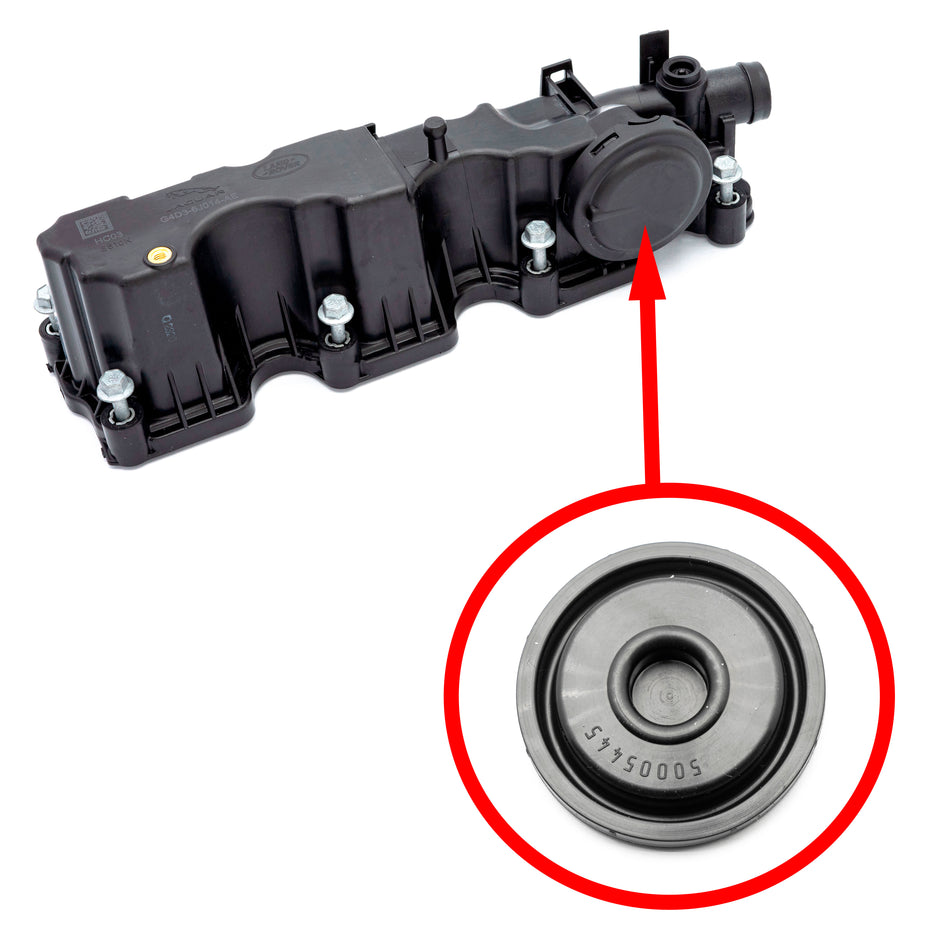
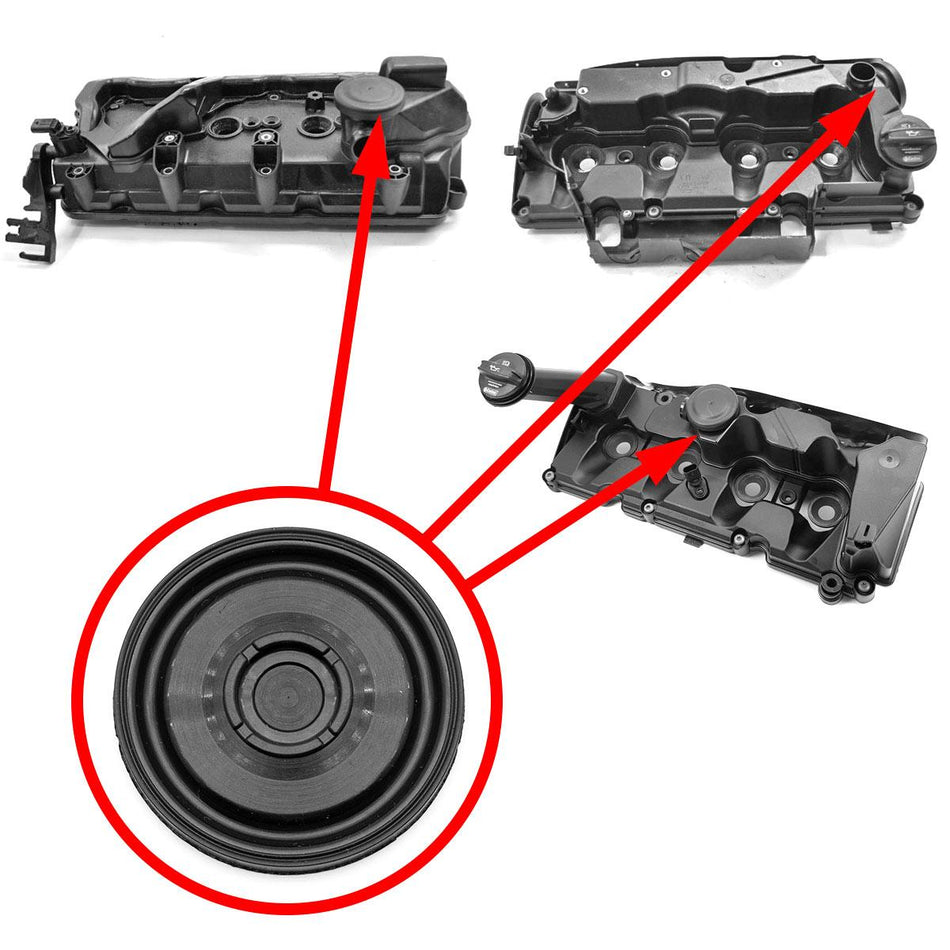
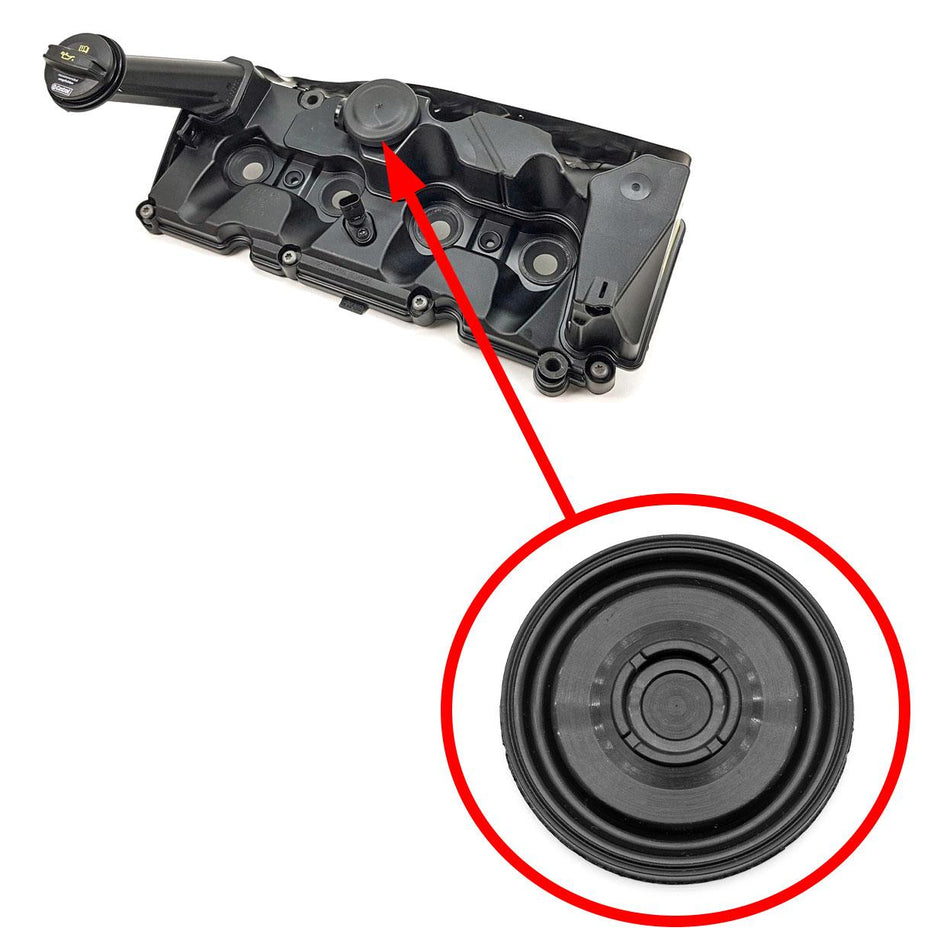
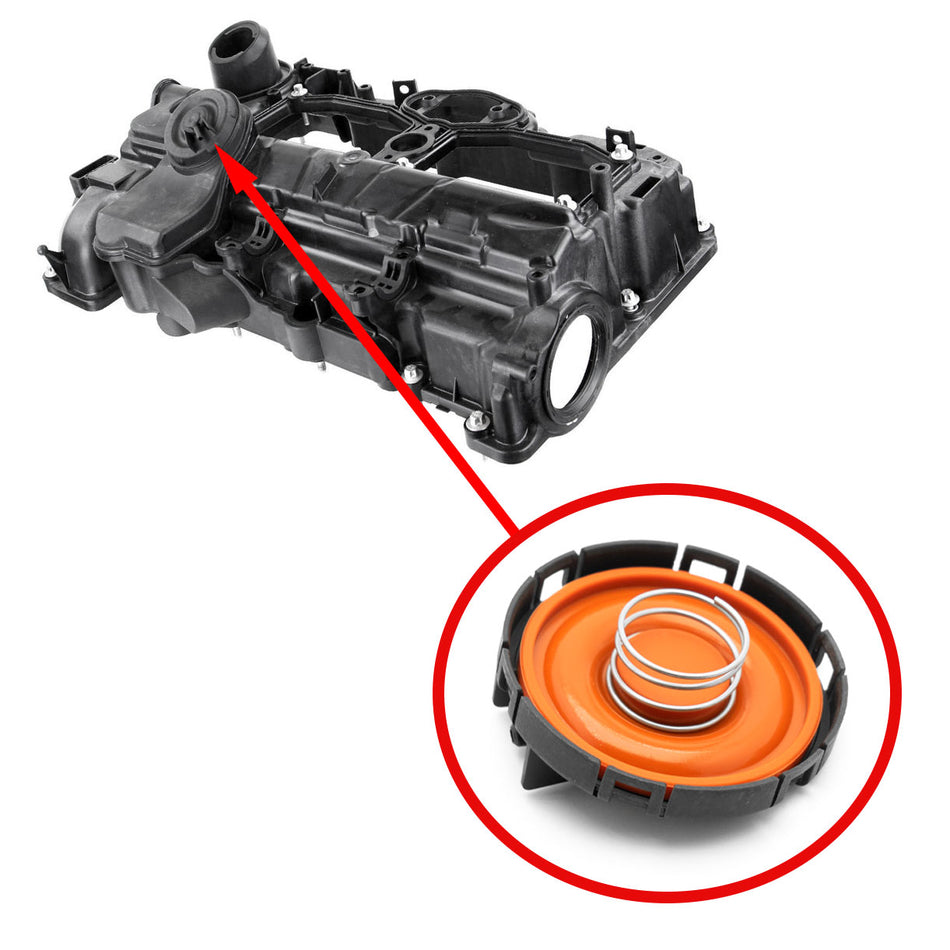
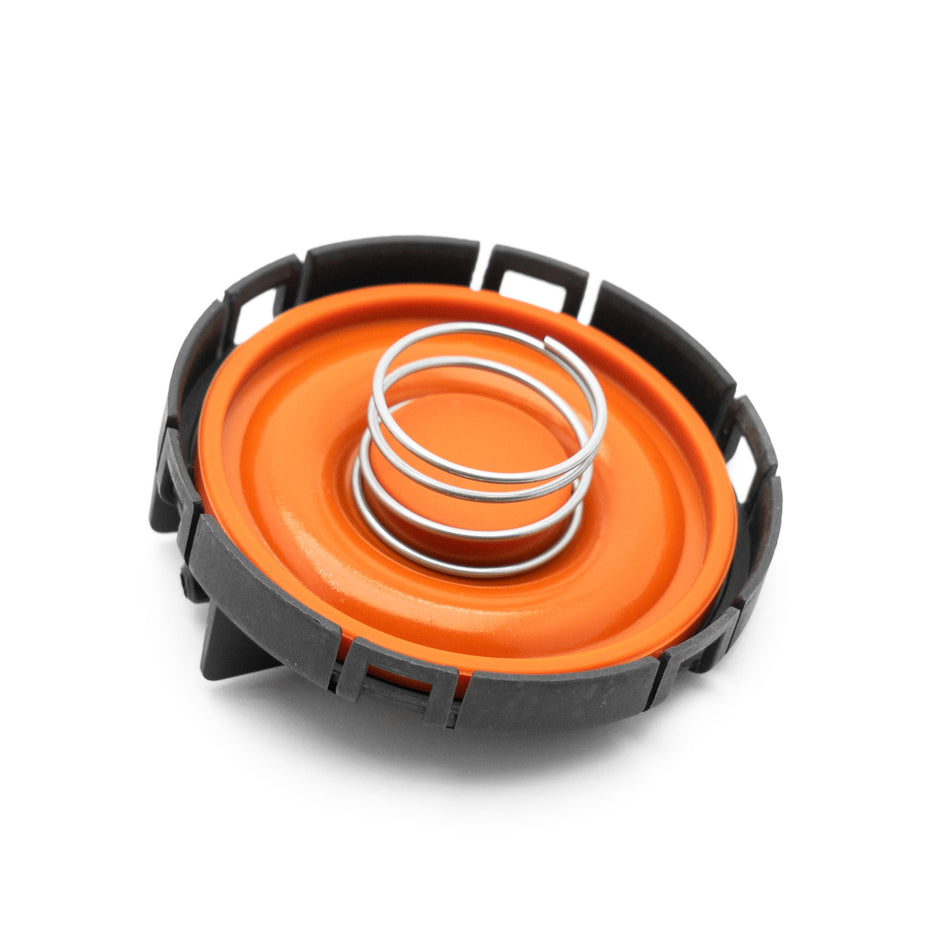
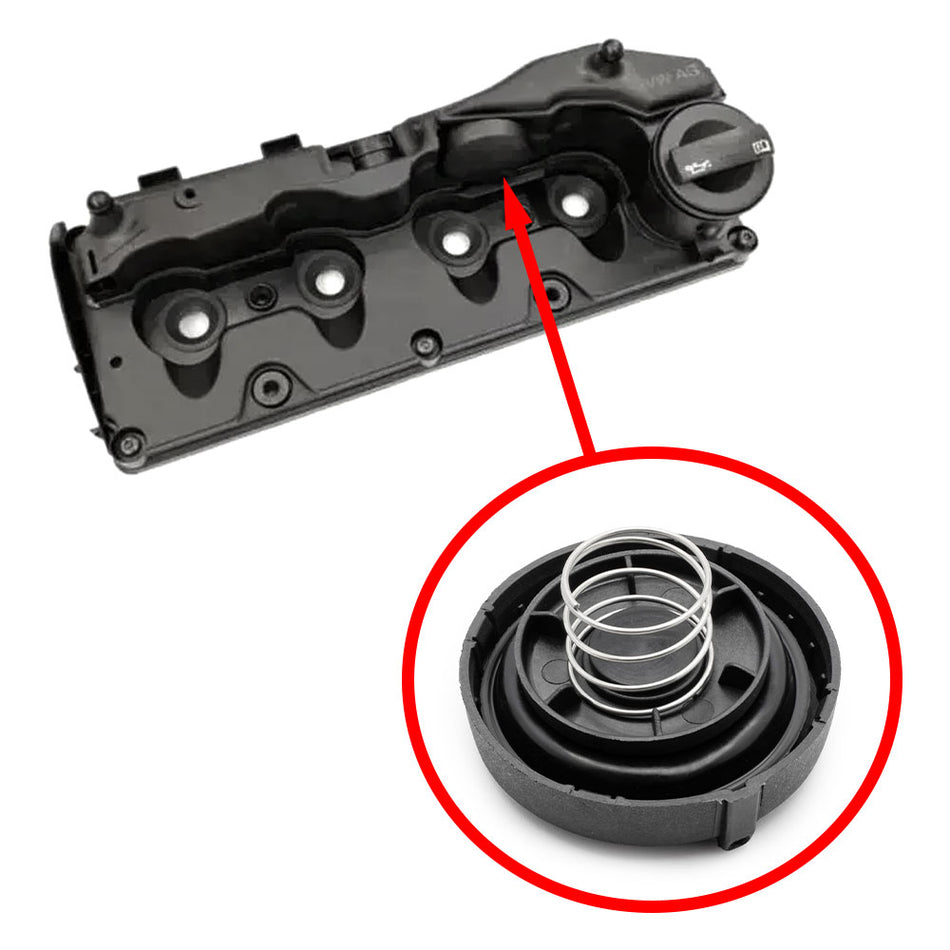
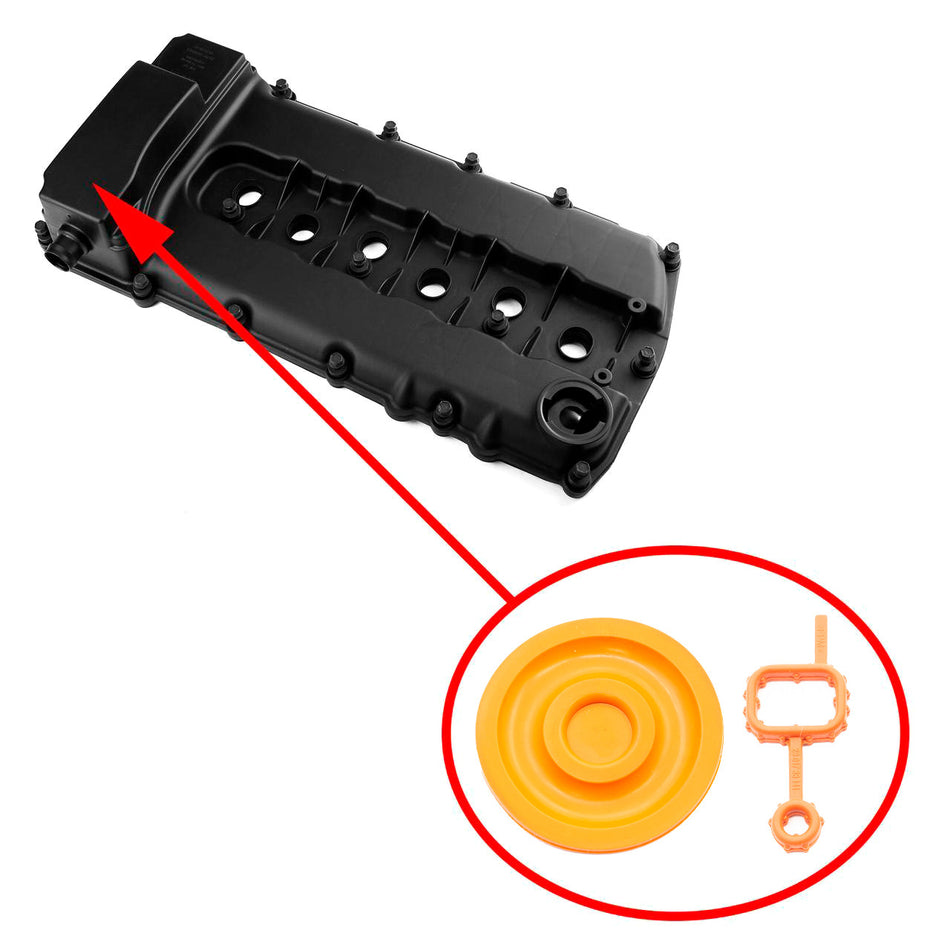
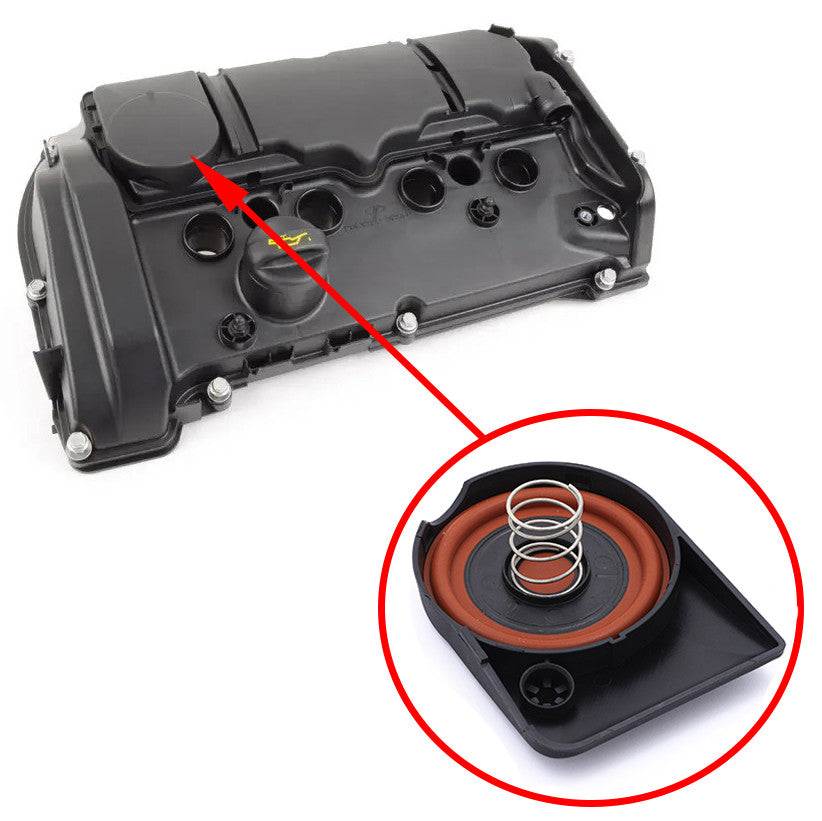
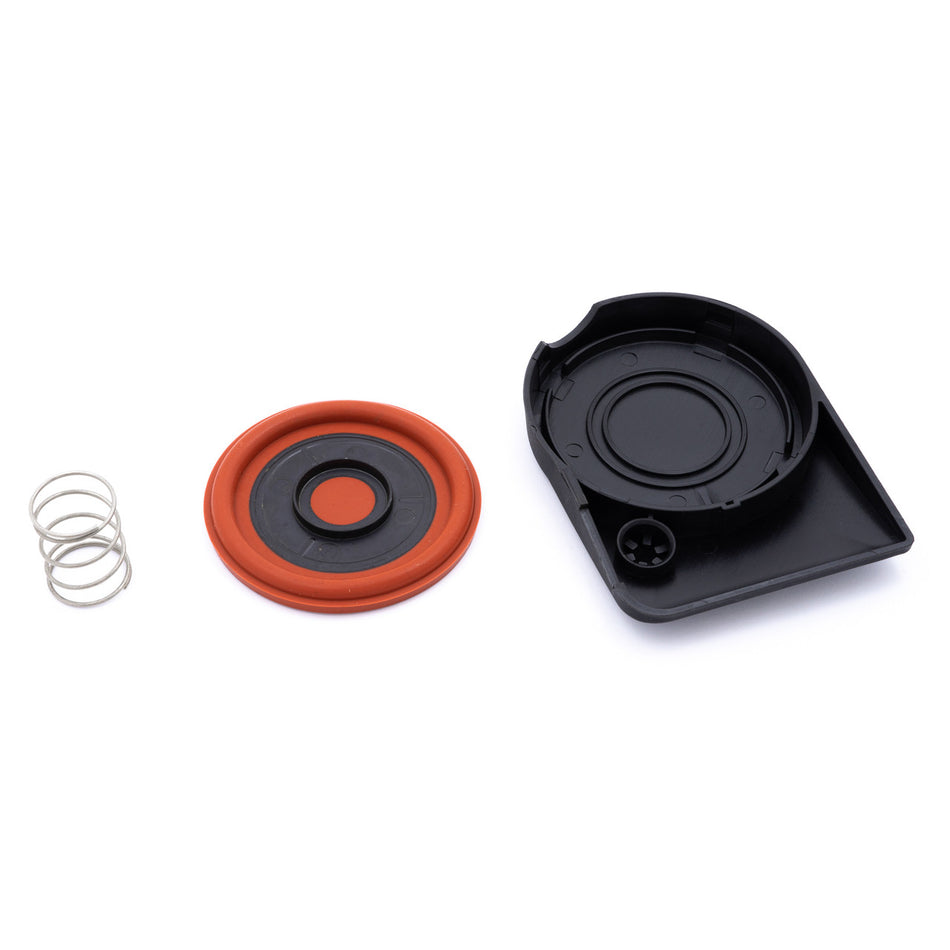
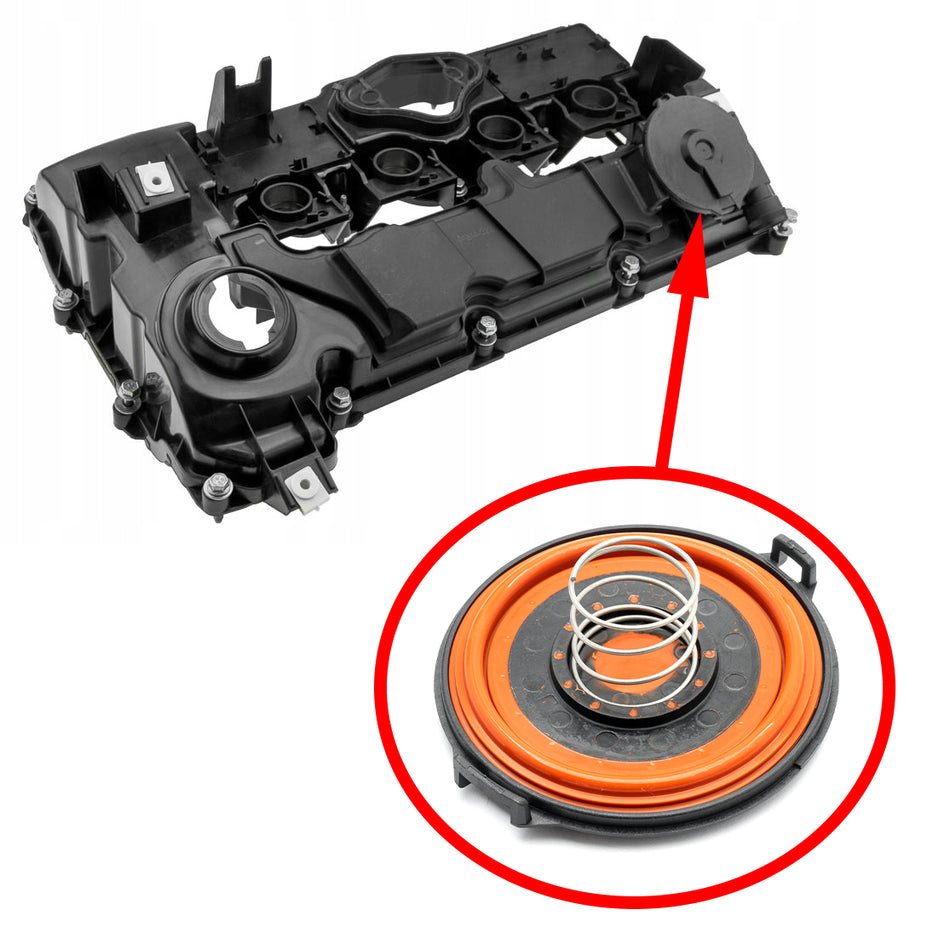
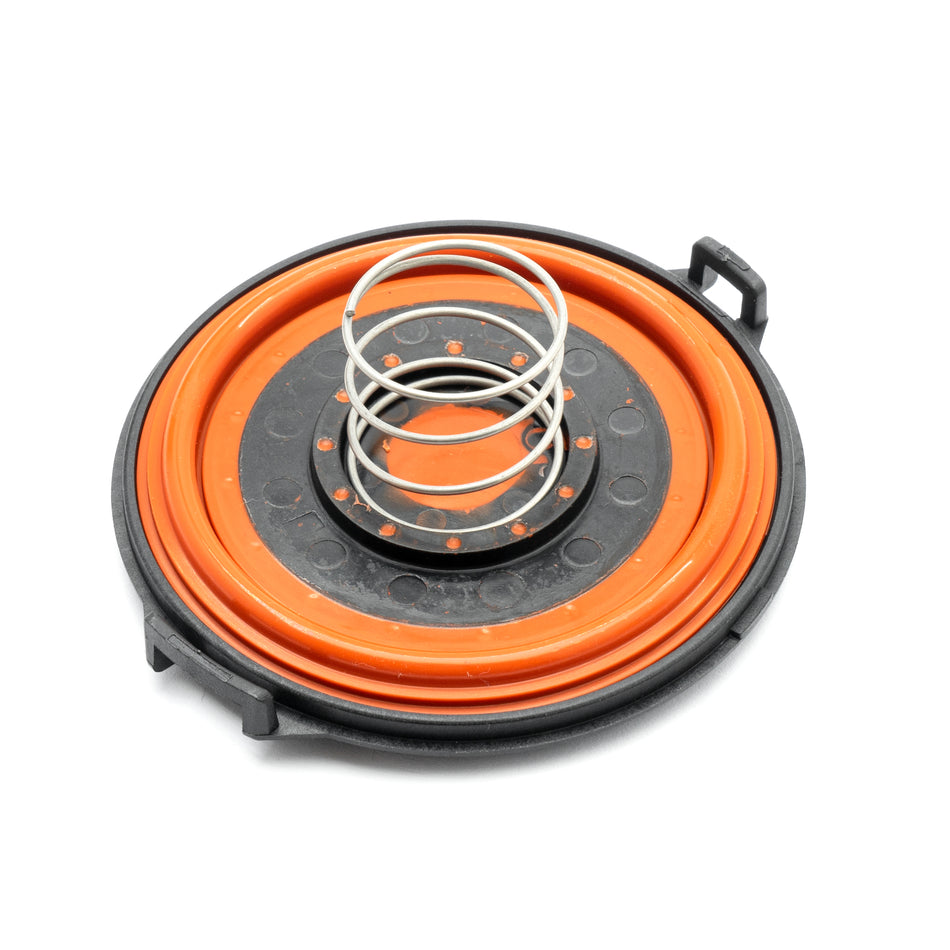
Valve Cover Membranes (PCV/Breather Diaphragms) — Repair Kits & Replacement Parts
A PCV valve cover membrane is the small, flexible diaphragm inside many modern valve covers that regulates crankcase ventilation. When it tears, hardens, or sticks, you get vacuum leaks, oil carry-over, and pressure-related leaks, so it's time to fix it. Otherwise, instead of replacing a small rubber component, you may need to replace the entire valve cover assembly:
-
Fixes vacuum leaks, whistling, rough idle, and oil leaks caused by failed PCV/breather parts.
-
Fitment-first: always match the OE/part number and engine code.
-
For professional shops and experienced DIYers who can verify fitment and bench test.
Need help matching your membrane? Send VIN + OE number.
What is a Valve Cover Breather / PCV Diaphragm?
The PCV valve membrane is the flexible seal inside an integrated PCV/breather assembly that meters blow‑by gas back to the intake. It opens and closes with pressure changes to keep crankcase vacuum in range and to limit oil mist from entering the intake tract.
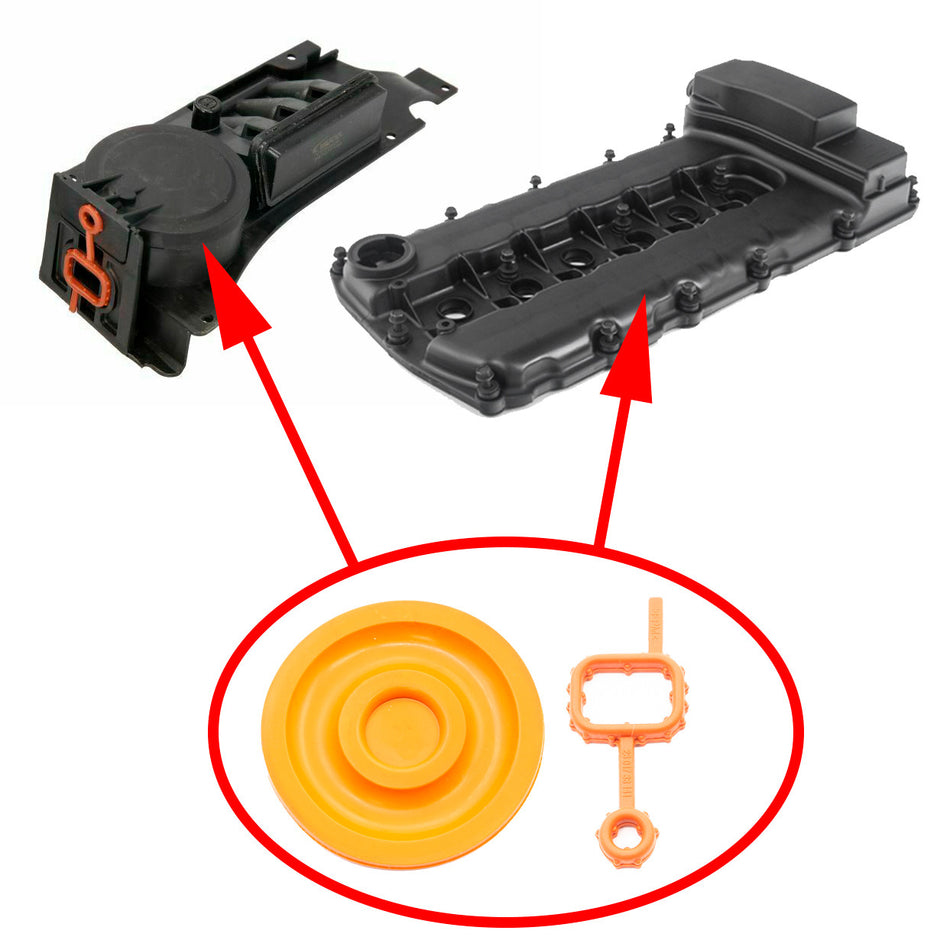
The BMW, VAG, Mercedes valve cover membrane and diaphragms are serviceable; on others, it’s part of an integrated cover. Replacing a worn membrane restores pressure control and reduces oil carry‑over when the housing is serviceable.
How the Valve Cover PCV System Works
The system controls crankcase pressure and routes vapours back into the engine:
-
Crankcase ventilation basics: blow‑by gases collect in the crankcase; the PCV path vents them under controlled vacuum, preventing pressure build-up and oil leaks.
-
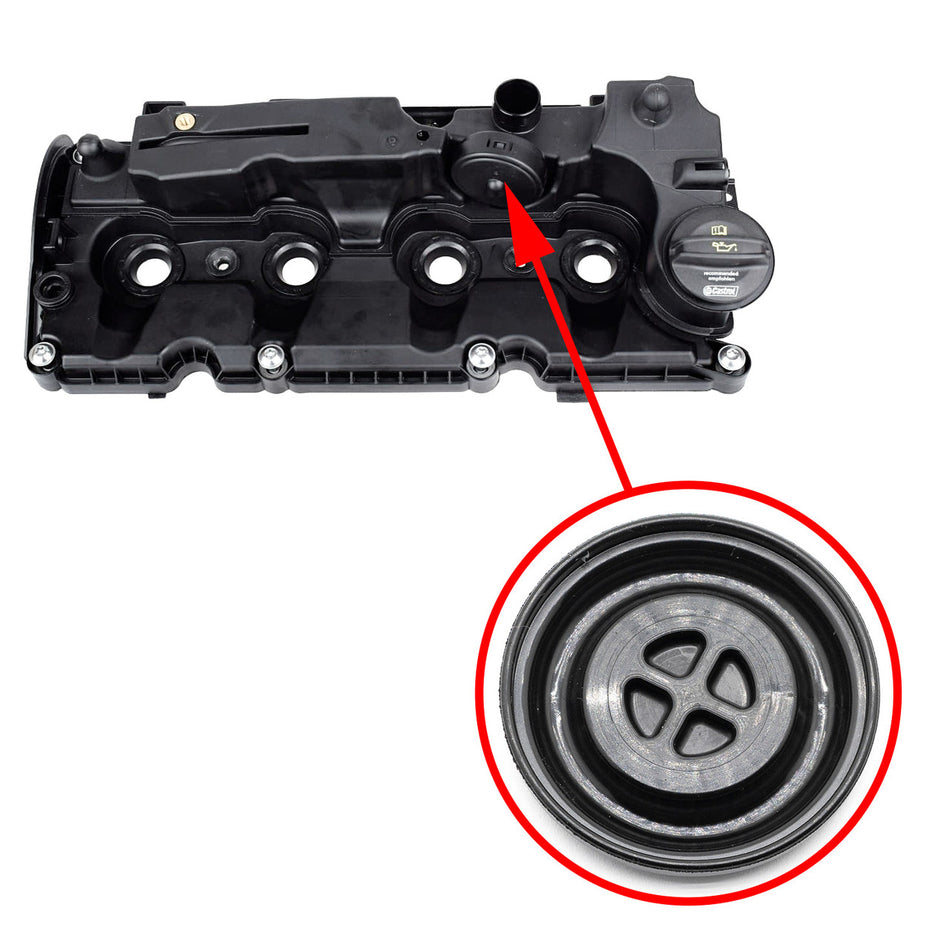
Valve cover integrated PCV: many covers place the PCV valve and membrane inside the cover to reduce plumbing; it’s compact but concentrates failure risk.
Know whether your car uses an integrated valve or a remote separator. That determines the repair path.
Symptoms of a Failed Valve Cover Membrane
If the PCV valve membrane fails, you’ll see pressure or contamination symptoms. Here’s what to watch for:
-
Whistling/honking at idle or boost → torn membrane or valve stuck open.
-
Rough idle or lean sensation → vacuum leaking through the diaphragm or seals.
-
Oil leaks at the valve cover, dipstick, or breather hoses → crankcase overpressure forcing oil past gaskets.
-
Increased oil consumption or oil in intake/intercooler (turbo cars) → separator failure or bypassing oil mist.
-
Visible smoke or heavy breather discharge → serious oil carry‑over.
What Causes Valve Cover Diaphragms to Fail?
The valve cover diaphragm is exposed to many stresses, including heat, cold, and mechanical strain:
-
Heat cycling → elastomers dry and crack over time.
-
Oil contamination → blow-by and bad seals coat the diaphragm, making it sticky or soft.
-
Soot and sludge → deposits abrade seals and block separator paths.
-
Freeze and condensation → water in passages can freeze and rupture thin membranes in cold climates.
-
Blocked vents or stuck valves → pressure spikes tear diaphragms.
-
Bad vacuum supply (cracked hoses, weak solenoids) → abnormal cycling and fatigue.
Note: Replacing only the membrane helps, but clogged passages/hoses can cause repeat failures.
Valve Cover Membrane vs. Full Valve Cover Replacement
Noticed symptoms? Then it's time to fix. But what ultimately needs to be fixed: the valve cover diaphragm, or the membrane? Choose repair or replacement based on inspection and testing:
-
Repair the membrane if the diaphragm is confirmed faulty, the cover is crack-free, and the mating surfaces seal flat.
-
Replace the entire cover if the housing is cracked, the ports are corroded or filled with carbon, the integrated valve seats are damaged, or the design isn't serviceable.
Make sure to bench-test the unit and inspect the cover before deciding. Otherwise, it would be ridiculous to buy a PCV diaphragm repair kit while the valve cover breather is being prepared for its “final ride”.
What’s Included in a PCV Valve Cover Diaphragm Repair Kit
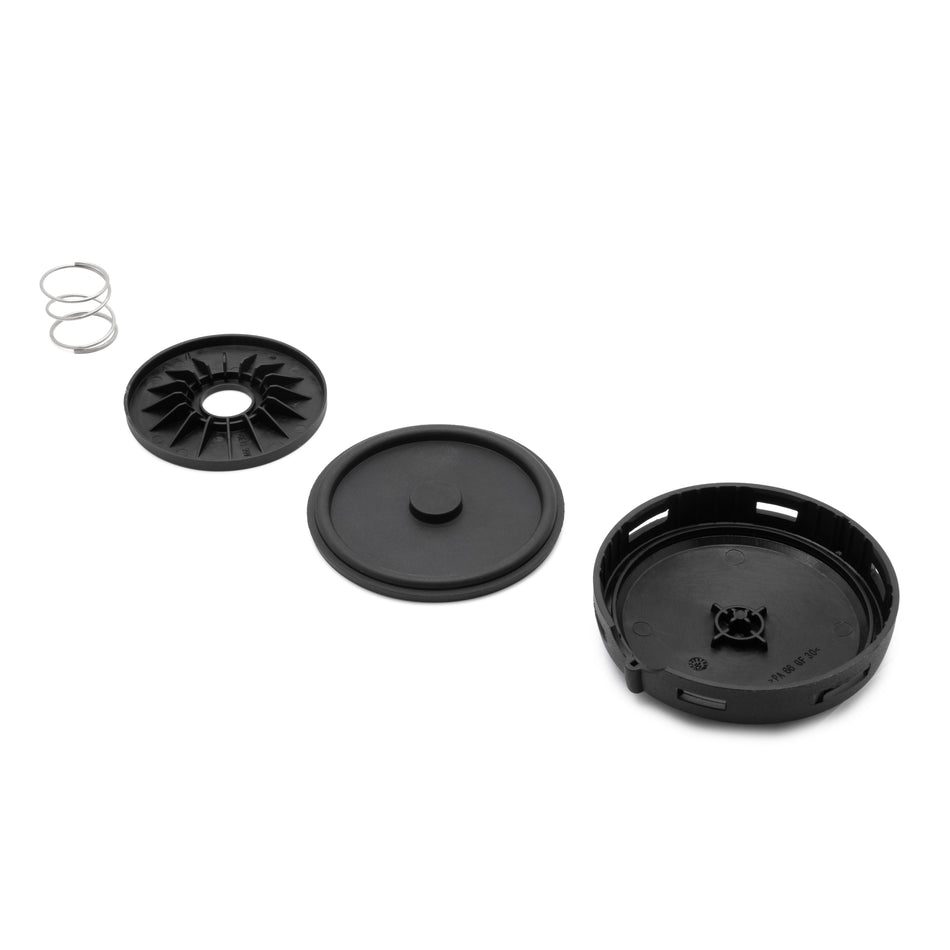
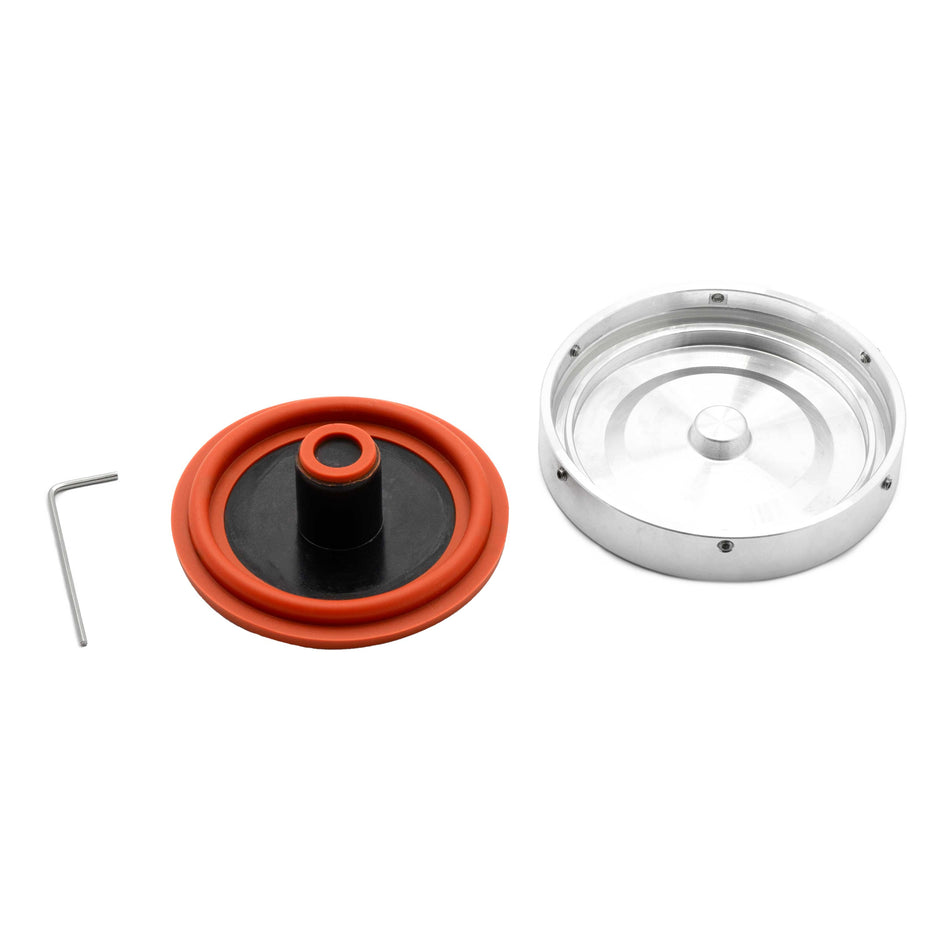
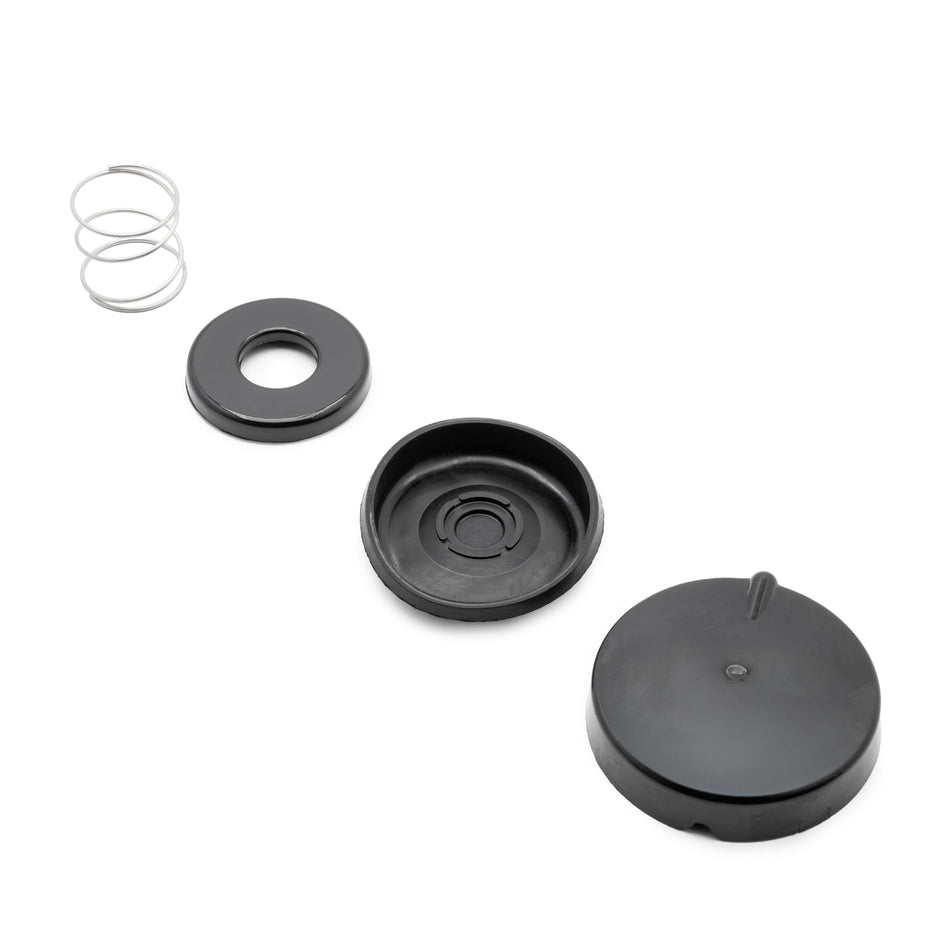
Kits vary by model and revision. They may include:
-
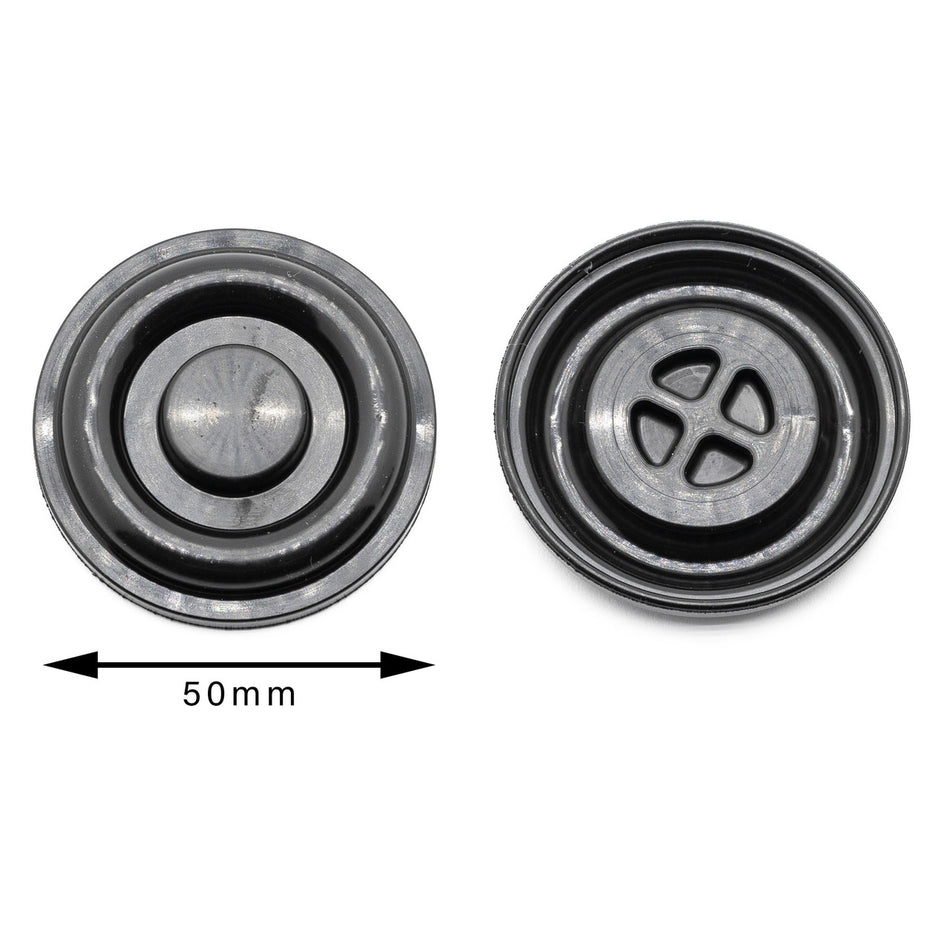
PCV valve diaphragm/membrane.
-
Retaining cap, plate, or clips (design dependent).
-
O‑rings, gaskets, and sealing rings;
Please, always check the product diagram and parts list before ordering.
How to Choose the Correct Valve Cover Diaphragm
Get the exact match to avoid returns. The quickest, most reliable method: use the OE number stamped on the PCV valve cover or listed in service documentation. VIN lookup helps when parts are changed mid‑production.
Some vehicles separate the PCV valve from the cover; others integrate them. Verify you’re ordering the valve cover membrane and not an oil separator or intake actuator diaphragm.
Before you order: gather VIN, engine code, OE number, or clear photos of the valve cover PCV area, plus symptom notes or scan data. Send these to support for pre‑purchase confirmation.
“Vacuum Regulator Diaphragm” — Is It the Same Part?
Not always. Some cars have separate vacuum regulators or actuators with diaphragms unrelated to the valve cover. This page is specifically about the valve cover and PCV valve membrane. If you’re troubleshooting turbo actuators, EGR, or intake runner systems, consult the relevant category.
Installation Overview
Work clean and keep debris away from intake openings. Remove the cover, valve membranes, or housing per service instructions, fit the replacement diaphragm and any supplied seals, and clean mating faces. If possible, bench‑test vacuum behaviour before reinstalling.
Prevent Repeat Failures
Want the new diaphragm to last? Fix what chewed up the old one. Change to the correct oil, swap any brittle or oily vacuum lines, clean the separator and intercooler if greasy, and replace faulty solenoids or blocked vents.
Checklist:
-
Correct oil & intervals.
-
Replace brittle/oily hoses.
-
Clean separator/intercooler.
-
Replace blocked solenoids/vents.
Buying Valve Cover Membranes Online
Search by OE number or engine code and review product diagrams and photos. If unsure, contact support with the VIN and clear pictures of the PCV valve cover and PCV ports, and we’ll confirm the correct kit and note any extra seals required. Shops: stock common diaphragm kits and include diagnostic notes with each repair.