
Your cart is empty
19 Products
19 Products
Porsches are built to perform and go fast, and their crankcase venting quietly helps keep them that way. The Porsche PCV system quietly sends combustion gases back into the intake to burn off, instead of letting oil-laden vapor make a mess. And the matter is more than you might think.
High RPMs, flat layouts and turbo boost increase blow-by and oil mist production. PCV Porsche systems must vent efficiently at idle and shut smoothly on boost. That balance prevents oil from reaching the intake and keeps the turbo seal, sensors, and engine happy.
Factory and quality aftermarket systems aren’t just a single valve. They’re a small orchestra of membranes, separators, and check valves tuned to the boxer’s breathing pattern. Good Porsche crankcase ventilation handles pressure swings, separates oil, and behaves predictably whether you are cruising or flogging the car on a back road.
Small things can snowball into bigger Porsche PCV valve headaches for turbos and sensors. Be sure to check for these symptoms:
Overall, the early hints are very easy to spot: more oil consumption, oily residue in intake piping/intercooler, a faint whistle, or a jittery idle after hard runs.
If you spot something strange or early signs from the list above, it’s time to inspect the separator and Porsche PCV valve. Intervals vary by engine and use, but a hands-on check every 30-100 km is a sensible run for peace of mind.
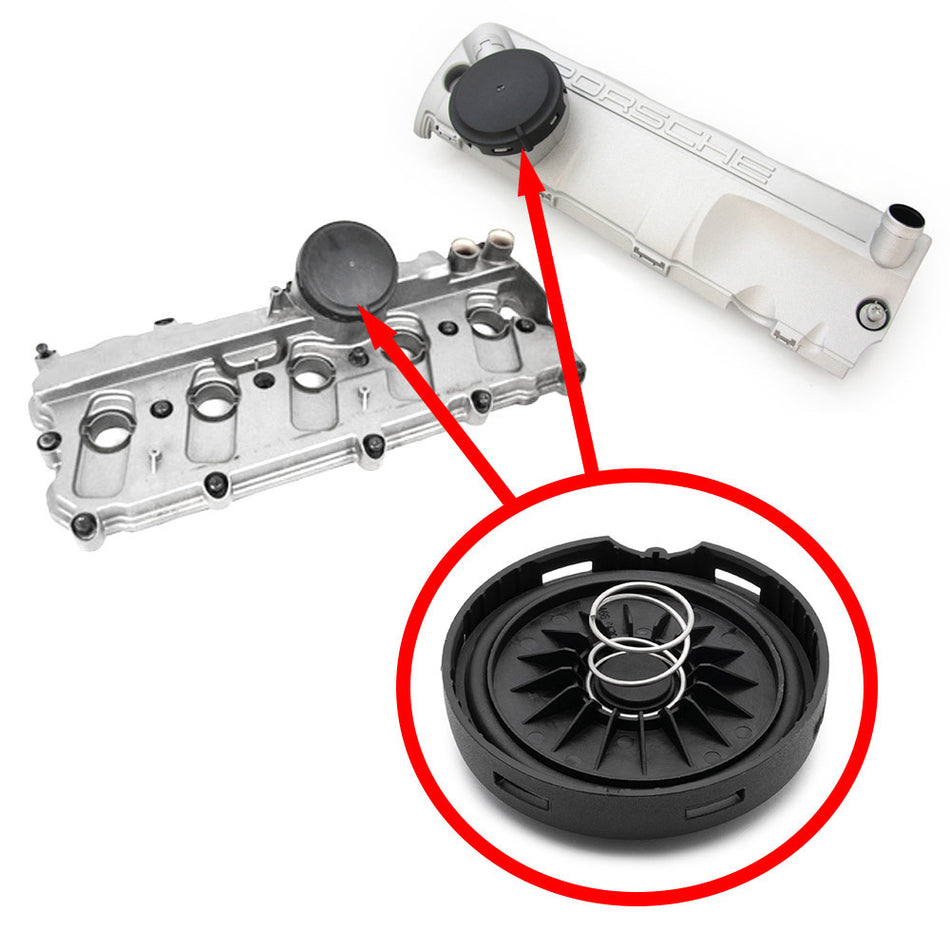
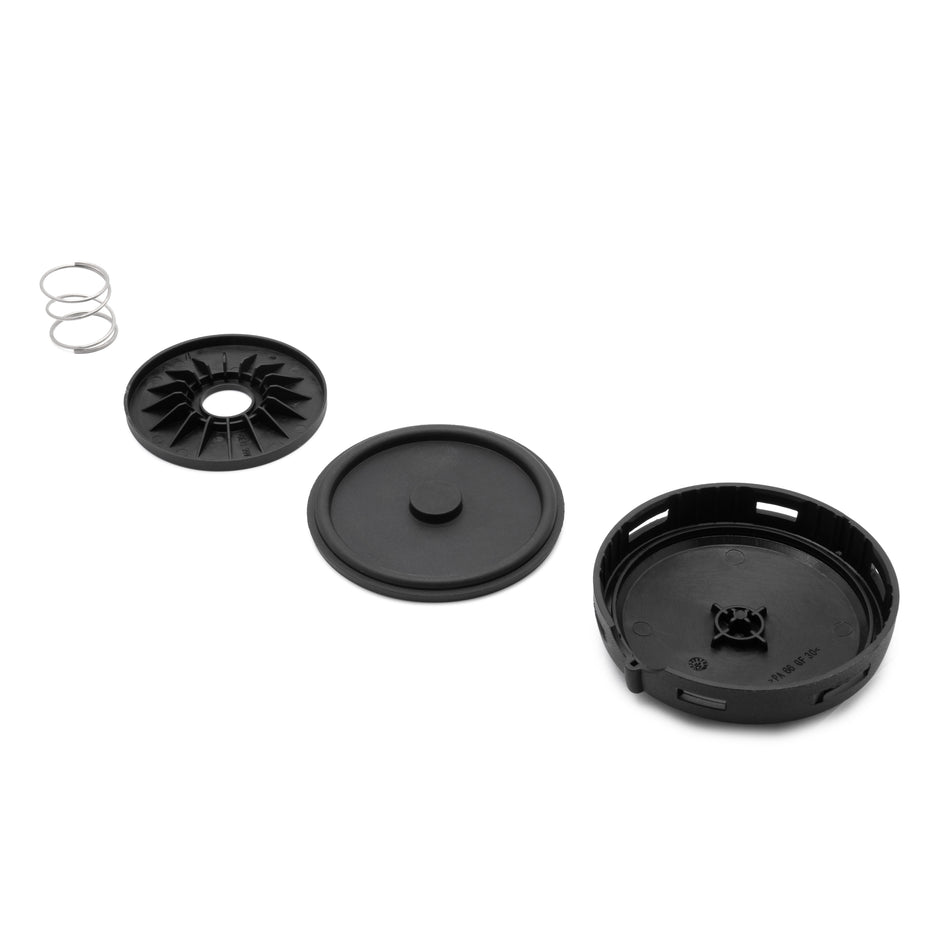
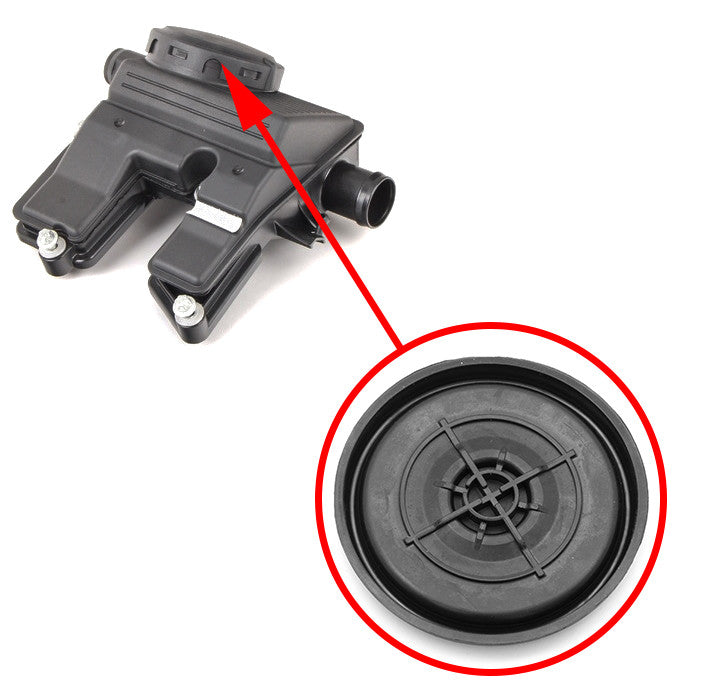
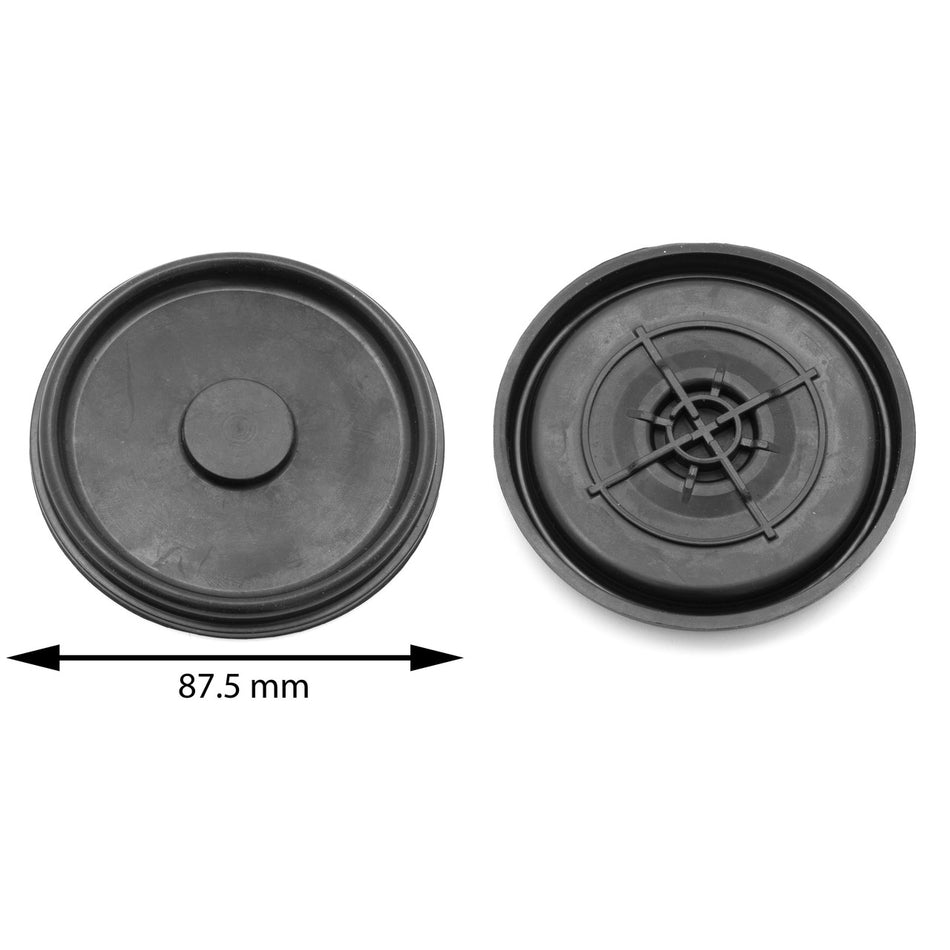
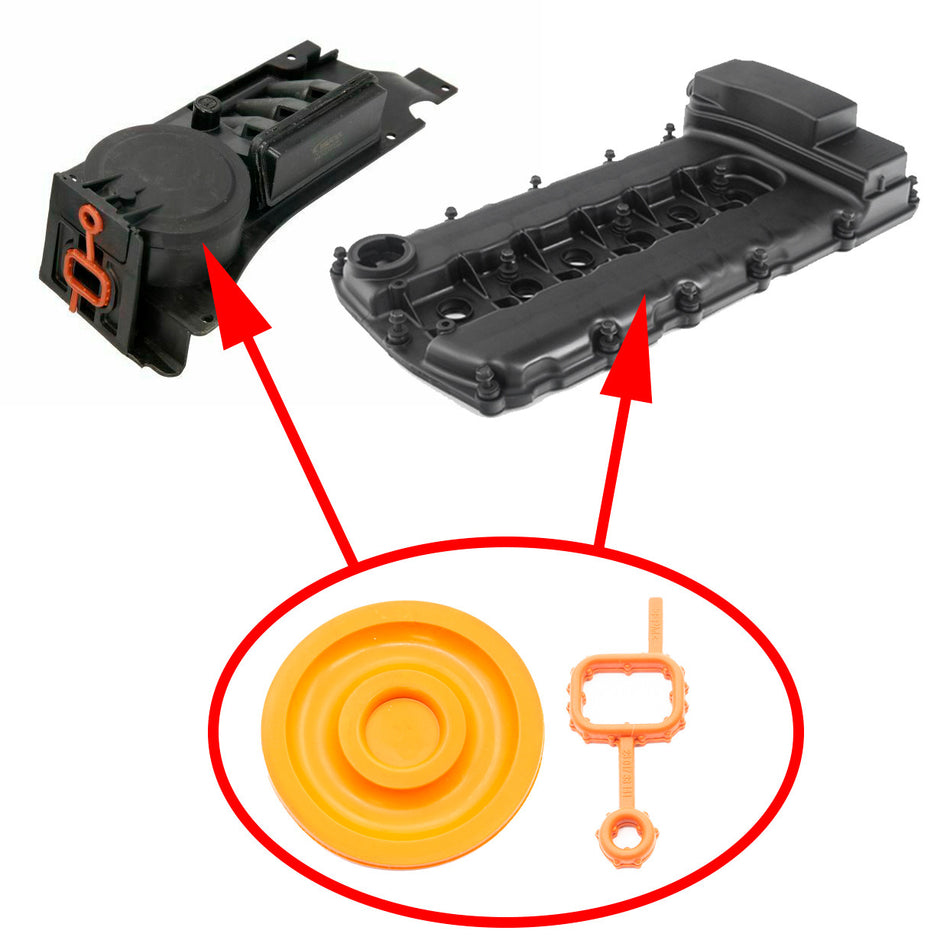
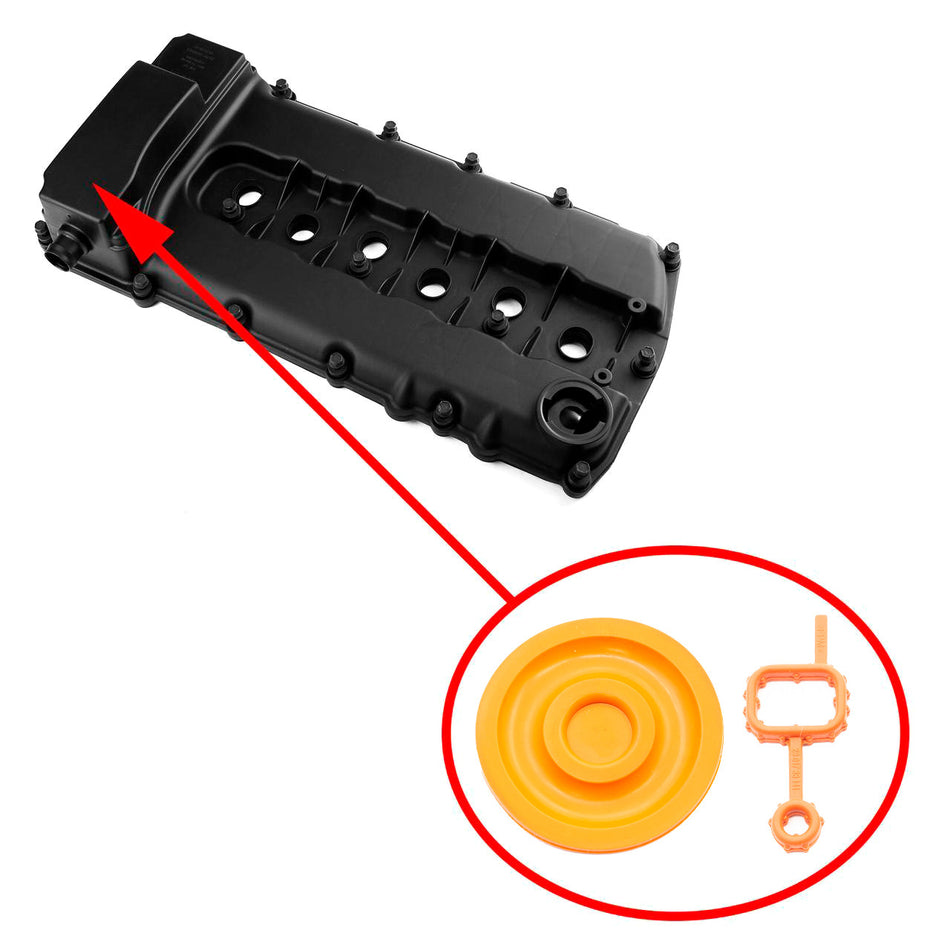
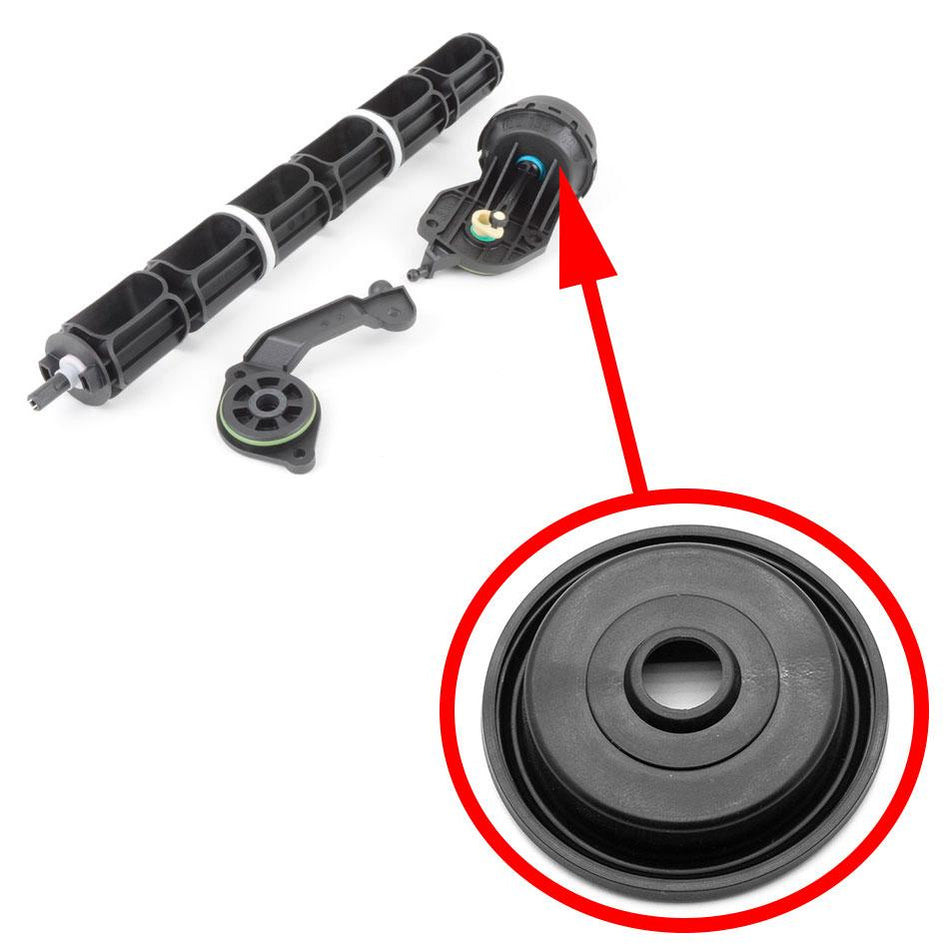
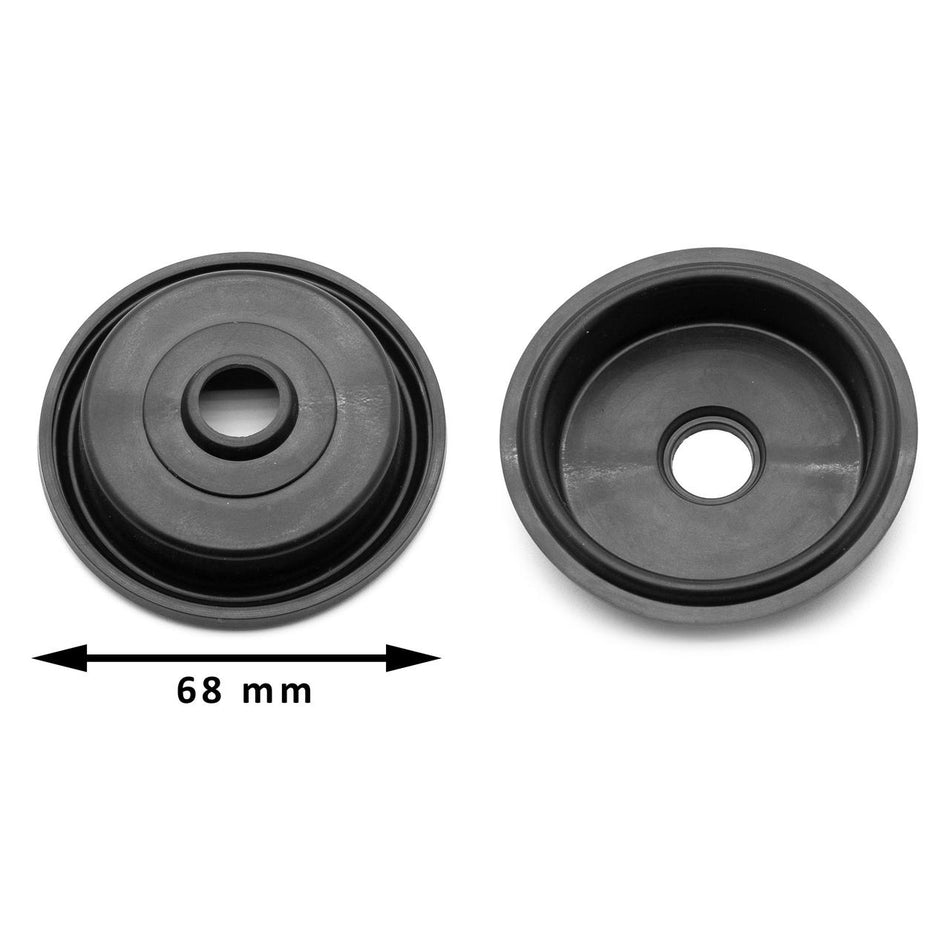
Klifex offers direct‑fit PCV components for Porsche owners. Flow and shutoff characteristics match OE specs, allowing targeted, serviceable Porsche PCV valve replacements and repairs. In the end, you will get handy, inexpensive ways to restore proper breathing without fuss and oil drops.
Your cart