
Your cart is empty
38 Products
38 Products
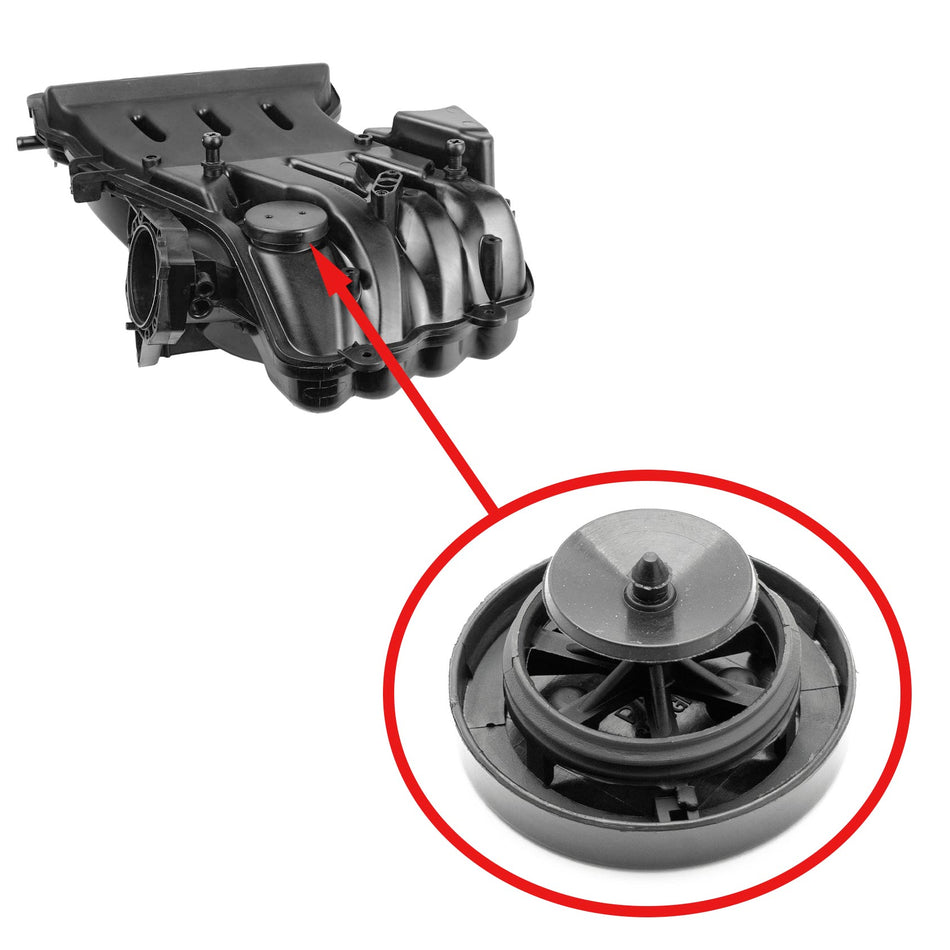
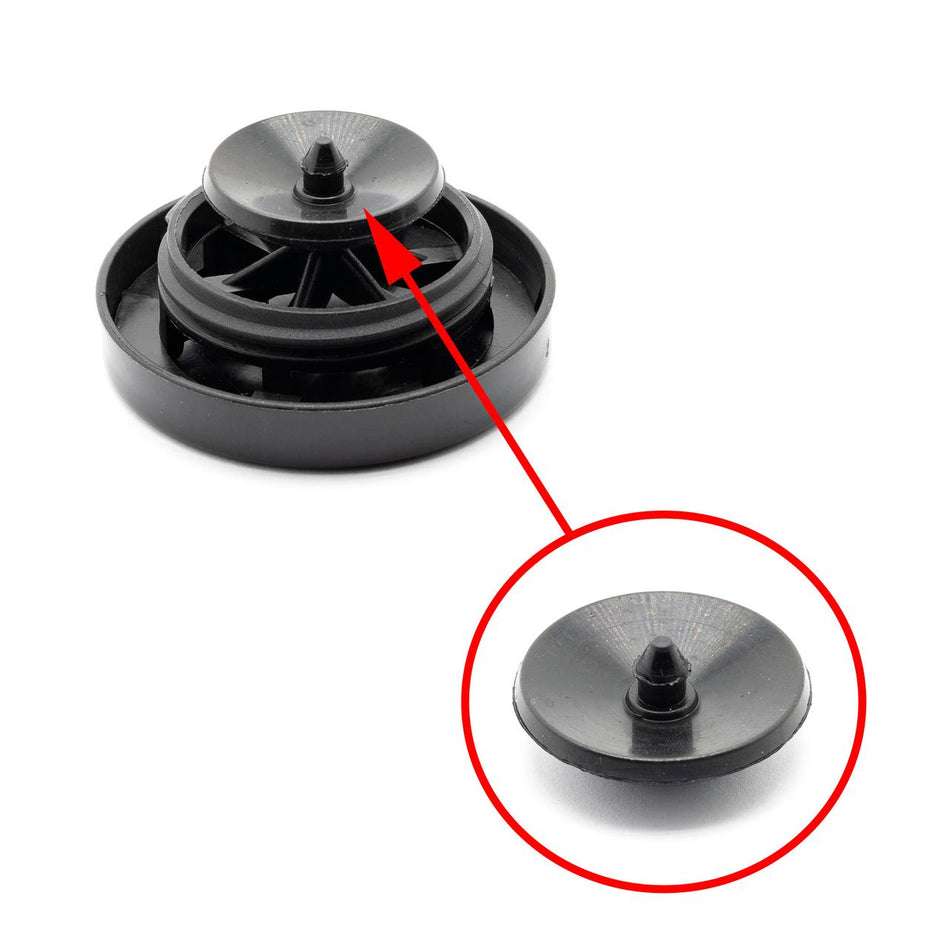
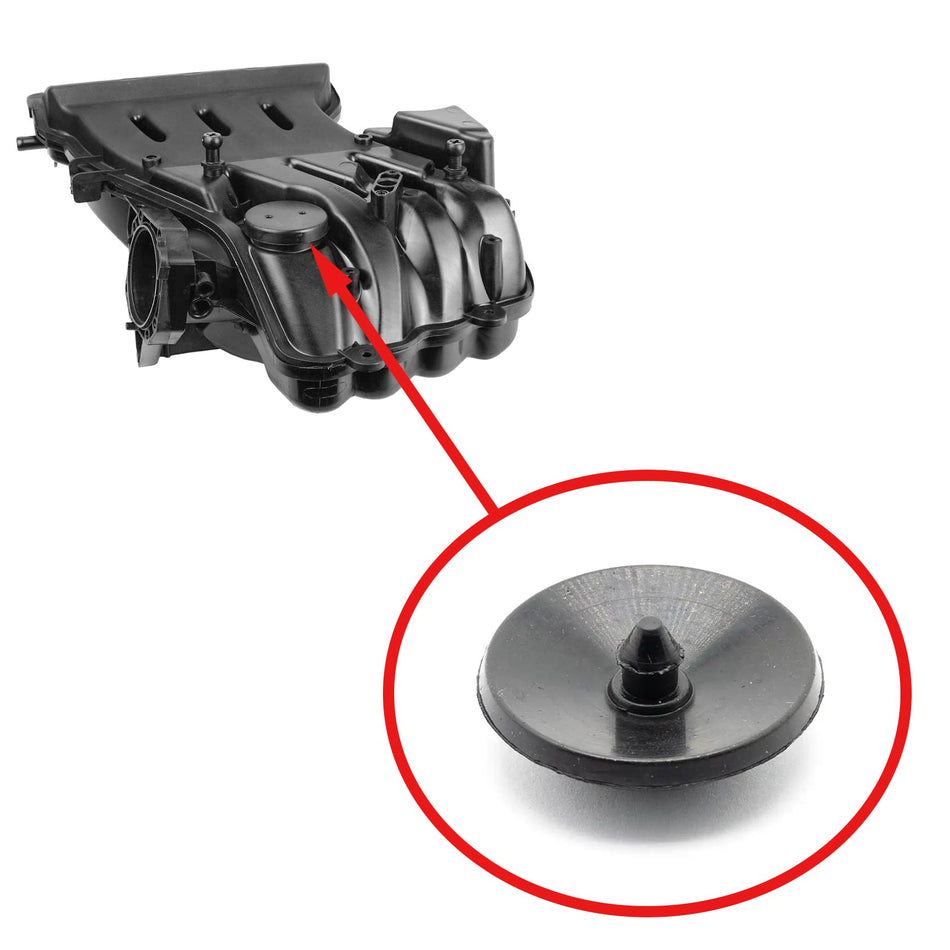
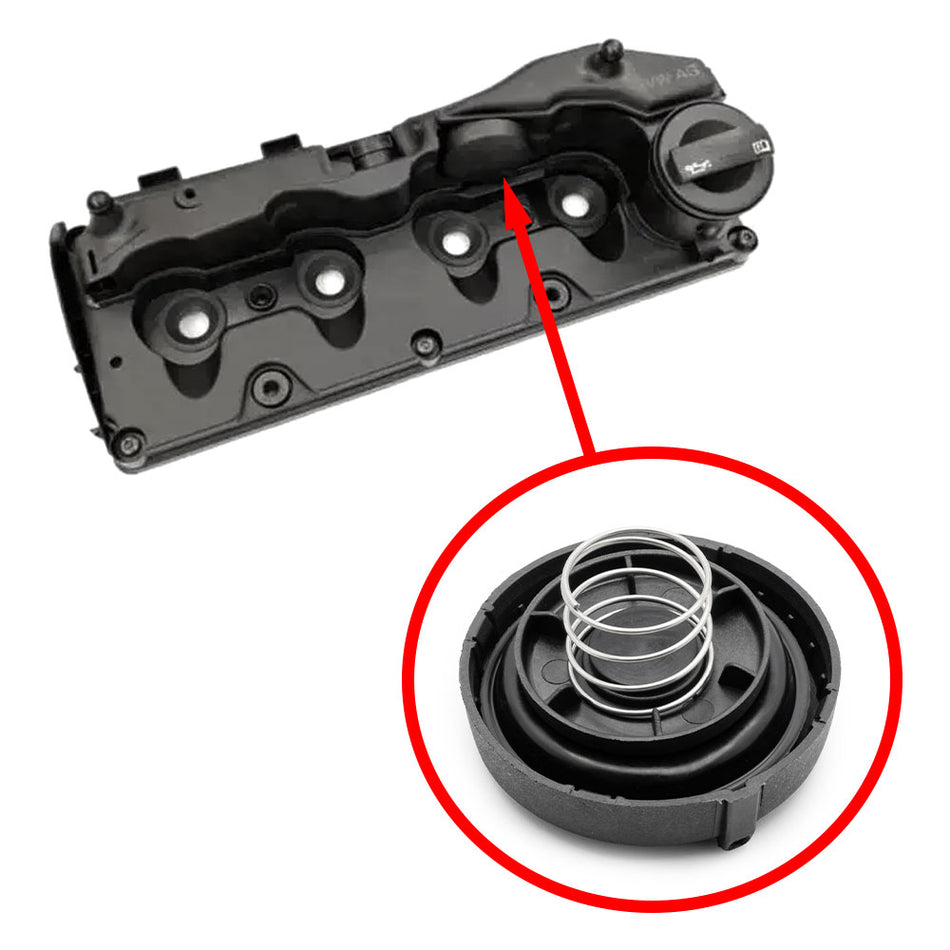
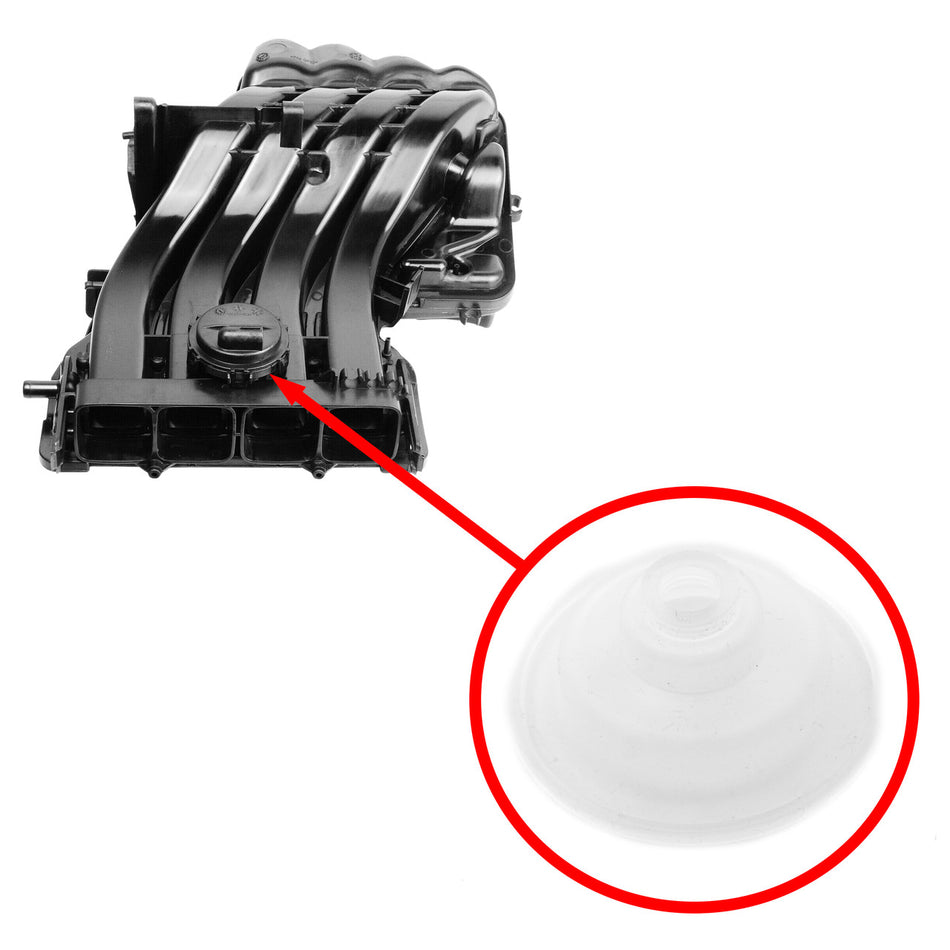
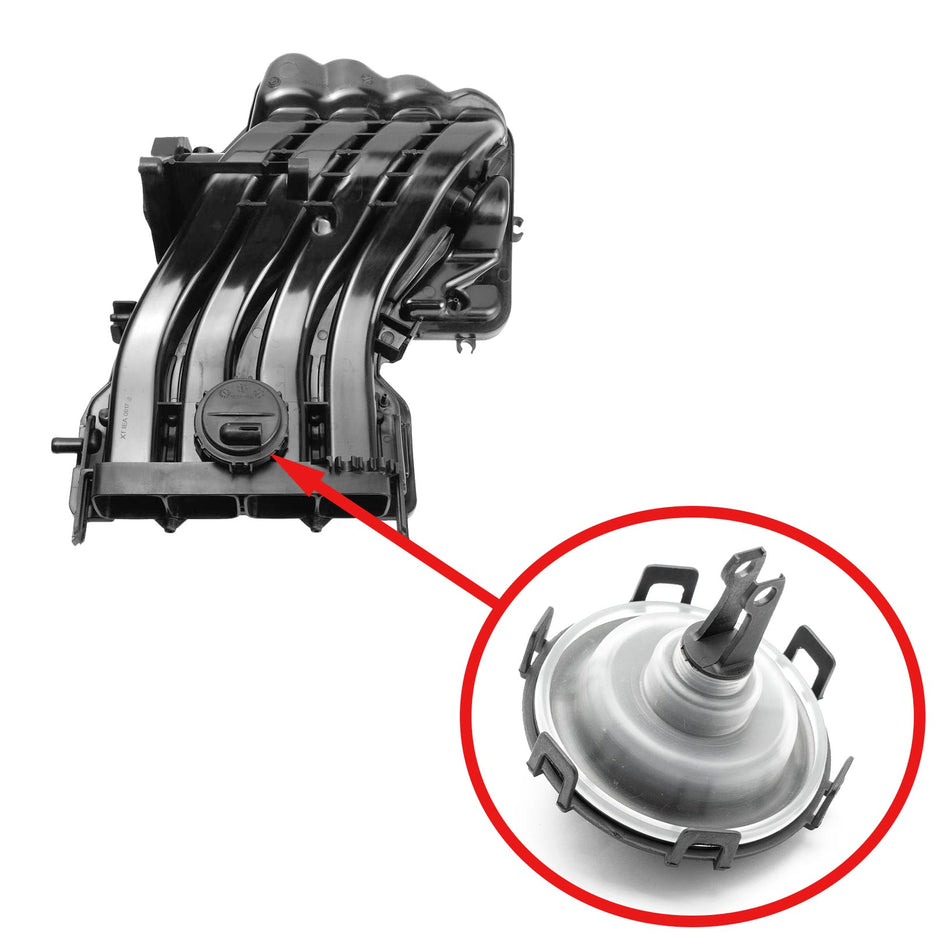
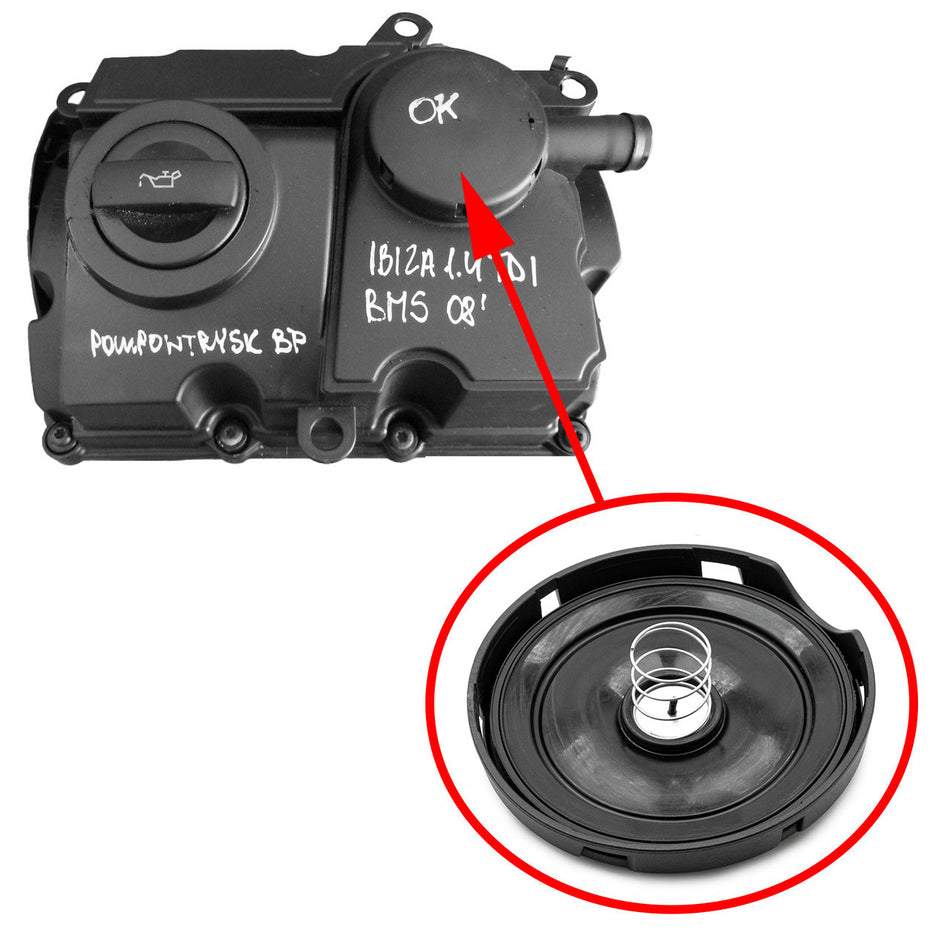
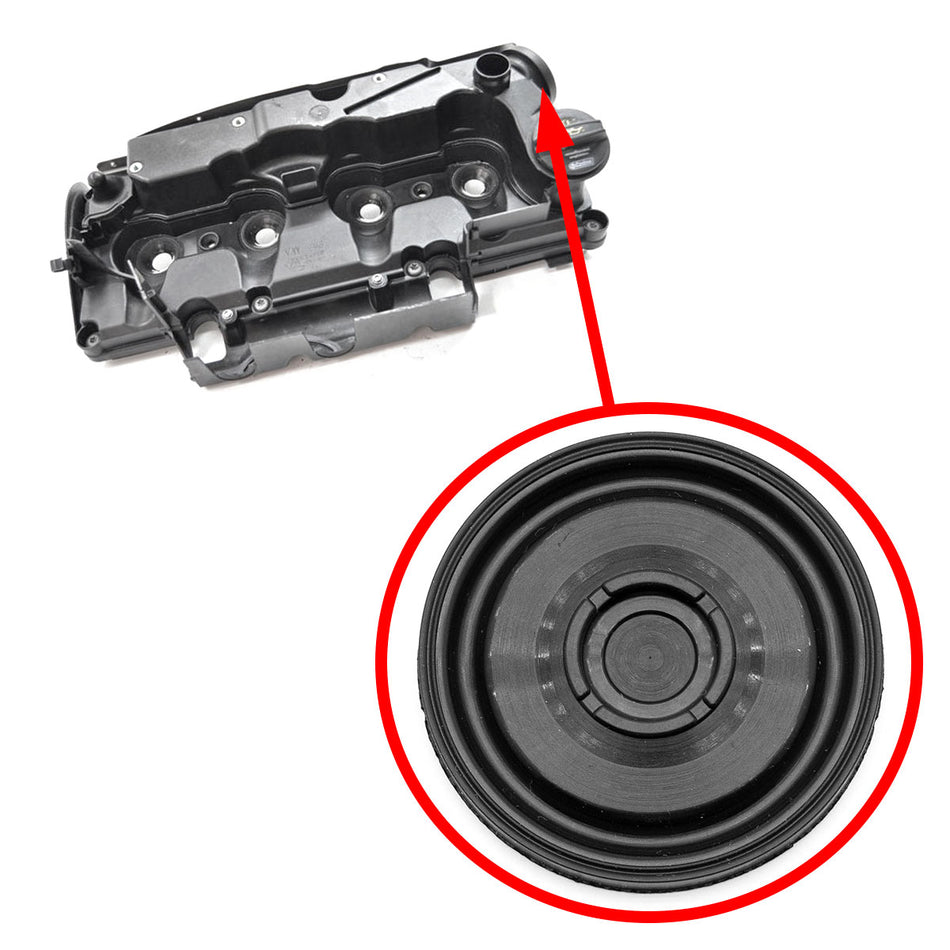
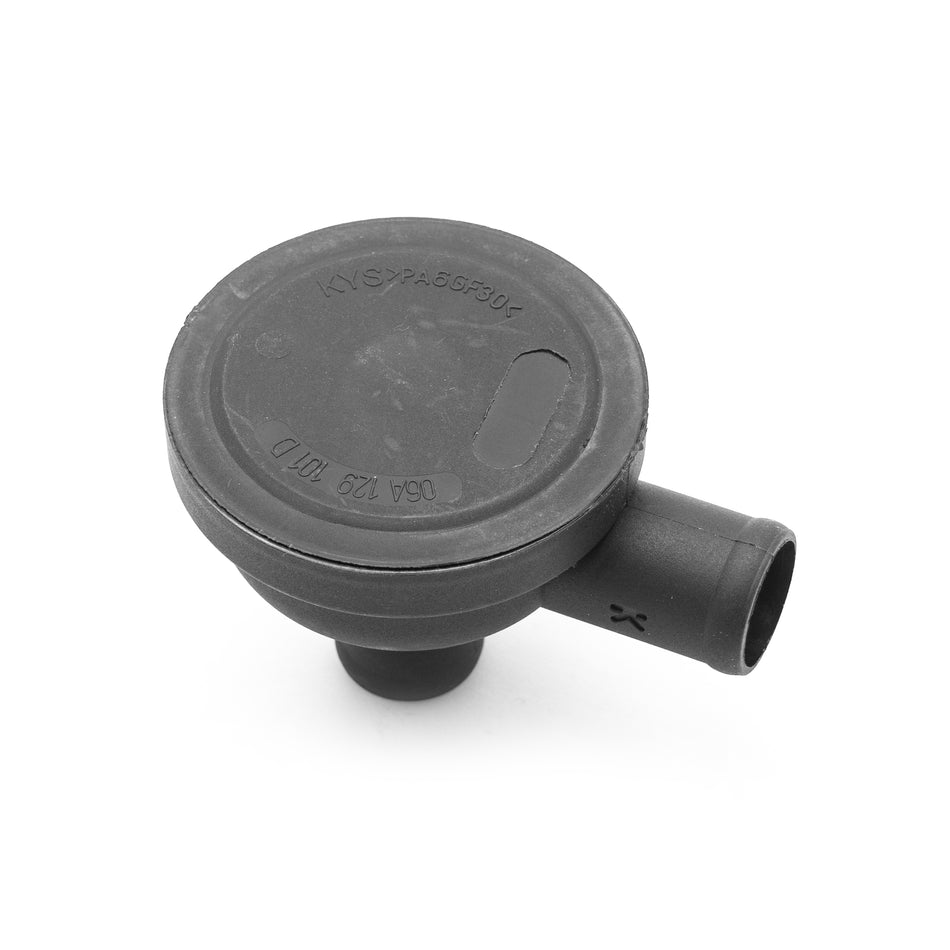
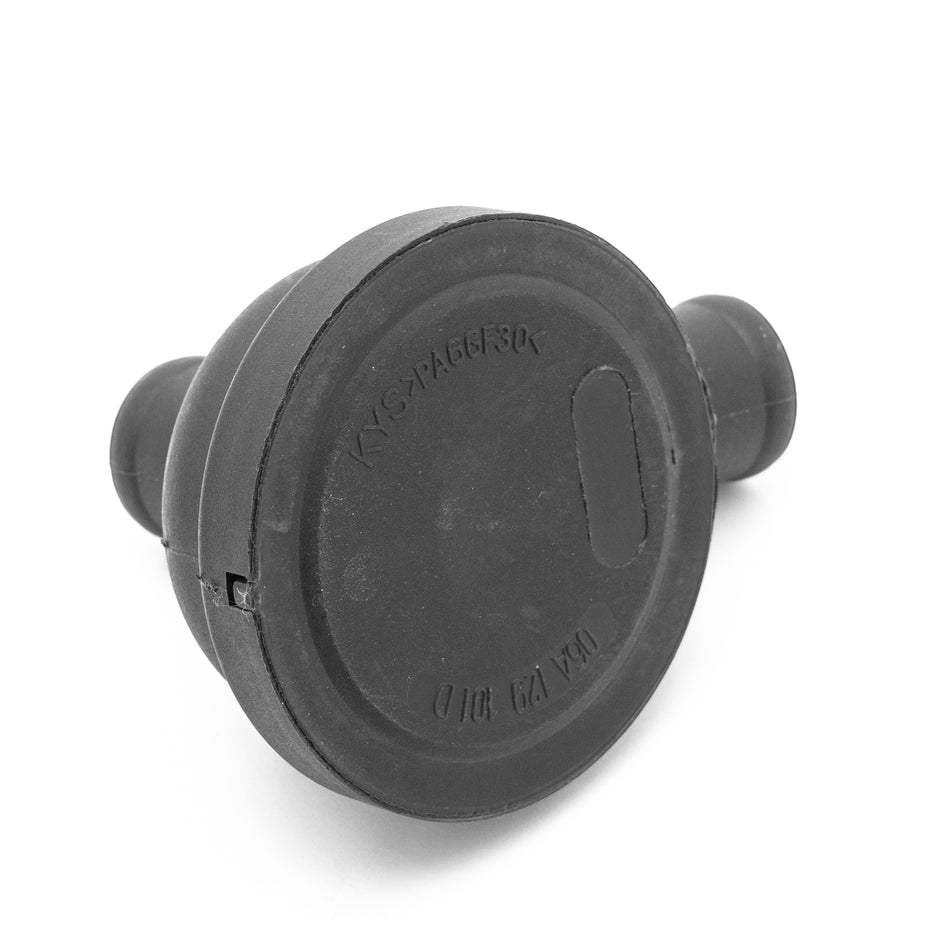
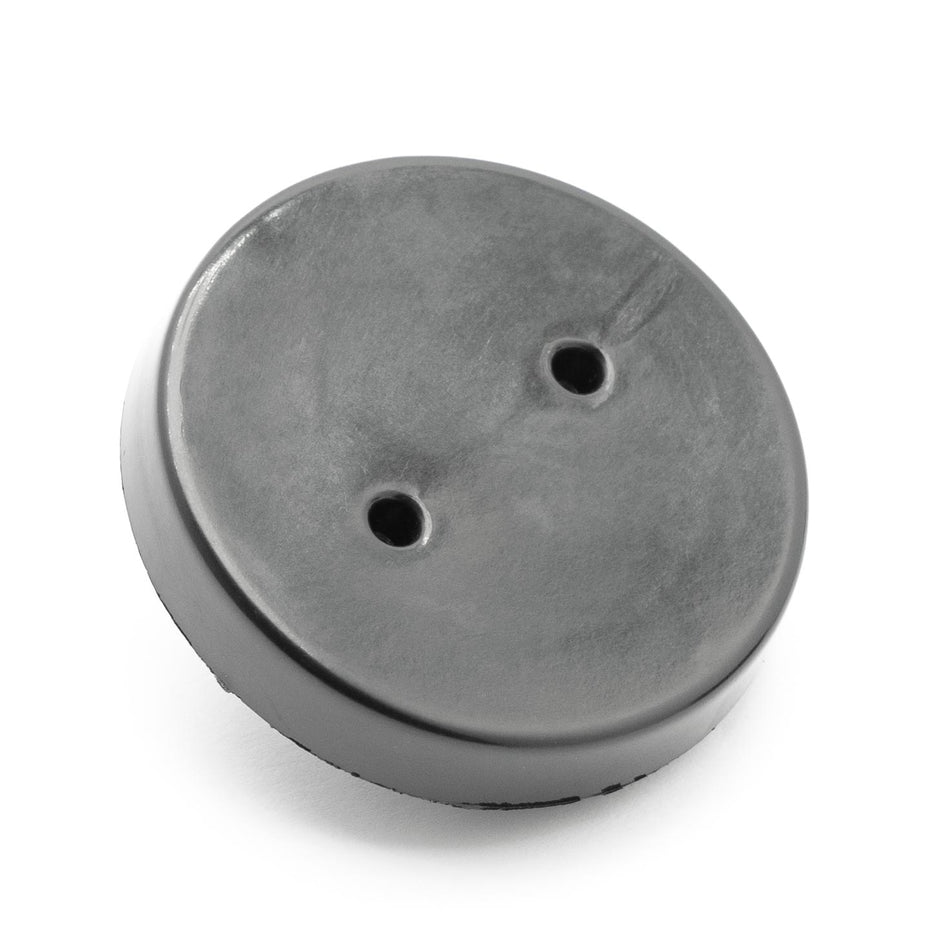
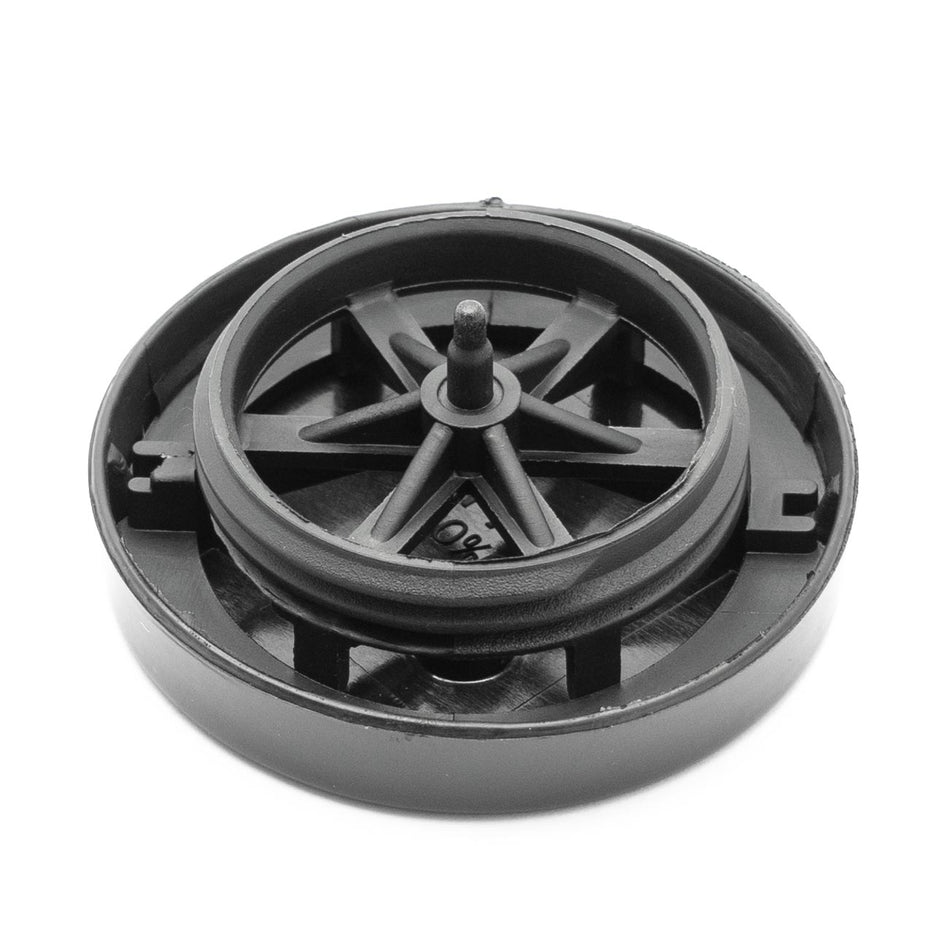
The SEAT PCV valve and oil separator dictate how efficiently the engine handles blow-by gases. Spotted an oil puddle? Heard a strange whistle from the engine bay? Felt the idle go rough after warm-up? This means that the PCV requires diagnostics and new components.
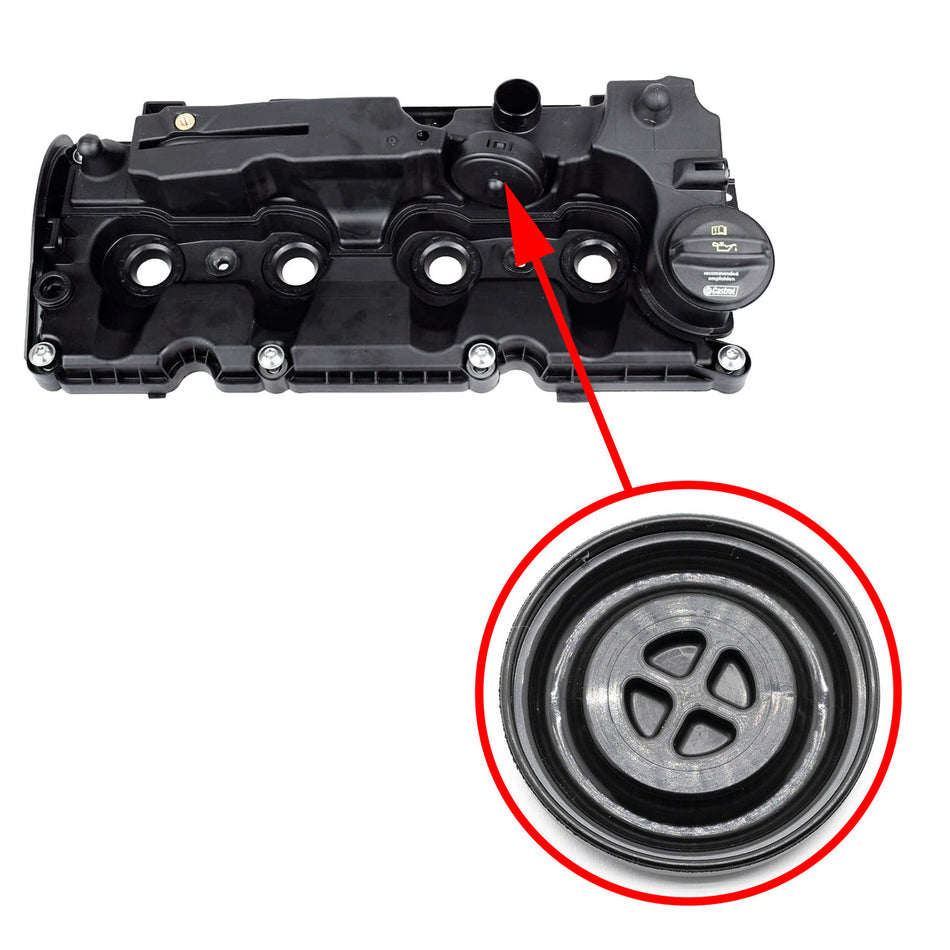
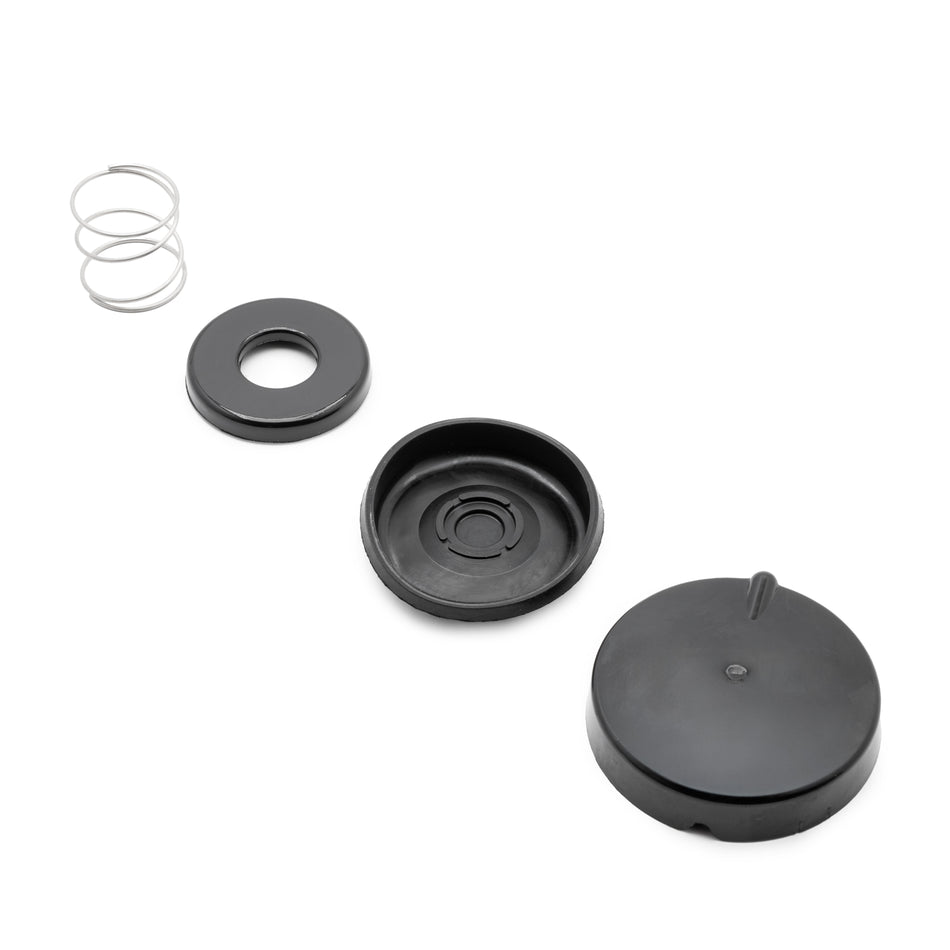
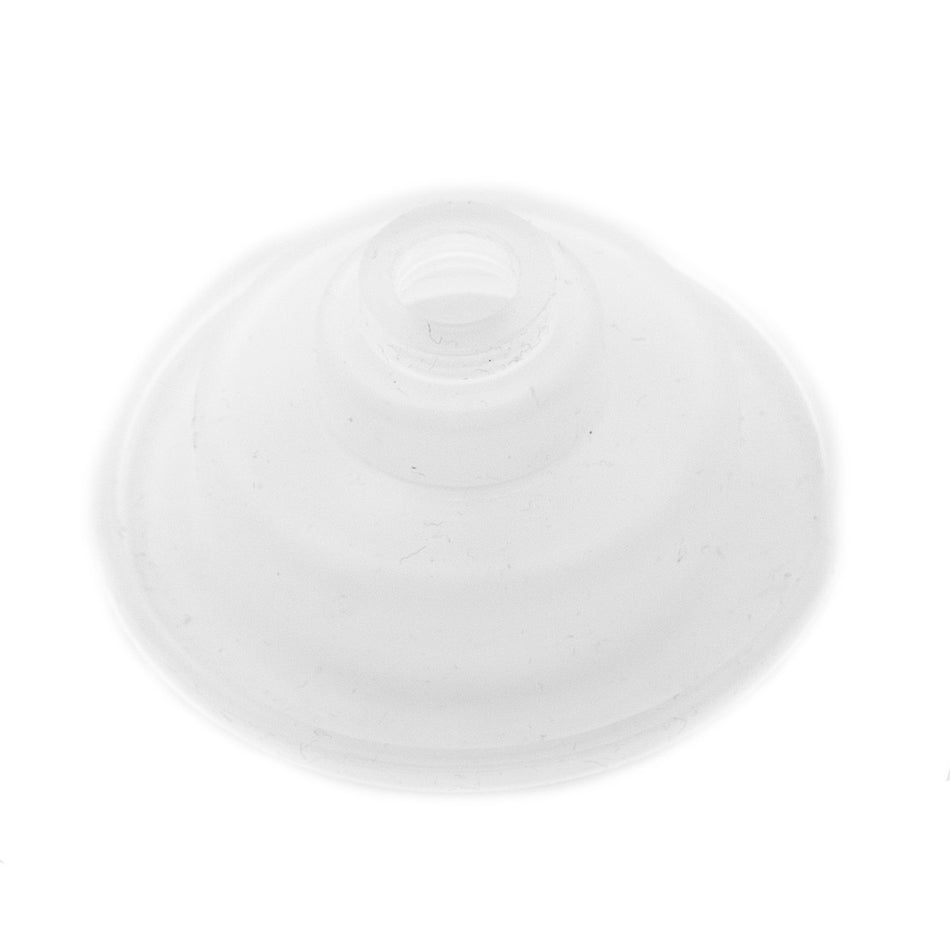
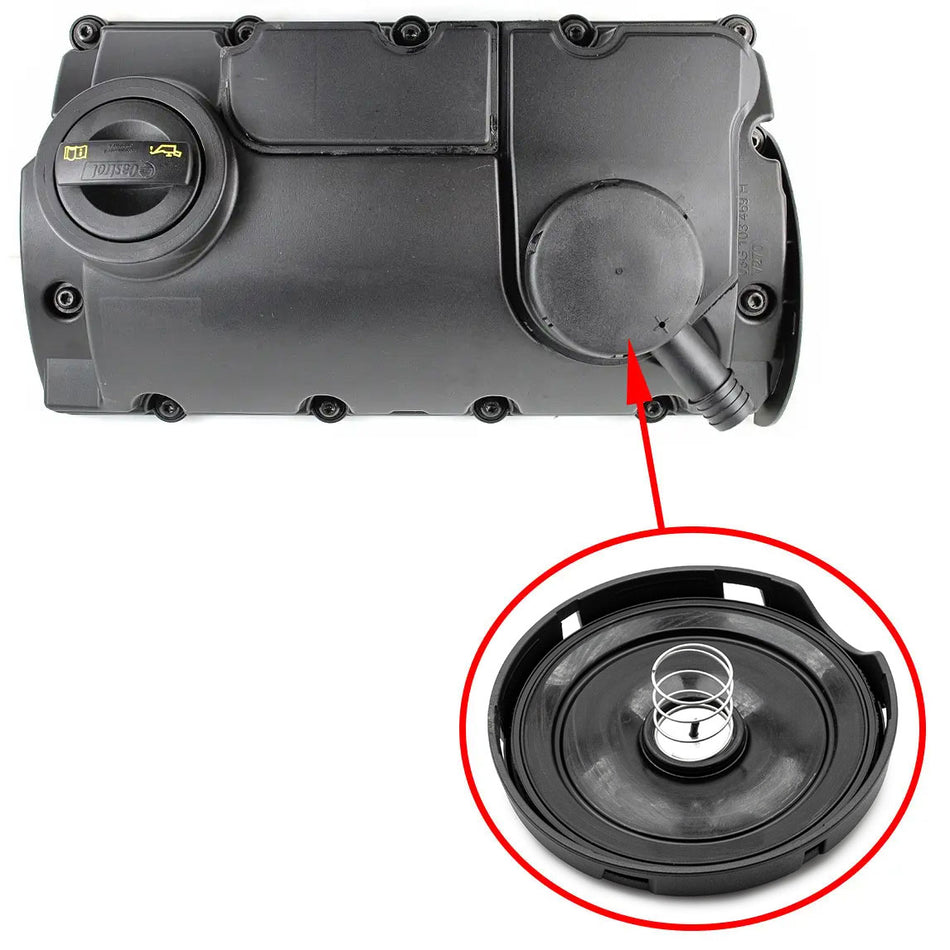
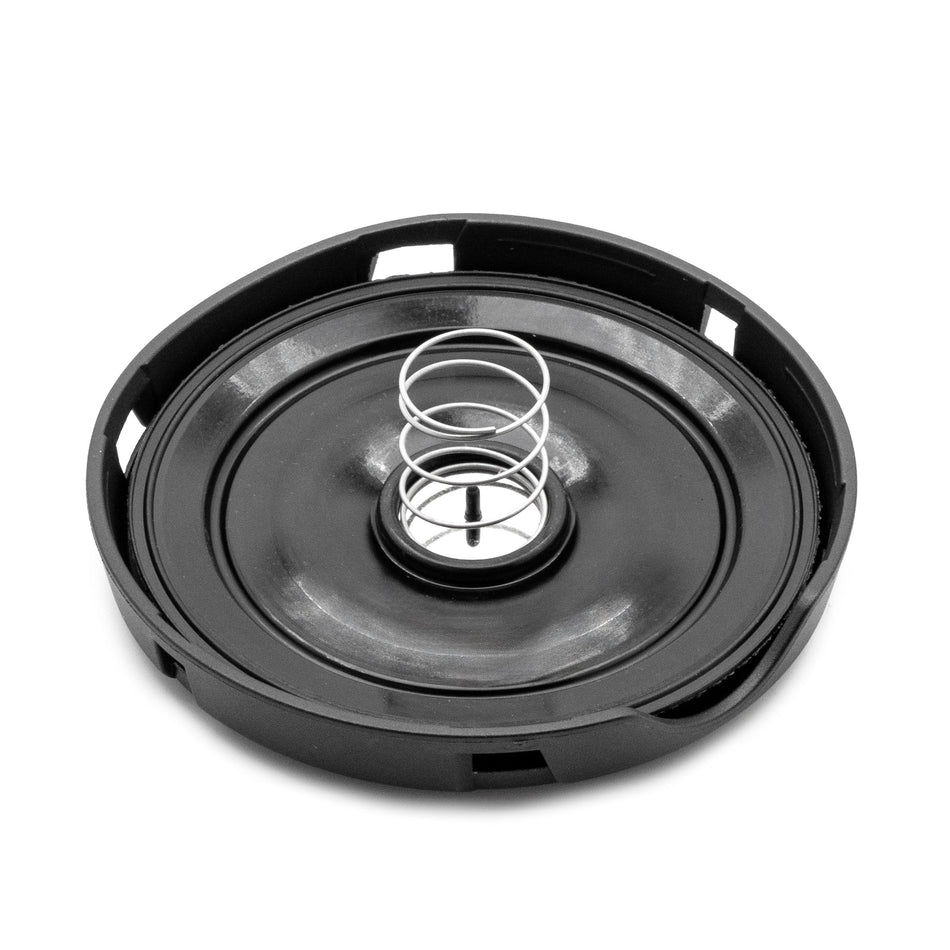
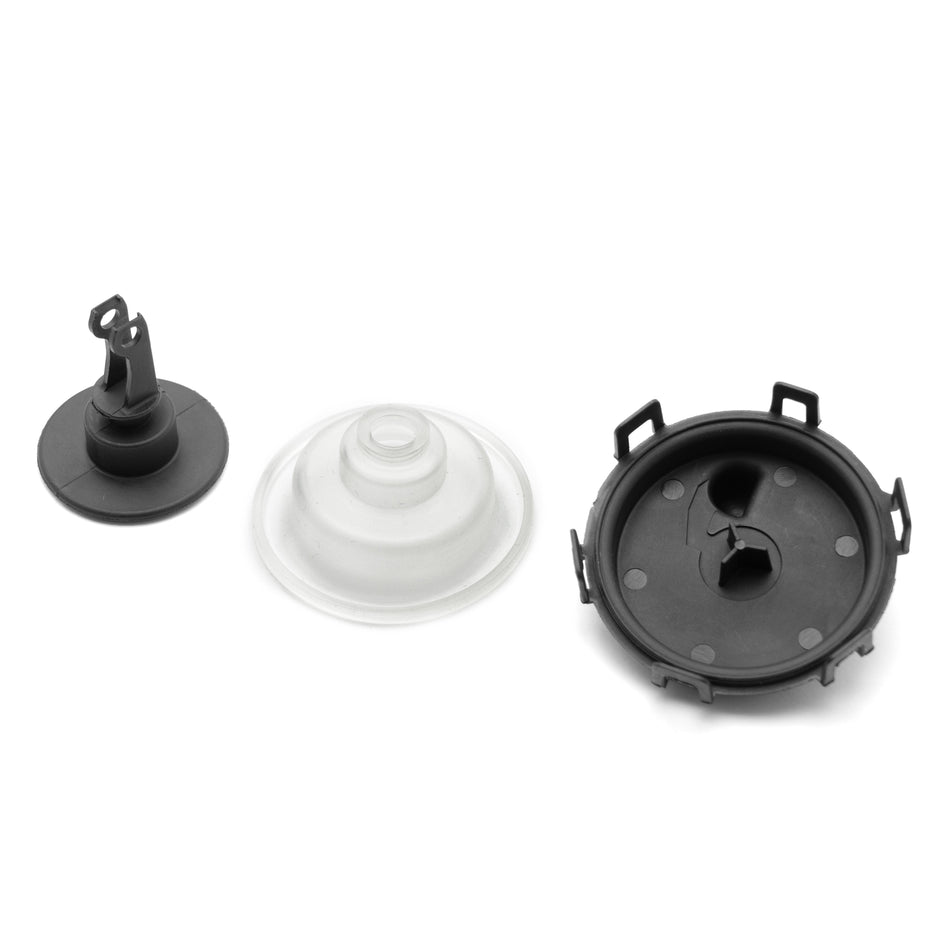
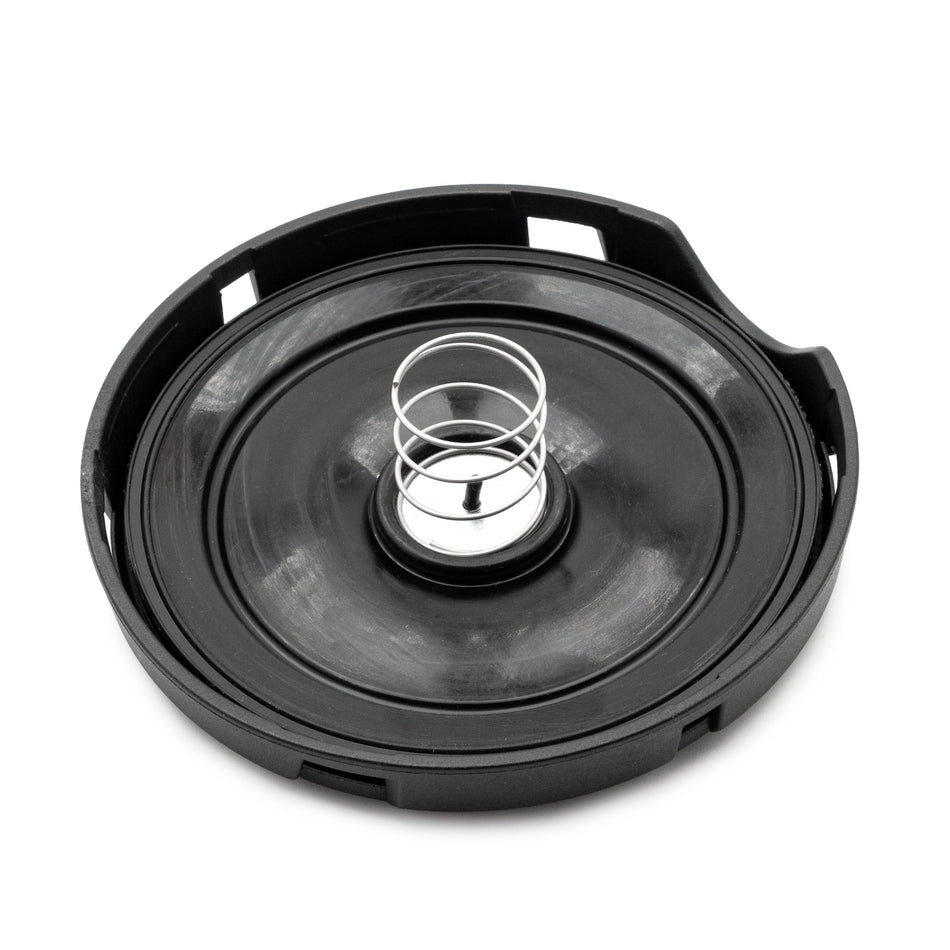
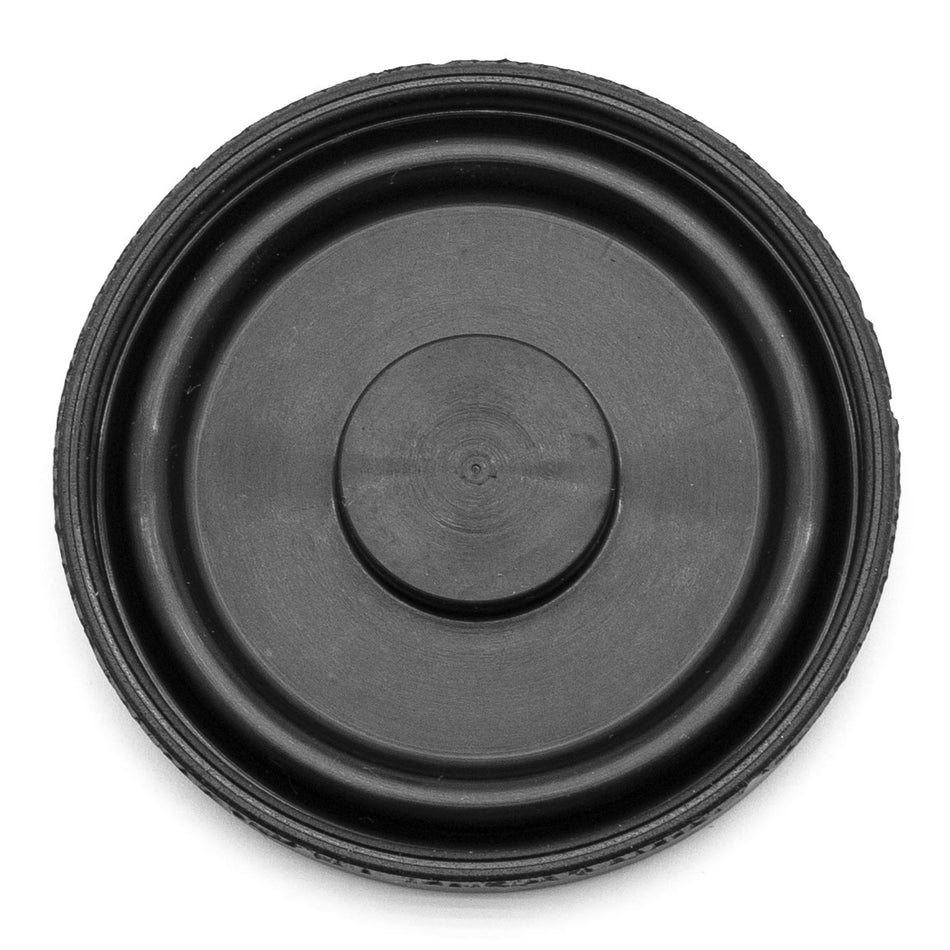
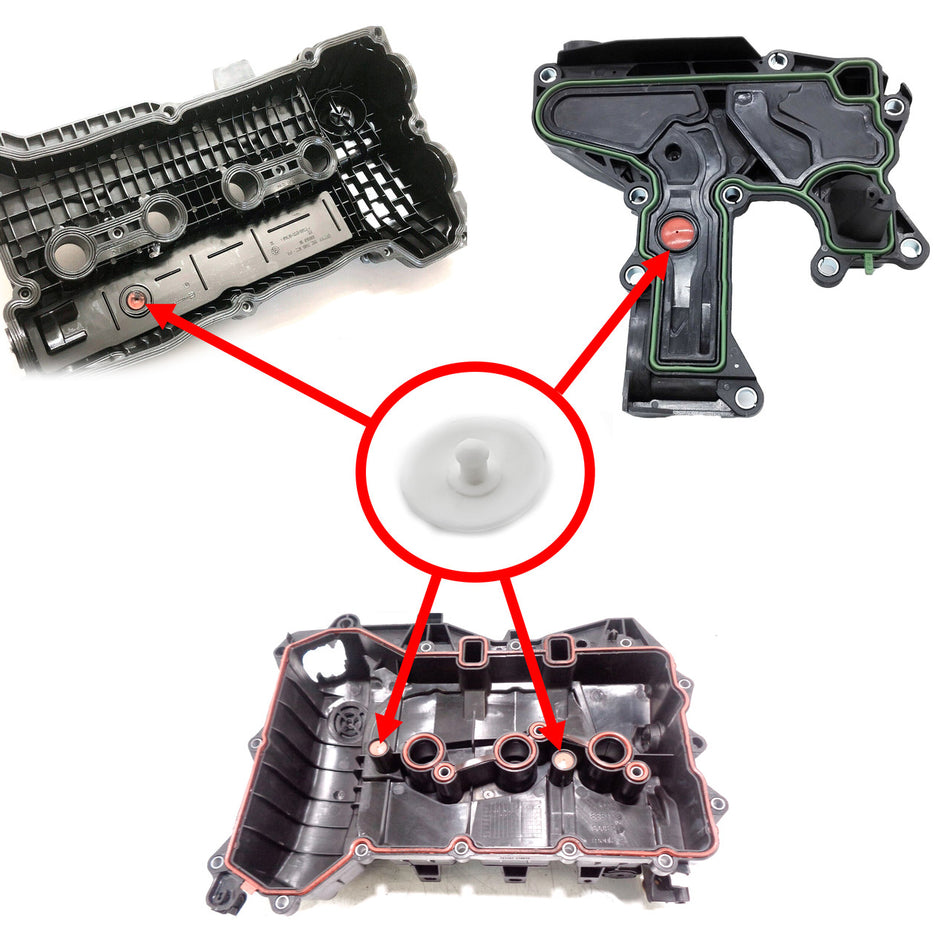
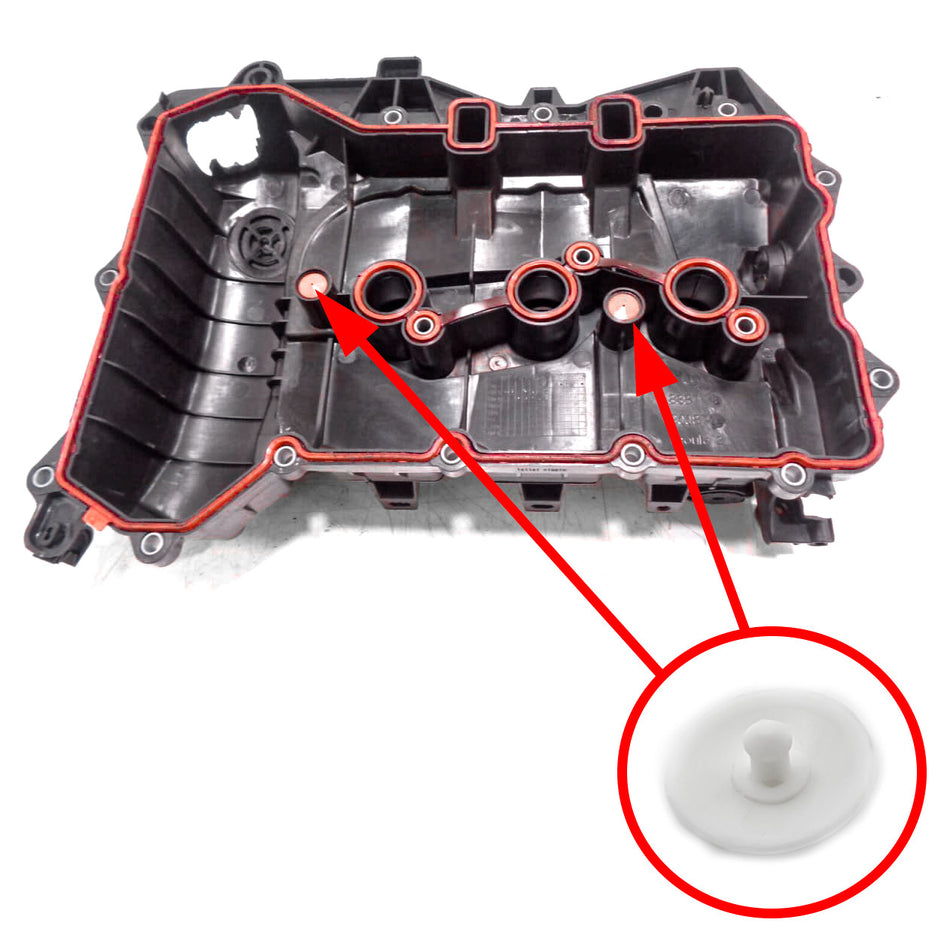
Behind the valve cover, a spring-loaded diaphragm SEAT PCV valve regulates crankcase pressure like an internal safety valve. As blow-by gases rise, the integrated oil separator traps oil droplets, returning only dry vapors into the intake. Naturally aspirated MPI and FSI engines rely solely on vacuum pull, while turbocharged TSI engines fortify diaphragms.
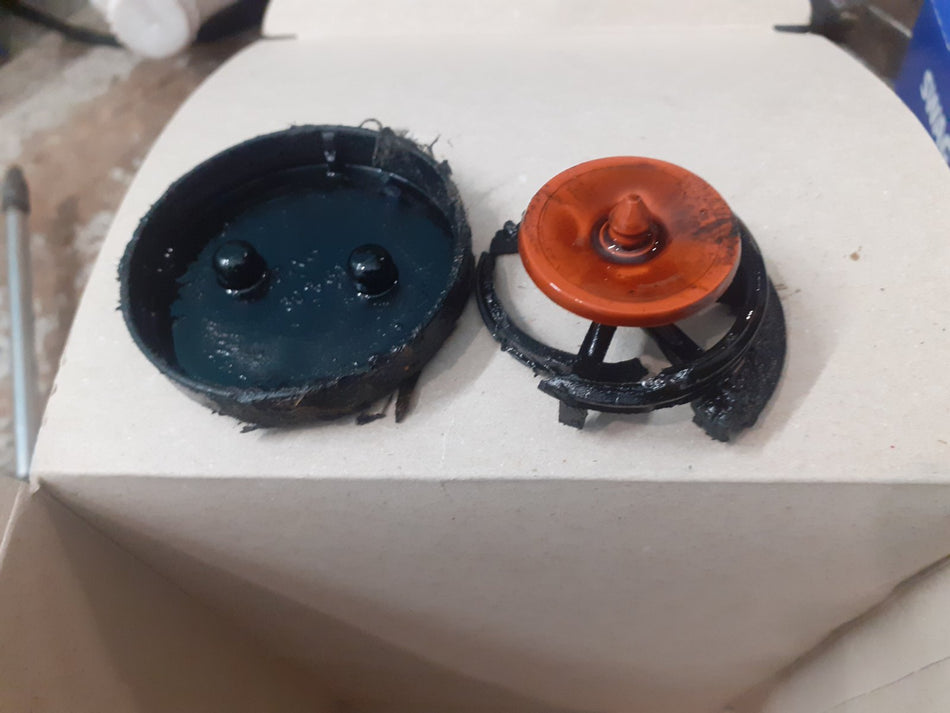
When your SEAT PCV starts to falter, crankcase ventilation faults quickly show themselves. The most frequent PCV issues include:
Also, be sure to look out for boost or vacuum imbalance in turbo models.
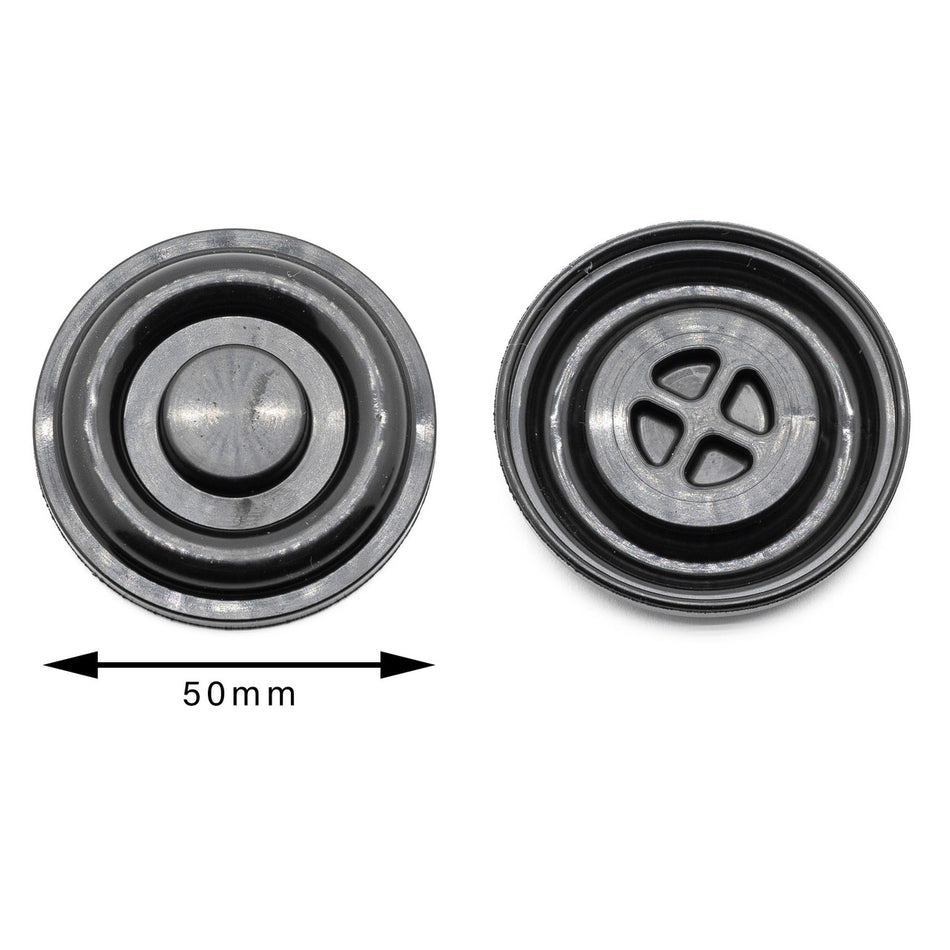
Not every crankcase ventilation hiccup needs a full engine teardown; sometimes just the right SEAT PCV component swap is sufficient. Replace your PCV parts when you detect collapsed or kinked breather hoses or repeated gasket leaks from excess pressure. Also, keep an eye out for a torn diaphragm causing erratic pressure and saturated oil separator recirculating mist.
Upgrading the genuine SEAT PCV valve kits and oil separators restores crankcase ventilation balance and provides:
From 1.0 MPI to 2.0 TSI, SEAT’s petrol engines share this unified crankcase ventilation design. Fortunately, parts selection and maintenance are straightforward across models.
Ready to banish leaks and revive your SEAT’s drivability? Discover Klifex SEAT PCV solution: high-quality components, fast delivery, and expert support at any stage.
Your cart