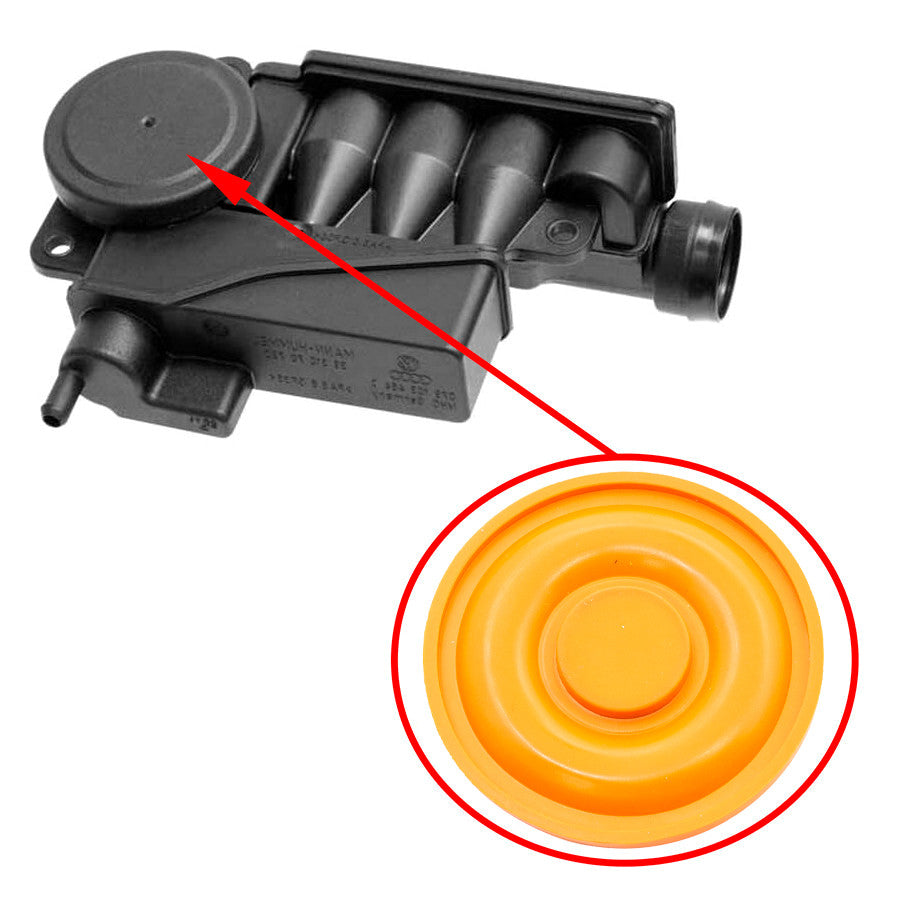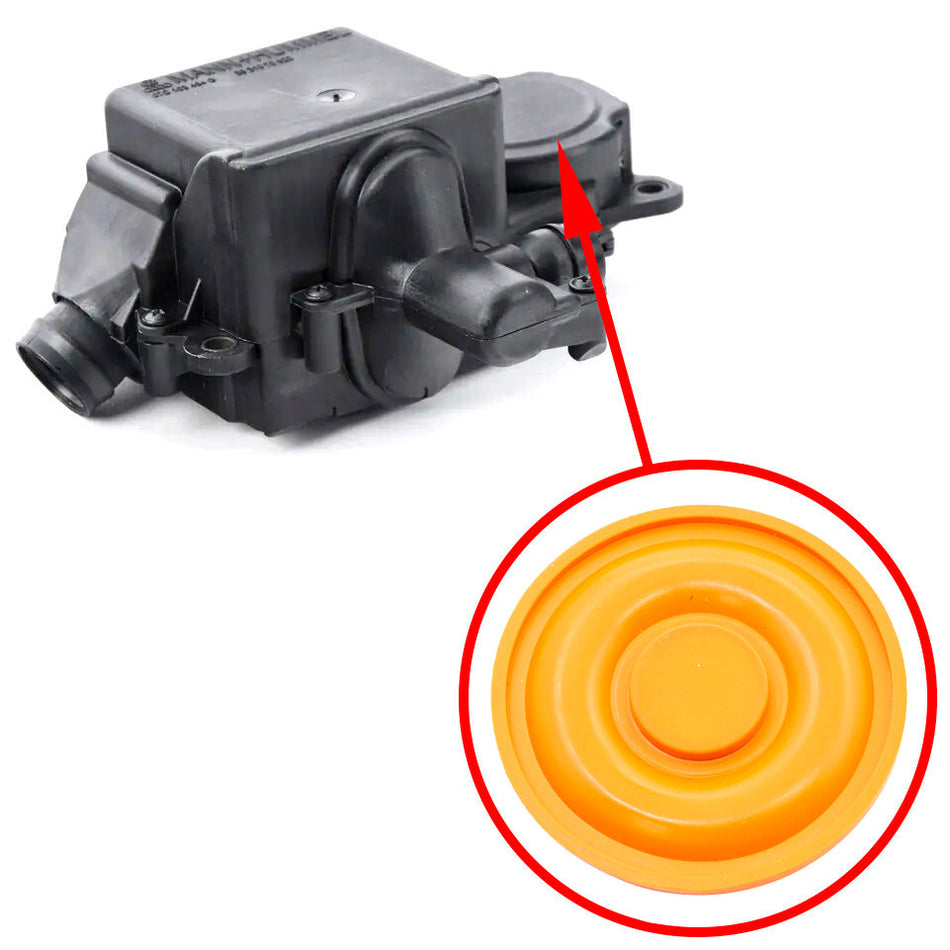

Noticed that your Audi runs lean, stumbles at idle, or triggers the check engine light that looks “air leak-ish”? This usually indicates typical Audi PCV membrane failure symptoms. This is not a situation you want to ignore, so new components are needed.
What the PCV System Does on the Audi 1.8 TFSI
On your Audi 1.8 TFSI, the PCV system keeps the crankcase pressure under control. It pulls blow-by gases from the crankcase and returns them to the intake so the engine can burn them properly.
When everything seals and regulates correctly, idle feels steady, and the ECU does not have to keep correcting the mixture for extra air. If not, it means you have a bad PCV valve in your Audi 1.8 TFSI, and it’s time for a repair or replacement.
Why the Audi 1.8 TFSI Can Develop a Vacuum Leak through the PCV System
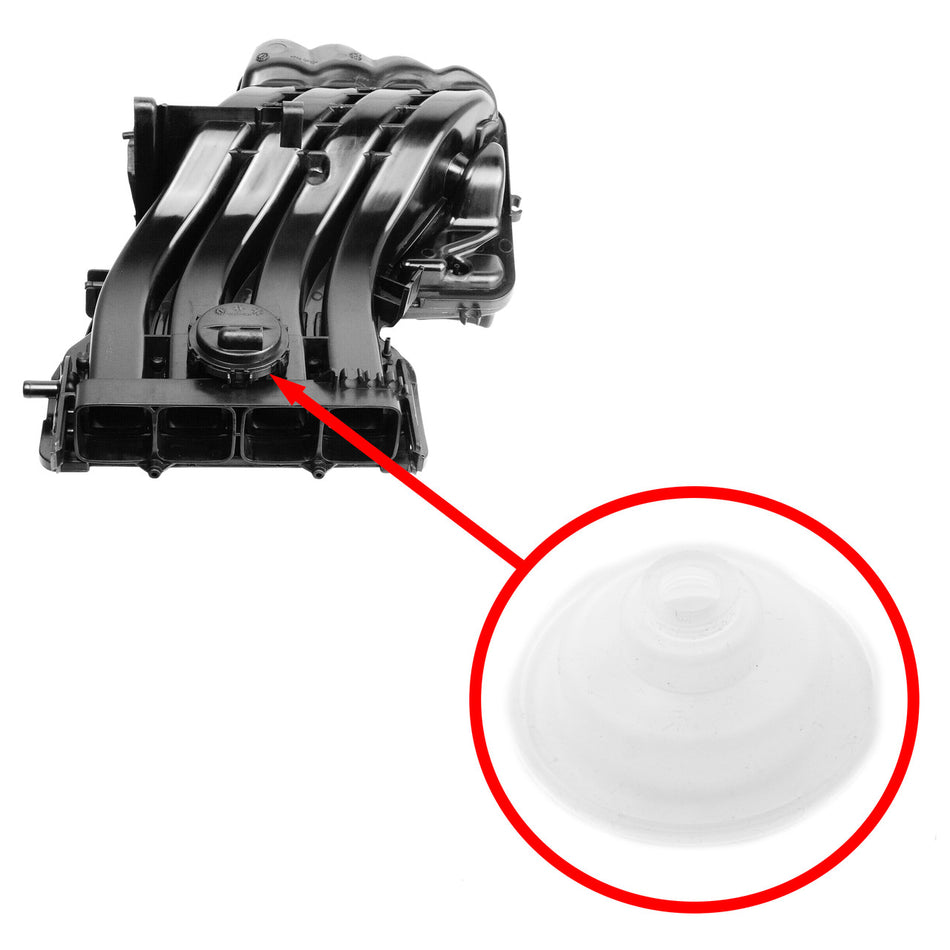
Most PCV vacuum leaks on the 1.8 TFSI happen when the internal sealing parts start to wear. The leak is inside the PCV unit, so you may have no obvious split hose and still get air-leak behavior. Once the membrane stops sealing, unplanned air can enter the system through the PCV pathway, which behaves like a vacuum leak.
PCV Membrane Damage and Loss of Sealing
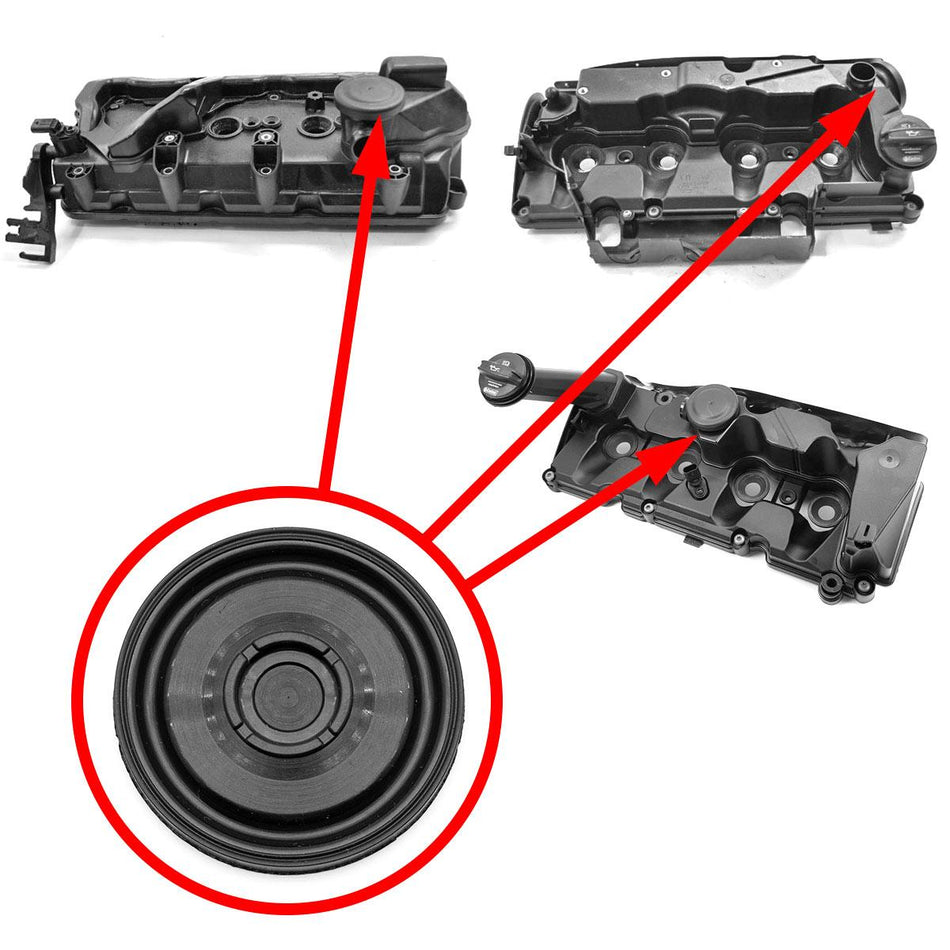
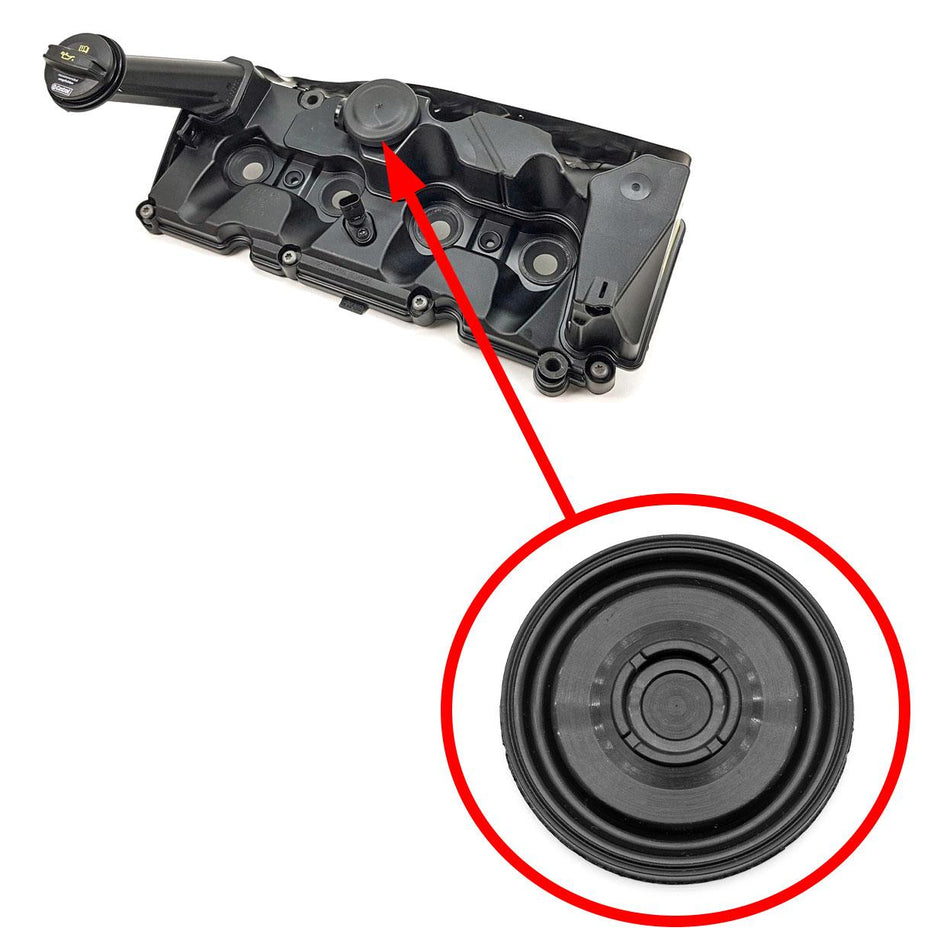
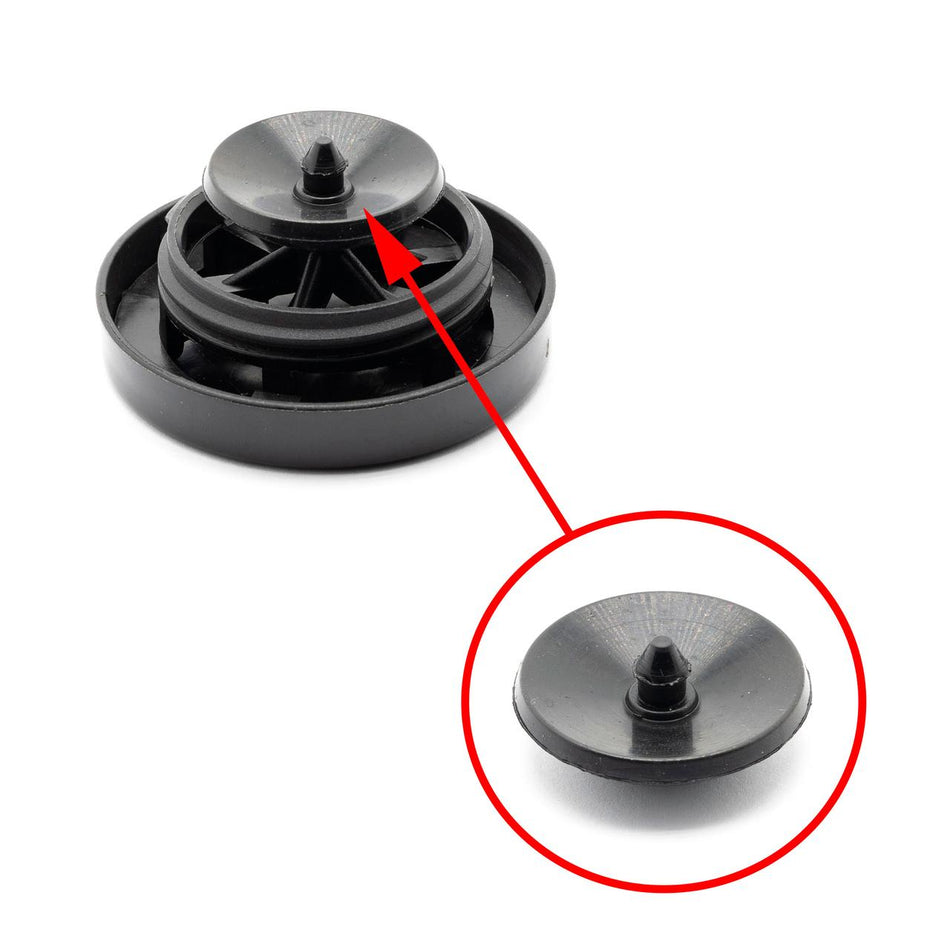
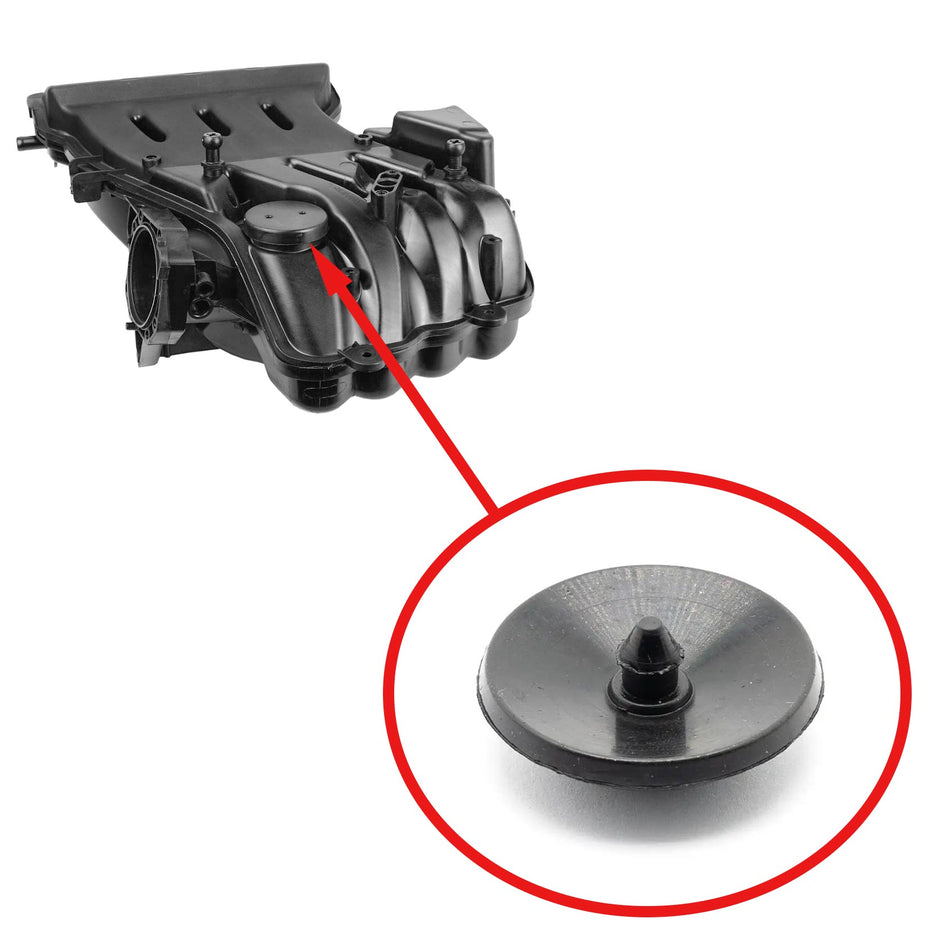
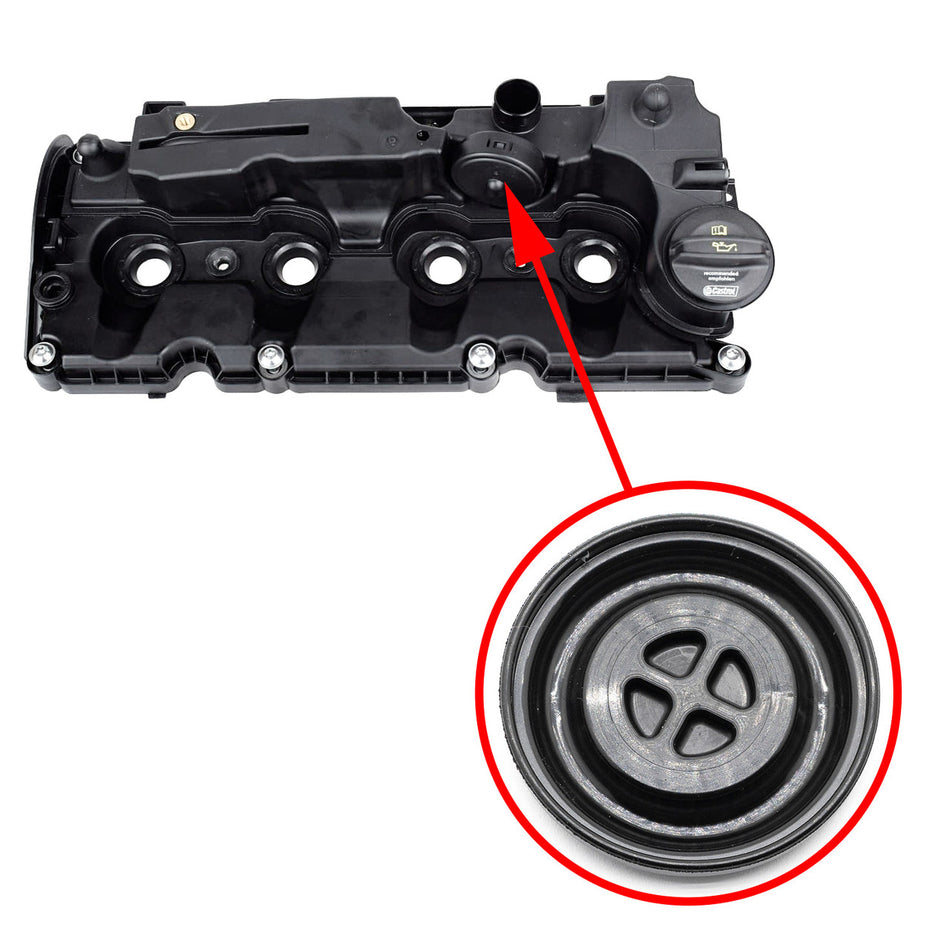
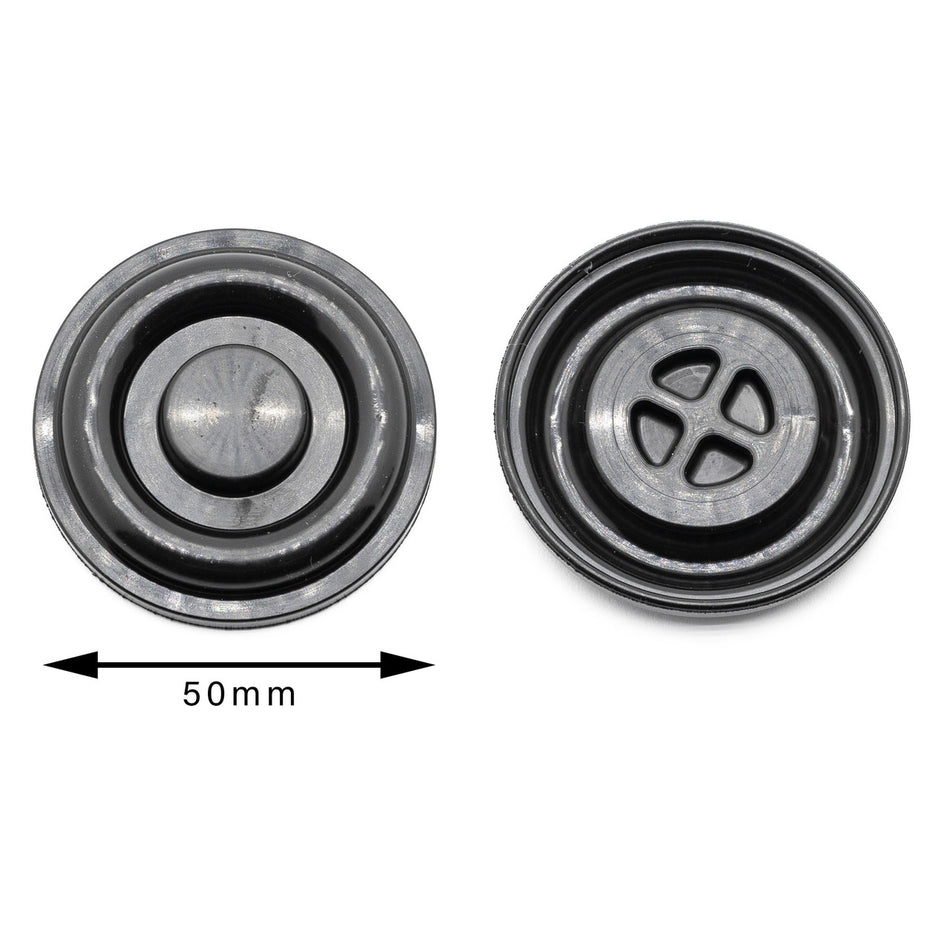
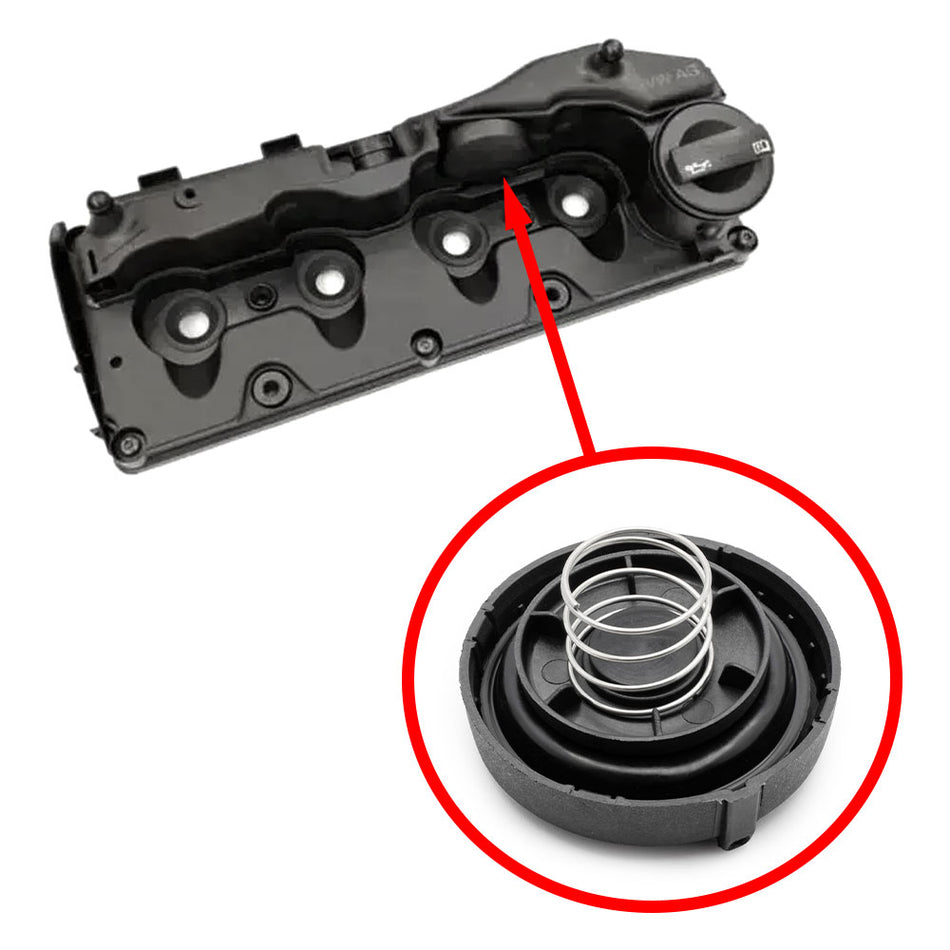
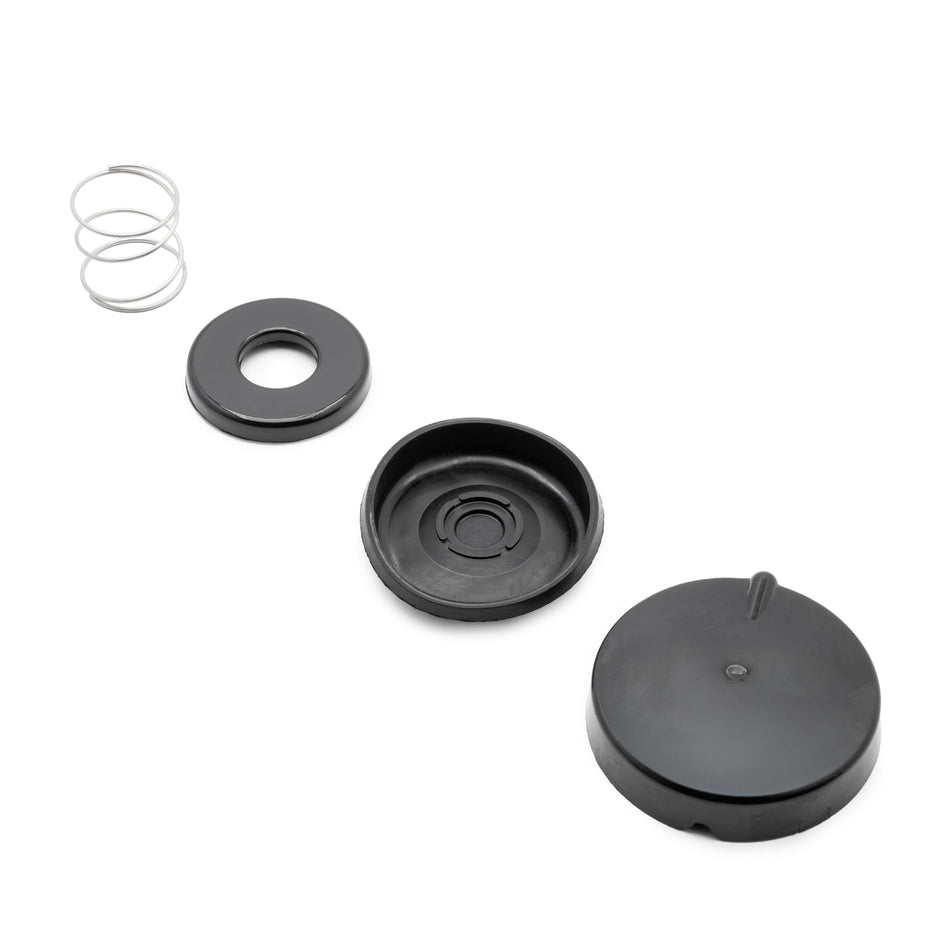
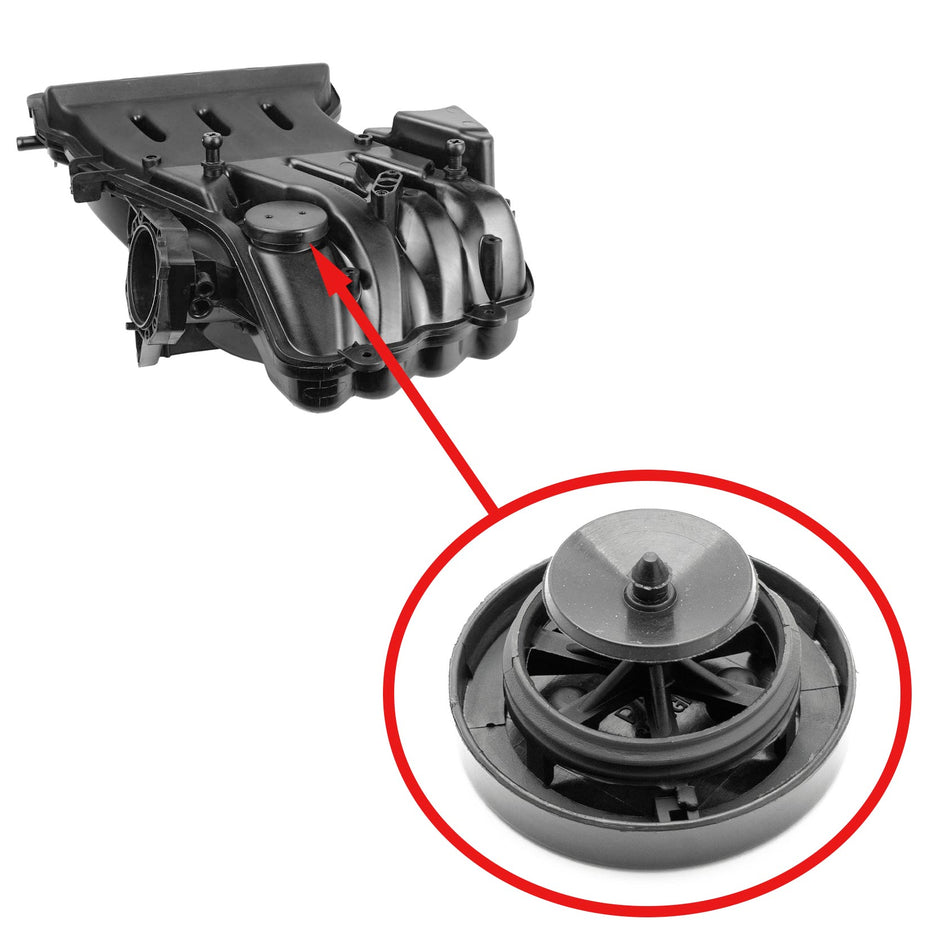
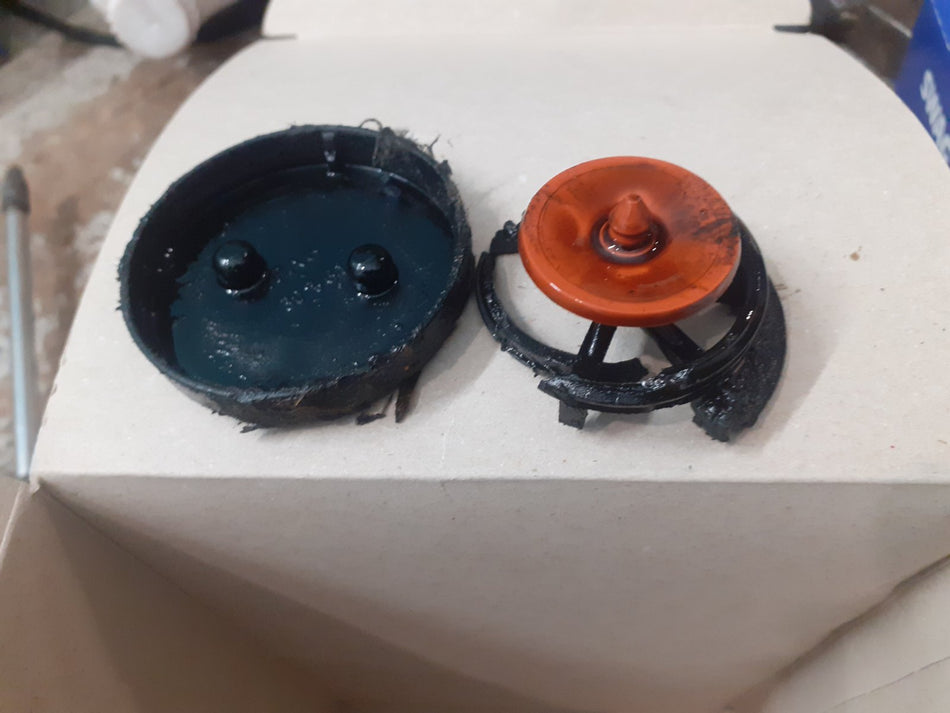
Inside the PCV assembly, there’s a flexible membrane that seals and regulates flow. If it tears or hardens, it may no longer close properly. Then it becomes a leak path, especially at idle and light load, which is why you’ll usually notice drivability symptoms first.
Heat, Age, and Pressure Cycles
Heat from engine operation and constant pressure cycling gradually weaken the membrane material. Oil vapors and sludge inside the crankcase don’t help either. Over time, the PCV membrane on the Audi 1.8 TFSI loses elasticity, seals less effectively, and eventually fails enough to trigger rough idle, leaning behavior, and sometimes that thin whistle sound people associate with PCV on this engine.
The Most Common Symptoms of a PCV Vacuum Leak
The usual warning signs are mixture-related and idle-related. Lean behavior and fuel-trim corrections can trigger fault codes, and roughness at idle is often the first thing drivers notice.
Lean Mixture Condition
Unmetered air through the PCV pathway can lean the mixture. You may notice changes in fuel economy or an engine response that doesn’t feel smooth at low load. Some end up with a pattern that matches Audi 1.8 TFSI lean code PCV problem searches.
Check Engine Light
The ECU can detect abnormal airflow, apply mixture corrections, and store codes. When external vacuum hoses check out, but the car still runs lean or trims are unstable, the Audi 1.8 TFSI check engine PCV becomes the next suspect.
Rough Idle and Unstable Engine Operation
When crankcase ventilation doesn’t seat correctly, the engine’s idle balance changes. RPM may fluctuate, the engine may stumble slightly at stops, or the idle may refuse to smooth out.
Whistling or Hissing Sounds
Some owners notice a whistle or a thin hissing noise from the engine bay. It can seem like a generic vacuum leak at first, or people assume turbo sound. The clue is how it ties to other symptoms. If the whistle is louder at idle and you also see rough idle behavior, the Audi 1.8 TFSI whistle noise PCV is a very strong indicator.
How the Vacuum Leak Affects Engine Performance Over Time
If left alone, the ECU continues to correct the mixture and idle behavior. That can mean more noticeable issues, repeated fault triggers, and increasingly annoying idle quality. Some cars also develop oil-related complaints because the PCV function and oil mist handling become less reliable.
The point is very simple: a PCV vacuum leak rarely stays a “very small” issue. It becomes more obvious as the membrane continues to weaken.
How to Tell whether the PCV System is the Likely Cause
You’re trying to decide whether PCV is a likely cause, not whether every other possibility is impossible. Look for Audi 1.8 TFSI PCV failure symptoms clusters.
Look at the Combination of Symptoms, not Just One Sign
PCV vacuum leaks on the Audi 1.8 TFSI don’t always act like a classic “one broken hose” problem. You usually get a mix of clues. For example, you might see rough idle, a check engine light for lean or mixture issues, and maybe a thin whistle around idle. If the symptoms point in the same direction, PCV becomes the most likely internal leak source, even if everything looks fine externally.
Check for Unusual Suction or Pressure Behavior
If you check the oil cap/oil fill suction, do it safely and with a cool engine if possible. Excess suction compared with what you expect can indicate PCV regulation failure.
Rule out Other Common Vacuum Leak Sources
Check hoses, clamps, and nearby vacuum components first. If everything looks intact but the engine still behaves as if it’s leaking air through the PCV system, internal PCV sealing is the more likely cause.
Why Replacing the PCV Membrane Can Be the Smart Repair
Even the smallest Audi 1.8 TFSI vacuum leak symptoms are cause for concern. If you truly find a problem, it would be foolish to leave it as is: sooner or later, things will get worse. And instead of just a new valve stem seal, you may end up needing more extensive and costly repairs.
When a PCV Membrane is the Right Product to Recommend
This repair route is appropriate when symptoms point to membrane-related leakage only: whistle, rough idle, lean running, and a check engine light behavior tied to mixture correction. It also occurs when external vacuum checks don’t reveal a clear broken hose or obvious gasket leak.
Fix the Vacuum Leak Before It Turns into Bigger Drivability Issues
If you’re seeing a lean mixture issue, a check engine linked to mixture imbalance, or an Audi 1.8 TFSI rough idle vacuum leak with a PCV-style whistle, don’t wait; PCV issues tend to worsen. Search for the repair kit, then confirm fitment using your engine/OE reference. If you want the safest match, compare your OE number and engine version to the kit listing before ordering.