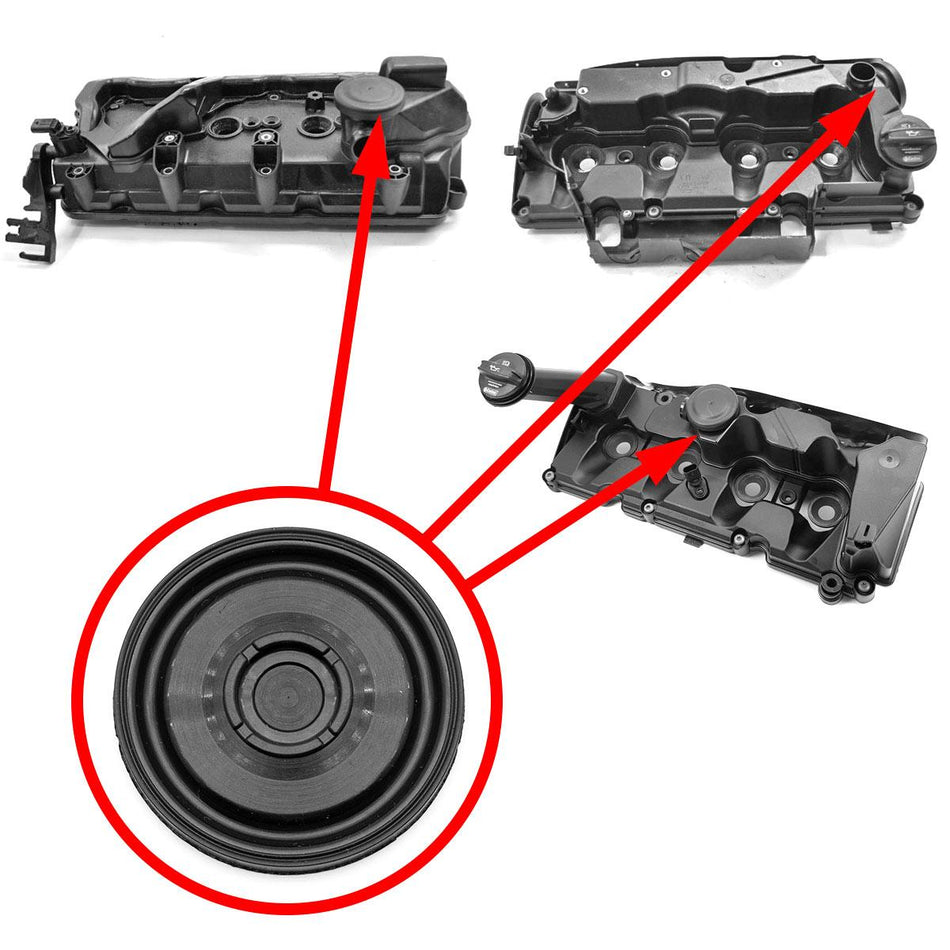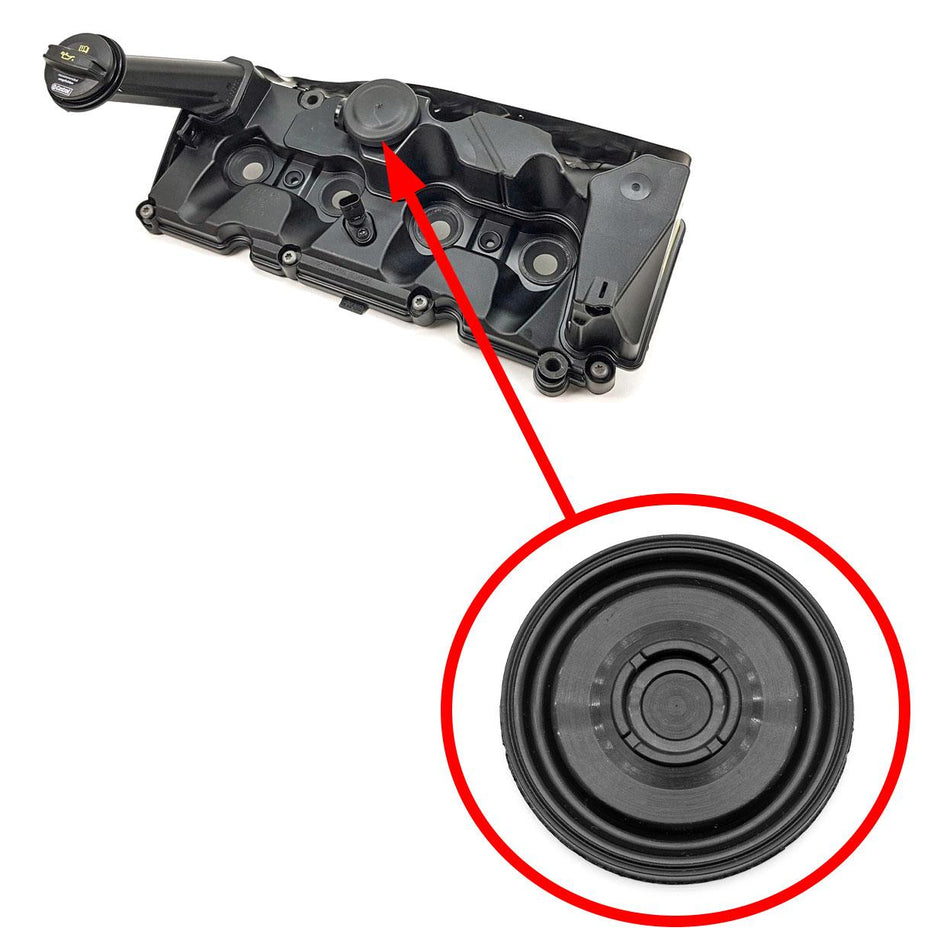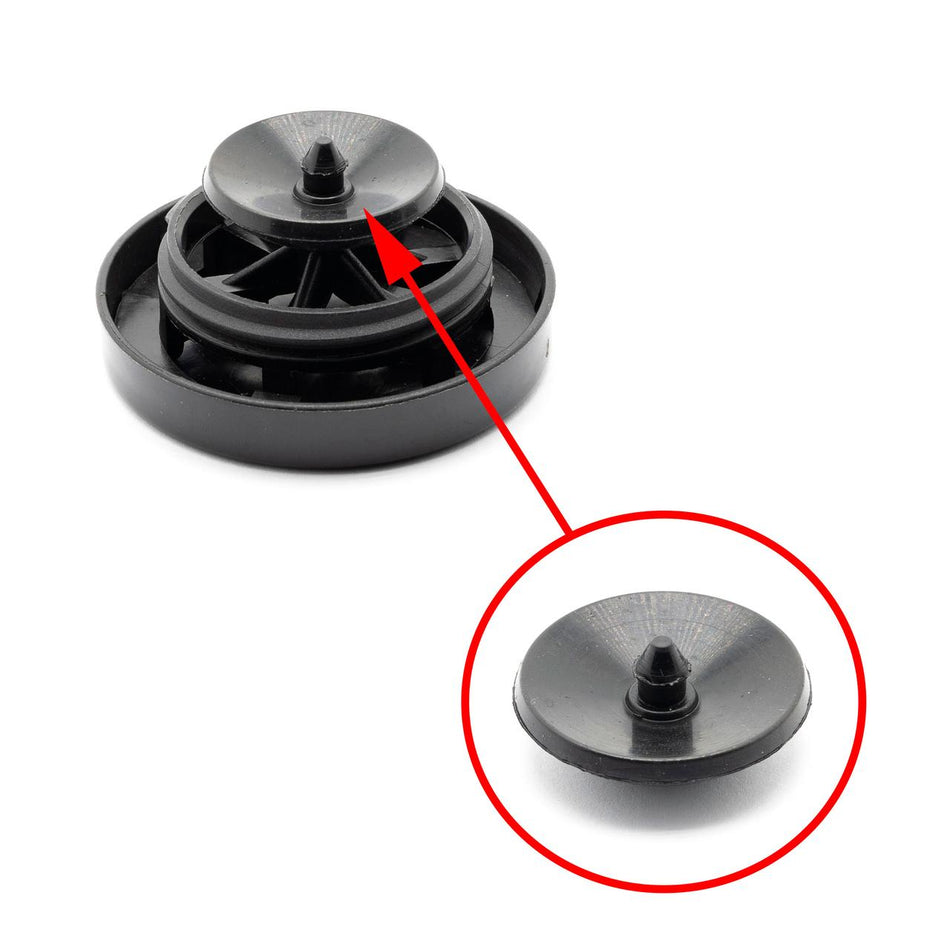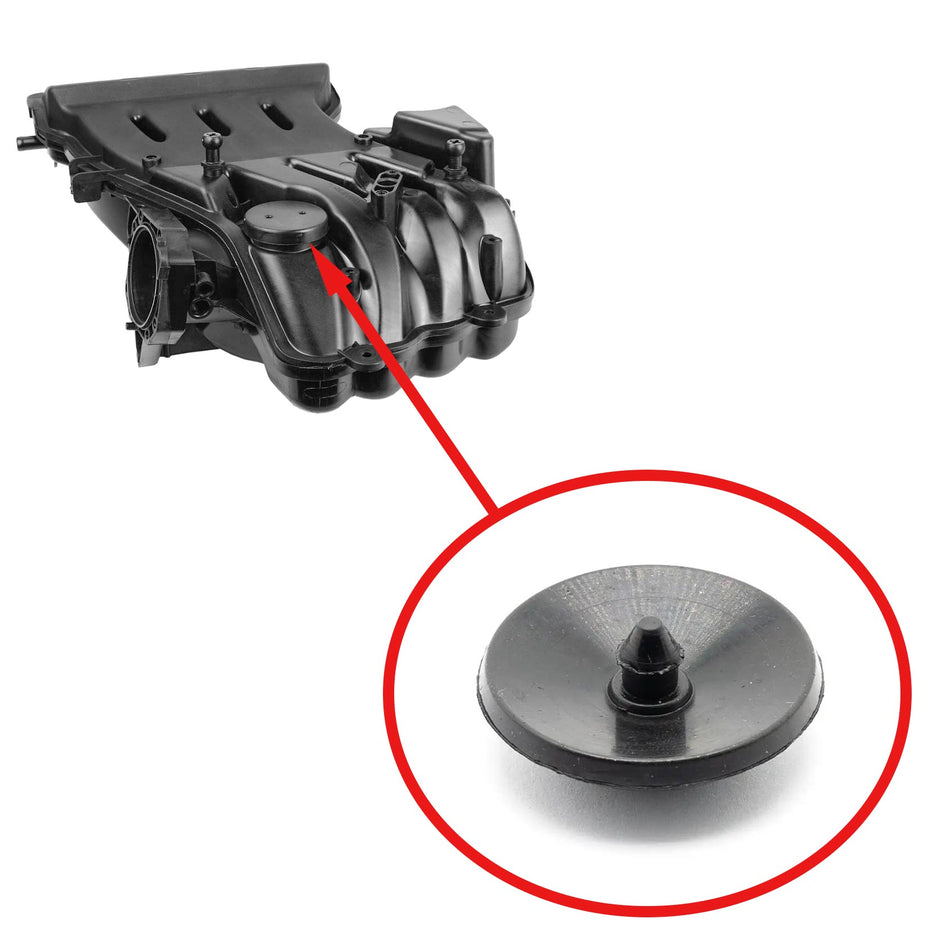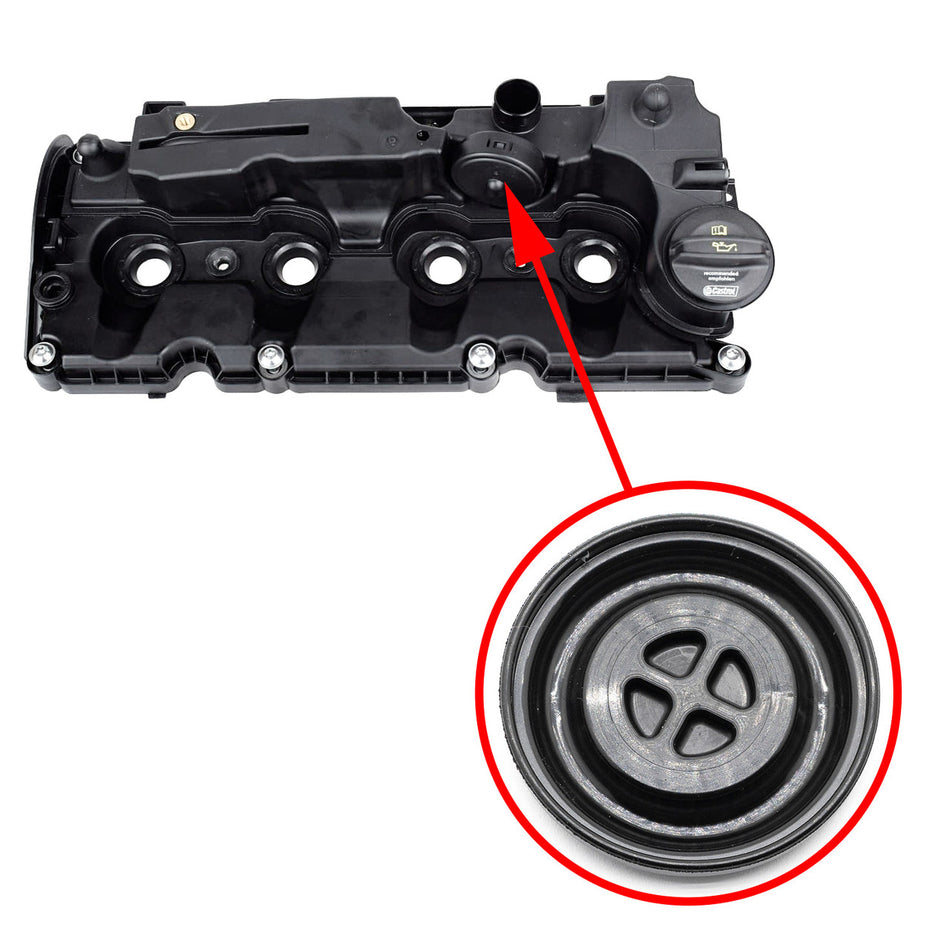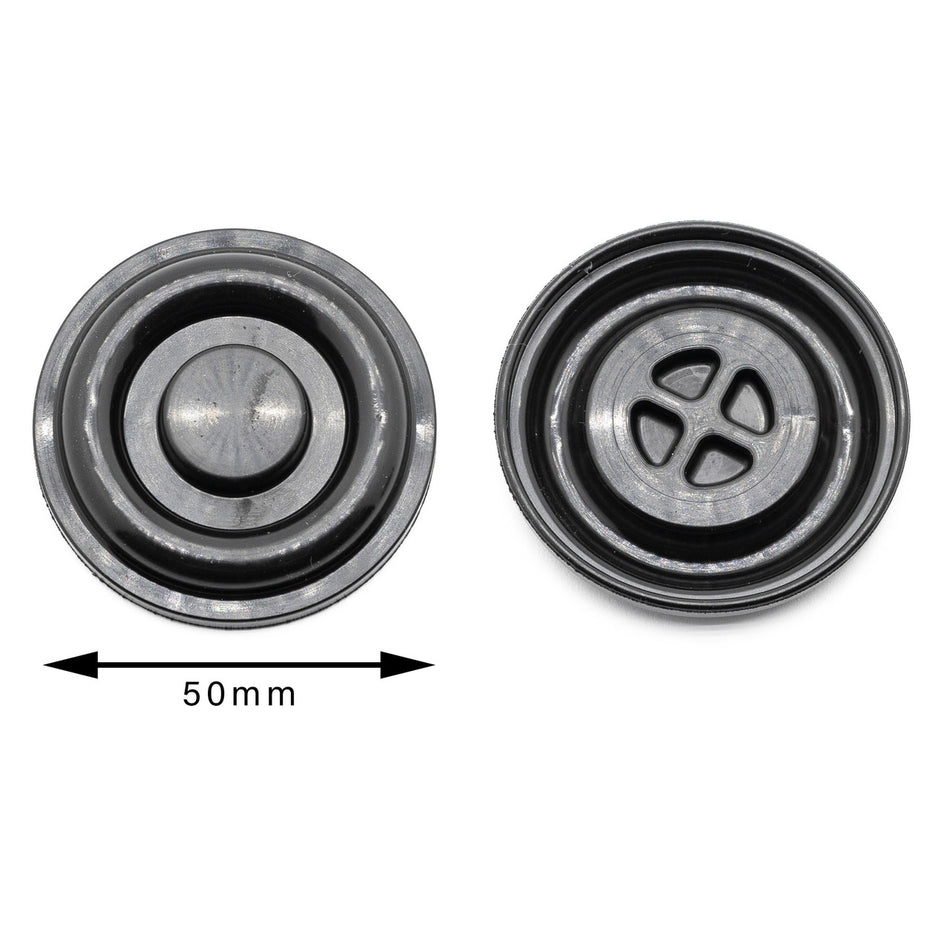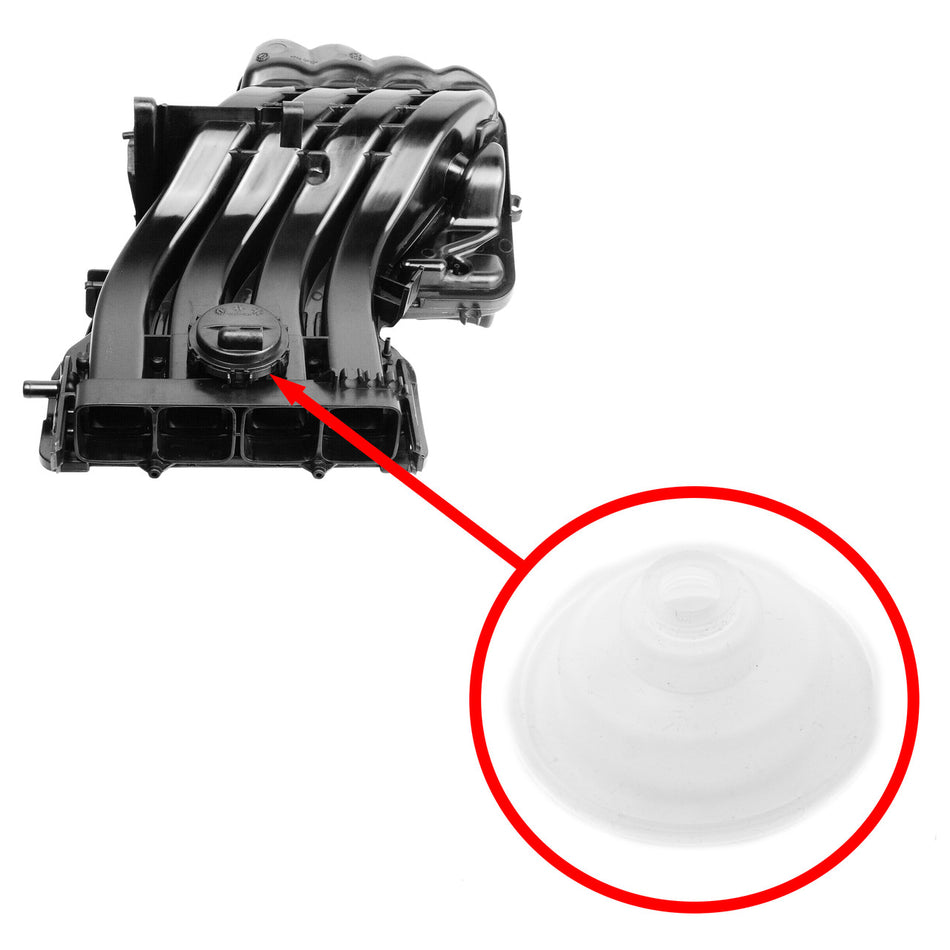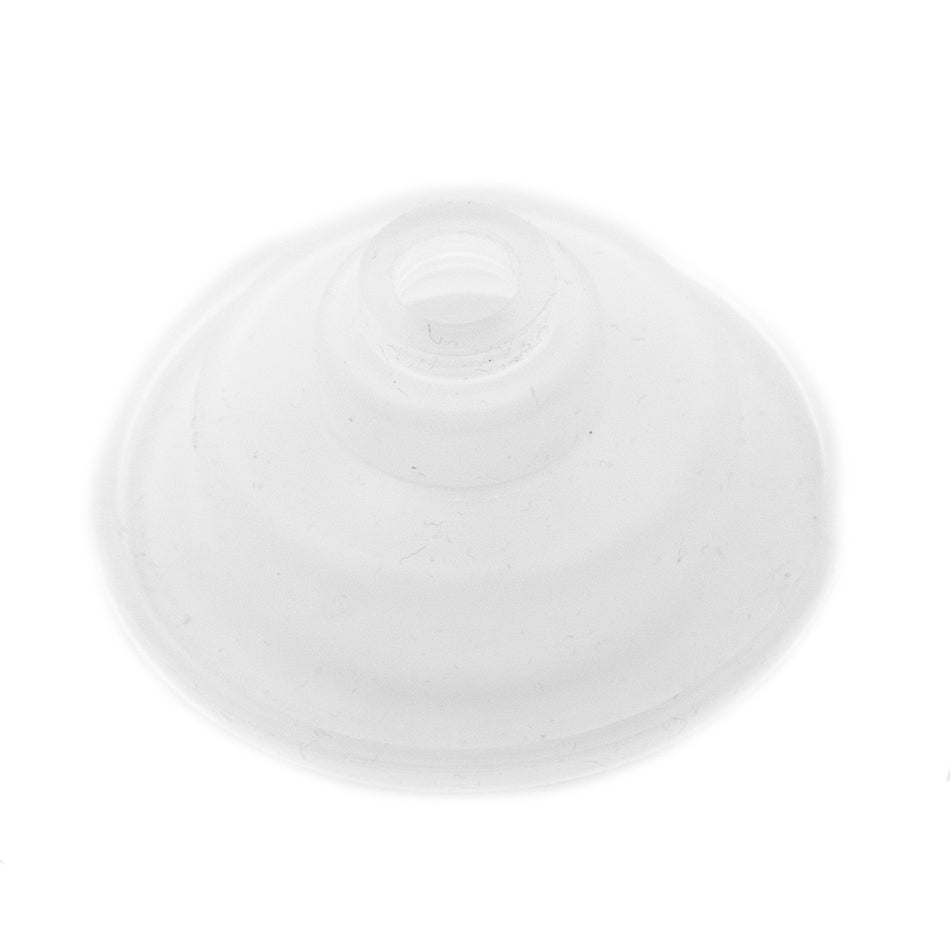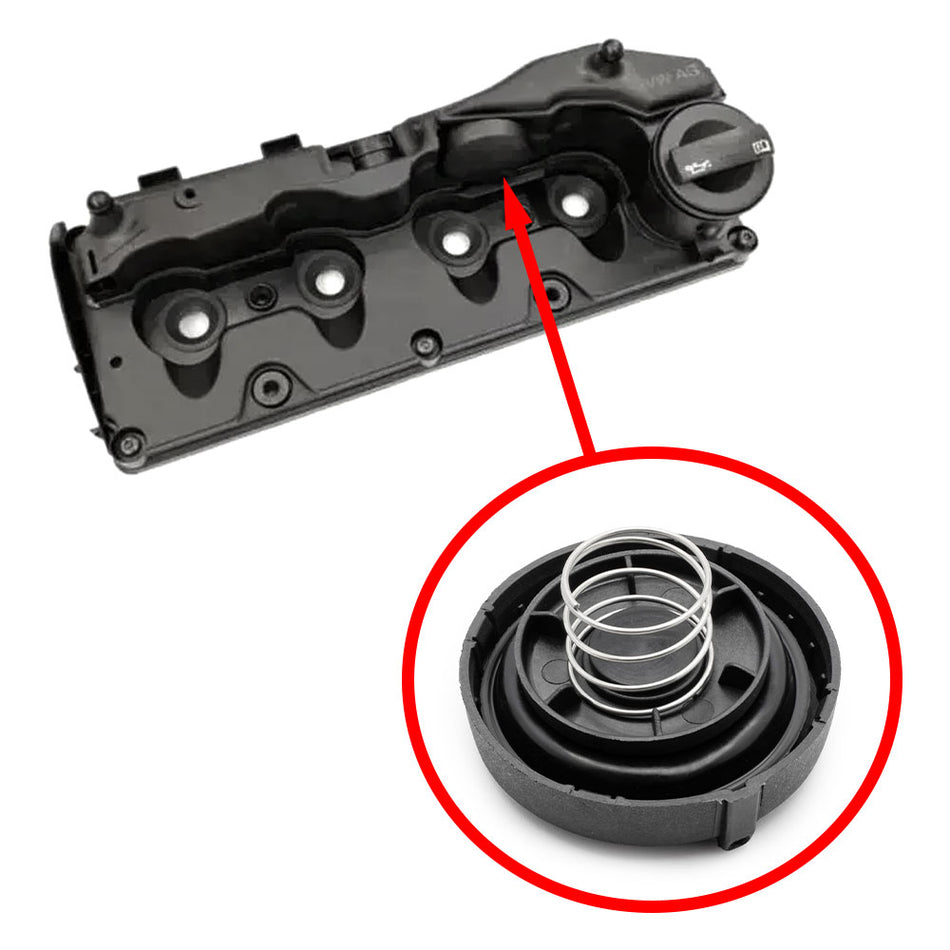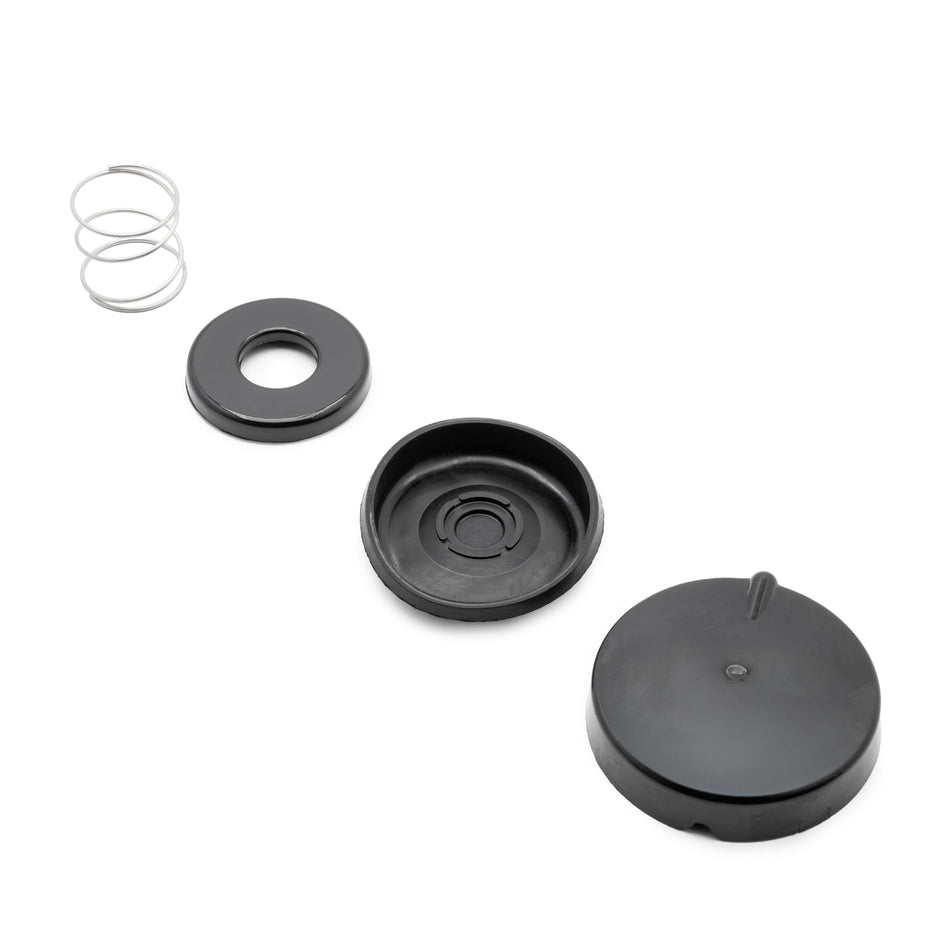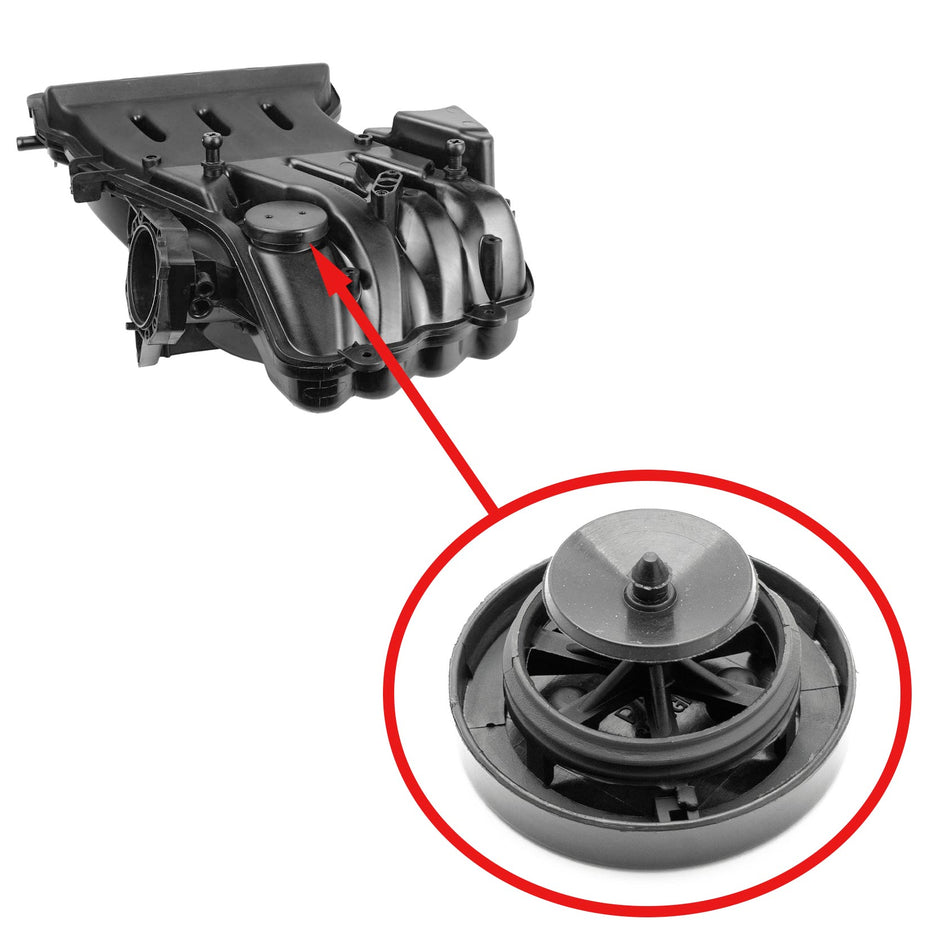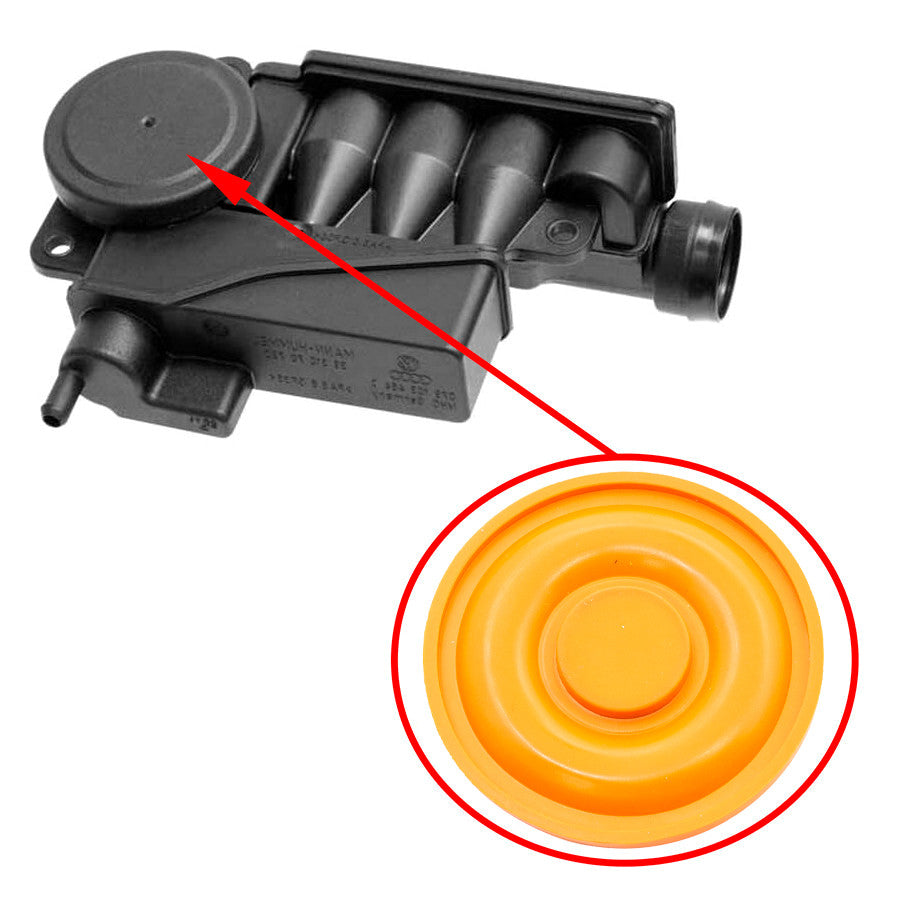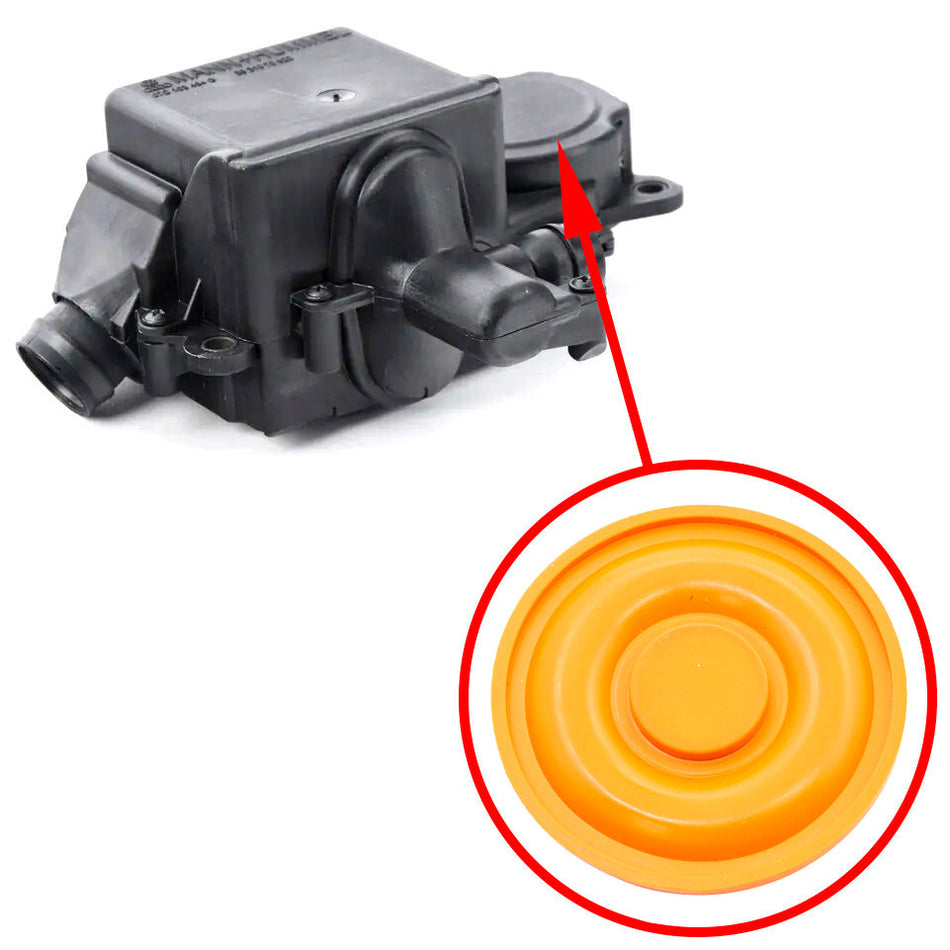

PCV problems on Audi 1.8/2.0 start very small, but show up where you feel it first: at idle, whistling, oil use creeping up, and so on. All you need to do is find the real problem, prepare an Audi PCV repair kit for the 1.8/2.0 TSI, and replace the worn components. Simple, but no need to rush.
Why the PCV System Is Critical on Audi 1.8 / 2.0 TSI TFSI Engines
On these Audi engines, the PCV system controls crankcase pressure and handles blow-by gases. If it can’t regulate properly, the engine doesn’t just “run a little rough” – It can start pulling oil mist into the intake, upsetting the vacuum balance, which shows up at idle and low load.
What makes this important is that PCV wear usually starts quietly. You hear a whistle, idle starts, and oil consumption creeps up. Then it becomes a bigger issue with Audi PCV over time, such as:
- Very loud Audi PCV whistle noise.
- Rough idle.
- Critical oil consumption.
The good news is that when the problem is a diaphragm or oil separator-related, a repair kit can fix the failed part without replacing the entire assembly. The bad news is that it may already be a bigger issue.
The Most Common Signs of PCV Failure on Audi TSI / TFSI
PCV issues on the 1.8 / 2.0 TSI TFSI are generally no different from other engines. So, all you need to know is the basics. By the way, here they are.
Whistling Noise from the Engine Bay
A high-pitched whistle is one of the most recognizable signs. Many drivers and mechanics describe it as a sharp, thin sound that occurs around idle and at certain throttle settings. A torn membrane or a diaphragm that doesn’t seal well can leak air through the PCV pathway, which is mistaken for “just a vacuum leak.” If the whistle comes with unstable idle, it’s a strong sign you’re dealing with PCV.
Rough or Unstable Idle
When crankcase pressure control gets out of range, the engine’s vacuum and airflow balance can become unstable at idle. You may feel it as RPM wandering, slight stumbles, or an idle that never seems to settle. That’s the typical Audi rough idle PCV problem pattern: not a misfire you can clearly “point to”, but an idle that behaves like the engine is “breathing” incorrectly.
Increased Oil Consumption
Oil consumption often follows PCV problems because the separator's function weakens. That’s why there are complaints about the classic Audi oil consumption PCV issue. When oil mist separation fails or crankcase vacuum behavior changes, oil can find its way into the intake tract.
Additional Symptoms Drivers May Notice
Some Audi drivers also report:
- A check engine light with mixture or airflow-related faults.
- Suction you can feel near the oil cap area.
- Oil smell or light smoke.
- Oil residue in intake-related areas that don’t match normal levels of oil presence.
If you have a whistle, an unstable idle, and oil consumption together, it’s usually not an unlucky coincidence. It’s the same system failing, but in different ways.
Why PCV Units Fail on These Audi Engines
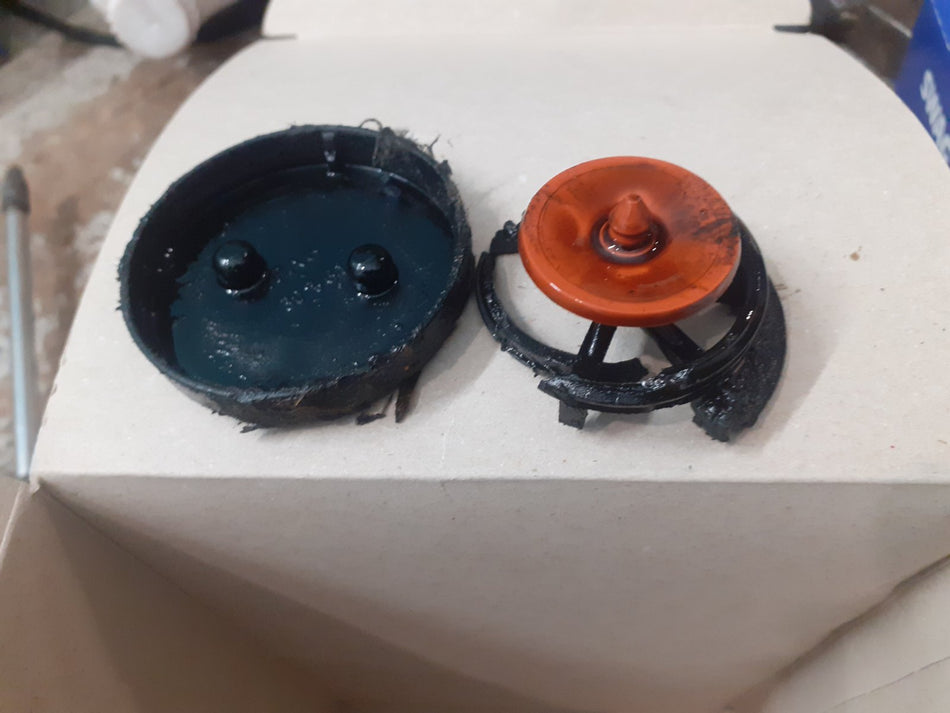
The PCV assembly on these engines lives in heat, oil vapor, and constant pressure cycling. Over time, the diaphragm material hardens, the seal loses shape, and internal parts can stick or stop controlling pressure normally.
The failure doesn’t always look dramatic when you remove it. Sometimes it’s a diaphragm that still “looks okay” but no longer holds a vacuum or separates oil correctly. That’s why PCV failure in Audi TFSI cases often requires diaphragm replacement, not just a quick hose repair.
How to Confirm the Problem Before Replacing Parts
You don’t need to provide exact diagnostics, but you do want to confirm that PCV is the right direction.
Listen for the Whistle and Observe Idle Behavior
Do this test as simply as possible: start the engine cold, let it settle at idle, then lightly vary the rpm. If the sound changes with engine speed and the idle remains unstable, treat the PCV as the first suspect, not the last.
Check for Abnormal Vacuum at the Oil Cap
If you want to check suction, do it safely on a cool engine and follow standard shop practice. Excess suction can point to diaphragm failure or a PCV valve that no longer regulates properly.
Inspect for Oil-Related Intake Symptoms
Look for consistent oil residue patterns in the intake plumbing and related areas. On turbo engines, oil mist shows up in places you wouldn’t normally expect from a healthy PCV system.
Repair Kit vs Full Unit Replacement: What Makes More Sense?
In 80% of cases, the smarter choice is to repair rather than fully assemble the Audi PCV membrane replacement. When the diaphragm membrane or internal PCV components fail, the rest of the housing may still be fine. That means you pay for what actually failed instead of replacing an entire unit that hasn’t structurally collapsed.
When the 06H103495 Repair Kit is the Right Solution
The Audi 06H103495 repair kit is relevant when your symptoms match the membrane or internal PCV failures commonly seen on these engines. If you’re dealing with Audi TFSI oil separator membrane issues, diaphragm leaks, or oil consumption that aligns with crankcase ventilation behavior, this kit targets the failed section.
Also, this kit is a practical way to address the exact problem that causes:
- Audi PCV valve bad symptoms like whistling and idle instability.
- Oil consumption linked to lost separation efficiency.
- Recurring drivability issues caused by unstable crankcase pressure control.
What Problem This Repair Kit Helps Solve
It helps with the failed PCV diaphragm/membrane, which causes air leakage, poor vacuum regulation, and oil mist separation problems.
Why Mechanics and Car Owners Choose Repair Instead of Full Replacement
Repair keeps the project focused. It reduces waste, lowers cost, and avoids replacing parts that may still be serviceable. For independent shops, it also means less time spent ordering and stocking “bigger” assemblies when a targeted repair is enough.
What to Consider Before Ordering a PCV Repair Kit
Before you buy, verify that your engine matches the kit logic:
- Confirm your engine version (1.8 or 2.0 TSI/TFSI).
- Check OE/reference details against your current components.
- Compare your symptoms to membrane-style failures.
- If the valve cover PCV components have been replaced, confirm the revision level.
Restore Stable Engine Operation with the Right PCV Repair Solution
If your Audi is starting to whistle at idle, idle isn’t settling normally, or oil consumption has increased, don’t wait for it to get worse. PCV and oil-separator membrane issues tend to worsen over time.
For the 1.8/2.0 TSI/TFSI symptom set above, the next practical step is to match and install the Audi 06H103495 repair kit. Search for 06H103495, confirm fitment by engine and OE reference, and complete the repair so the engine can control crankcase pressure correctly again.
If you want the right match the first time, use your kit number search (06H103495) and cross-check against your OE reference, then choose the kit that matches your membrane design.