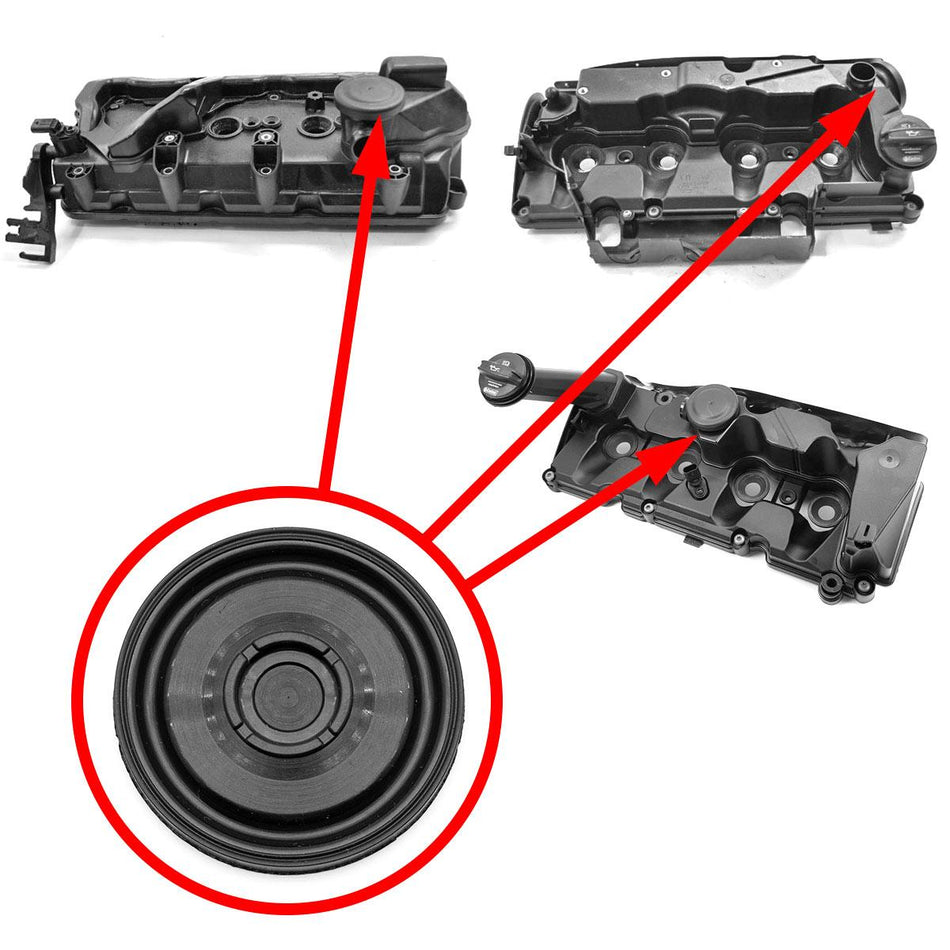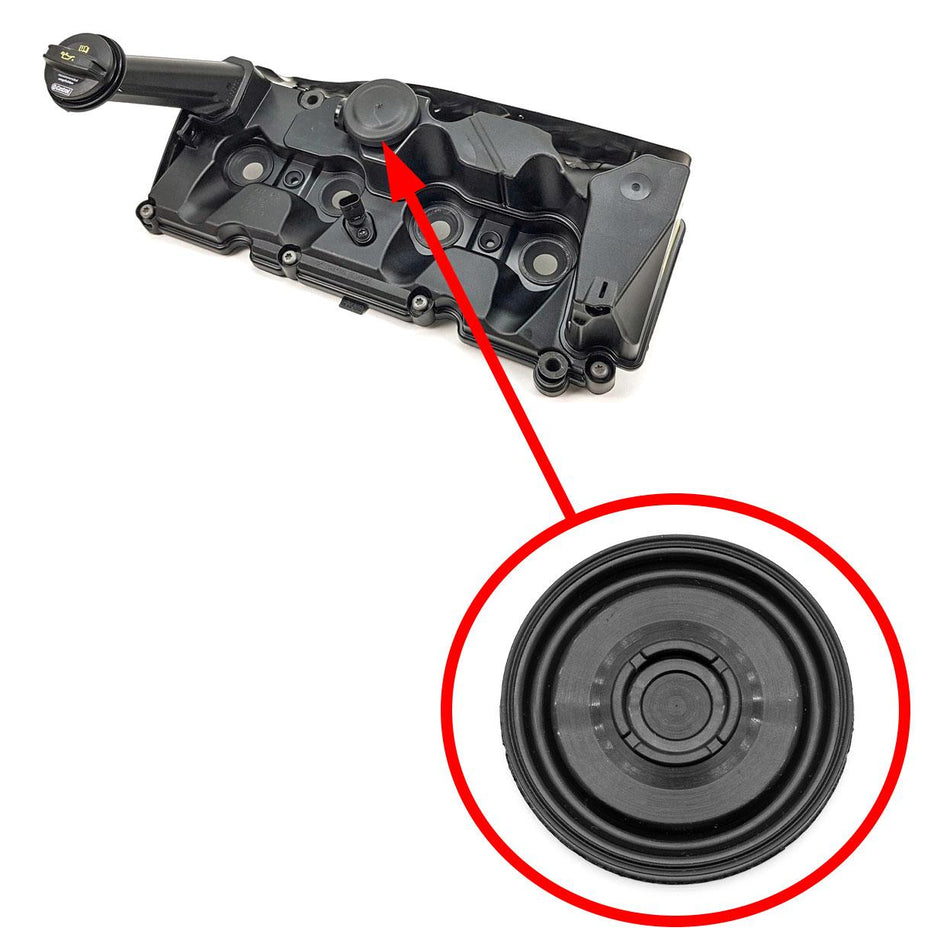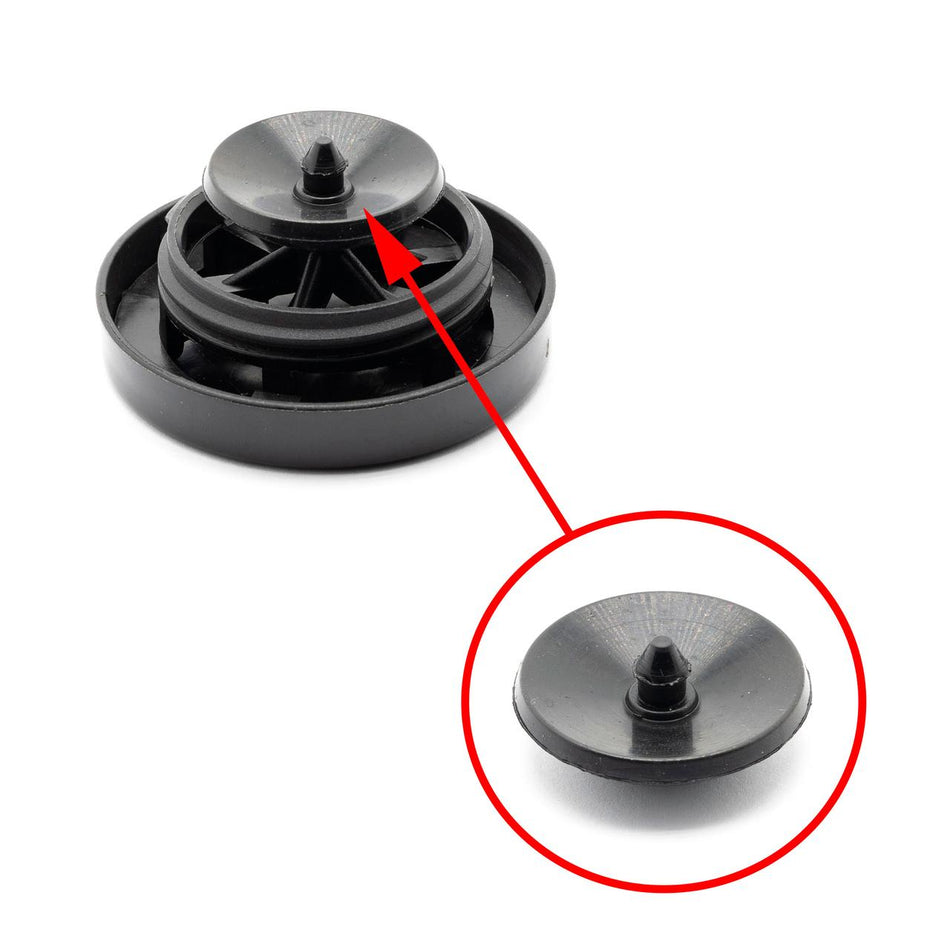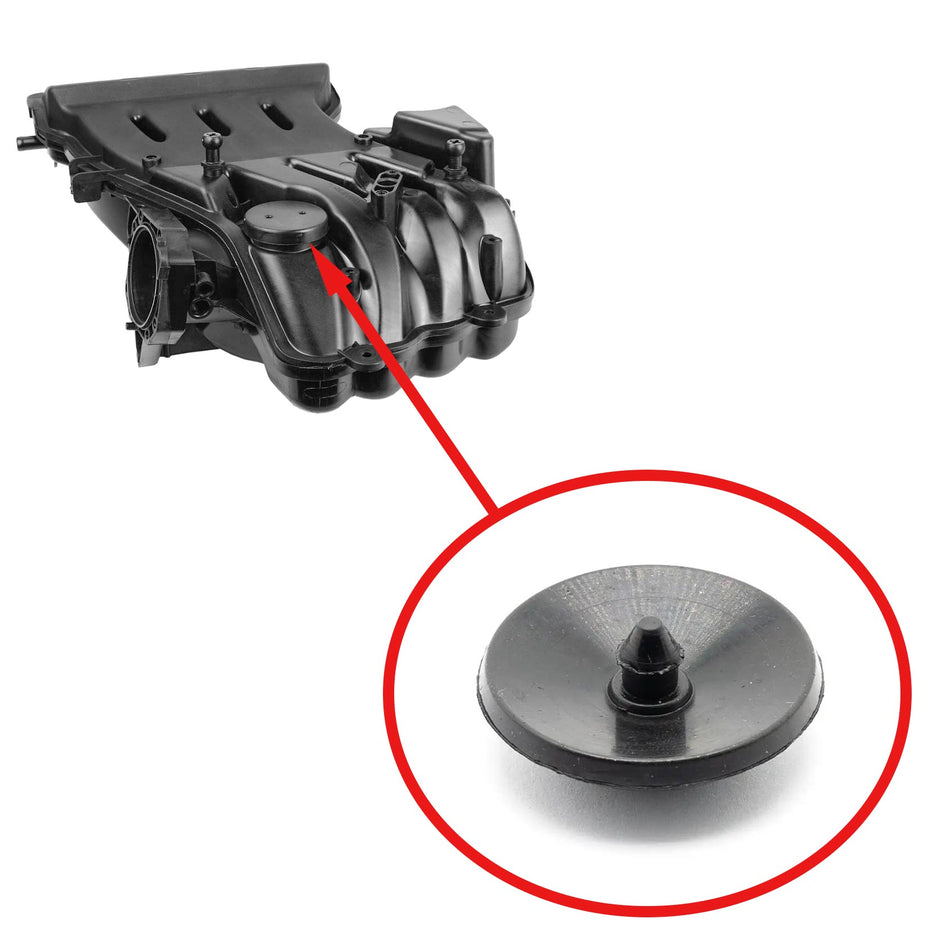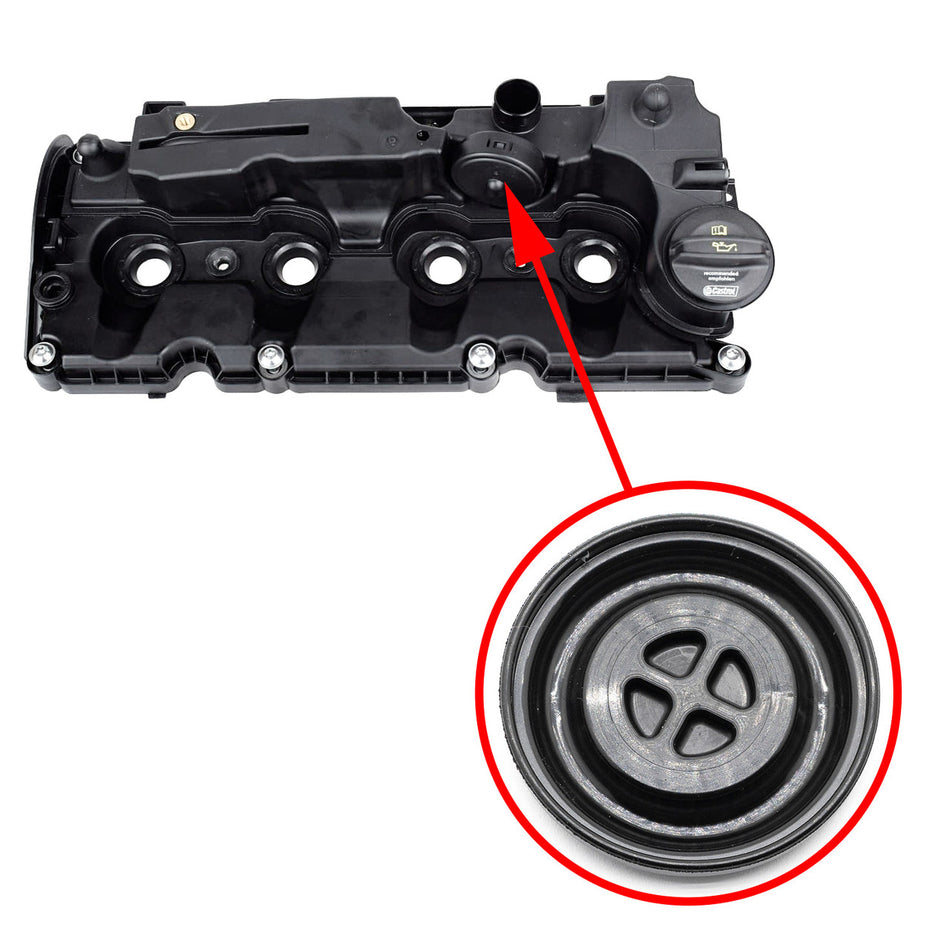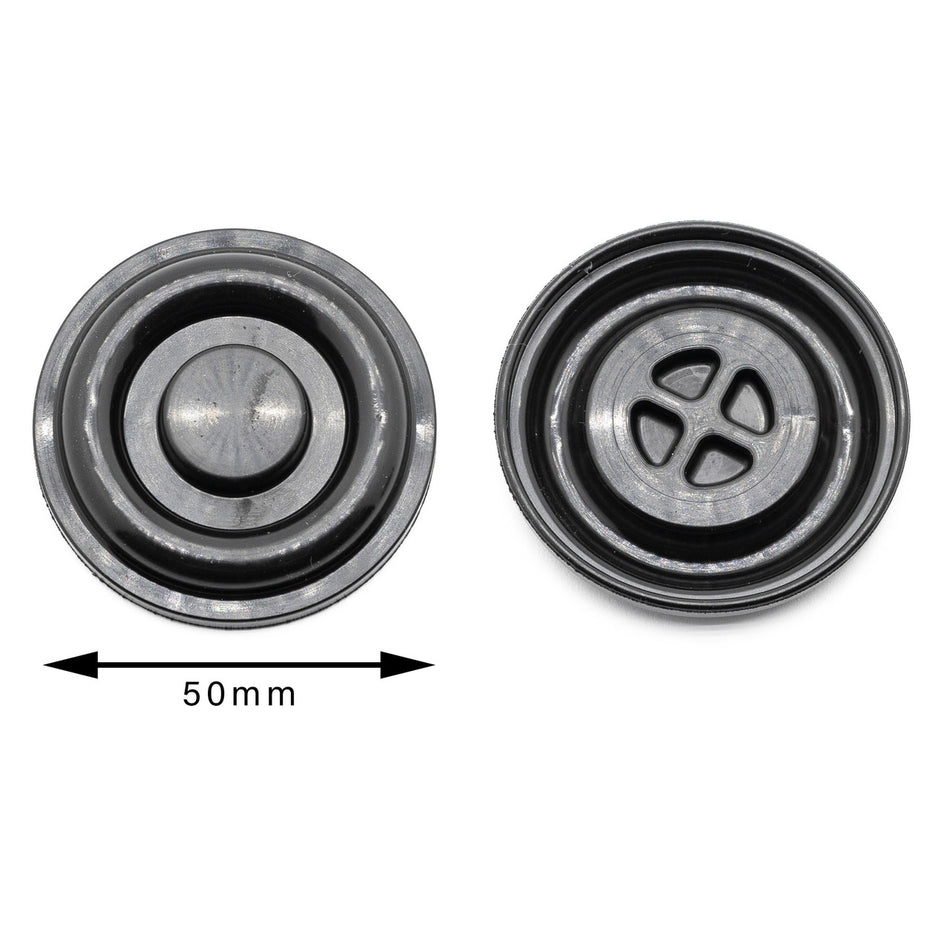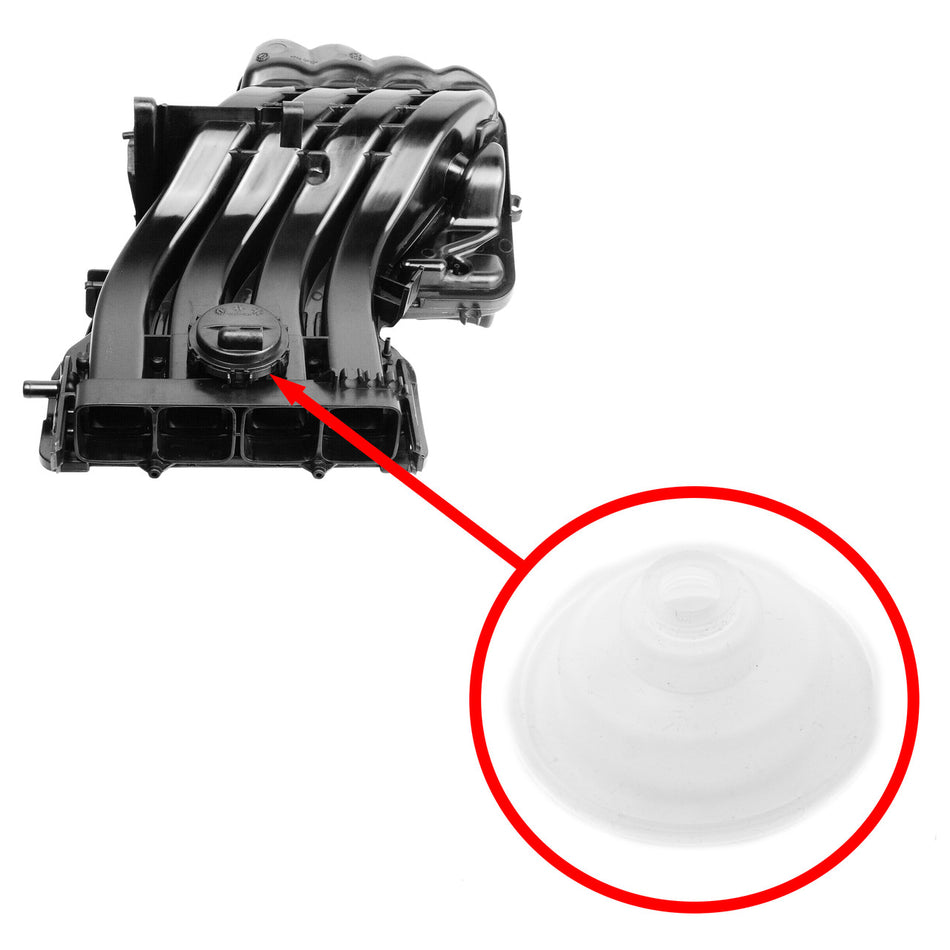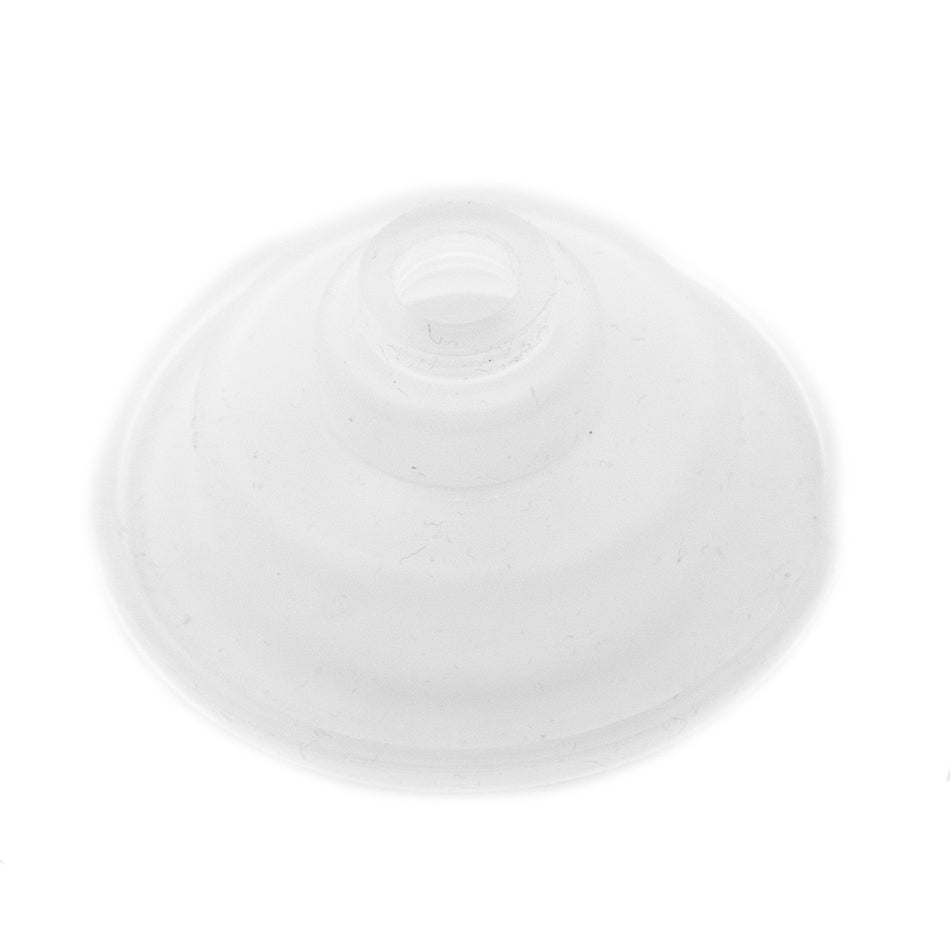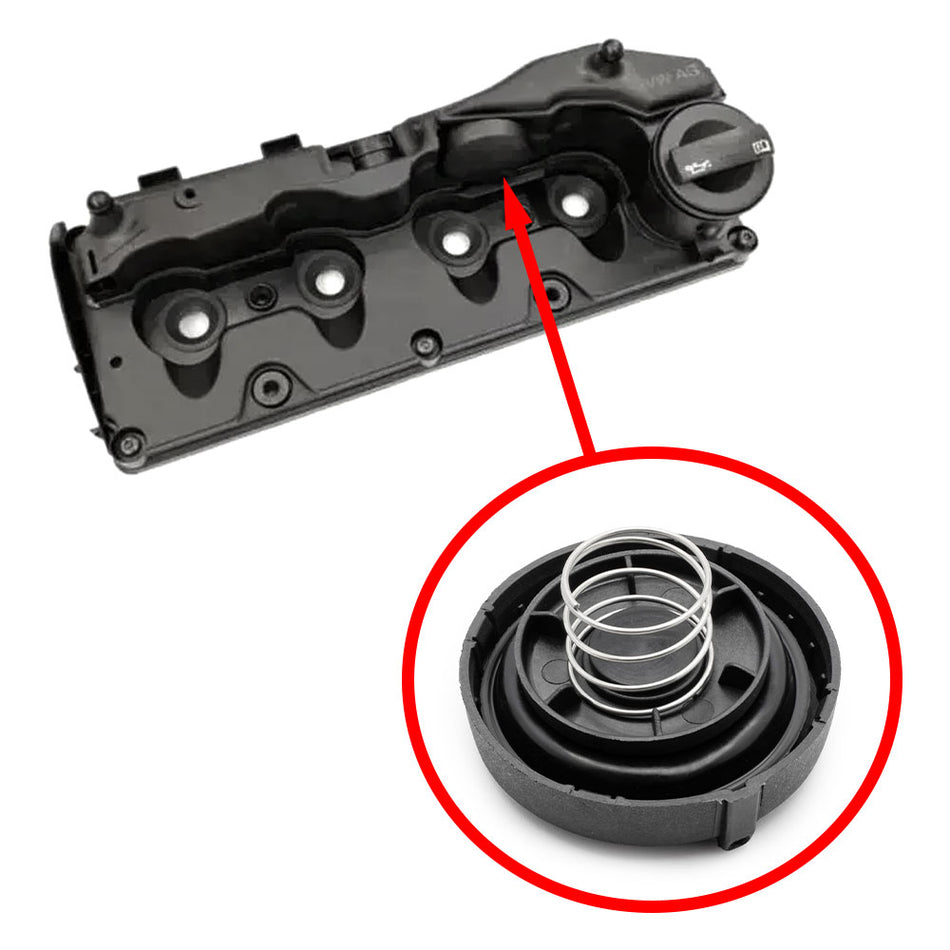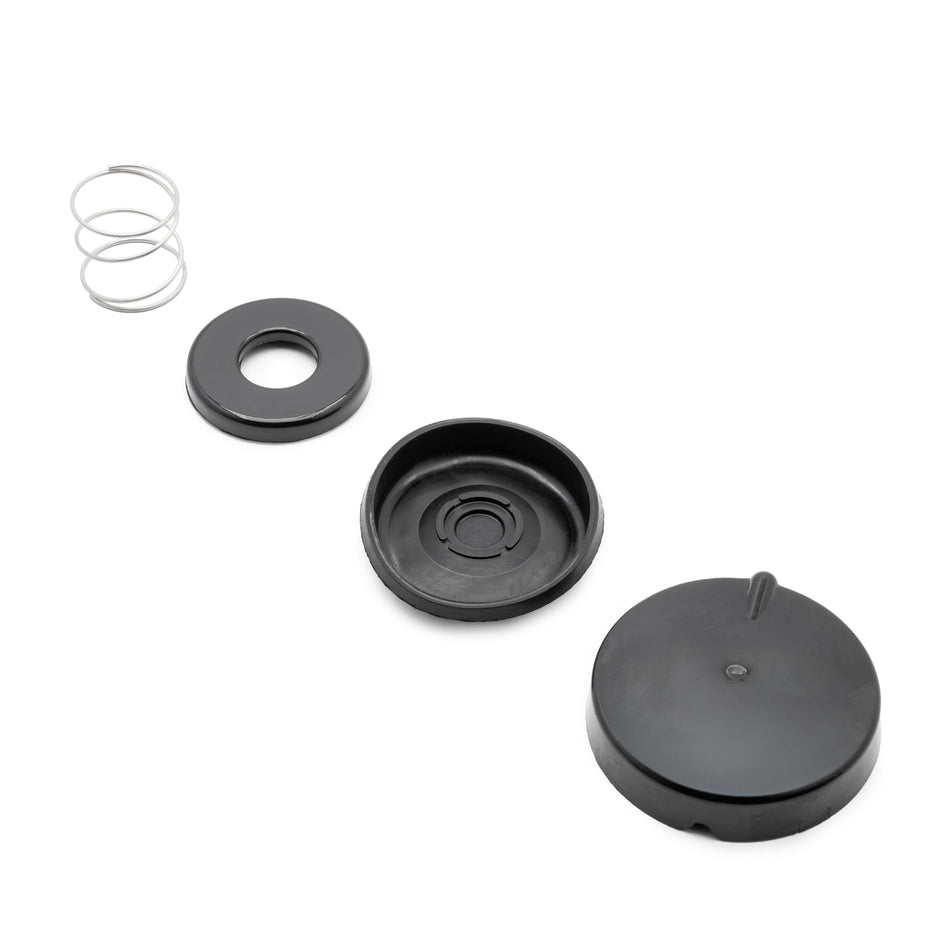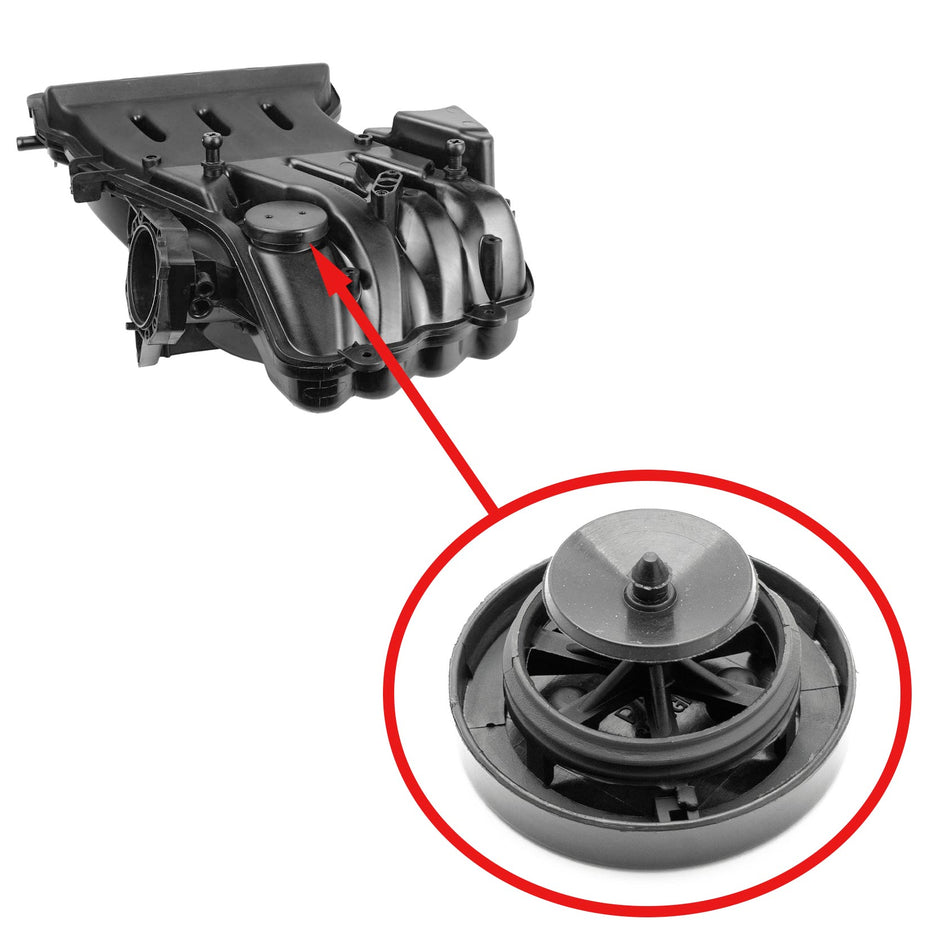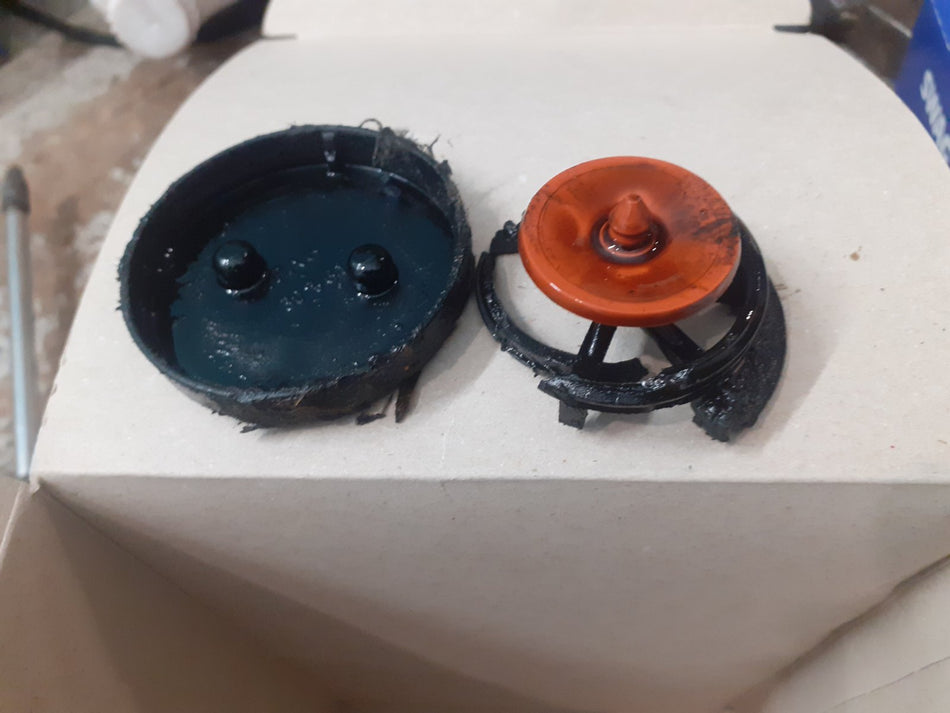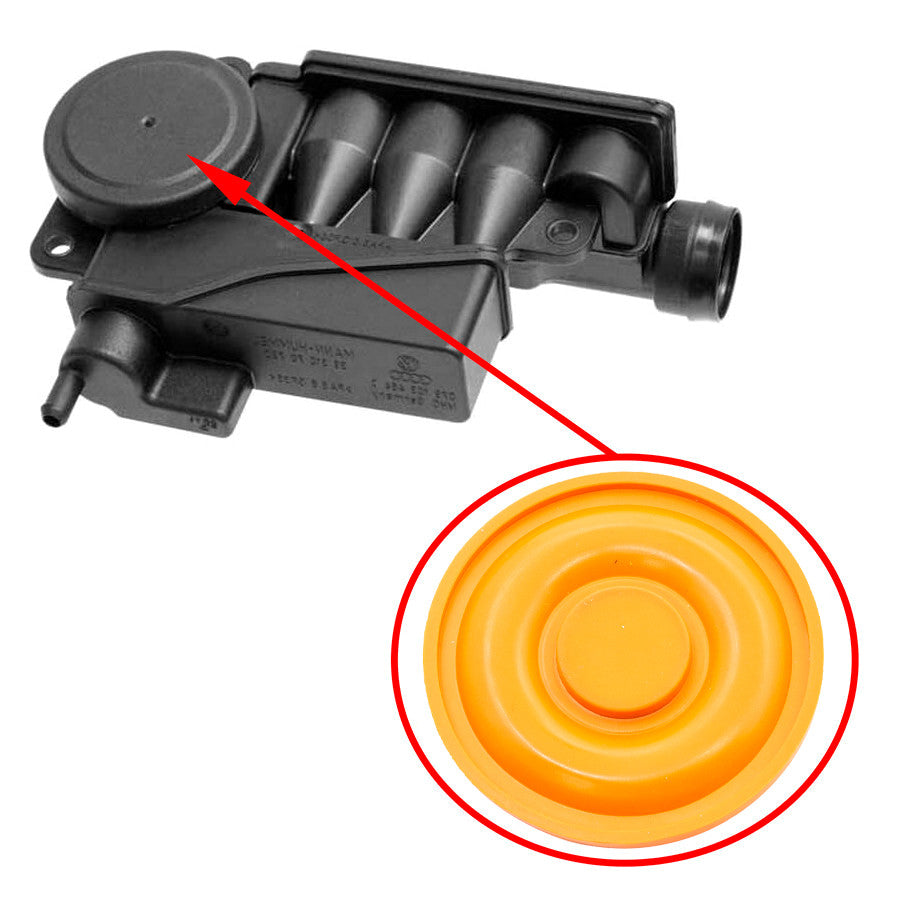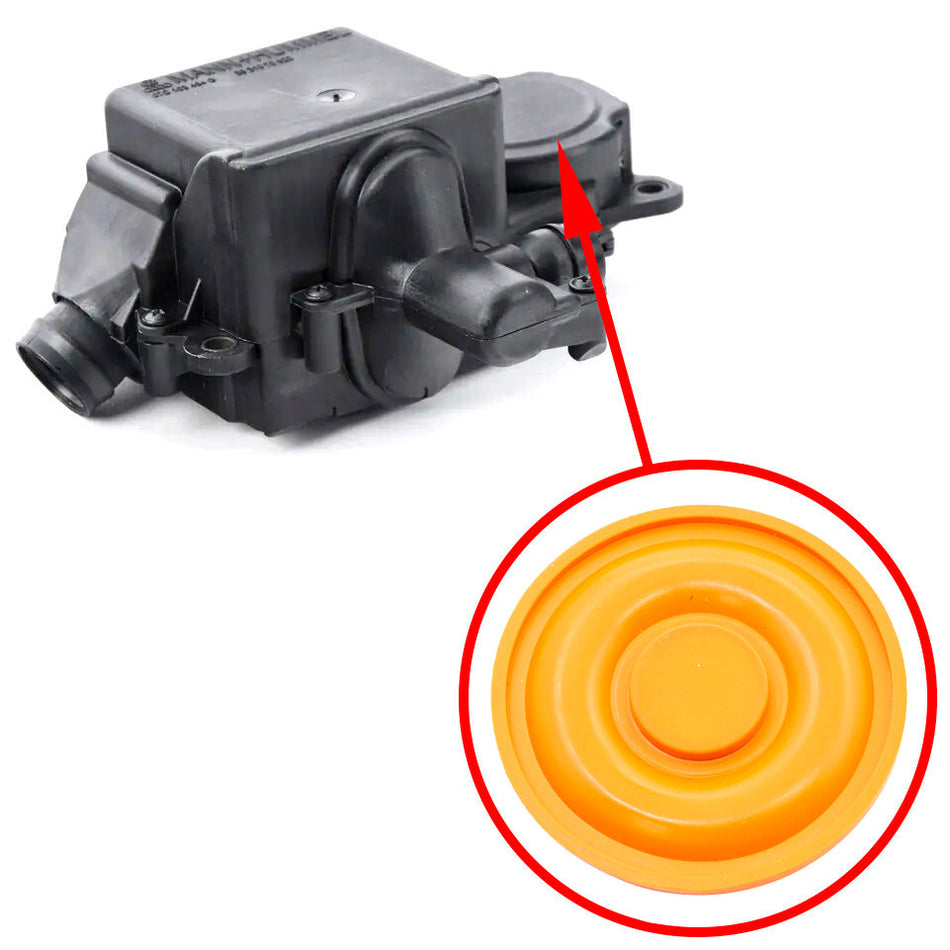

A thin whistle from under the cover is a common problem with Audi 1.4L and 1.6L engines. No driver can ignore it for so long: it’s annoying, intermittent, and a clear sign that something is wrong with the car. In 90% of cases, this is due to a worn Audi 03C103201E membrane. Although they go hand in hand, don’t delay repairs.
What the PCV System Does on Audi 1.4L and 1.6L Engines
On Audi 1.4L and 1.6L engines, the PCV system controls crankcase pressure and routes blow-by gases back into the intake. Inside the valve cover area, there’s a membrane that seals and regulates this flow.
When the membrane is healthy, the engine doesn’t complain. When it leaks, airflow finds an extra path, and you can hear it. That’s where the Audi PCV membrane whistle symptoms come from, often most noticeable at idle and while the engine is warming up.
Why PCV Failures Are Common on these Audi Engines
The engines run hot, and, for example, the Audi 03C103201D PCV membrane spends a long time sitting in oil vapor with changing pressure. But this is only one of the reasons. Together, these factors include:
- Heat cycling: the membrane repeatedly heats up and cools down.
- Age and flexing: the longer it lasts, the higher the chance it will crack (maybe today or 3 months from now).
- Pressure changes: vacuum and pressure swings stress the seal.
- Oil vapor and sludge: oil residue affects the sealing surface and flow.
That's why many owners report the same Audi crankcase ventilation whistle and idle symptoms, especially during warm-up. So listening is important.
Membrane Wear Over Time
With mileage, the flexible material hardens. It seals worse than it did before. The leak may start as a “barely there” air leak that you only notice at idle or during a cold start.
Pressure Imbalance Inside the Cover
When the membrane fails, crankcase ventilation doesn’t operate as the ECU expects. Vacuum and pressure behavior shift. That changes the airflow balance at low load and can make the whistle sound of the Audi 03C103201D PCV membrane more obvious.
Why Does a Whistling Noise Appear from Under the Cover?
Once the membrane is torn or no longer seals, air can abnormally pass through the PCV pathway. If you hear an Audi whistle noise from the engine cover, it means airflow has gone the wrong way.
Sometimes (~10-15%), the real problem is in the turbo, because the pitch can travel through the engine bay. But if the whistle appears at idle and during warm-up, it often points to membrane leakage in the PCV area.
How the Whistle Can Change as the Engine Warms Up
Sound is the first sign you'll hear of Audi 1.6 PCV failure symptoms. And the hotter the engine gets, the more noticeable it becomes.
Why the Sound May Be Stronger on a Cold Engine
On a cold start, the membrane material can be stiffer. Stiff material can seal worse at first, and the vacuum may be slightly different while the engine is stabilizing. The airflow leak path can become more audible, so you may hear a louder Audi valve cover whistle when warming up.
Why the Sound May Change, Soften, or Become Less Stable when Warm
It’s all about temperature and heat. Engine operating temperature (which, in most cases, means at least minimal heat) affects the material. As a result, the material softens a bit as it warms up, opening up potential leak points.
Why a Changing Sound Still Points to the Same Underlying Problem
Don’t treat the temperature change as a “rule-out.” A membrane that’s already torn can still leak differently depending on heat and pressure conditions. So a whistle that changes with warm-up is still consistent with complaints about Audi PCV membrane warm-up engine symptoms.
Other Symptoms that Often Appear Together with the Whistle
The Audi PCV membrane whistle symptoms are the headline, but the PCV system failure brings other effects along.
Rough or Unstable Idle
If crankcase ventilation isn’t functioning correctly, idle quality can suffer, leading to the classic Audi unstable idle membrane problem. The engine may shake a bit, RPM may fluctuate, or the idle may feel “uneven.”
Increased Suction or Pressure Imbalance Symptoms
Unusual behavior near the oil cap area is one of the top symptoms. Depending on the engine and how the PCV route is set up, you might feel stronger suction or detect pressure-related behavior that’s different from normal.
Light Oil Residue or Mixture-Related Issues
A leaking PCV membrane can allow oil mist to travel where it shouldn’t. You may see a light oily film around the valve cover area or notice mixture-related drivability annoyances. Not every Audi will show these clearly, but they can show up alongside the Audi crankcase ventilation whistle.
How to Tell whether the PCV Membrane is the Likely Cause
You don’t need to guess blindly. Use the sound and symptom pattern to save your time and money.
Listen to Where and When the Sound Appears
If the whistle sounds like it comes under the cover and is strongest at idle or during warm-up, that’s a big clue for sure. A random vacuum hose leak can whistle, too, but an “under the cover” location is tied to warm-up and is a common PCV membrane failure. This is the same story behind Audi 1.6 PCV failure symptoms and possible repair.
Compare the Sound with the Idle Behavior
Whistle plus unstable idle is stronger than whistle alone. If the RPM isn’t stable and the sound is present during those moments, that points to airflow control through PCV, not just some random air-free zone.
Rule Out Other Possible Air Leak Sources
Still, do a quick sanity check. Look for obvious intake hose problems and loose connections. If those are totally fine and the classic whistle + idle behavior match the PCV membrane issue, the membrane is the optimal next step.
Why Replacing the Membrane Can Be the Smart Repair
If the damaged part is the membrane inside the PCV unit, a targeted repair makes sense. As a result, you will stop the whistle and restore normal PCV behavior without overpaying, since you don’t need to replace larger assemblies.
When the PCV Membrane 03C103201E/D/K Is the Right Product to Recommend
The exact membrane is relevant when your symptoms match the classic: whistle under the cover, idle roughness or instability, and changes during warm-up that still point to PCV airflow leakage.
If your issue is Audi 1.4 1.6 membrane failure-style complaints, and you’ve confirmed the noise location is under the cover area, the membrane repair route fits your situation well.
Stop the Whistle By Fixing the Real PCV Problem
Don’t wait until the Audi 1.4 PCV whistling noise gets worse. If the whistle shows up at idle and changes as the engine warms up, it usually means the PCV membrane is leaking, and the engine can’t regulate crankcase pressure as it should.
For a real fix on Audi 1.4L and 1.6L, choose the compatible PCV membrane 03C103201E/D/K. Match it to your engine setup, then replace the membrane so the internal seal actually stops the air leak.