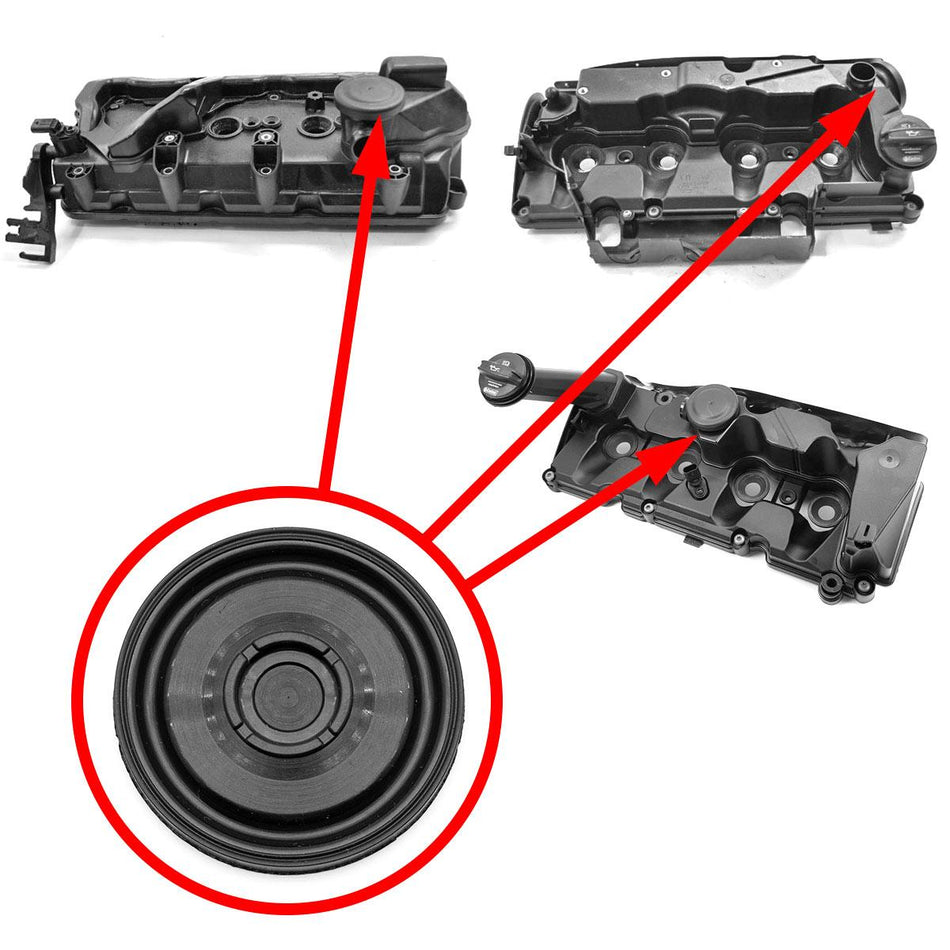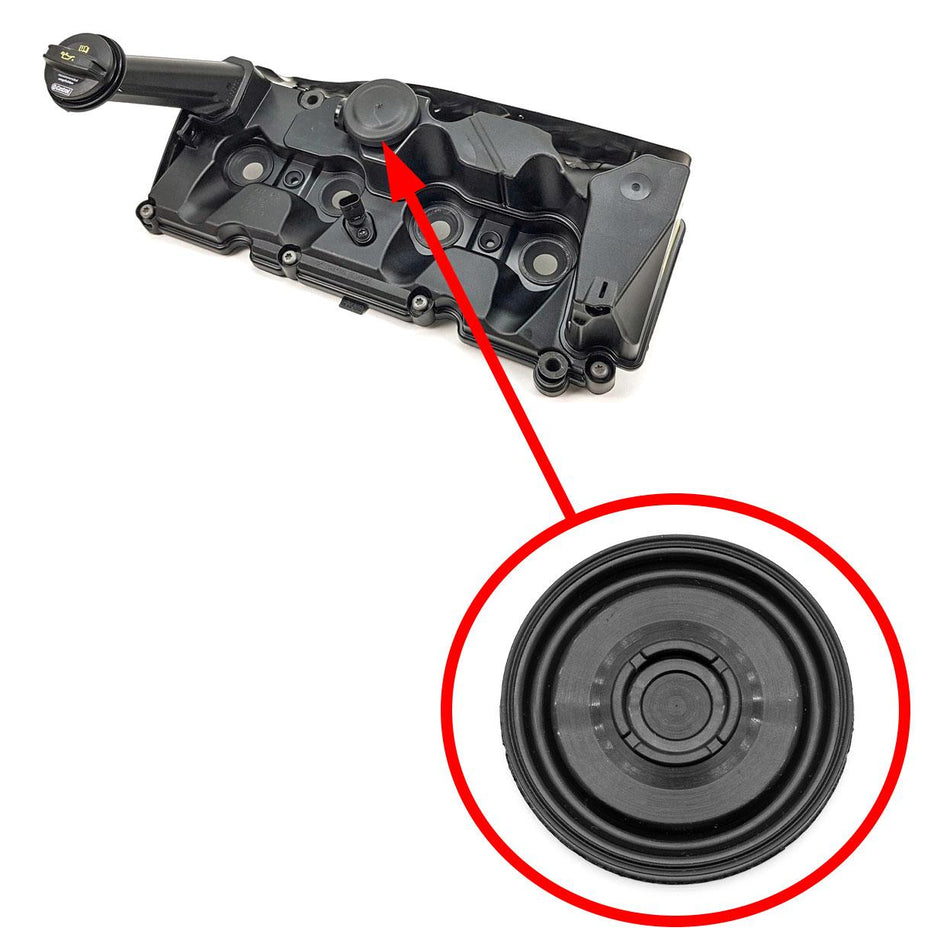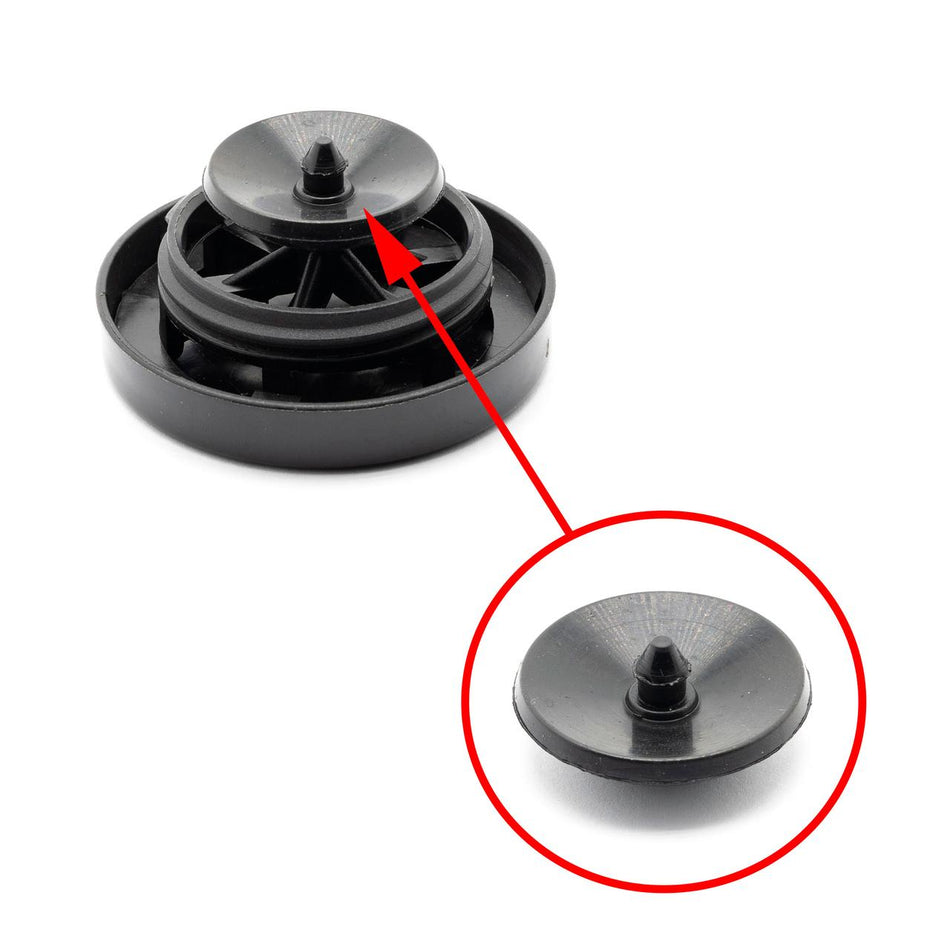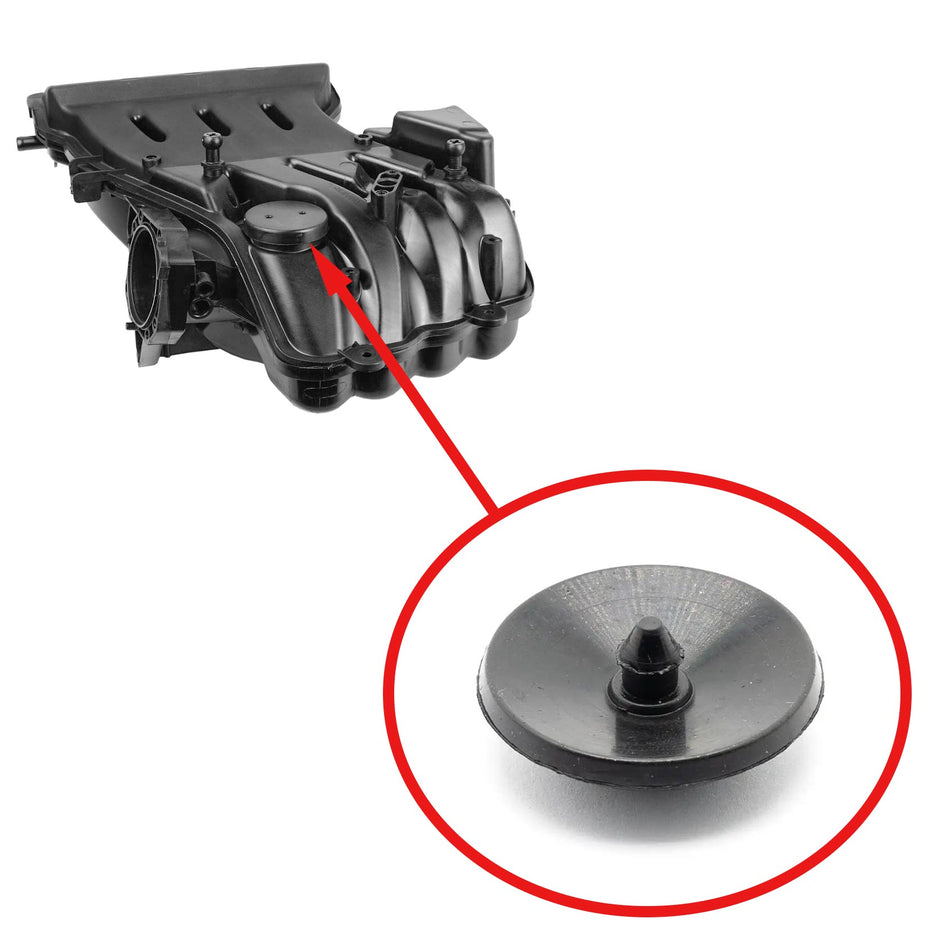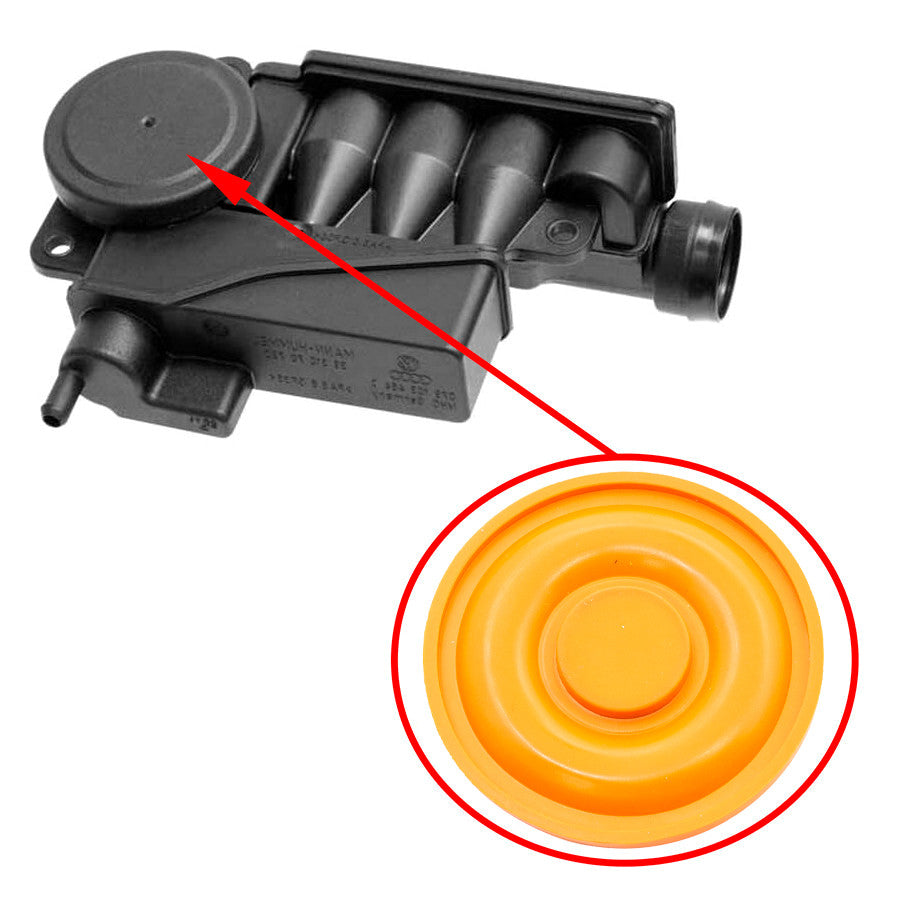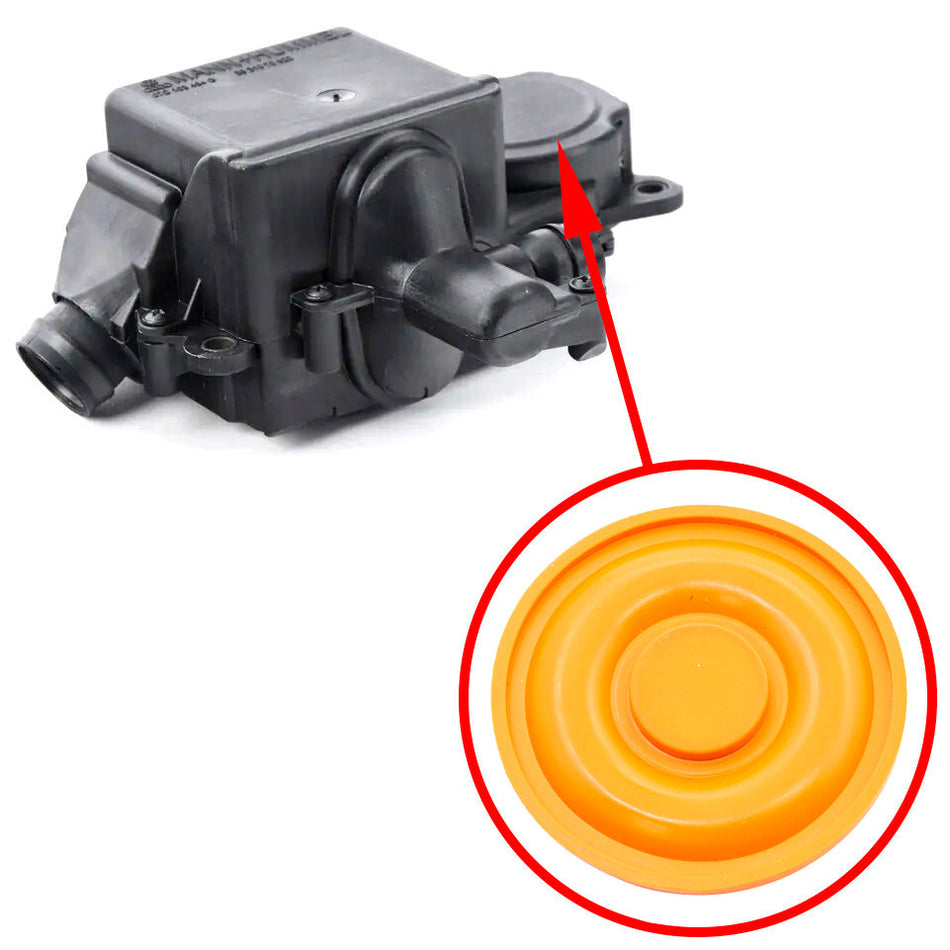

Lean codes can be frustrating because the car feels like it’s “not getting fuel.” But the real issue may be extra air through the Audi 2.0 TSI lean mixture PCV pathway. Yes, even a small amount of extra airflow can harm the entire engine, so a fresh membrane guarantees a healthy ecosystem under the hood.
Why Are Lean Mixture Faults Common on the Audi 2.0 TSI?
The engine may run unevenly, and the ECU keeps adjusting the fuel trims to return to the target mixture. That’s why a PCV-related issue can feel like a “fuel problem” even when the fuel system itself is fine.
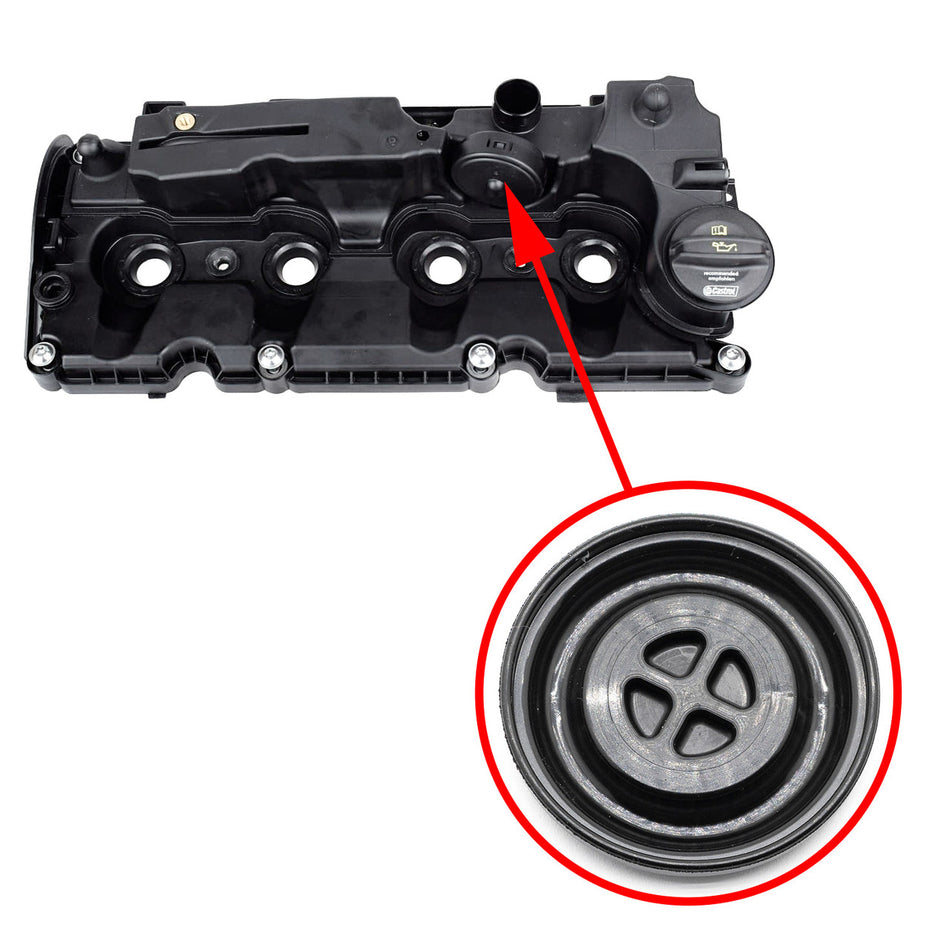
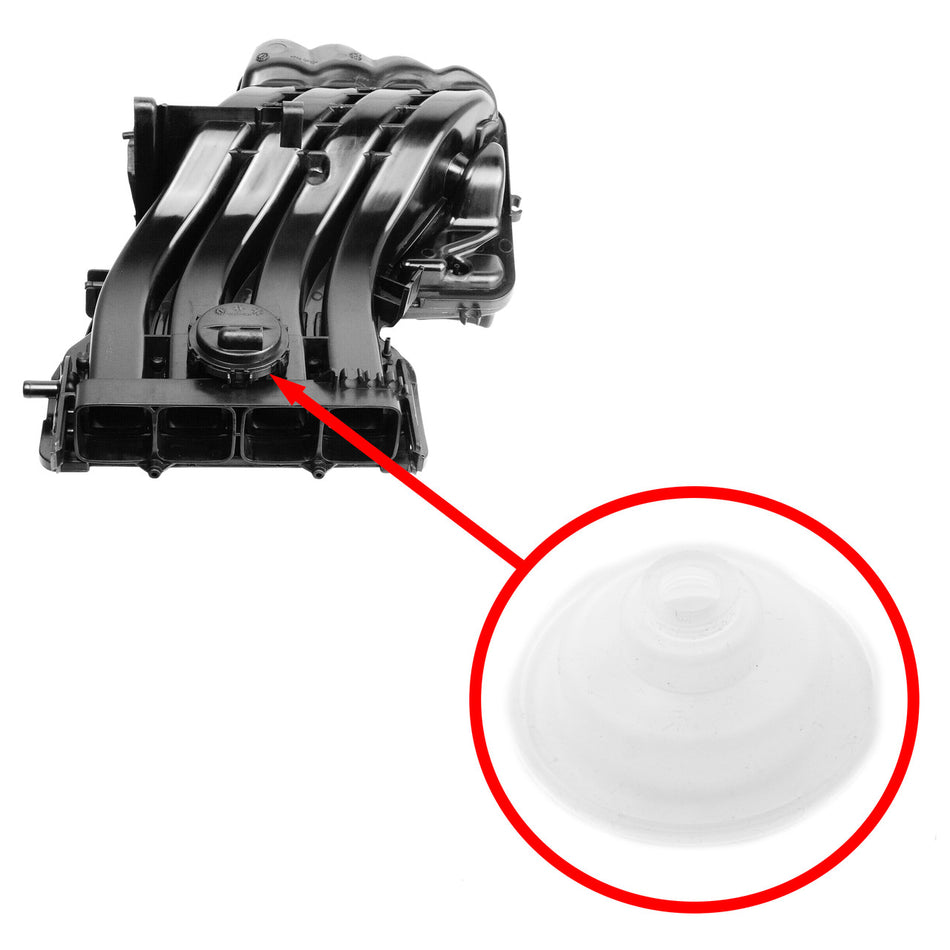
The Audi 2.0 TSI crankcase ventilation problem is a common case. If the PCV membrane inside the PCV unit doesn’t seal properly, it can allow extra air to enter through the PCV pathway. That upsets the airflow balance the ECU expects.
What the PCV Membrane Does and Why It Matters
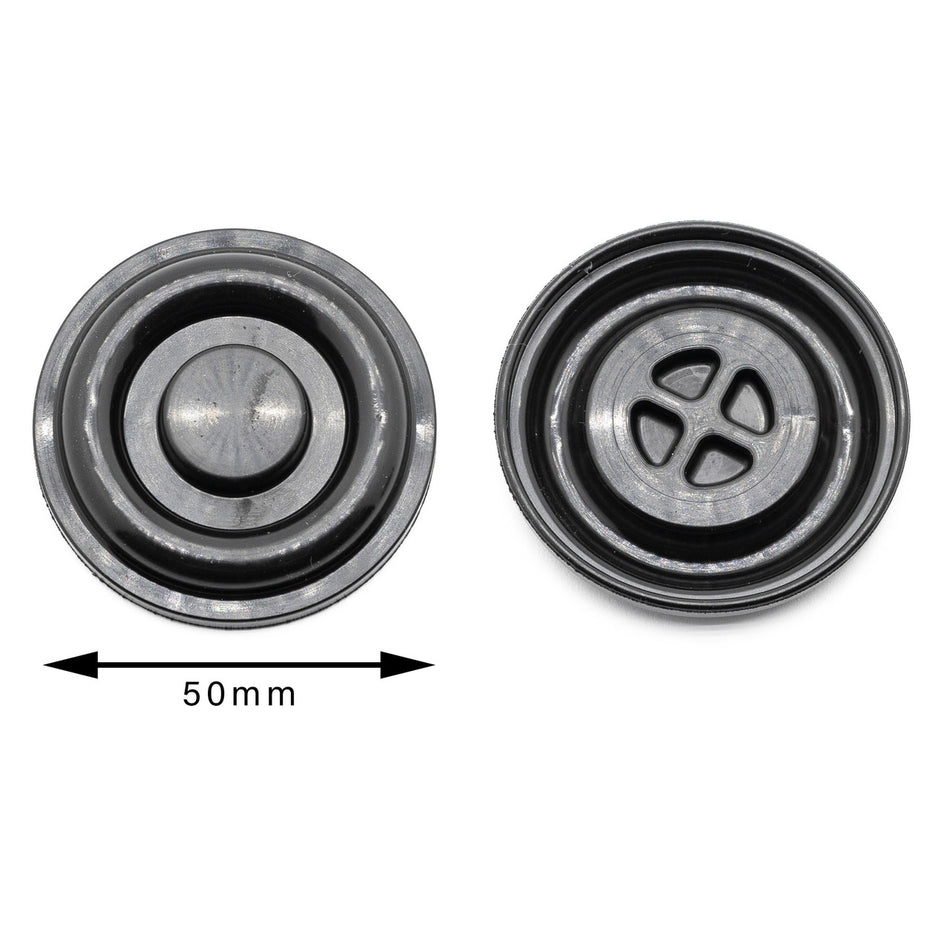
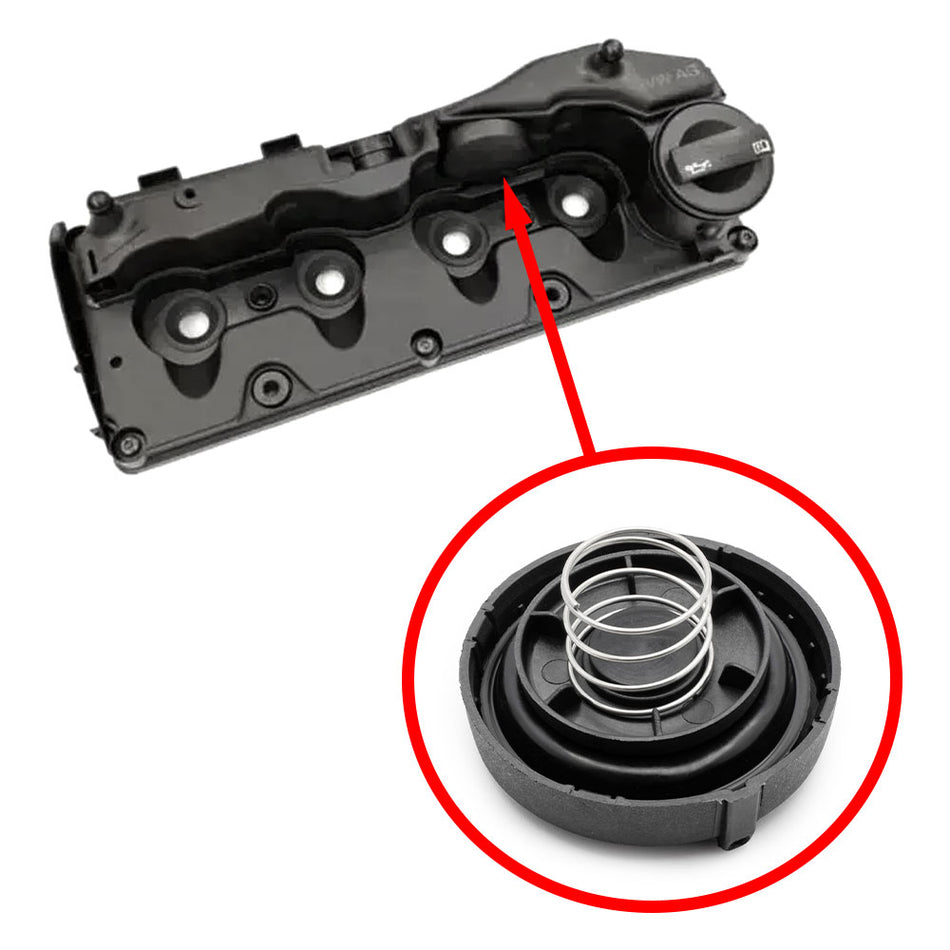
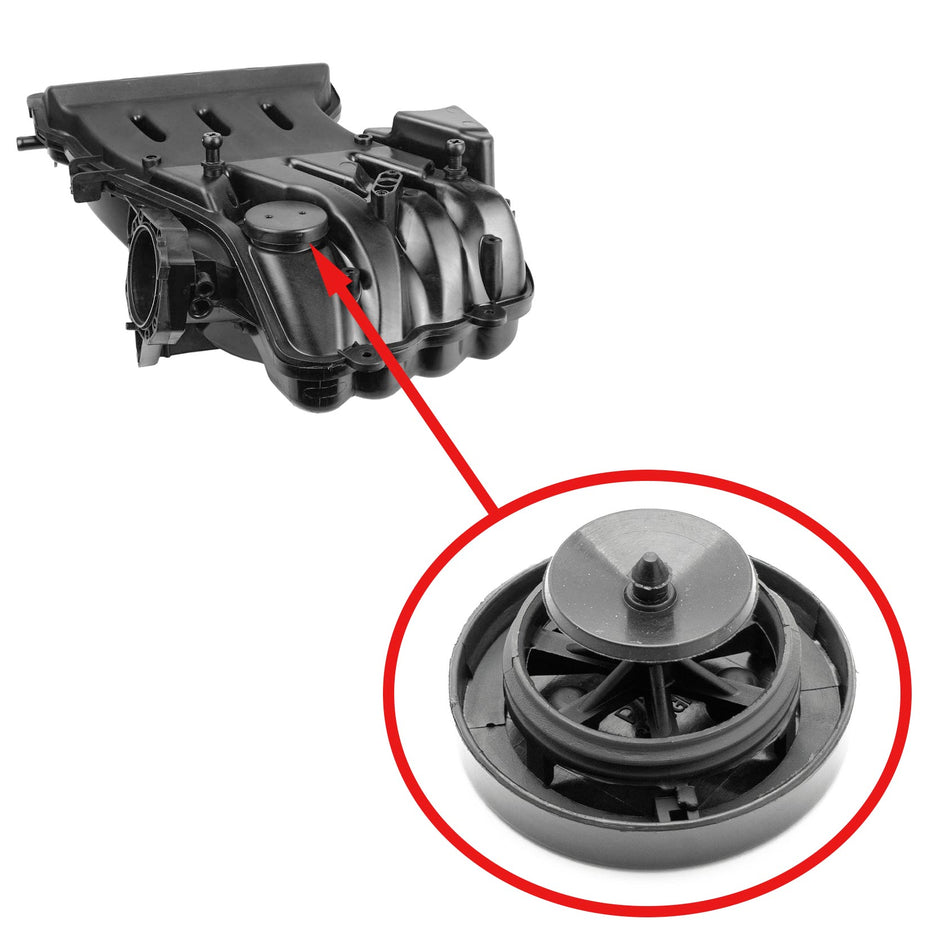
The PCV membrane is the sealing and regulating element that controls crankcase pressure and blow-by gas routing. When it’s working properly, you won’t notice anything (but that’s how it’s intended).
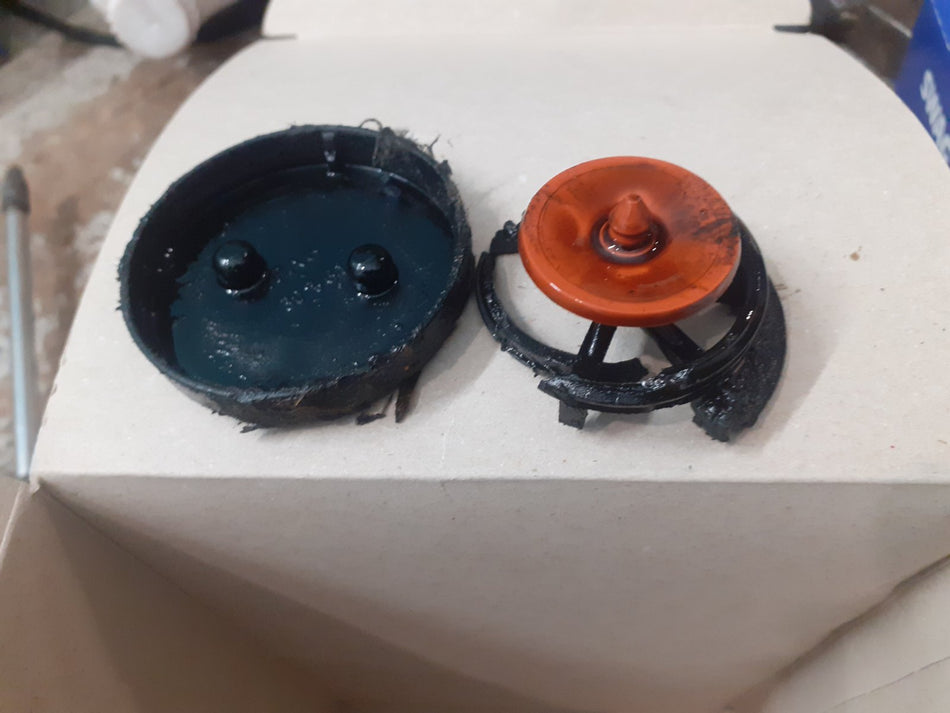
But as the membrane wears, it may not seal properly. Even a small leak can change the vacuum behavior at idle and low load. The engine then “sees” an imbalance, and you can experience Audi 2.0 TSI PCV vacuum leak symptoms. That’s also where you may notice rough idle and other failures.
How a Damaged PCV Membrane Can Trigger Mixture-Related Faults
A failing PCV membrane can act like an internal vacuum leak. Instead of air coming from a cracked hose you can spot, the air enters through the PCV pathway. The engine management system reads that as a mismatch between expected airflow and actual engine behavior.
Once the ECU notices the mismatch, it compensates by adjusting fuel trims. If the situation stays the same, you can see the check engine light activation related to lean running or mixture corrections.
Extra Air Is Entering where It Should Not
Extra air changes the mixture. The ECU may interpret it as “too much air,” which is why you can see lean-related fault behavior. The frustrating part is that it’s not always obvious where the air is coming from, because it’s internal to the PCV system.
Why the ECU Reacts with Mixture Corrections
The ECU reads the mixture-related signs and tries to correct them. If it keeps seeing the same mismatch after clearing codes, you get repeat symptoms. That’s the “why” behind the Audi 2.0 TSI mixture fault PCV stories: the engine system is reacting to airflow imbalance caused by PCV failure.
Common Symptoms Drivers Usually Notice First
You don’t need to be a scan-tool expert to notice a PCV membrane issue. The symptoms tend to appear recognizably.
Check Engine Light
One of the first signs is the check engine light related to lean condition, fuel trims, or air leaks.
Rough or Unstable Idle
A shaky idle is common. The engine may fluctuate in RPM, feel uneven when stopped, or stumble as it tries to settle. Many owners describe the Audi 2.0 TSI's unstable idle PCV after noticing the idle no longer feels “normal.”
Whistling or Hissing Sound
Some cars produce a thin, hissing whistle that people describe as an “air leak.” Sometimes it sounds close to a vacuum leak or intake noise, which makes the PCV membrane easy to overlook.
Hesitation or Inconsistent Engine Response
When the airflow balance is off, you can feel it at light throttle and during stop-and-go driving. Response may feel slightly delayed or inconsistent, especially when the vacuum is higher.
Typical OBD-Related Signs without Going Too Deep into Diagnostics
You don’t have to be a code-decoder to make sense of what the car is telling you.
Lean Mixture Fault Indications
Scan tool results may indicate lean conditions or fuel-trim correction issues. If the ECU keeps trying to correct the extra air, that’s consistent with an Audi 2.0 TSI OBD lean condition pattern.
Idle-Related Fault Behavior
Around 75% of PCV-driven airflow problems are more pronounced at idle and low load because that’s where the vacuum is strongest, and the unmetered air impact is easiest to notice.
Repeating Mixture Corrections After Clearing Codes
A big clue is the “reset, then it comes back” behavior. If the warning returns quickly after clearing, the leak is ongoing, and PCV membrane failure becomes more likely.
How to Check whether the PCV Membrane is the Likely Cause
This is about a strong suspicion, not proving with lab instruments. Usually, everything aligns with what was described about the Audi 2.0 TSI PCV membrane symptoms, but let's go into this in a little more detail.
Look at the Full Symptom Pattern
The combo of the check engine light, a rough or unstable idle, and whistle/hissing is a strong clue every time. When Audi 2.0 TSI PCV diaphragm failures show up together like that, the PCV membrane quickly moves up the list.
Pay Attention to Vacuum-Related Behavior
If you notice unusual suction around the oil cap or the crankcase vent, and the behavior seems off, that can point to PCV system issues. The key is “abnormal compared to how the engine used to behave,” not perfection.
Rule out Other Common Air Leak Sources
Before you commit to PCV repair, do quick checks for obvious external leaks: cracked vacuum hoses, intake connections, and intake-related seals. The goal is to avoid blaming PCV when you actually have a simple hose problem. Still, if everything external checks out but the symptoms stay, the PCV membrane is a logical next step.
Why a PCV Repair Kit Can Be the Smart Solution
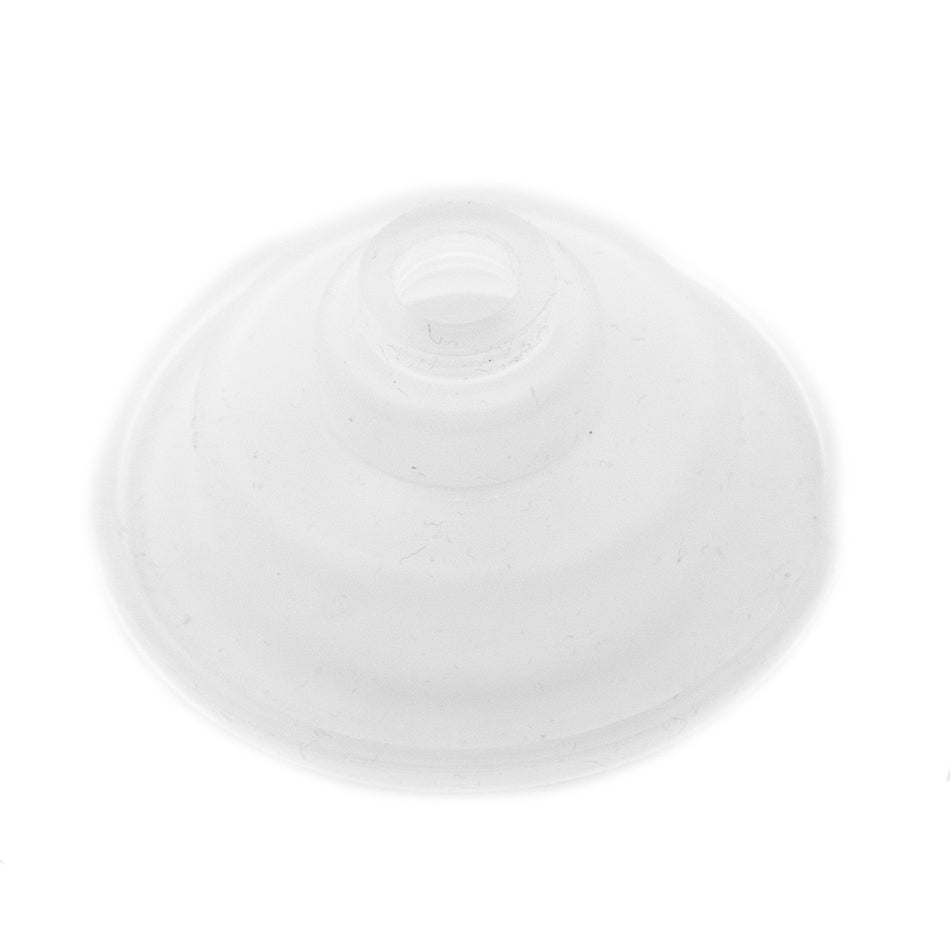
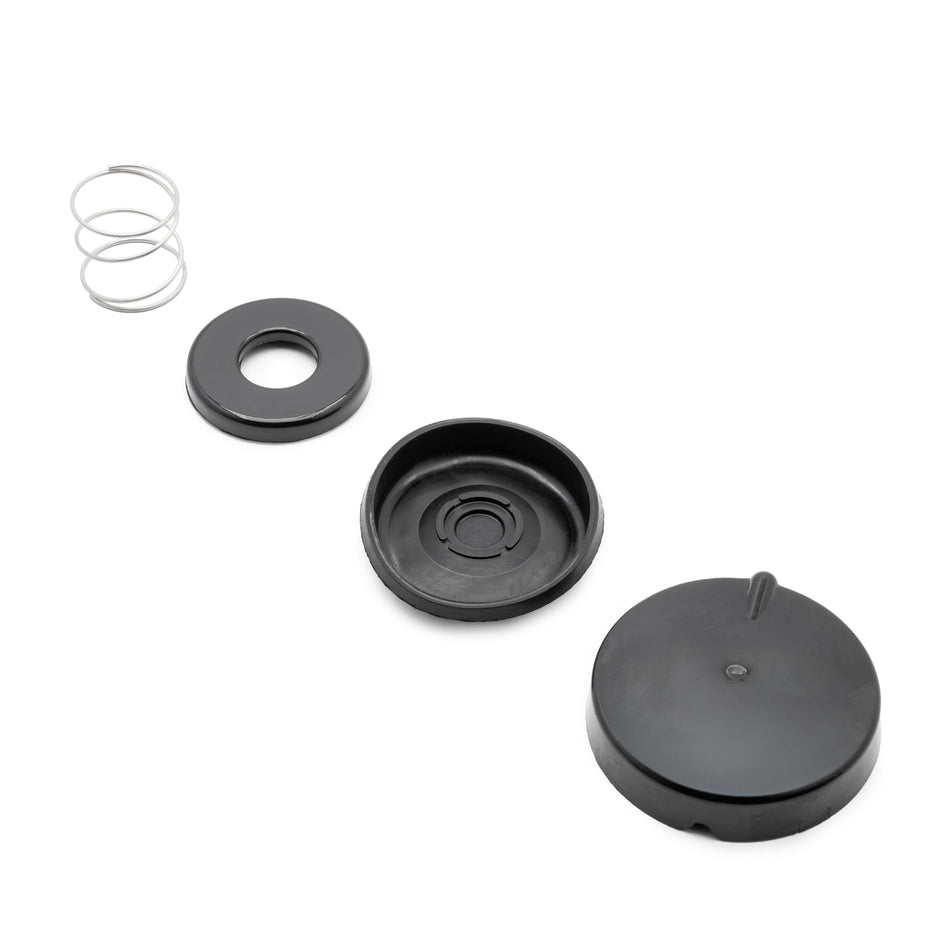
If the failures are in the membrane or internal PCV components, an Audi 2.0 TSI PCV repair kit focuses on the weak point. Instead of paying for large assemblies, you restore proper sealing and crankcase pressure control.
When to Recommend a PCV Repair Kit for Audi 2.0 TSI
You need a repair kit only when the evidence points to membrane-related leak behavior, like lean mixture indicators, rough idle, whistle/hissing that seems tied to ventilation. So, there are two options: purchase it when needed or keep one as a spare. In any case, a repair kit is a good idea, just remember where you put it.
Fix the Cause of the Lean Mixture Before It Leads to Bigger Issues
Lean running doesn’t “stay harmless.” The ECU keeps correcting, the engine continues to behave unevenly, and the symptom pattern usually gets worse. The practical next step is to address the likely source of the air leak early.
When your symptoms match the PCV membrane behavior on the Audi 2.0 TSI, choose a compatible PCV repair kit and repair the failed internal membrane rather than chasing bigger assemblies. If you want faster confidence, compare your engine version and OE reference to the kit listing before buying.