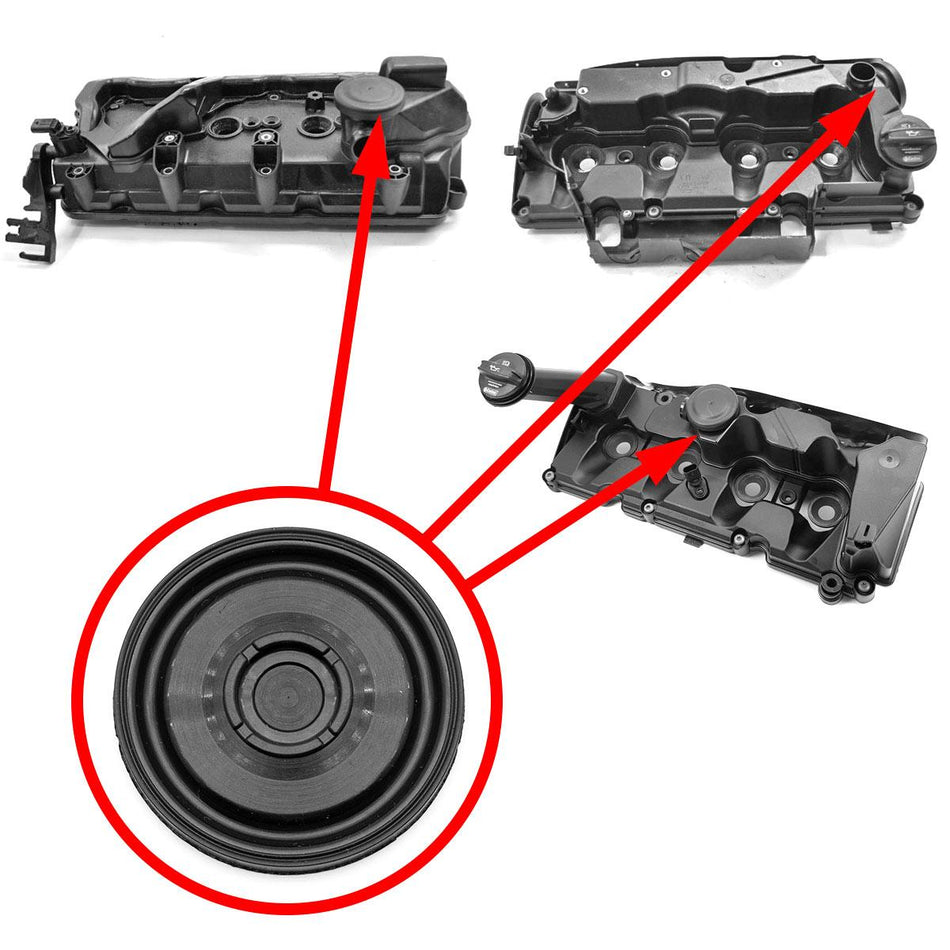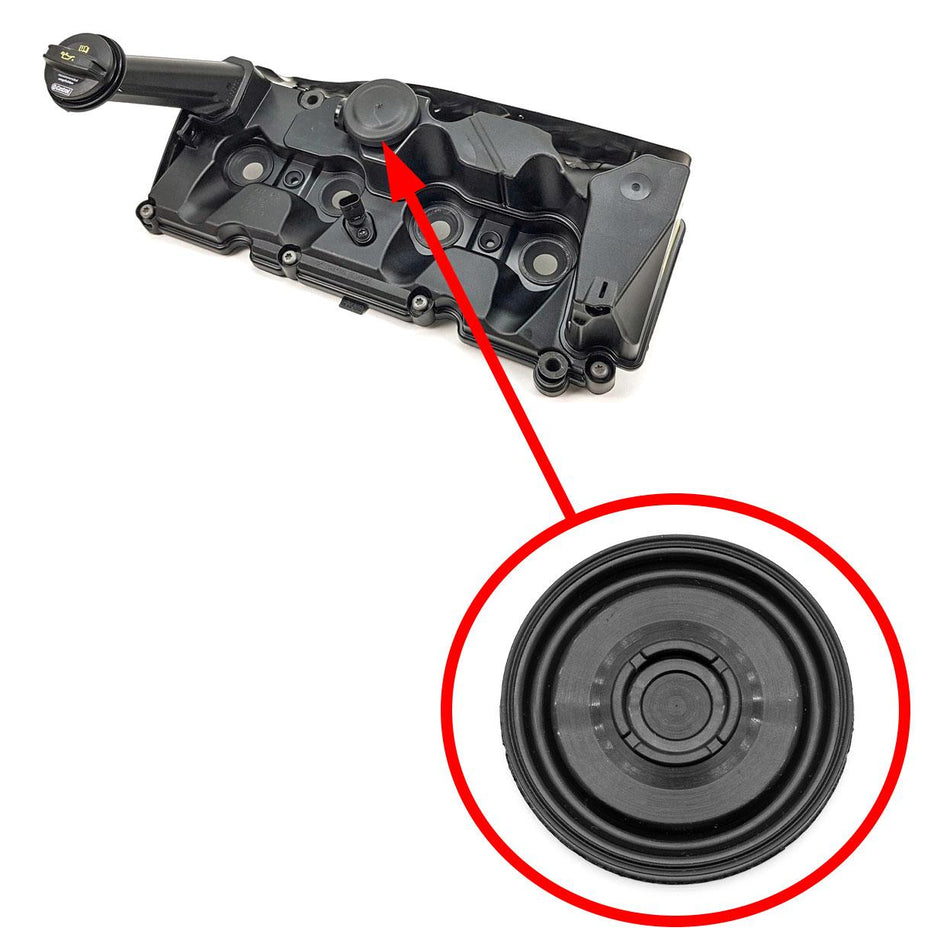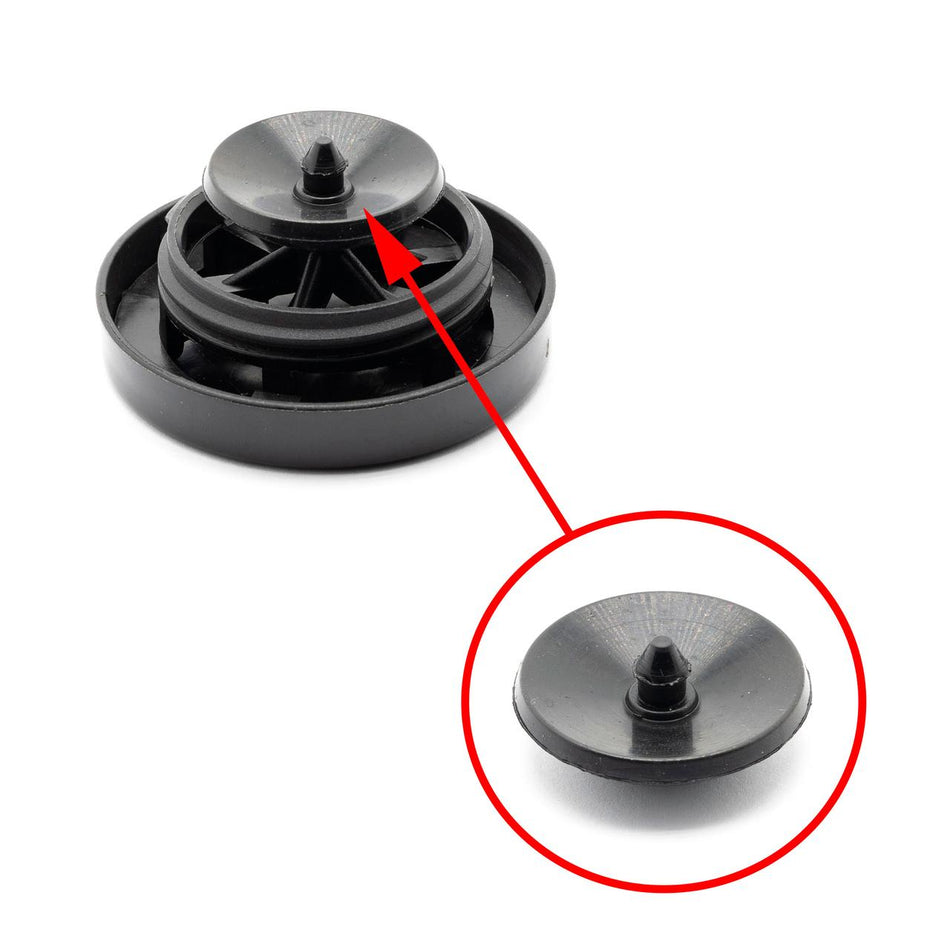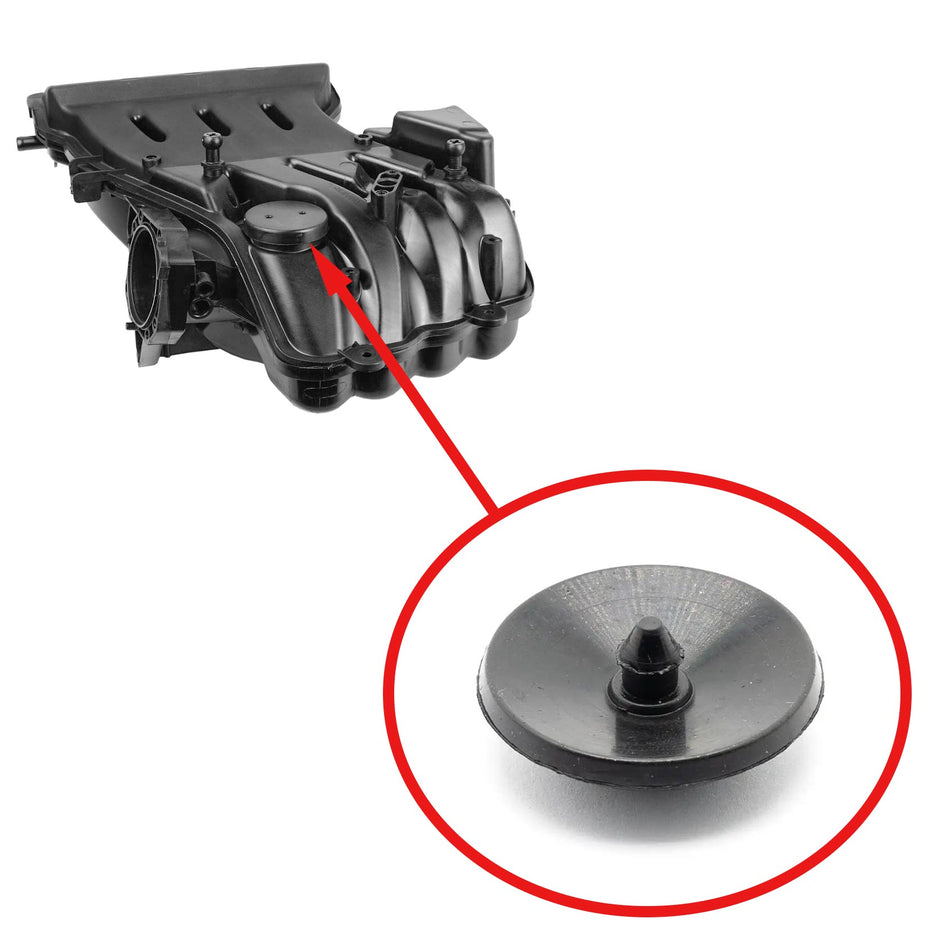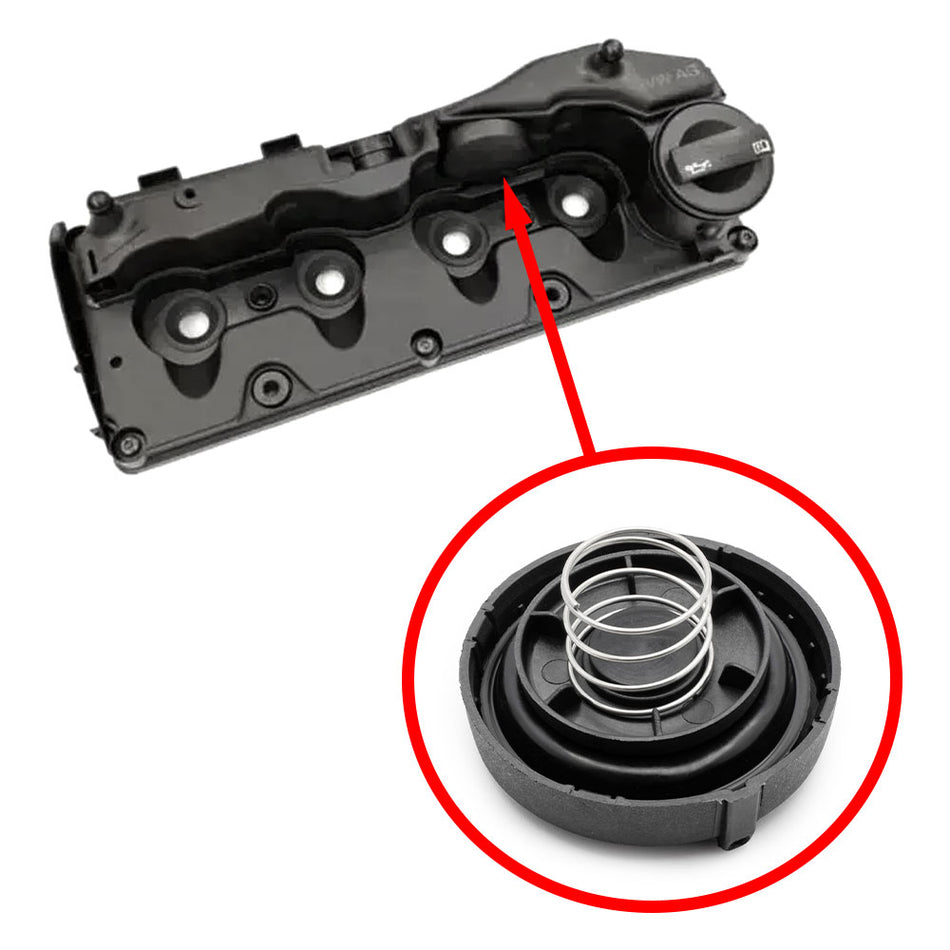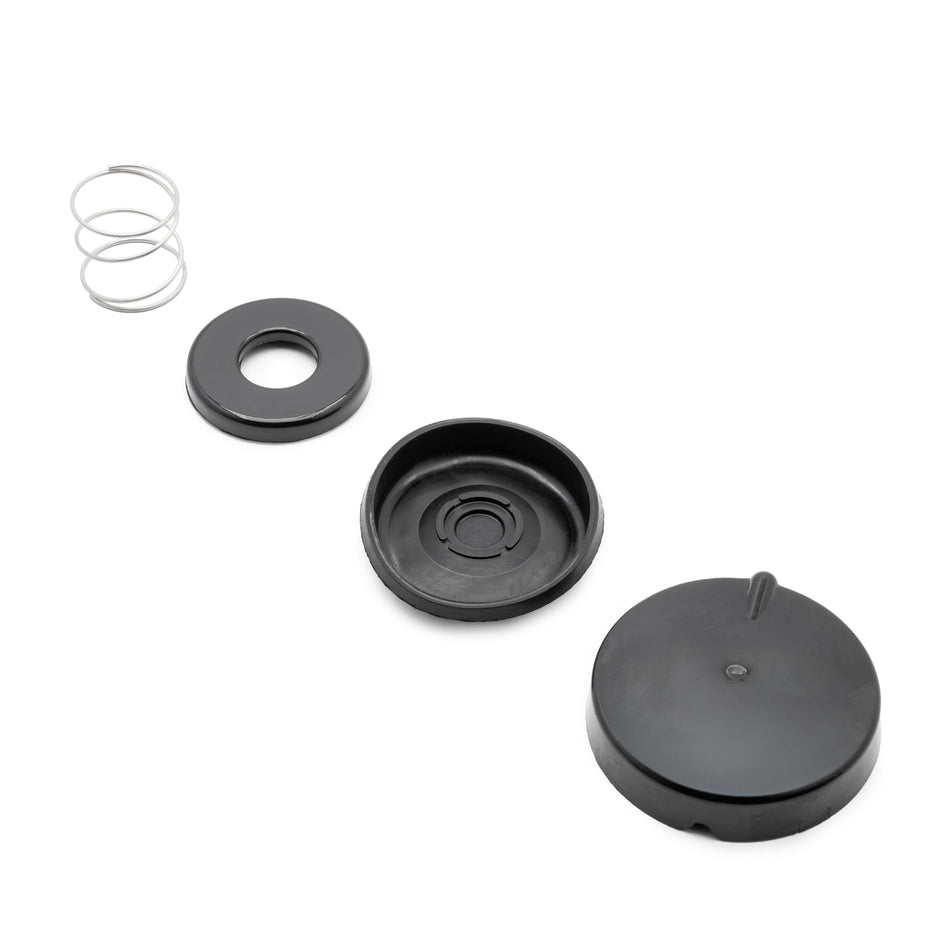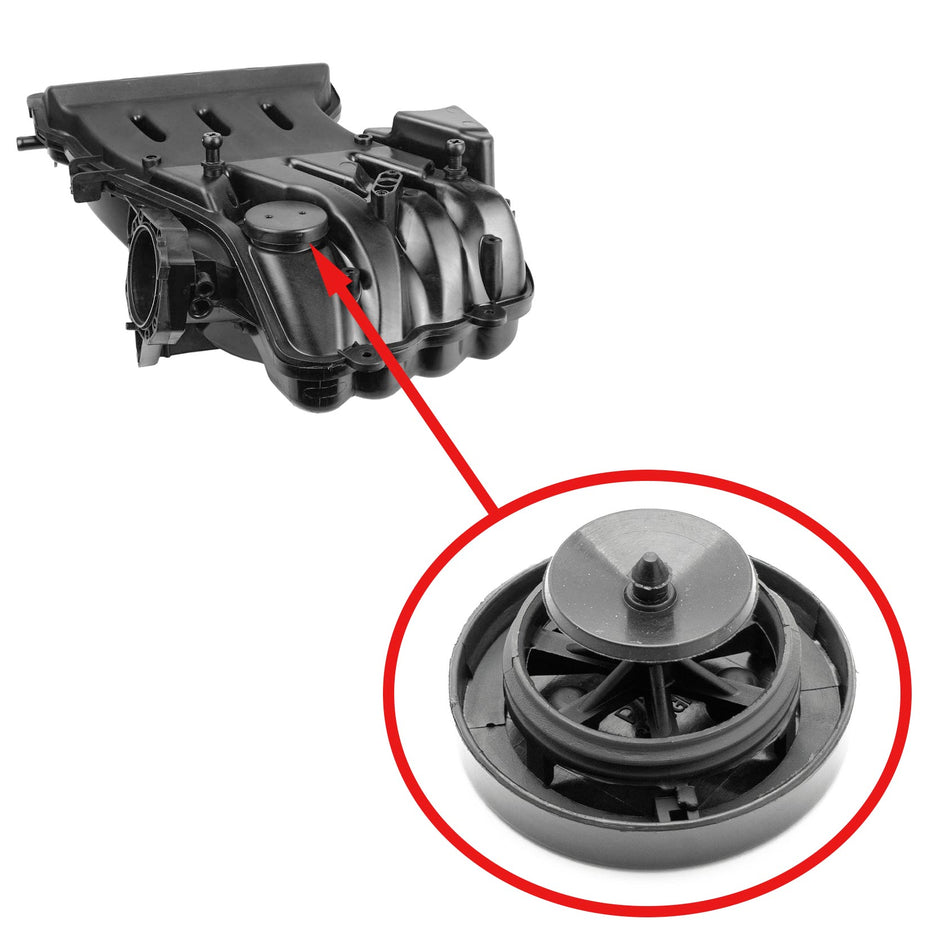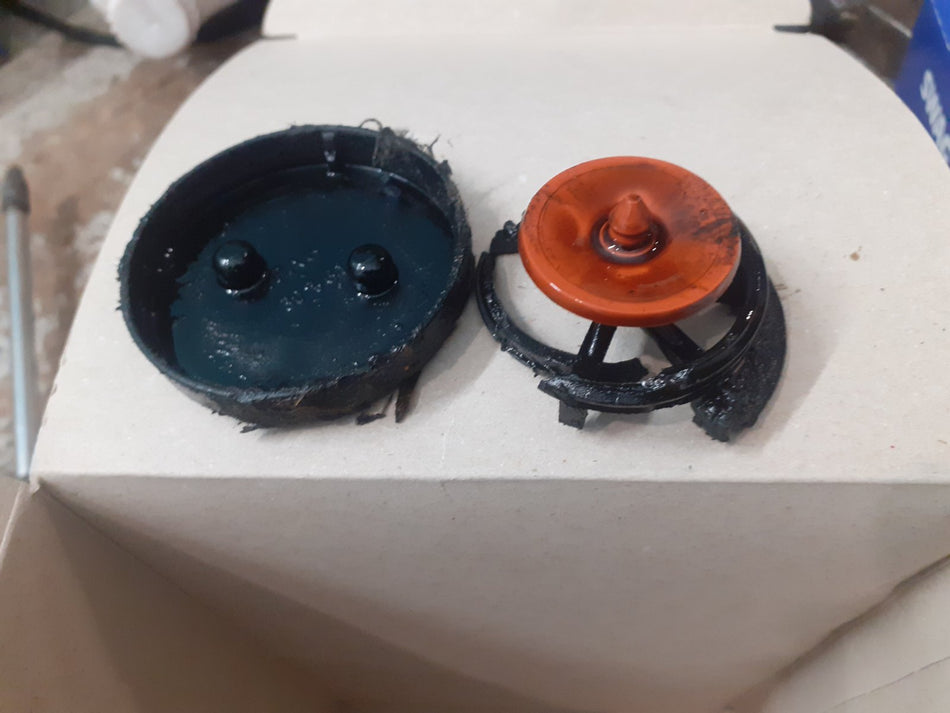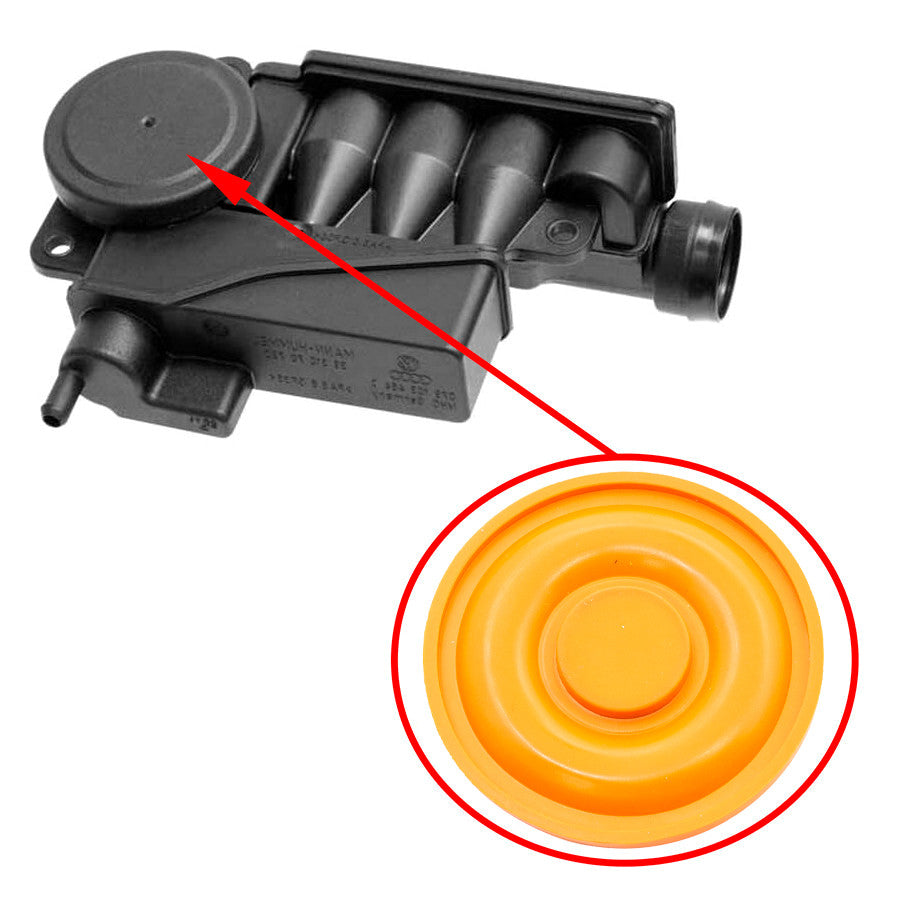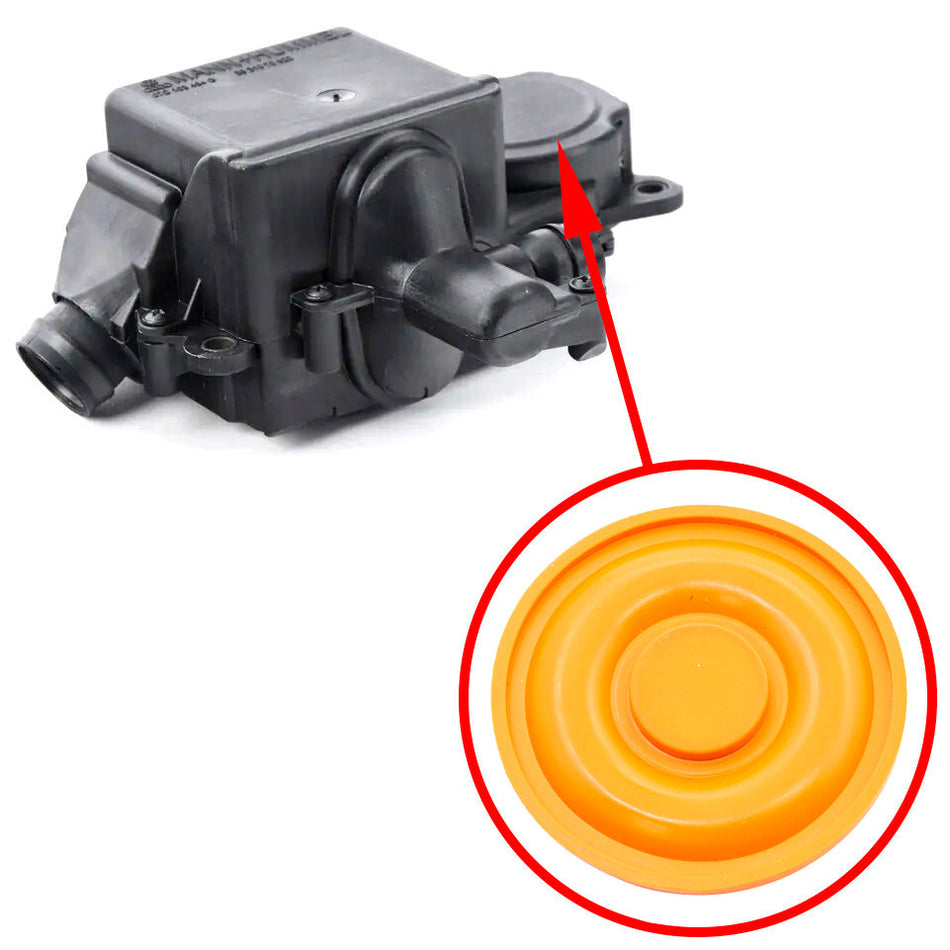

Blue smoke and a low oil level make drivers blame the turbo right away. Fair choice. But for the Audi 2.0 TFSI turbo, oil consumption can also come from crankcase ventilation + separator membrane. The reason is simple: they no longer perform properly, and it’s time to address the issue.
Why Is Oil Consumption a Common Concern on the Audi 2.0 TFSI
On the Audi 2.0 TFSI, oil use is one of the topics that come up quickly in the community and at workshops. The tricky part is that “Audi 2.0 TFSI burning oil PCV ” is often used as a blanket term even when the real cause is different. Many owners jump straight to the turbo because the symptoms can look similar at first: blue smoke, an oily smell, and a dropping oil level.
How the Oil Separator Affects Oil Consumption on the 2.0 TFSI
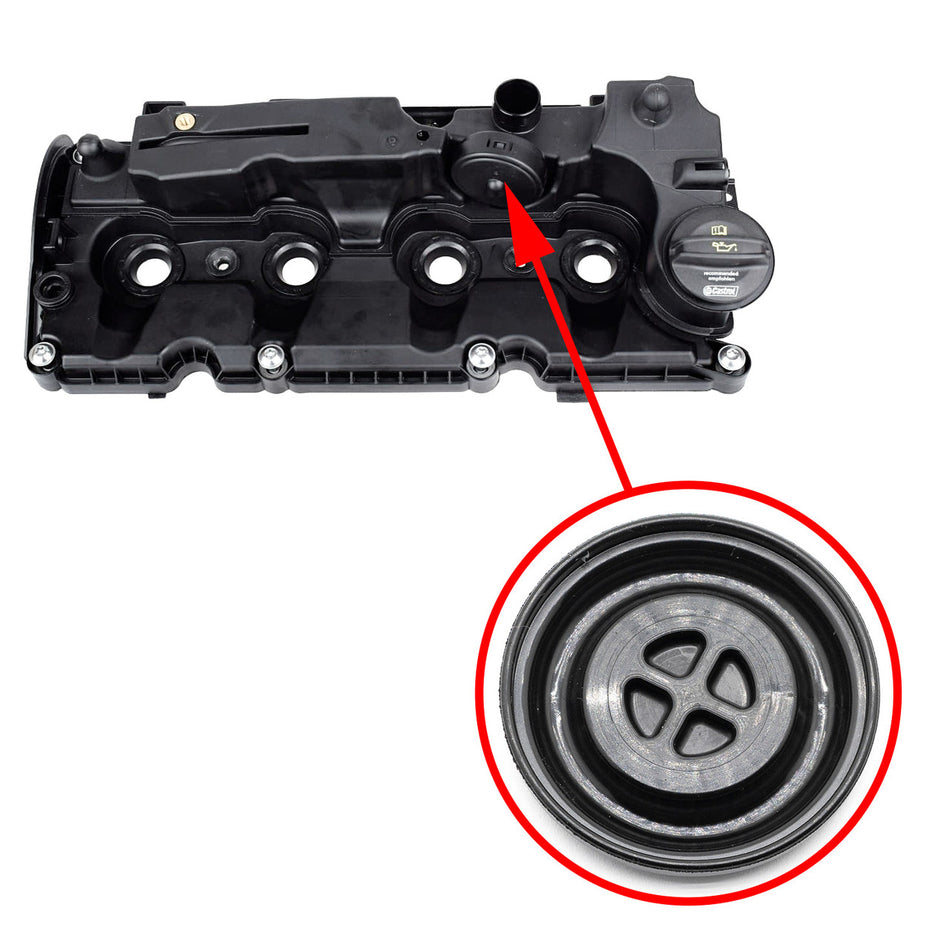
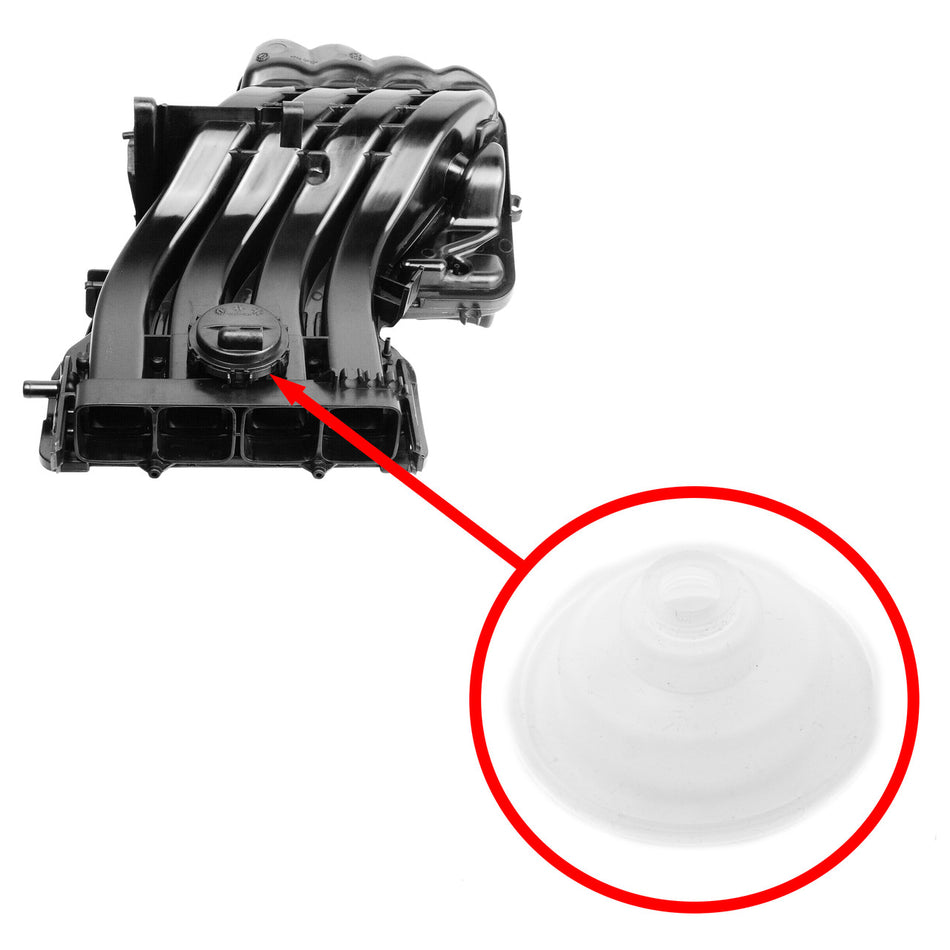
The oil separator’s real job is to keep oil mist out of the air path. It works inside the crankcase ventilation system, where blow-by vapors are routed back into the intake. Under normal conditions, the separator captures oil droplets and returns them to the crankcase. The engine then burns mostly gases, not liquid oil.
When the Audi 2.0 TFSI oil separator membrane fails, oil mist is no longer filtered properly. More oil travels with the vapors into the intake tract. That always increases Audi 2.0 TFSI turbo oil consumption, creating oily residue in intake components, and even contributes to drivability issues that feel “engine-related” rather than “turbo-related.”
What the Oil Separator Membrane Is Supposed to Do
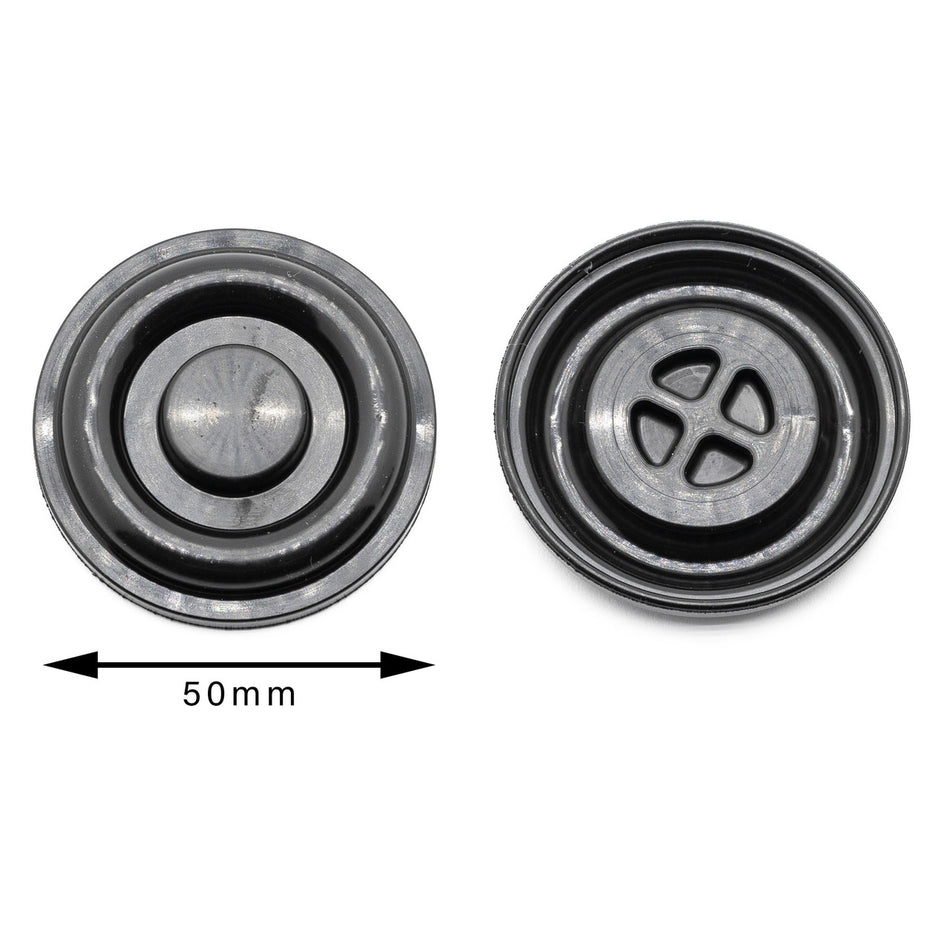
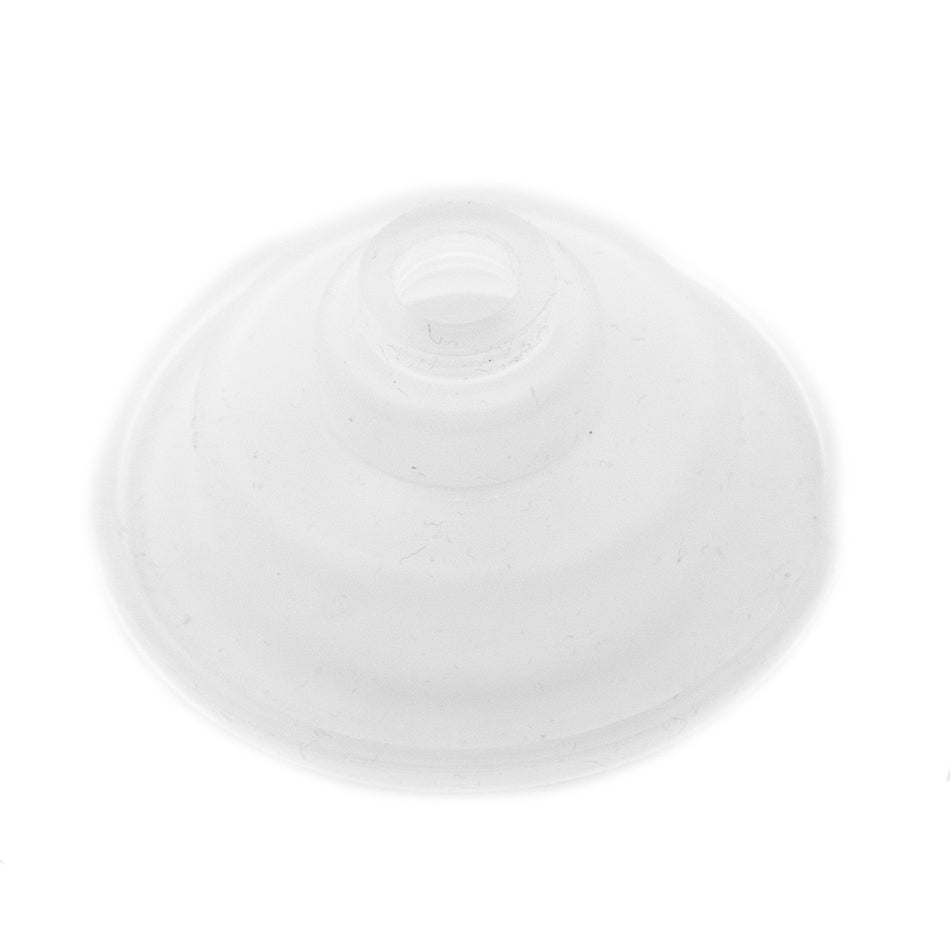
A healthy membrane helps separate oil from the crankcase vapors, so the intake gets cleaner gas flow. It also helps the system keep crankcase pressure under control, which reduces the chance of oil being pushed into places it doesn’t belong.
What Happens When the Membrane Fails
A damaged oil separator membrane just lets oil pass through with the vapors. The result is higher oil consumption and a dirty intake that quickly gets dirtier. You can also notice changes that match ventilation problems, such as unusual crankcase vent noise (from a clean, almost unnoticed sound to very loud and annoying), or more oil residue around the intercooler piping.
Why the Turbocharger Is Often Blamed for Oil Loss
Audi 2.0 TFSI turbo oil consumption is real, especially after high mileage or extended, hard use. If the turbo seals wear out, oil can leak into the exhaust and intake paths, causing blue smoke under load. That’s why it’s the first symptom.
The real problem is timing. Many oil consumption cases begin with “I saw smoke and oil drops,” and then the turbo gets replaced or serviced without checking the crankcase ventilation side. If the separator membrane is failing, the turbo may not be the right target for blame.
Oil Separator vs. Turbo: How the Symptoms Usually Differ
You’ll get a better picture by looking at when the oil shows up and how the engine behaves. At this stage, we become real detectives in the case of the "Audi oil consumption oil separator problem" and other Audi “crimes”.
Signs the oil separator may be the real problem
Oil separator-related issues tend to show up as “crankcase ventilation carryover” more than a classic turbo seal failure. Common patterns include:
- Oil consumption that happens even when the boost is not extreme.
- Oily residue in intake tubing, near charge piping, or around intake runners.
- PCV-related symptoms like whistling, hissing, or unusual behavior at idle.
- Intake contamination you can’t easily explain with driving habits.
- Blue-ish smoke that appears without the same performance drop you’d expect from a badly failing turbo.
Signs that Point More Toward the Turbocharger
Turbo-related oil burning often comes with a more obvious “boost story.” You’re more likely dealing with the turbo when you see:
- Audi 2.0 TFSI blue smoke causes are strongest during acceleration or under boost.
- Oil around turbo-related components, heat shields, or nearby connections.
- Clear loss of performance, boost issues, or unusual turbo spool behavior.
- Exhaust smoke that tracks hard driving more than idle or light load.
When Both Issues Can Look Similar
Sometimes both systems contribute. For example, intake oil residue alone doesn’t confirm the separator, and smoke under boost alone doesn’t prove the turbo.
The Most Common Mistakes when Diagnosing Audi 2.0 TFSI Oil Consumption
The usual mistakes are simple, but very expensive:
- Replacing the turbo because oil smoke looks similar, without checking the PCV and separator behavior.
- Ignoring Audi 2.0 TFSI crankcase ventilation oil issue clues and focusing only on the exhaust side.
- Not inspecting intake piping for oil mist residue patterns.
- Failing to check for vacuum-related ventilation symptoms that often show up with separator membrane wear.
If the oil separator is the cause, a turbo replacement won’t stop the intake-side oil mist. You’ll still see oil use and gunk buildup.
How to Evaluate the Likely Cause Before Replacing Major Parts
This is where diagnosis stays practical. And most importantly, it saves you money from unnecessary purchases.
Look at Idle Quality and Crankcase Pressure Symptoms
If you see rough idle, whistling near the crankcase vent, or changes in crankcase ventilation, it suggests you should investigate the separator membrane. Turbo seal problems can also affect drivability, but ventilation symptoms tend to be more obvious at idle and light load.
Check Where the Oil Is Showing Up
This is the fastest clue. Look at intake plumbing and charge-related components for oil mist residue. Then compare that with where you see oil around turbo components and exhaust-related parts.
Compare Drivability Symptoms with Oil Consumption
Turbo failure often manifests with performance-related signs under boost: weaker boost response, altered spool feel, and stronger smoke under hard acceleration. When you keep these differences in mind, Audi oil separator vs turbo diagnosis becomes less guessy.
Why Replacing the Oil Separator Membrane Can Be the Smarter Repair
When the separator membrane is the failed element, targeted repair is exactly what it sounds like: you restore separator function and crankcase ventilation behavior. That reduces the amount of oil mist entering the intake. The result is lower oil consumption and less contamination of intake.
When an Oil Separator Membrane Is the Right Product to Recommend
Choose an oil separator membrane repair when the symptoms fit crankcase ventilation carryover and Audi 2.0 TFSI excessive oil use, more than turbo seal failure. The best matches are situations in which oil consumption persists alongside idle-related ventilation symptoms and intake-side oil residue.
Solve Audi 2.0 TFSI Oil Consumption by Fixing the Real Cause
If you notice any Audi 2.0 TFSI oil-loss symptoms, the next step is to choose an oil-separator membrane solution and address the membrane failure directly. Go through each point step by step, run diagnostics, and order only the parts you 100% need. Don't waste your budget on components you mistakenly assume are worn out.