Page 2 | Engine Gasket and Seal Kits for Complete Repair

Engine Gasket and Seal Kits for Complete Repair

Filter products

The highest price is $111.00
$
$

56 Products

Engine Gasket and Seal Kits for Reliable Repairs and Rebuilds

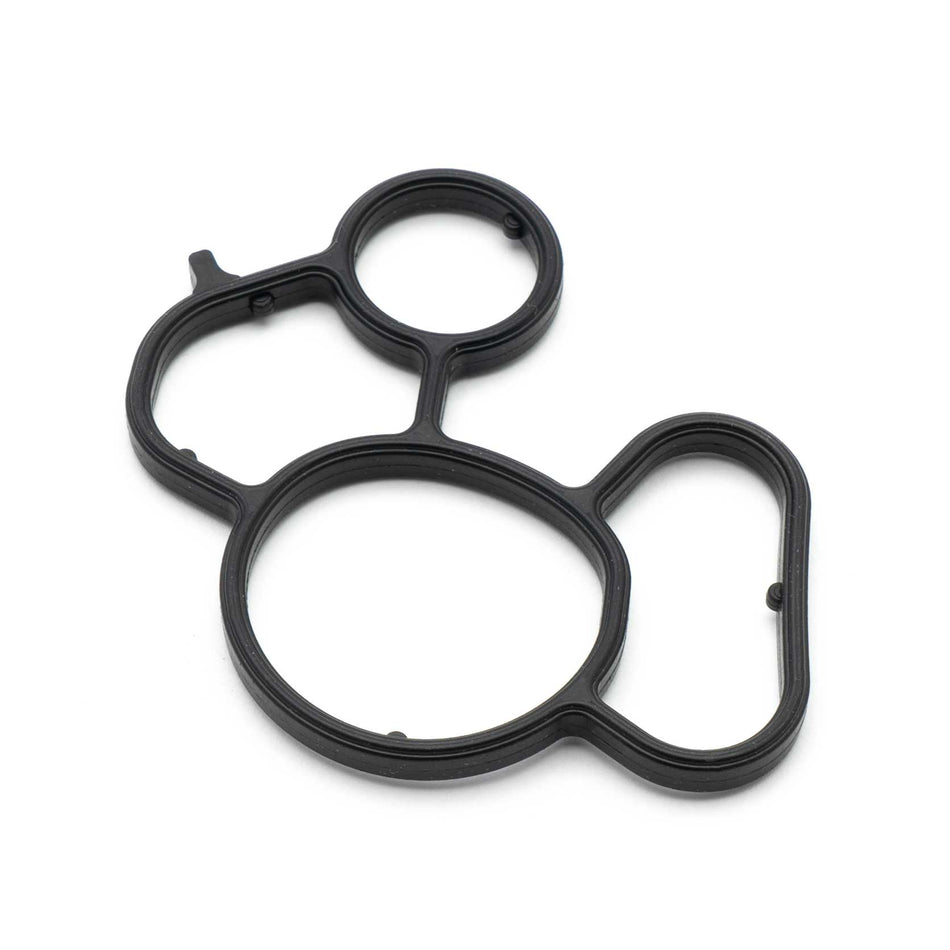
Engine giving you trouble? Oil on the floor, coolant dropping, or an overheat warning usually means a gasket problem. Buy the head gasket kit or full gasket set up front, and you won’t have to stop halfway through the job. Klifex stocks engine gasket kits and turbo gasket kits keyed to engine codes so shops and DIYers get the correct parts the first time.

What Gaskets Actually Do

Gaskets are thin parts with a big job. They seal oil galleries, coolant passages, and combustion chambers. They sit between block and head, under the valve cover, along the intake and exhaust, around the oil pan, and at turbo flanges. When they work, the engine keeps oil, coolant, and compression where they belong. When they fail, you get leaks, white smoke, and power loss. Replacing the right head gasket set or related parts stops the issue before it spreads.

Symptoms To Check For

  1. Oil leaking from the valve cover, oil pan, or timing cover.
  2. Coolant loss at the head or intake, or puddles under the car.
  3. Overheating, white exhaust smoke, or milky oil.
  4. Loss of compression, misfires, or rough running.
  5. Hissing or ticking from exhaust gasket leaks or turbo flange problems.

Spot one or more of these and order a model‑specific head gasket set or upper gasket set, and inspect mating surfaces before taking things apart. If you replace gaskets proactively, you avoid warped heads, coolant mixing, and unexpected roadside breakdowns. For BMWs, matching the exact head gasket set saves time on the bench.

Why BMW Gaskets Fail

Gaskets fail for easy-to-understand reasons. Heat cycles make materials brittle. Warped heads or corroded surfaces do not seal. Incorrect torque or reusing stretch bolts leads to uneven clamping. Turbo models add extra pressure and heat that stress seals. Common shop mistakes include reusing old seals and skipping torque-to-yield bolts. Fix those, and you stop repeating failures.

Which Kit to Buy and When

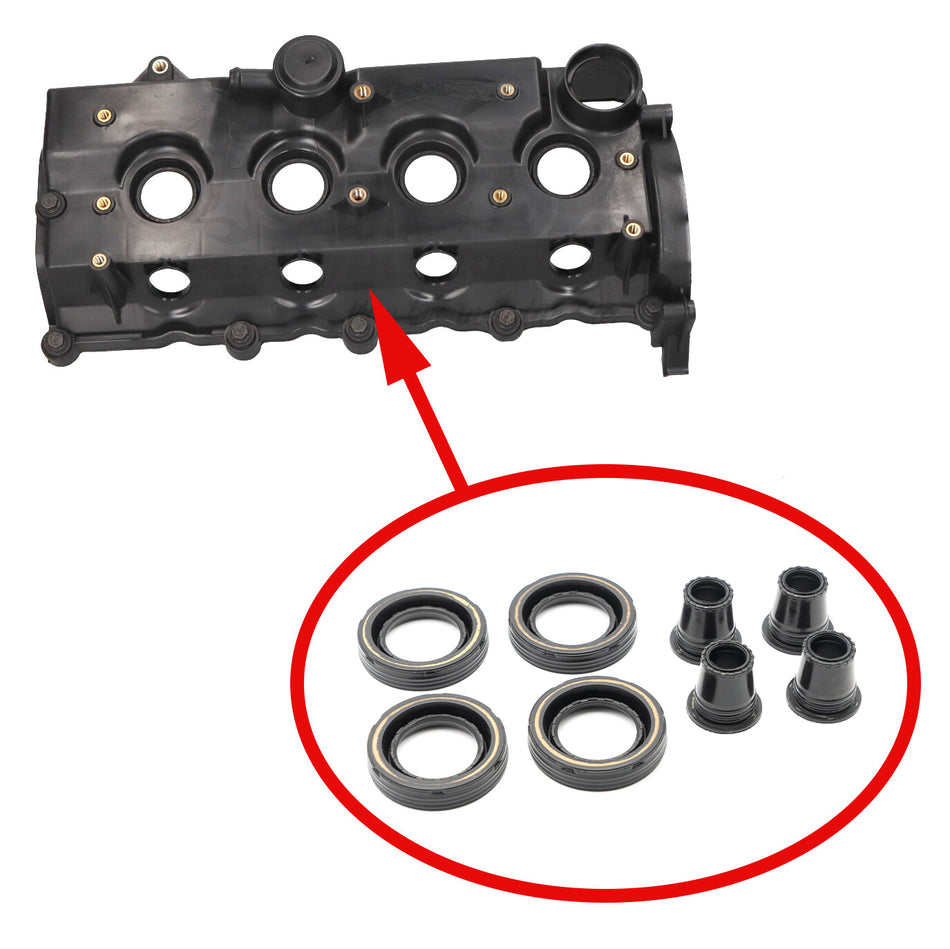
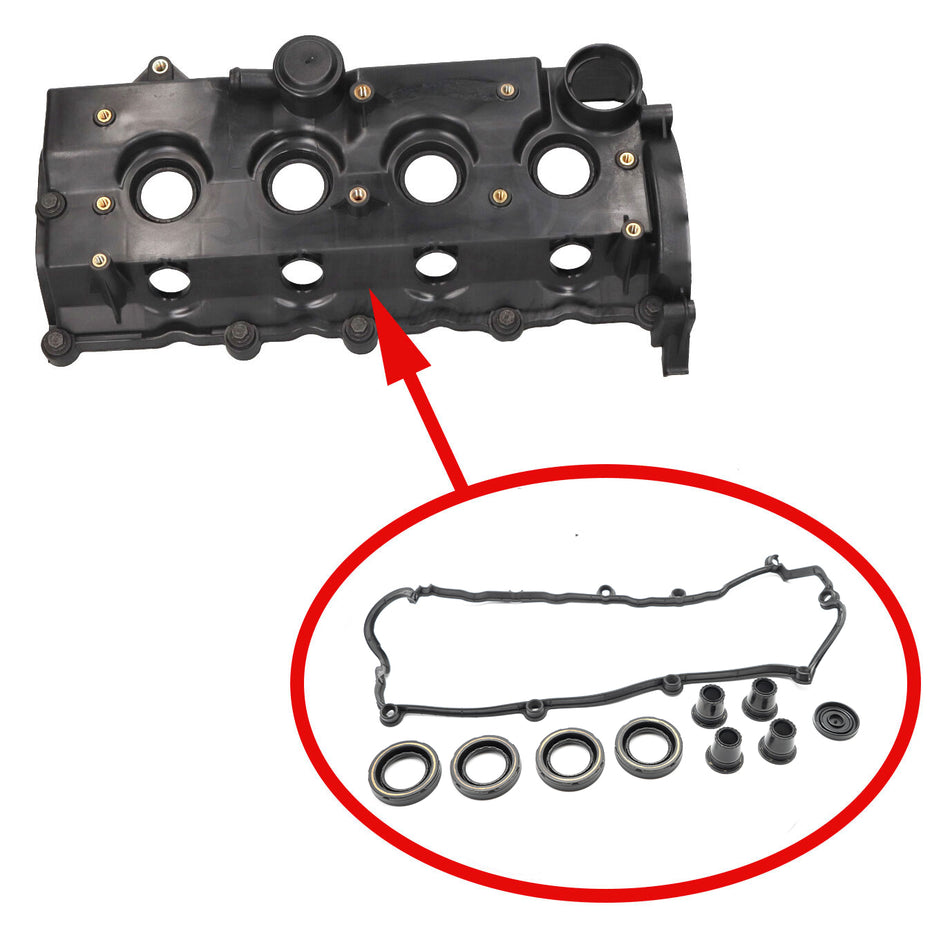
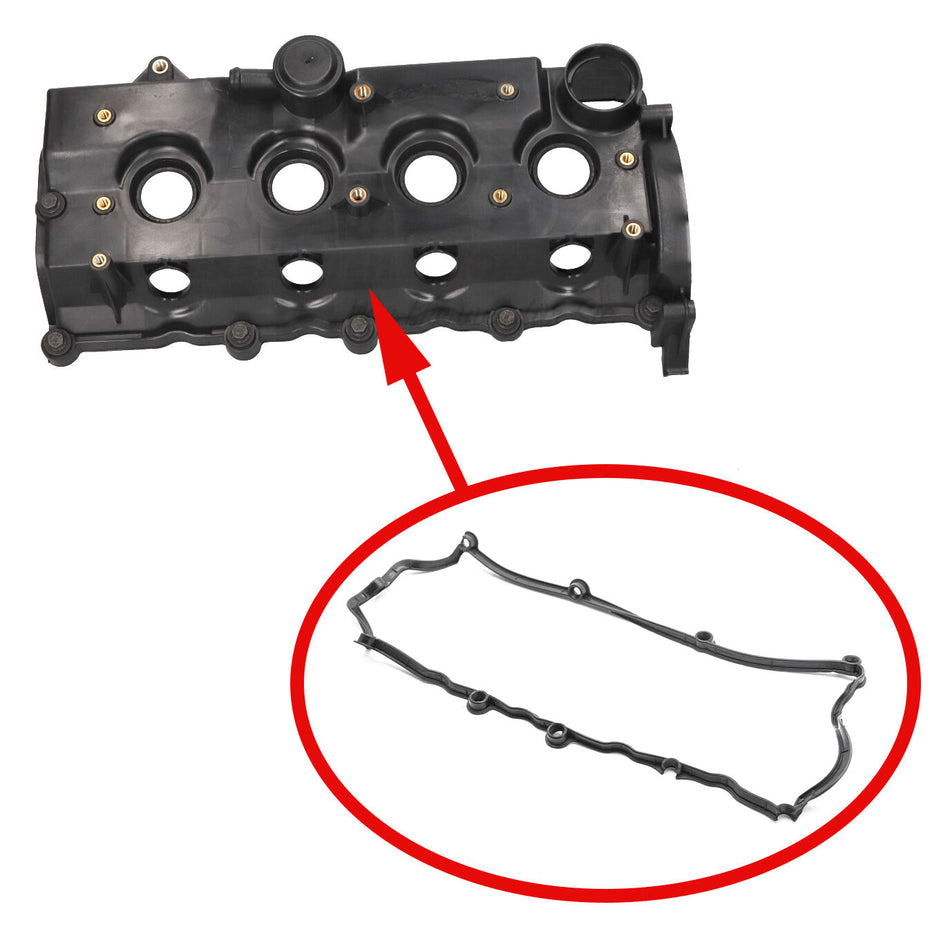
If you are pulling the head, get a cylinder head gasket set or head gasket kit. Doing valve work or fixing a coolant leak at the head without the correct head gasket set is asking for trouble. Working only above the deck? Grab an upper gasket set that covers valve cover gaskets, intake seals, and injector O‑rings. 

For a full rebuild, pick a full engine gasket set or engine full gasket set, so you replace everything in one pass. Touching the turbo? Add a turbo gasket kit for flange gaskets and oil feed and return seals. Always order by engine code or VIN. A turbo gasket kit for one car rarely fits another.

What a Good Kit Contains

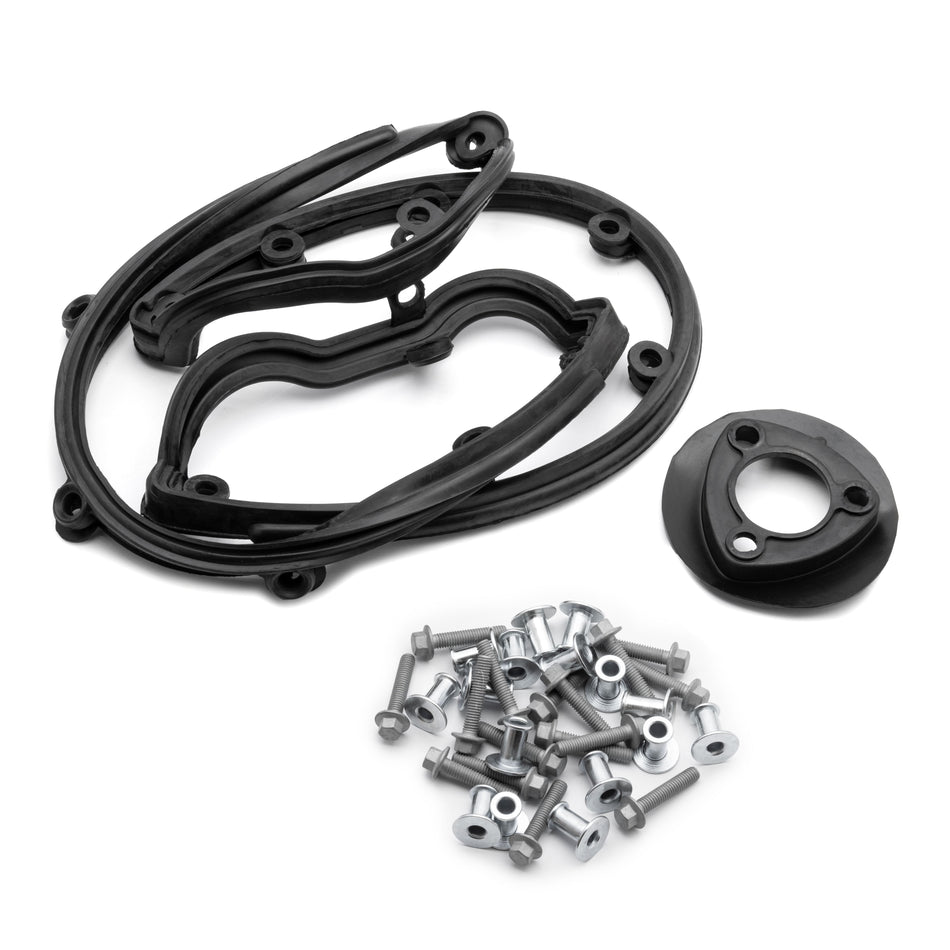
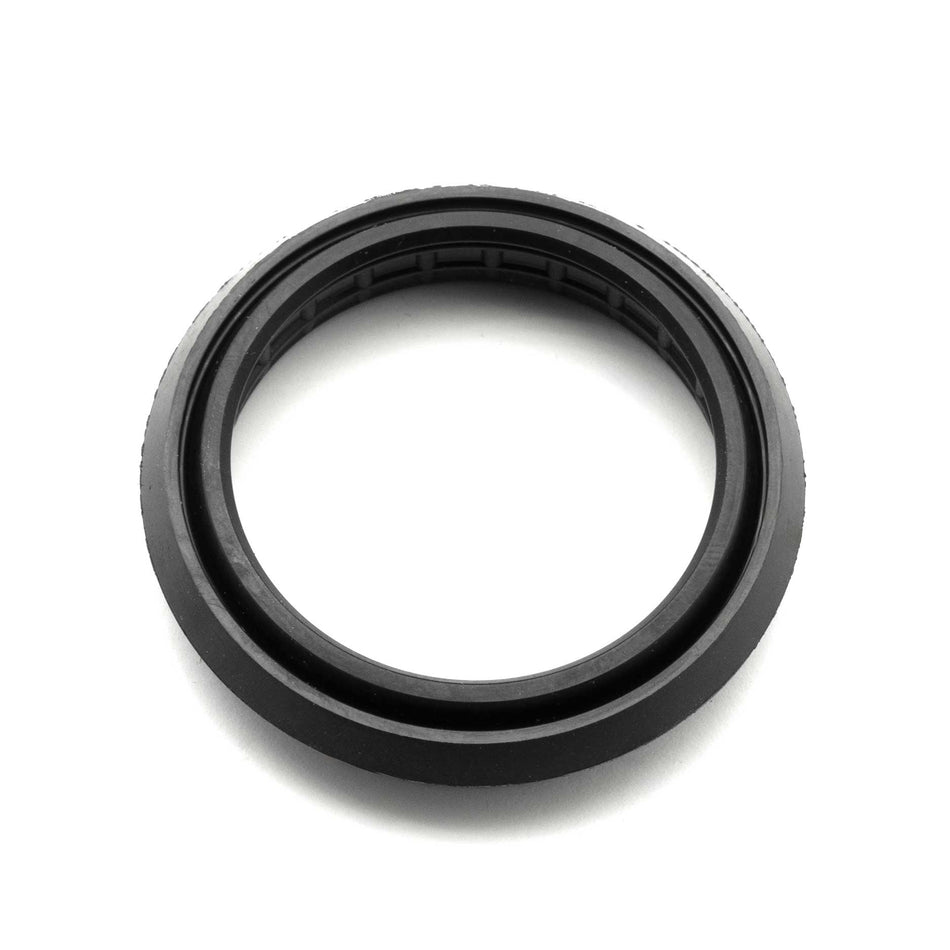
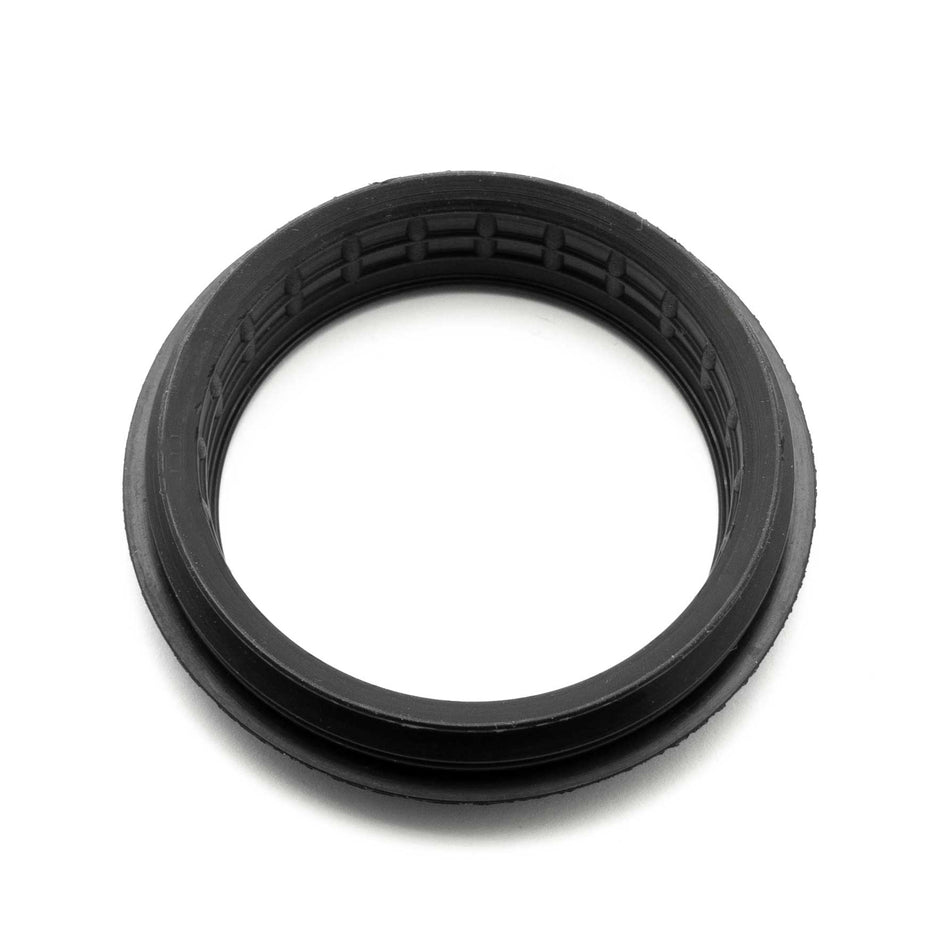
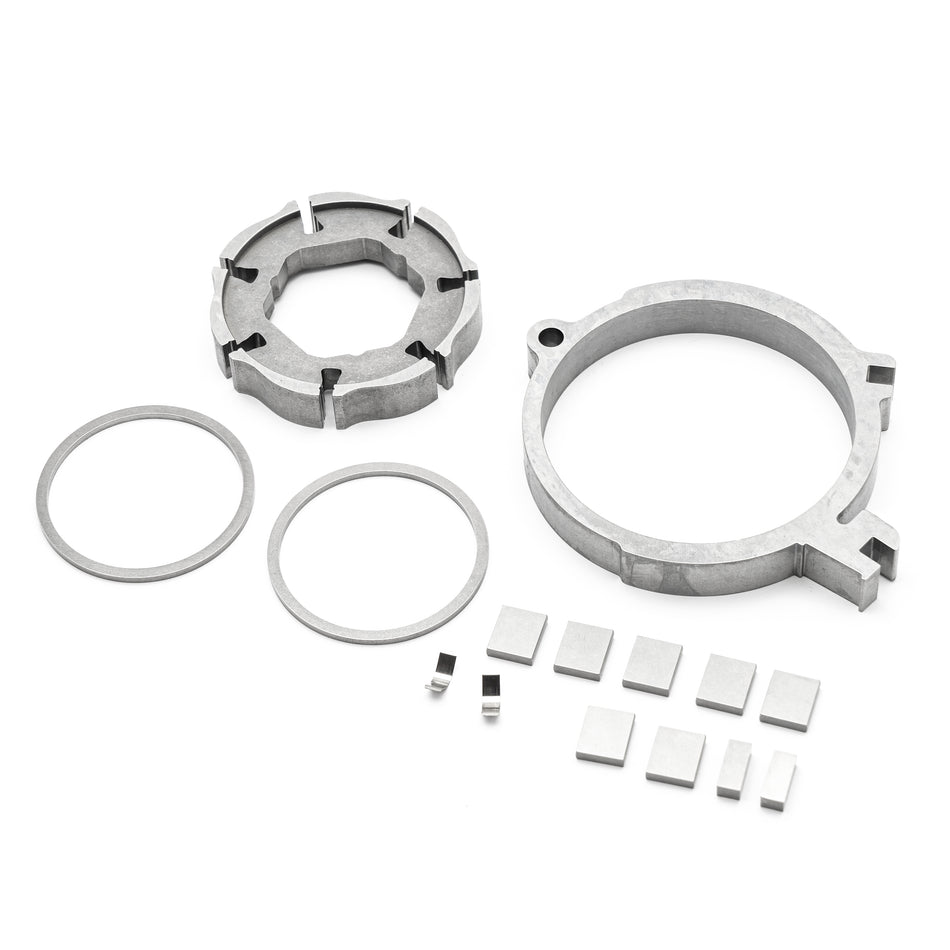
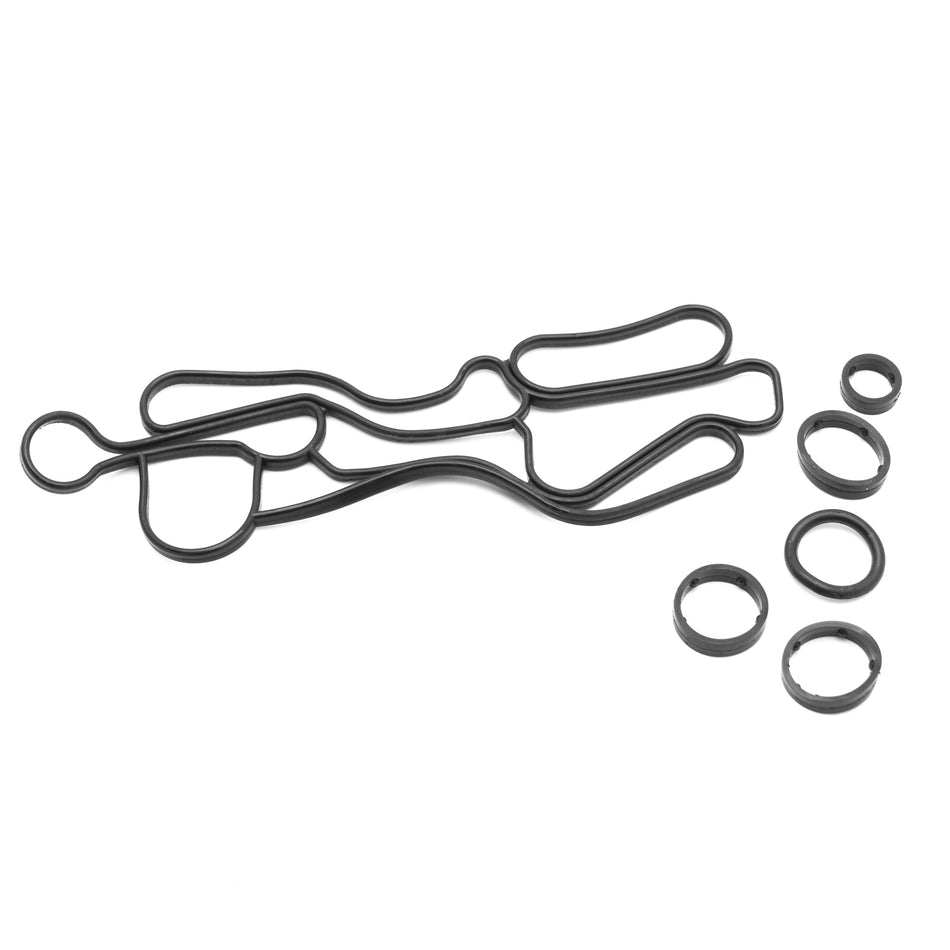
A proper gasket kit gives you everything small, so the job finishes once. Expect a head gasket, intake and exhaust gaskets, valve cover gaskets, oil pan gasket, timing cover seals, rear main and crank seals, O‑rings, crush washers, and any small studs or hardware. Turbo kits add metal flange gaskets and oil feed/return seals. If a listing names materials and tolerances, that’s a good sign. Look for MLS head gaskets and Viton‑class seals where needed.

A top kit will also include torque spec notes, alignment dowels, and model-specific clips so technicians (or you) can finish the job without scavenging parts. These extras cut bench time and prevent mid-job trips to the parts counter.

Simple Install Tips That Matter

Before you start tightening bolts, spend a few minutes on prep. A clean workspace, the right fasteners, and following the sequence will save hours and prevent leaks later.

  1. Clean mating surfaces thoroughly and remove all old gasket material.
  2. Check the head and block for flatness. Machine if needed.
  3. Use alignment dowels and follow the OEM torque sequence. Replace torque‑to‑yield bolts when required.
  4. Replace all soft seals and brittle hoses while you have access. Don’t reuse stretchy bolts or old O‑rings.
  5. Pressure‑test cooling and check for oil leaks before you call it done.

Modern head gaskets are usually MLS, multi‑layer steel, for reliable combustion sealing. Valve cover and O‑ring materials should resist hot oil and ozone. Turbo flange gaskets need metal or high‑temp composite materials. If you see a gasket kit engine listing that specifies Viton, graphite, or MLS, you are looking at the right kind of parts for long service.

Common Mistakes to Avoid

Two repeat offenders are reusing old seals and ignoring torque‑to‑yield bolt rules. Also, do not skip cleaning the intake and oil passages if a cooler or oil contamination occurred. And check the parts list: not every gasket set includes studs, bolts, or crush washers.

Why Buying a Full Kit Pays off

Buying a complete engine gasket set upfront from Klifex saves time and avoids mid‑job runs to the parts counter. For Klifex, it means fewer supply trips; for DIYers, it means finishing the job in one go. Using correct materials and replacing required bolts reduces leaks and lowers the chance of rework. For turbo engines, the correct turbo gasket kit prevents exhaust leaks and protects the turbo from oil return failures.